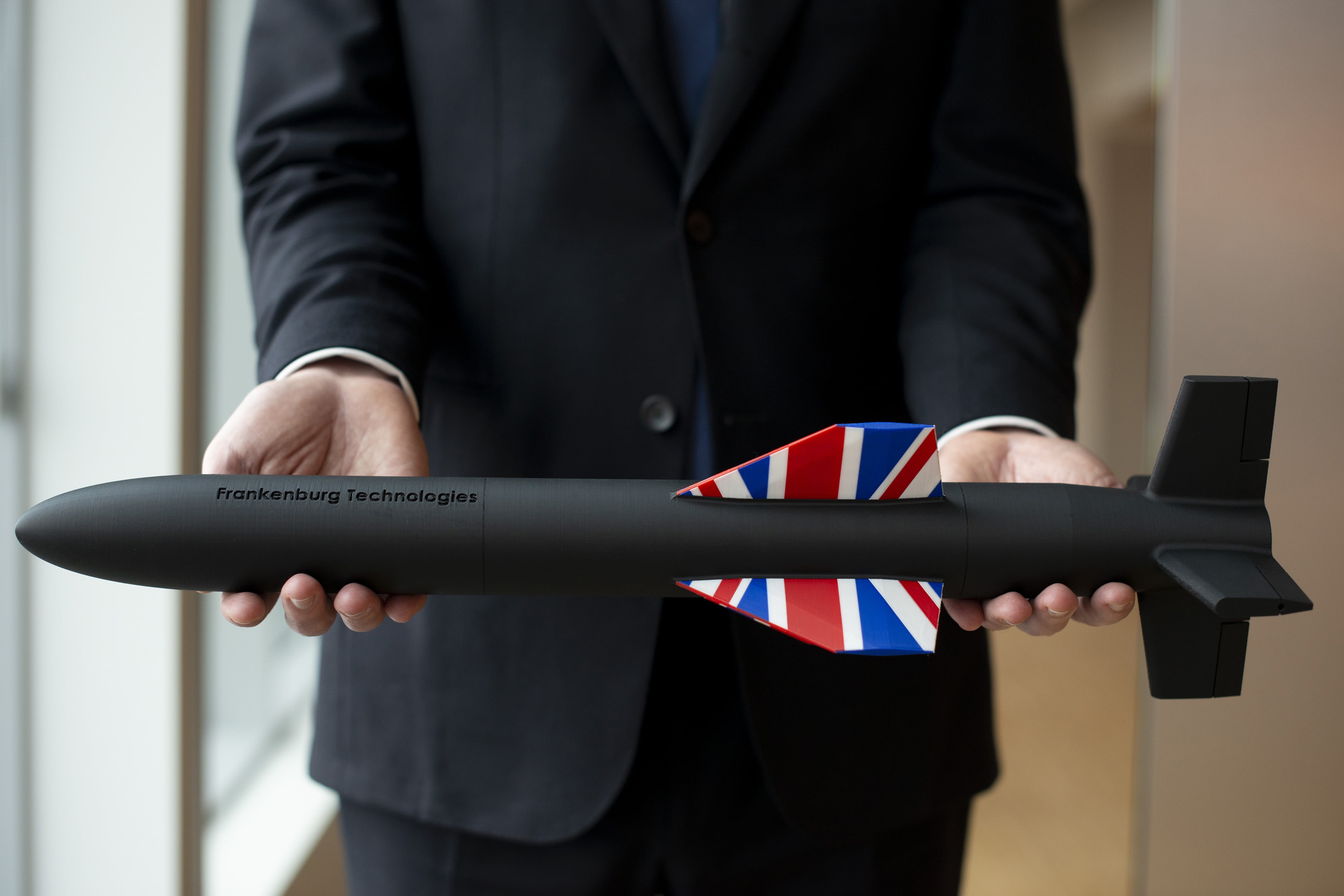
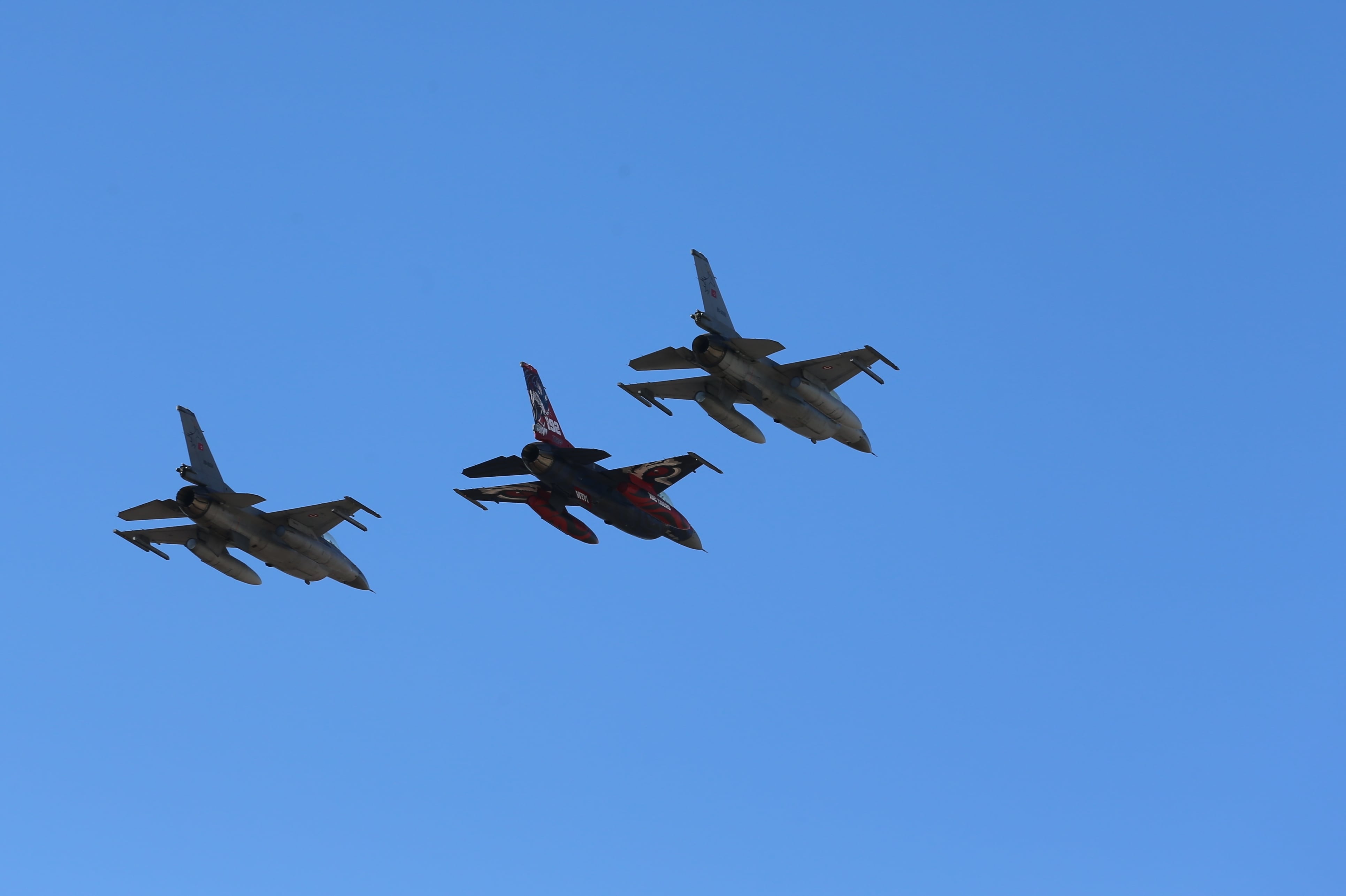
The Defense Department has proposed its new budget to support the new national security environment, a highly contested one where DoD can no longer assume it has air superiority. According to a presentation in June 2014, given by Lt. Gen. Robert Otto, USAF Deputy Chief of Staff for ISR, these contested environments create a circumstance where air superiority is not a given. To gain and maintain this superiority, you must work really hard and invest in technology in the future that keeps you at the leading edge in air and space.
Military and other government leaders must now keep this in mind even though the U.S. has managed to maintain technological leadership for many years. Now the DoD must think differently, as adversaries have developed strong capabilities to challenge this technological prowess.
"As articulated in the 2011 National Security Space Strategy, the space domain is contested, congested, and competitive," said Adm. Cecil D. Haney, Commander of U.S. Strategic Command, speaking in February at the Atlantic Council's Brent Scowcroft Center. "Our potential adversaries have signaled their ability to conduct hostile operations in space as an extension of the terrestrial battlefield, and consider these operations essential to deny U.S. forces the asymmetric advantages of space."
The DoD will need to have leading edge technology, capabilities that are adaptable to any mission worldwide, especially since new threats arise each day. Such advancements typically take military leaders decades to plan and deploy, and many leaders across the DoD have started to realize that modernization along this path will not suffice. To help support this reality, the Pentagon's recently released Better Buying Power 3.0 will work to increase the speed of defense innovation.
"We've been complacent. We'd better wake up and start paying attention," said DoD Undersecretary Frank Kendall, in a speech last year at the AFCEA Defense Acquisition Modernization Symposium 2014.
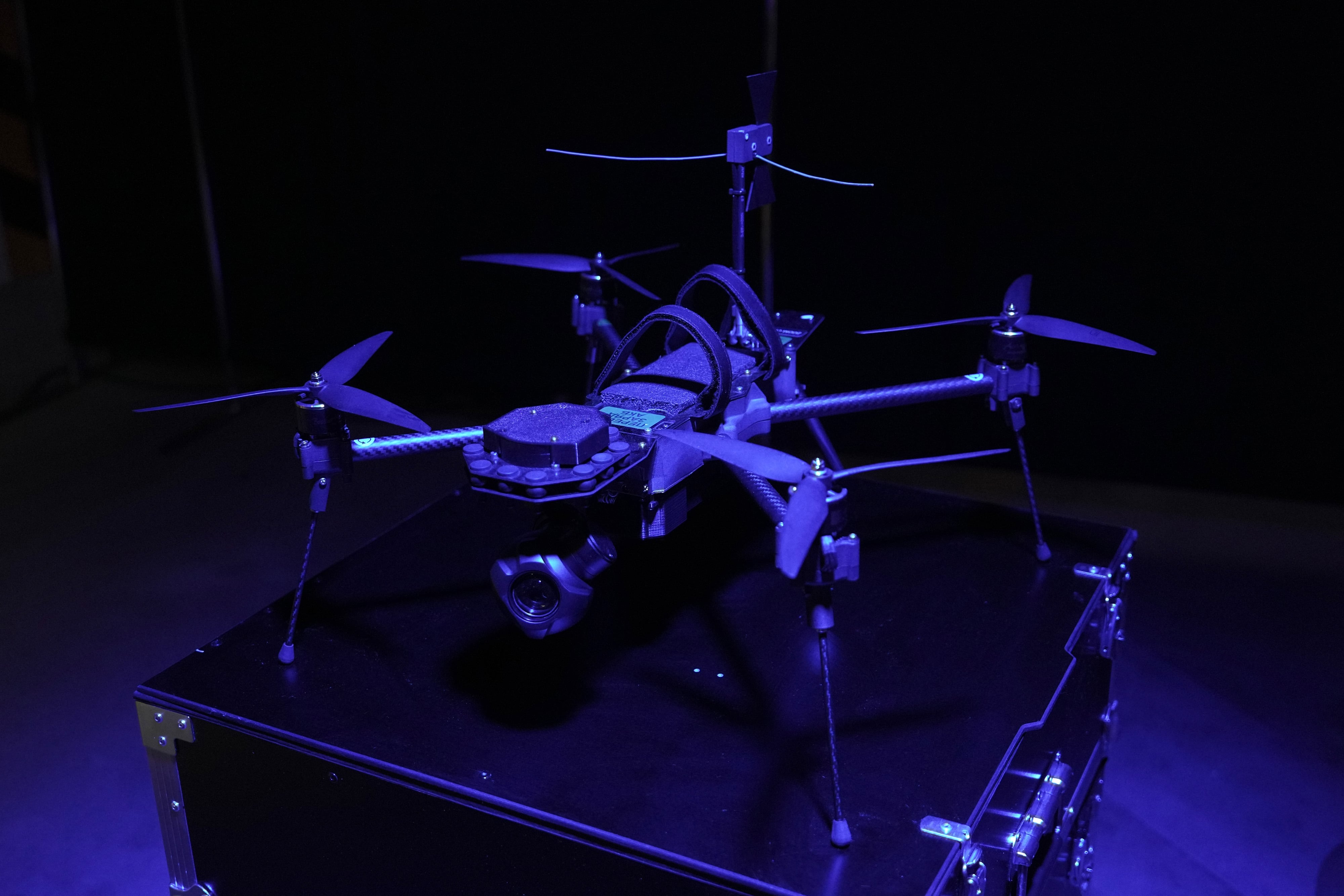
How do we gain this technological edge quickly with the budget that has just been proposed. Very specifically, the budget must support ISR capabilities that play a vital role in all defense and humanitarian missions. The HALE and MALE UAS market developments show this trend clearly. According to NSR's research for the last decade, satellite bandwidth for UAS operations cannot come from government resources alone. NSR's recent Unmanned Aircraft Systems via Satellite report predicts that commercial satellite capacity demand for UAS operations will increase significantly from 2013-23. How will the DoD manage this mounting demand knowing its own satellites will not fulfill this requirement? As the Government slowly overhauls the existing UAS designs and existing ground systems to possibly include Ka-band terminals for use with WGS, FSS Ku-band capacity will continue to support this growth as most UAS use this commercial frequency band. This looks fine, but consider that the Pentagon uses yearly, OCO funding for this capability.
Can the leaders at the Pentagon and in Congress see that this does not make strategic or fiscal sense? They must make the hard choices, most importantly collaborating closely with commercial industry, including satellite providers.
Many senior military leaders agree that they must follow this path. Testifying before Congress late last month, Lt. Gen. Mark Ramsay, the Joint Staff director for force structure, resources and assessment, said: "The big issue is there's certain things we have to do that are very protected, very secure, that may not have the bandwidth commercial satellites do; but we really are very much wedded to the commercial backbone, and I do see that increasing over time. But it's finding that right balance in the future."
ISR missions depend on large volumes of data that move between numerous points to support decision making, and ultimately, defeating the enemy. Satellite bandwidth enables nearly all missions so its role cannot be ignored. Next generation, advanced technology from commercial satellite operators is being deployed now to manage this new environment. High-throughput satellites will meet warfighter ISR requirements more efficiently and cost-effectively, as well as include an array of security and information assurance advances for resilience and reliability.
Will the DoD meet its technology challenges and fulfill its goals of maintaining air superiority? On its own, this seems like unlikely. By establishing formal commitments with trusted industry partners, this mission will be achieved. Support in the new contested environment and its aggressive adversaries will take bold strategy and innovative approaches, especially with plans for more ISR missions that will use advanced sensors requiring seemingly unlimited bandwidth.