-
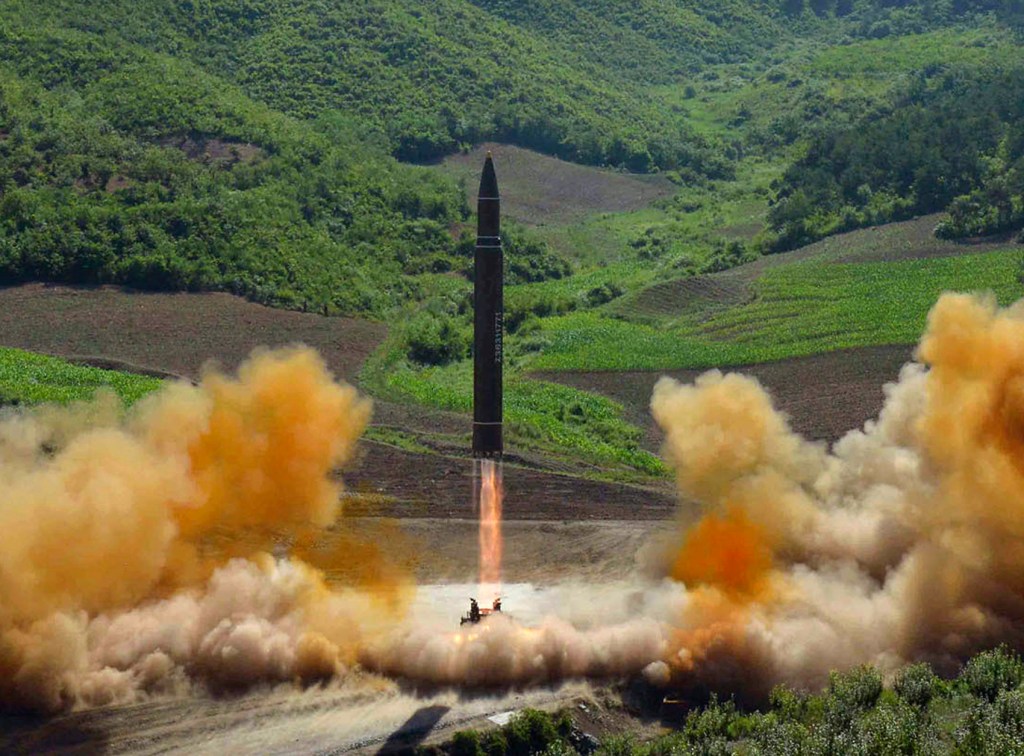
Russia’s radar shortcomings are a US problem now
A failure by Russian radars to see North Korean ICBMs could mean Russia detects missile interceptors fired by the United States as a unique threat, rather than a response to a launch by Pyongyang.
-
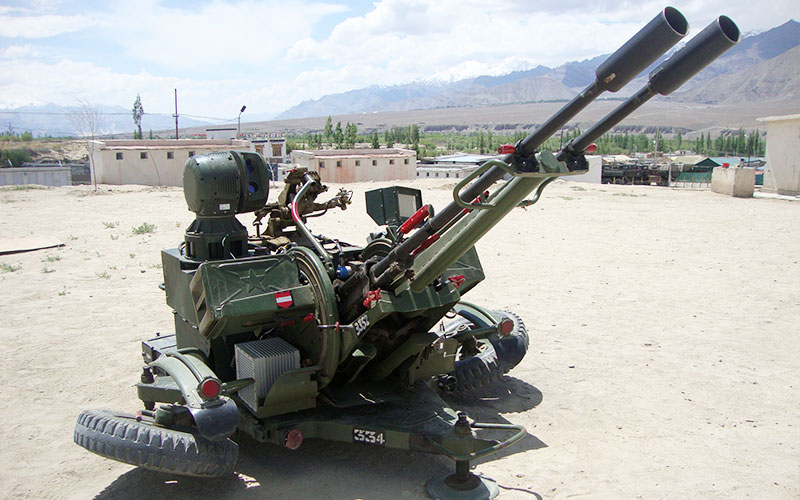
India to replace Russian air defense systems under $1.5B program
A limited tender has been issued to only domestic companies for the production of close-in weapon systems.
-
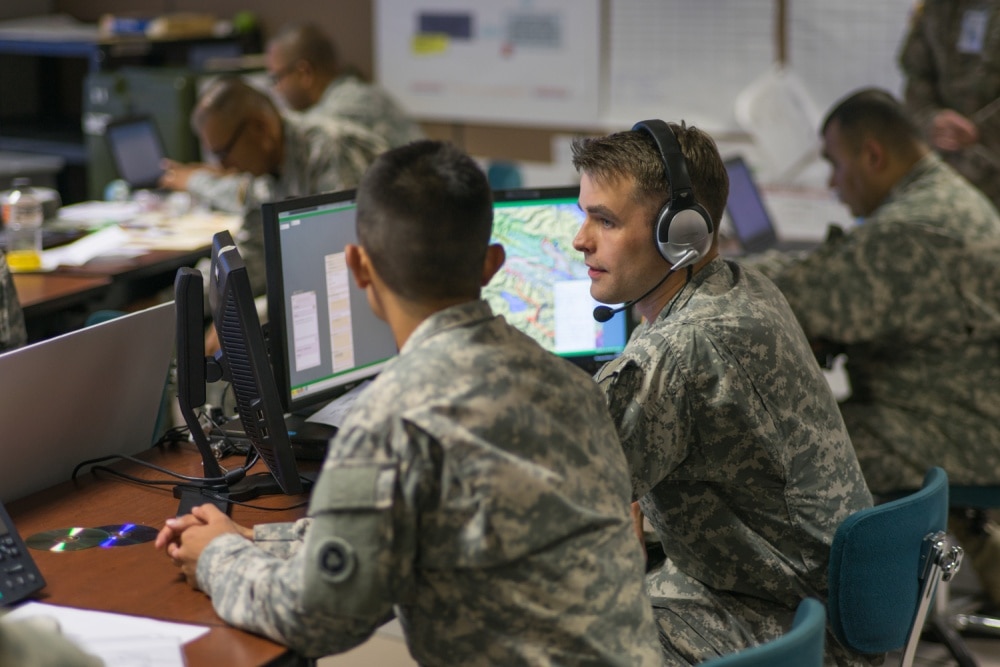
A new strategy for the Army’s $28 billion intel-sharing system
The new era of Distributed Common Ground System-Army involves emphasis on troop feedback, improved market research and better cooperation with industry, the program manager says.
-

How can the US keep up in artificial intelligence? Immigration
A RAND report cites immigration policy as a potential boon to helping the United States compete with other nations in AI.
-
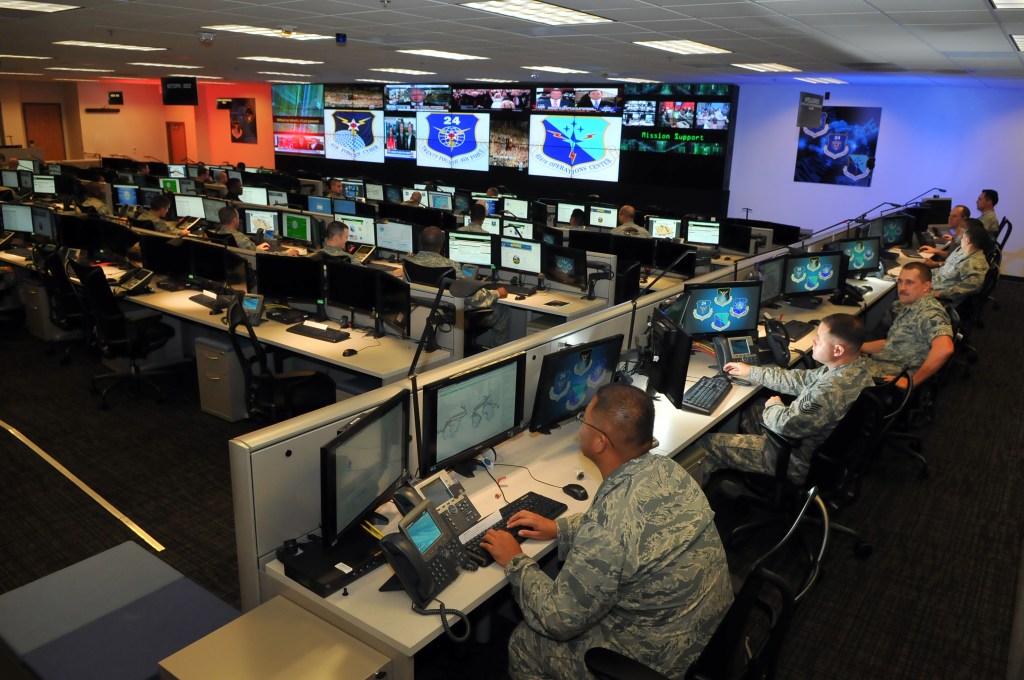
Why you’ll hear about a ‘cyber carrier’ in 2018
As Cyber Command looks to 2018, they will look beyond manning teams and instead focus on how to equip them.
-

What three of the year’s biggest defense stories looked like from space
Earth imagery, data and analysis company DigitalGlobe has released a collection of satellite images representing some of the most important and newsworthy global events of 2017.
-

After year-long vacancy, NSA gets new IG
Robert Storch replaces George Ellard, who was removed from NSA for retaliating against a whistleblower.
-

IARPA wants those foreign documents translated … and fast
The Intelligence Advanced Research Projects Activity awards four organizations language processing software contracts.
-

How the Marines are mobilizing forces for information warfare
The Marine Corps is using wargames and exercises to game how to operationalize their new information environment commands.
-

Gene editing has gone from supervillain scheme to national security concern
Gene editing was listed among several technologies identified in the recent National Security Strategy for further investment.
-
Russia’s radar shortcomings are a US problem now
A failure by Russian radars to see North Korean ICBMs could mean Russia detects missile interceptors fired by the United States as a unique threat, rather than a response to a launch by Pyongyang.
-
India to replace Russian air defense systems under $1.5B program
A limited tender has been issued to only domestic companies for the production of close-in weapon systems.
-
A new strategy for the Army’s $28 billion intel-sharing system
The new era of Distributed Common Ground System-Army involves emphasis on troop feedback, improved market research and better cooperation with industry, the program manager says.
-
How can the US keep up in artificial intelligence? Immigration
A RAND report cites immigration policy as a potential boon to helping the United States compete with other nations in AI.
-
Why you’ll hear about a ‘cyber carrier’ in 2018
As Cyber Command looks to 2018, they will look beyond manning teams and instead focus on how to equip them.
-
What three of the year’s biggest defense stories looked like from space
Earth imagery, data and analysis company DigitalGlobe has released a collection of satellite images representing some of the most important and newsworthy global events of 2017.
-
After year-long vacancy, NSA gets new IG
Robert Storch replaces George Ellard, who was removed from NSA for retaliating against a whistleblower.
-
IARPA wants those foreign documents translated … and fast
The Intelligence Advanced Research Projects Activity awards four organizations language processing software contracts.
-
How the Marines are mobilizing forces for information warfare
The Marine Corps is using wargames and exercises to game how to operationalize their new information environment commands.
-
Gene editing has gone from supervillain scheme to national security concern
Gene editing was listed among several technologies identified in the recent National Security Strategy for further investment.