-

$322M NGA cyber contract trains war fighters, protects their eye in the sky
NGA provides intelligence on geospatial imagery and mapping information, which is used by the U.S. military for planning and response for national disasters, combat, terrorist attacks and other events. But those assets are being threatened by cyberattacks as nation-states and non-nation actors attempt to disrupt or intercept that information.
-

One U-2 squadron wants to be the Silicon Valley of the Air Force
U-2 pilots at Beale Air Force Base may still be operating an aircraft designed more than 60 years ago, but they’re shopping for cutting edge tech to help augment their decade’s old mission.
-
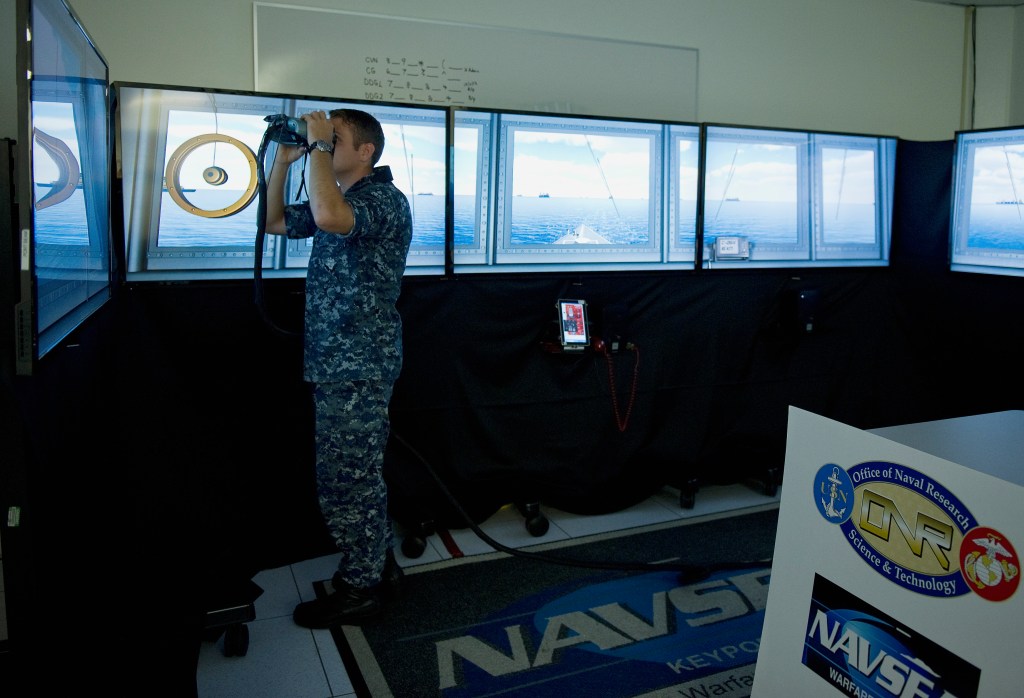
DoD spent $7.4 billion on big data, AI and the cloud last year. Is that enough?
Despite spending more than $7 billion in 2017 – a 32 percent increase over five years ago – anything short of a technological revolution could threaten the United States, according to a new report.
-

SPAWAR: Artificial intelligence should be the next space race
Chris Miller, executive director of SPAWAR Atlantic, said Dec. 6 that “whether we want to admit it or not, we’re in a competitive space to own this technology.”
-
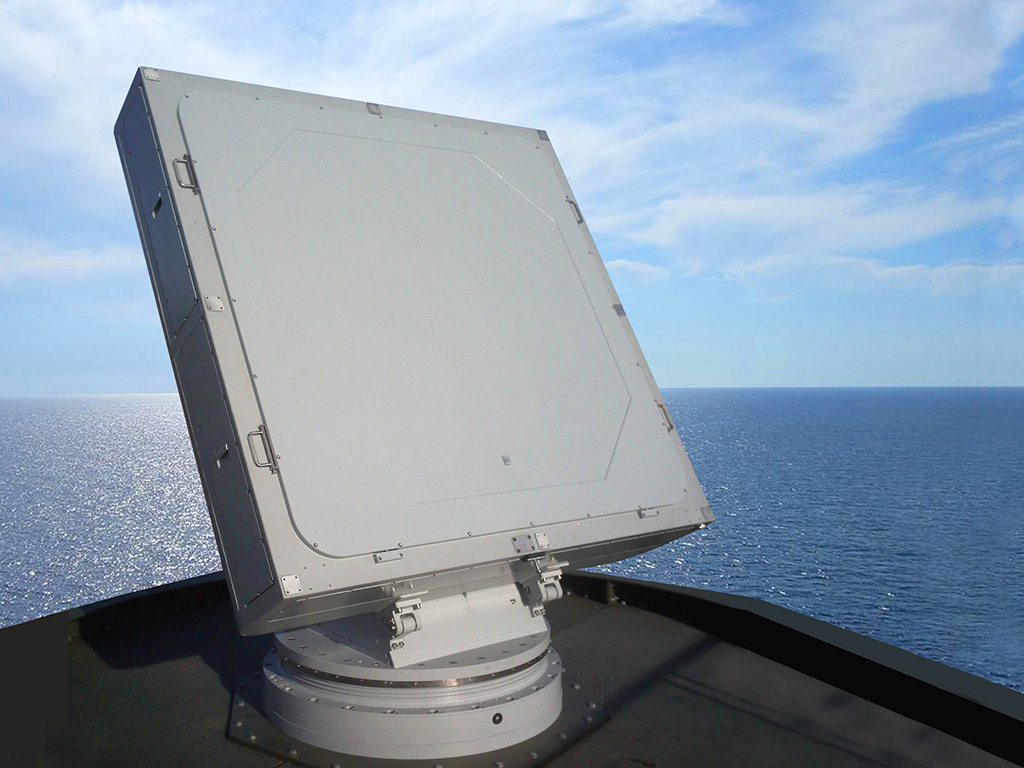
Leonardo works on ‘Europe’s first fully digital’ radar
Italy’s Leonardo is edging closer to producing a fully digital, active electronically scanned array radar — the only one of its kind in Europe according to the firm — with initial components now being manufactured.
-
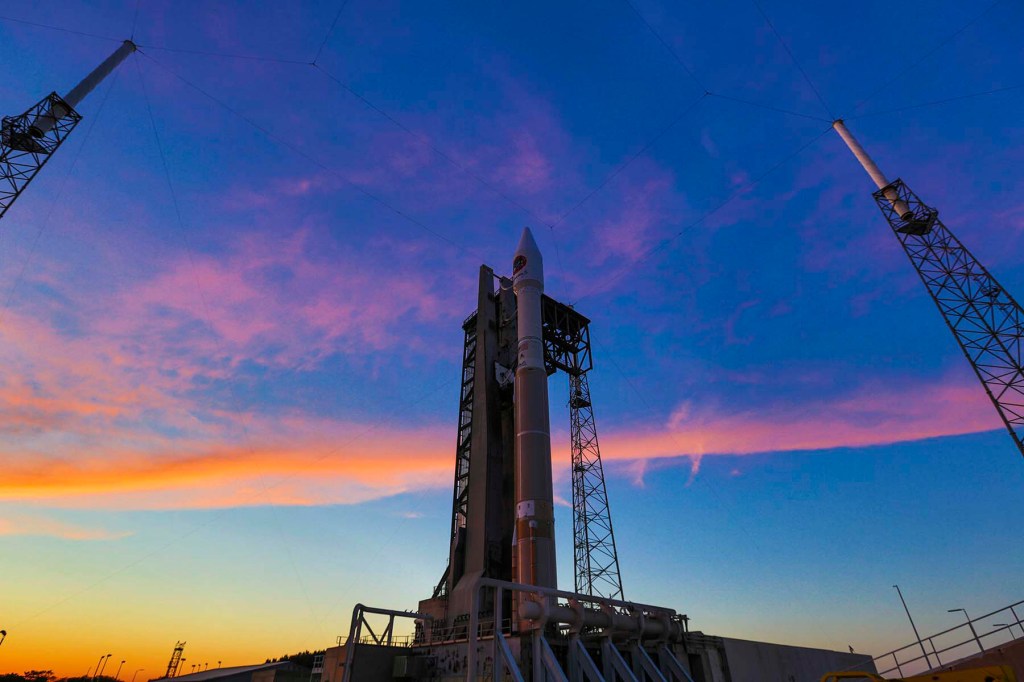
Key lawmaker vows to continue Space Corps fight
Rep. Mike Rogers, the architect of the Space Corps proposal, says he’s confident it will be implemented in next few years despite strong Air Force opposition.
-
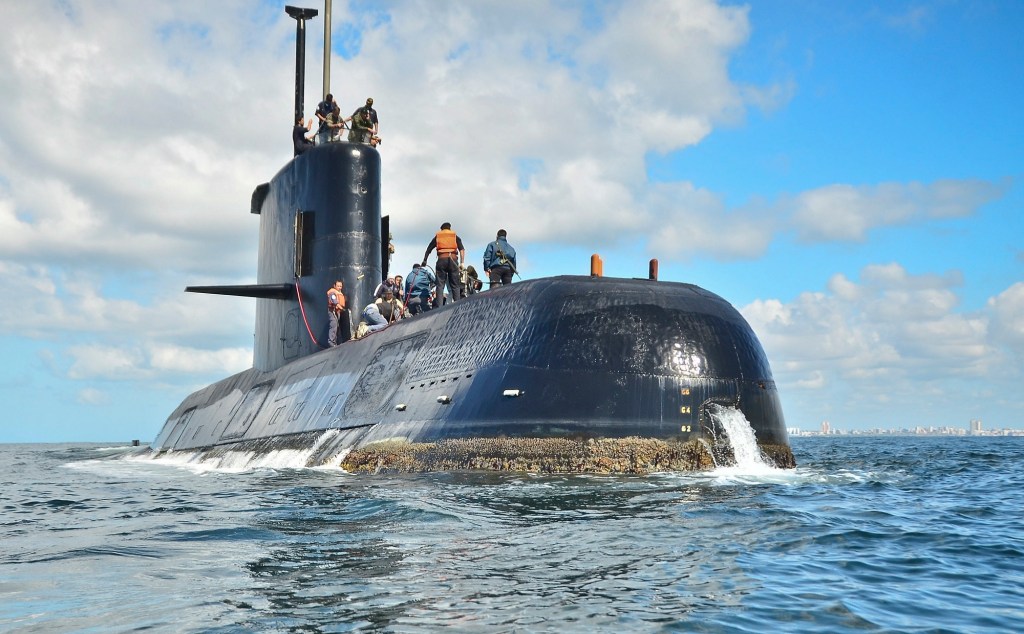
Argentina no longer looking for survivors from missing sub
Here is how countries came together with a multitude of technology in an effort to find the ARA San Juan.
-

Nuclear tests or corn harvests? Making sense of North Korea satellite imagery
Satellite images of North Korean missile testing sites or nuclear reactor facilities often show smears of yellow or befuddling brown objects. How do analysts know it’s not something nefarious?
-

Five Eyes test new tech in exercise for reducing urban combat risks
The exercise was held with the full support of the South Australian state government and utilized two recently vacated hospital buildings, creating a realistic challenge during several different scenarios.
-

Army hand-helds provide secure, tactical video on-the-go
xG Technology’s IMT Vislink business will provide the Army with hand-held intelligence, surveillance and reconnaissance receiver devices.
-
$322M NGA cyber contract trains war fighters, protects their eye in the sky
NGA provides intelligence on geospatial imagery and mapping information, which is used by the U.S. military for planning and response for national disasters, combat, terrorist attacks and other events. But those assets are being threatened by cyberattacks as nation-states and non-nation actors attempt to disrupt or intercept that information.
-
One U-2 squadron wants to be the Silicon Valley of the Air Force
U-2 pilots at Beale Air Force Base may still be operating an aircraft designed more than 60 years ago, but they’re shopping for cutting edge tech to help augment their decade’s old mission.
-
DoD spent $7.4 billion on big data, AI and the cloud last year. Is that enough?
Despite spending more than $7 billion in 2017 – a 32 percent increase over five years ago – anything short of a technological revolution could threaten the United States, according to a new report.
-
SPAWAR: Artificial intelligence should be the next space race
Chris Miller, executive director of SPAWAR Atlantic, said Dec. 6 that “whether we want to admit it or not, we’re in a competitive space to own this technology.”
-
Leonardo works on ‘Europe’s first fully digital’ radar
Italy’s Leonardo is edging closer to producing a fully digital, active electronically scanned array radar — the only one of its kind in Europe according to the firm — with initial components now being manufactured.
-
Key lawmaker vows to continue Space Corps fight
Rep. Mike Rogers, the architect of the Space Corps proposal, says he’s confident it will be implemented in next few years despite strong Air Force opposition.
-
Argentina no longer looking for survivors from missing sub
Here is how countries came together with a multitude of technology in an effort to find the ARA San Juan.
-
Nuclear tests or corn harvests? Making sense of North Korea satellite imagery
Satellite images of North Korean missile testing sites or nuclear reactor facilities often show smears of yellow or befuddling brown objects. How do analysts know it’s not something nefarious?
-
Five Eyes test new tech in exercise for reducing urban combat risks
The exercise was held with the full support of the South Australian state government and utilized two recently vacated hospital buildings, creating a realistic challenge during several different scenarios.
-
Army hand-helds provide secure, tactical video on-the-go
xG Technology’s IMT Vislink business will provide the Army with hand-held intelligence, surveillance and reconnaissance receiver devices.