U.S. Special Operations Command casts a wide net in the search for new technologies to give war fighters an edge.

Lisa Sanders is the director of science and technology for U.S. Special Operations Command within SOCOM Acquisition, Technology, and Logistics.
Photo Credit: Courtesy of SOCOM
Who determines your project pipeline?
We have an ongoing relationship with our user community: We have operators who represent them at each of the service components. All of our components have a voice. Our theater special operations command, which are based upon geographic regions, all have a voice in our process. And we also get input from our program offices within SOCOM. If they have an upcoming capability gap because of obsolescence or for other reasons and they need some science to work through a problem, they will tell us about that gap.
So those are the major bottom-up goals, coming from the war-fighter community. We also implement a top-down look, where we look at the strategy of the organization and identify the things we need to achieve that strategy in the future environment.
That's where we get to game-changing, revolutionary technologies. In that conversation we also work with technology providers from the industry side, from government developers, and from academia. The real magic happens when we have a problem that pairs with one of those potential technologies.
Can you give us peek at the cutting-edge stuff?
One of the things we are seeing as we move from counterinsurgency that we have been doing, as we look forward, we are looking at a higher level threat environment. We're looking at operating against peers or near-peers, people who have equally high technology capabilities.
In there, some of the things we think will leap ahead would be things like different ways to achieve what we get from GPS today — precision navigation and timing. Right now we have that because our GPS signal is available to use. In a future fight, a peer or near-peer adversary could degrade that.
What are some other emerging issues?
Our command and control networks right now have a [recognizable] signature. If we are working against a peer or near-peer, we want to be able to conduct that command and control in a contested environment.
Any recent big wins?
We have the shark bite wound dressing: That is going into Special Forces combat medic kits beginning this year, and we fully expect it will transition to the general purpose service and even the general public. It uses advanced clotting technology and it works against a large, irregular area. Imagine if a shark bites you. Trying to stop that bleeding is very difficult: It's a large surface, it's irregular and you can't get a lot of compression. With this material you can cover that and it stops the blood without the need for compression.
Our operators work in austere environments at a far distance from robust casualty care, so we want to provide medics with greater capabilities to keep our operators safe and alive in that environment. That will be important to us in the future.
How do you view the role of technology in support of special operations?
Because my office is linked directly with the special operational war fighter, it creates an opportunity to identify problem areas where we can apply technology to address their needs. Take for instance the areas of night vision optics. We started that early capability and our operators came back requiring additional clarity, additional field of view, additional depth.
Likewise, we are still working on color night vision. If you are disabling an explosive device the ability to see red from green does matter. We can articulate that need and put technology in the hands of users quickly. Based on their feedback it often transfers to the more general forces.
So technology can be a significant driver?
Yes, but technology for technology's sake doesn't achieve that aim. The reason we are so successful is that we focus on technology that is oriented to improving a specific war-fighter capability gap.
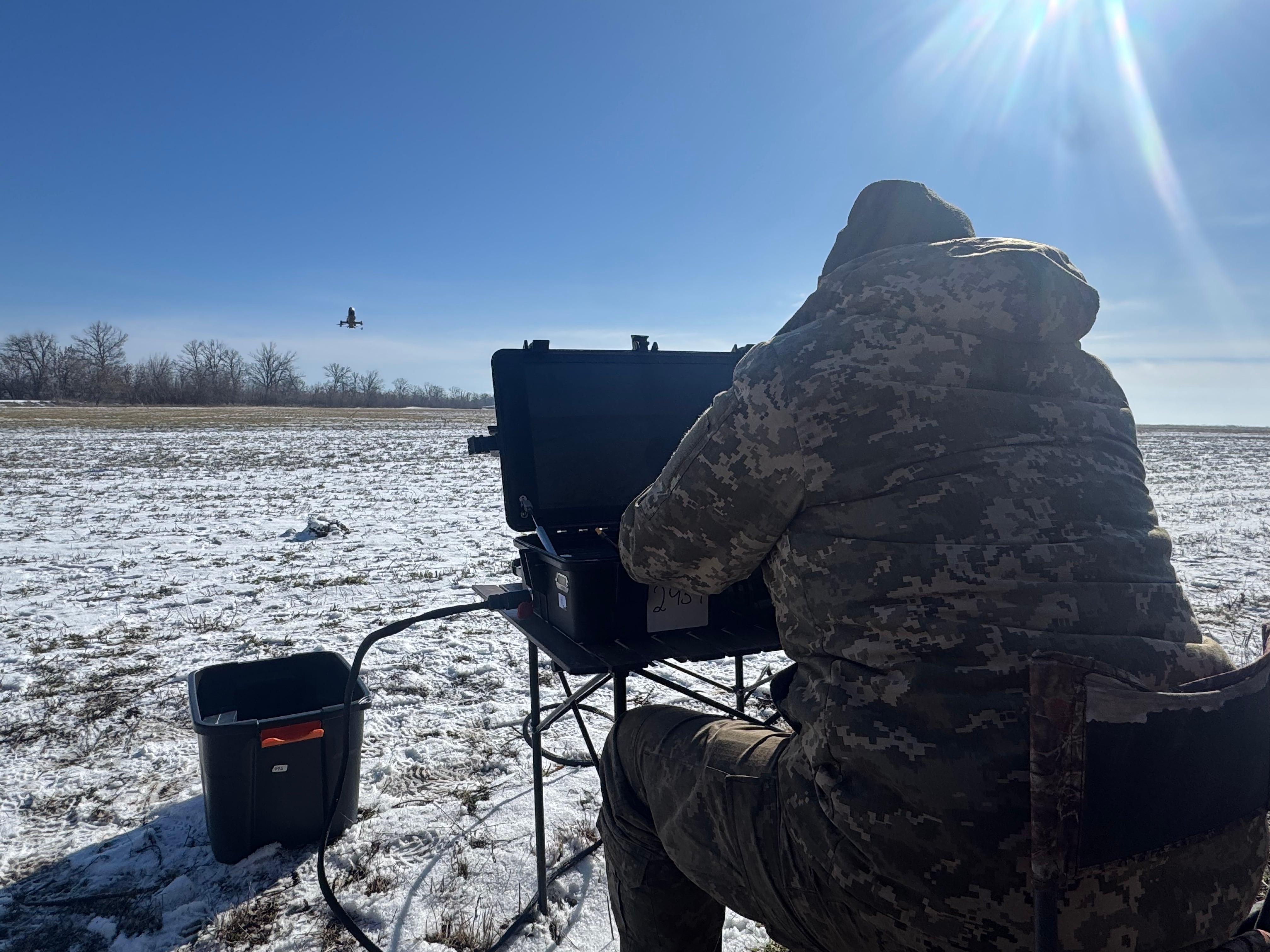
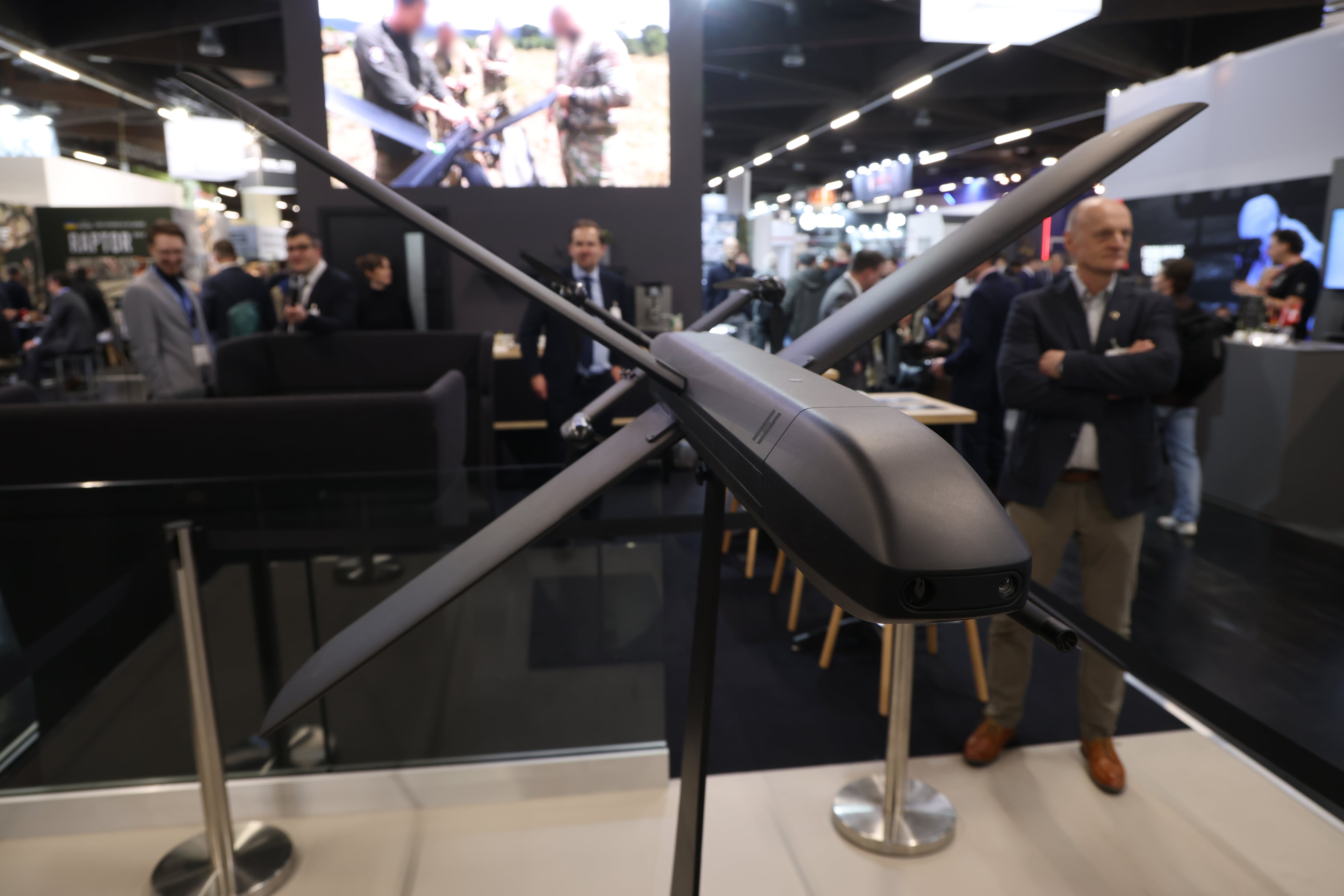
Tactical unmanned aerial systems, that's a place where special operations led the way and it changed the way we do things. Mobile ad hoc networks. That is central to the [command, control, communications, computers and intelligence] world, and special ops was an early generator and adapter. Same with combat medical devices. It's all about having technology with a specific purpose.