-

Cyberattack wave in Ukraine linked to Russia’s GRU, Microsoft says
“While it has not been the most successful Russian actor,” Microsoft said in a blog post, “Cadet Blizzard has seen some recent success.”
-

Lawmakers seek study of long-distance hypersonic testing ‘corridors’
A lack of test ranges and other infrastructure is a significant limiting factor in the U.S. Department of Defense’s development of hypersonic systems.

Featured:
Home
C4ISRNET is the premier content destination for defense and government communities to stay connected to technology and network innovations to ensure information dominance.
-

The Pentagon wants industry to transform again to meet demand. Can it?
In 30 years, the Pentagon went from a defense industry it considered too large to sustain, to one now too small to surge.
-
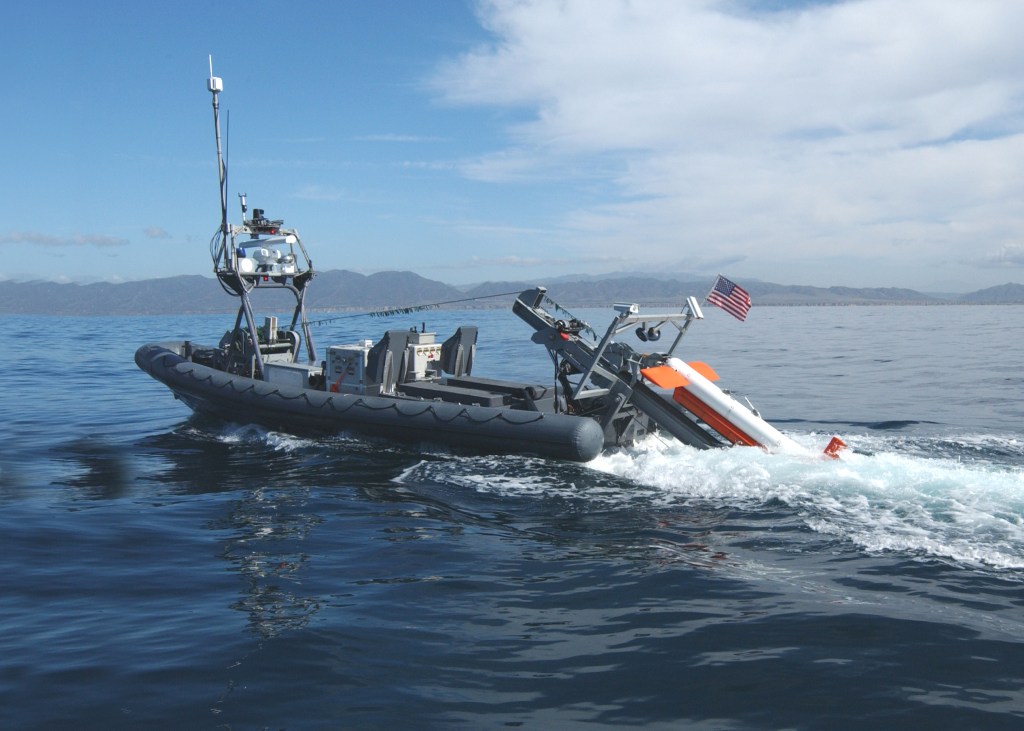
Northrop Grumman demos mine-hunting sensor for British
Northrop Grumman has demonstrated its new AQS-24B towed mine-hunting sensor during the Royal Navy’s Unmanned Warrior exercises.
-

Raytheon to develop more advanced surveillance radar for warships
Company officials say the technology for the new radar will draw from capabilities already being developed for the Navy’s Arleigh Burke-class guided-missile destroyers.
-

Airbus and DCNS team up for French naval drone
Airbus Helicopters and French naval defense contractor DCNS are teaming up to develop France’s Naval Aerial Drone system.
-
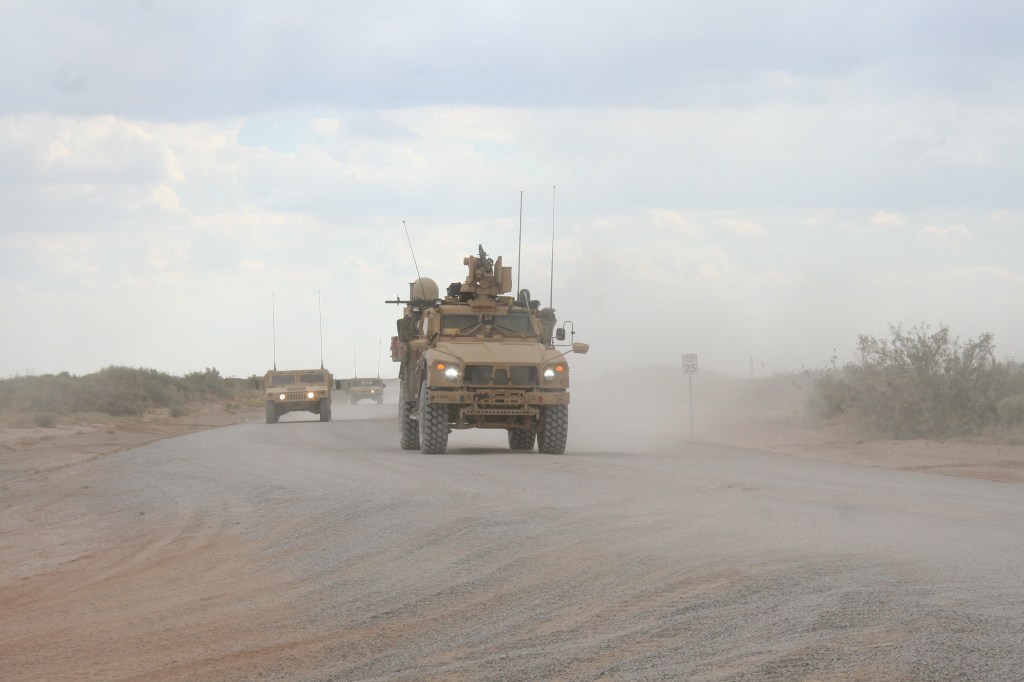
Army’s IT must be more maneuverable across domains
As the Army is moving toward the notion of multi-domain warfare, the force must be more agile to combat attacks against the network.
-
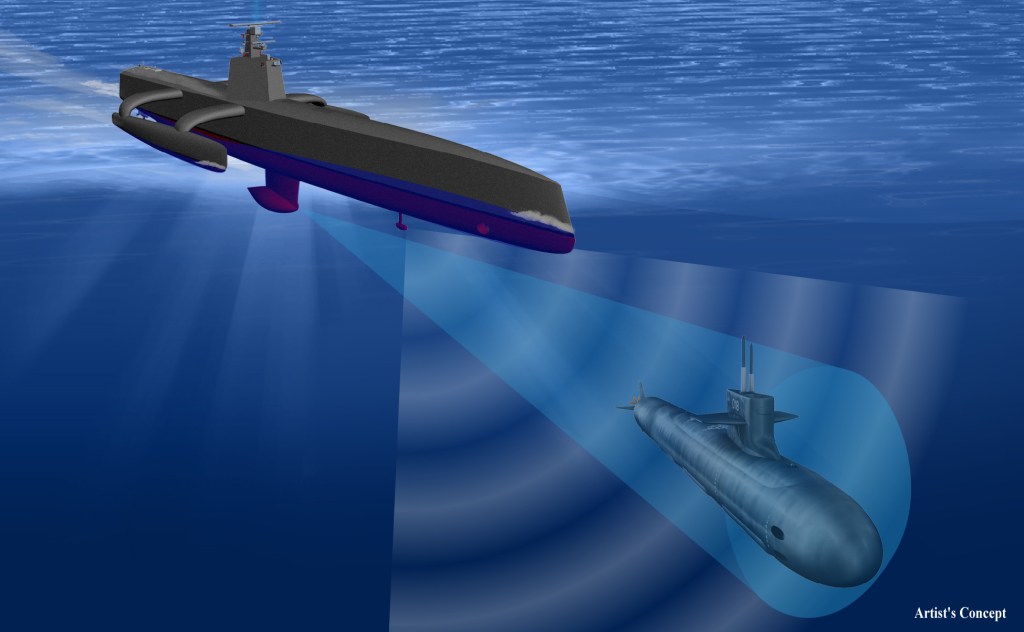
Robot warship tests hang-gliding sensor
DARPA’s robot warship has tested another interesting device: a sort of hang-gliding sensor.
-

Marine Corps deputy CIO asks for help, outlines C2 strategy
Kenneth Bible, deputy CIO for the Marines Corps, outlined where he needs help from industry and described three goals of a new command and control strategy.
-

Army general: Don’t just focus on ‘the network’
Gen. Karl Gingrich, assistant program executive officer for operations, readiness and fielding at PEO C3T, offered a few thoughts on the Army’s network modernization efforts.
-
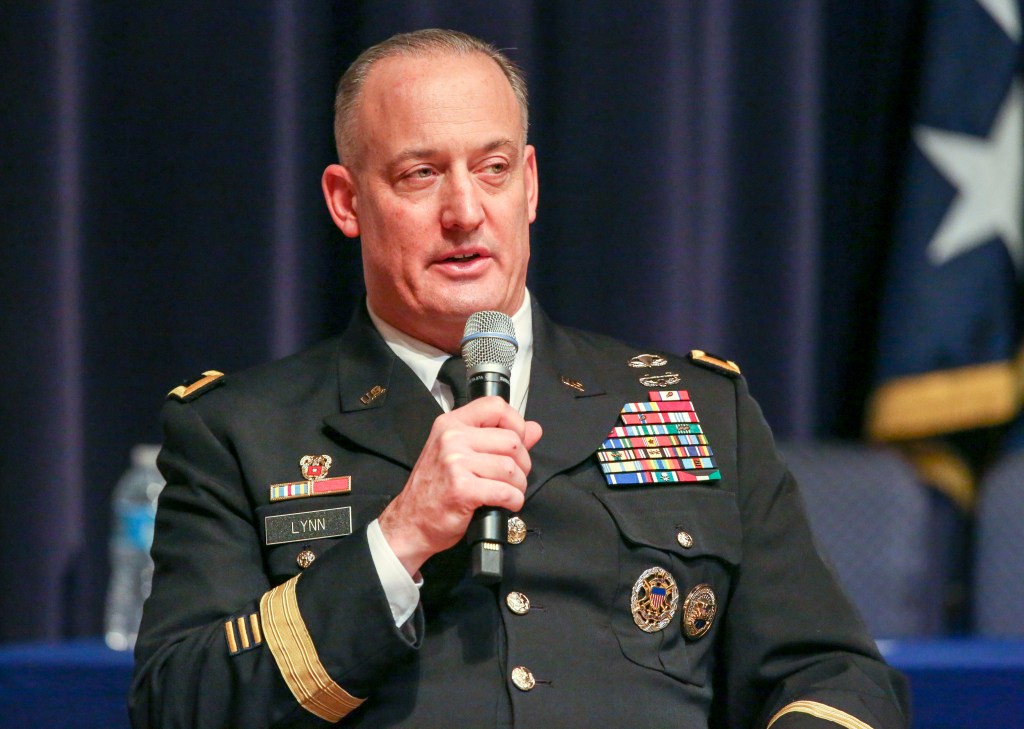
DISA director: Military still figuring out how to fight in cyberspace
Lt. Gen. Alan Lynn said DoD still has work to do to protect networks from cyberattacks.
-

Signs of hope for innovation
Senior Army leaders publicly acknowledged that the biggest challenge remains the Army itself.
-

Navy demonstrates common drone-control system
The Navy has demonstrated a common drone-control system that can manage multiple unmanned aircraft across different services.