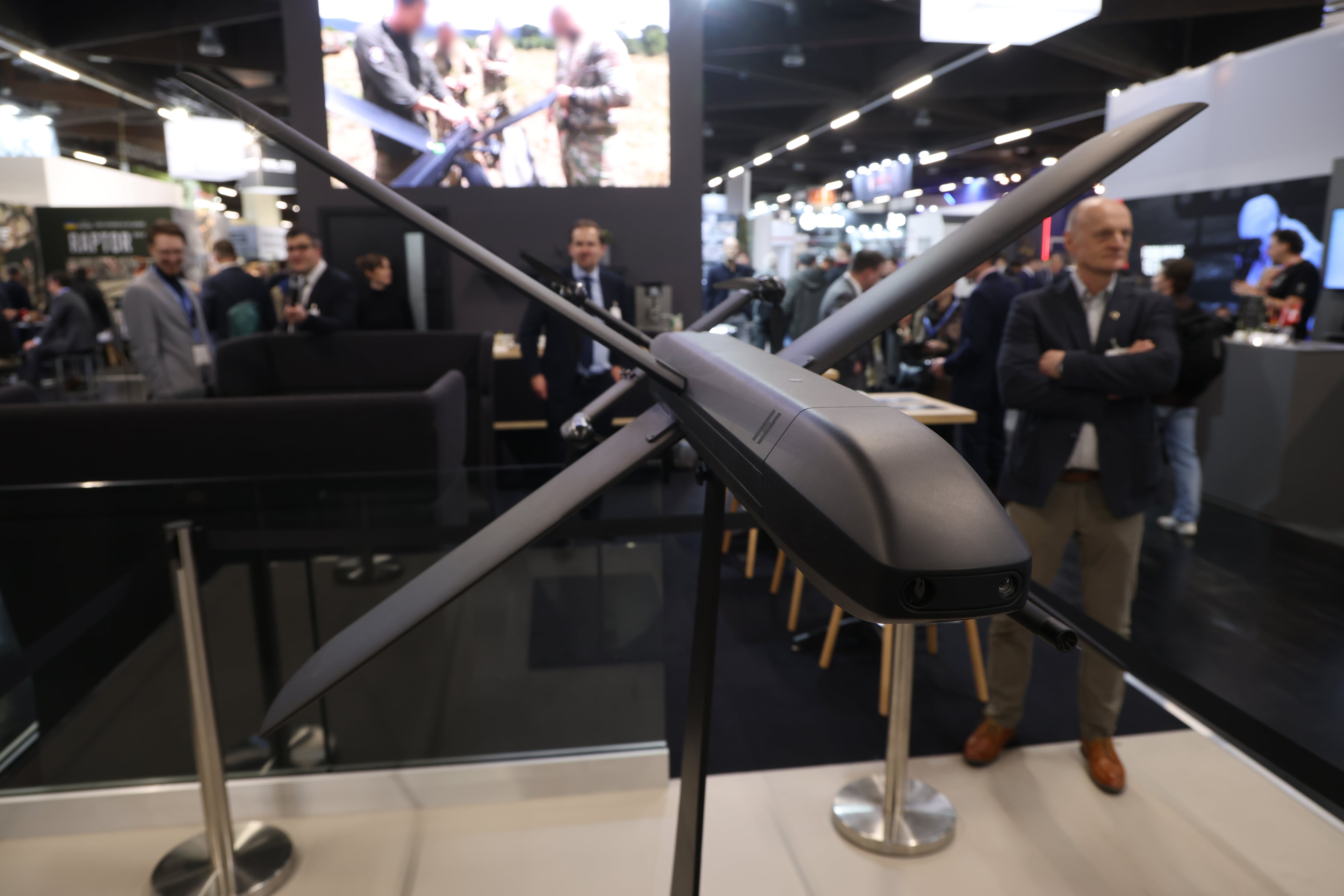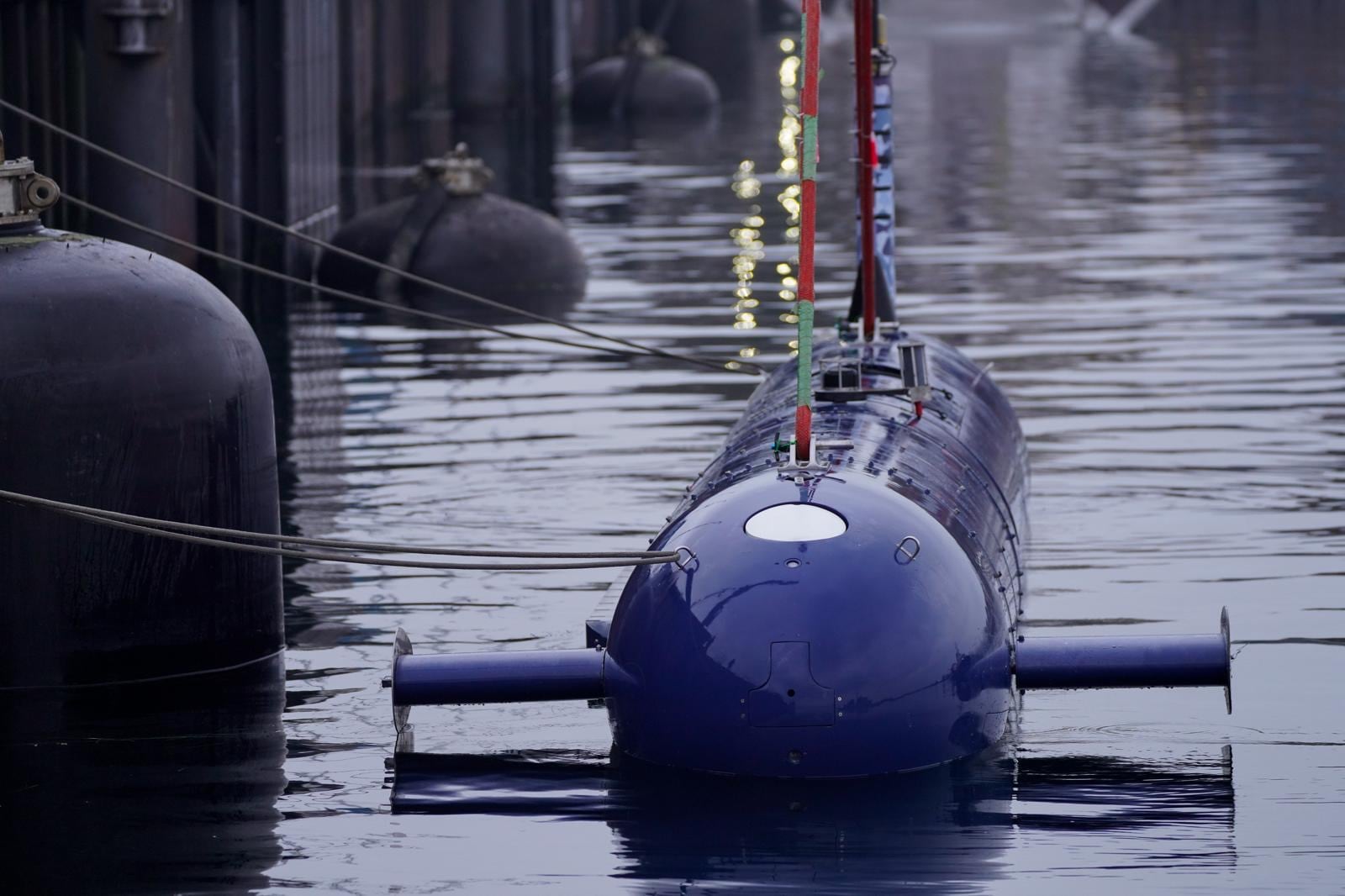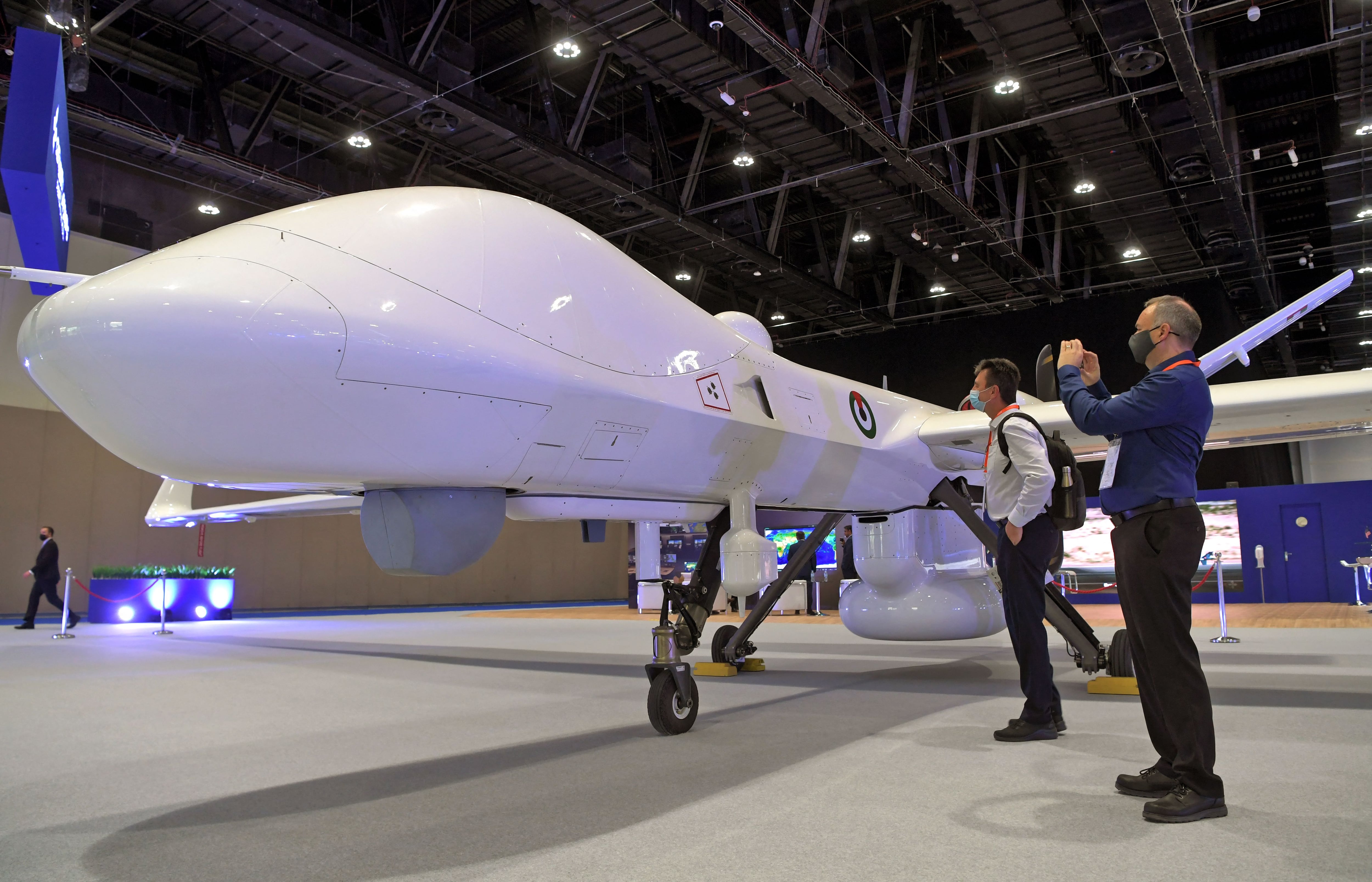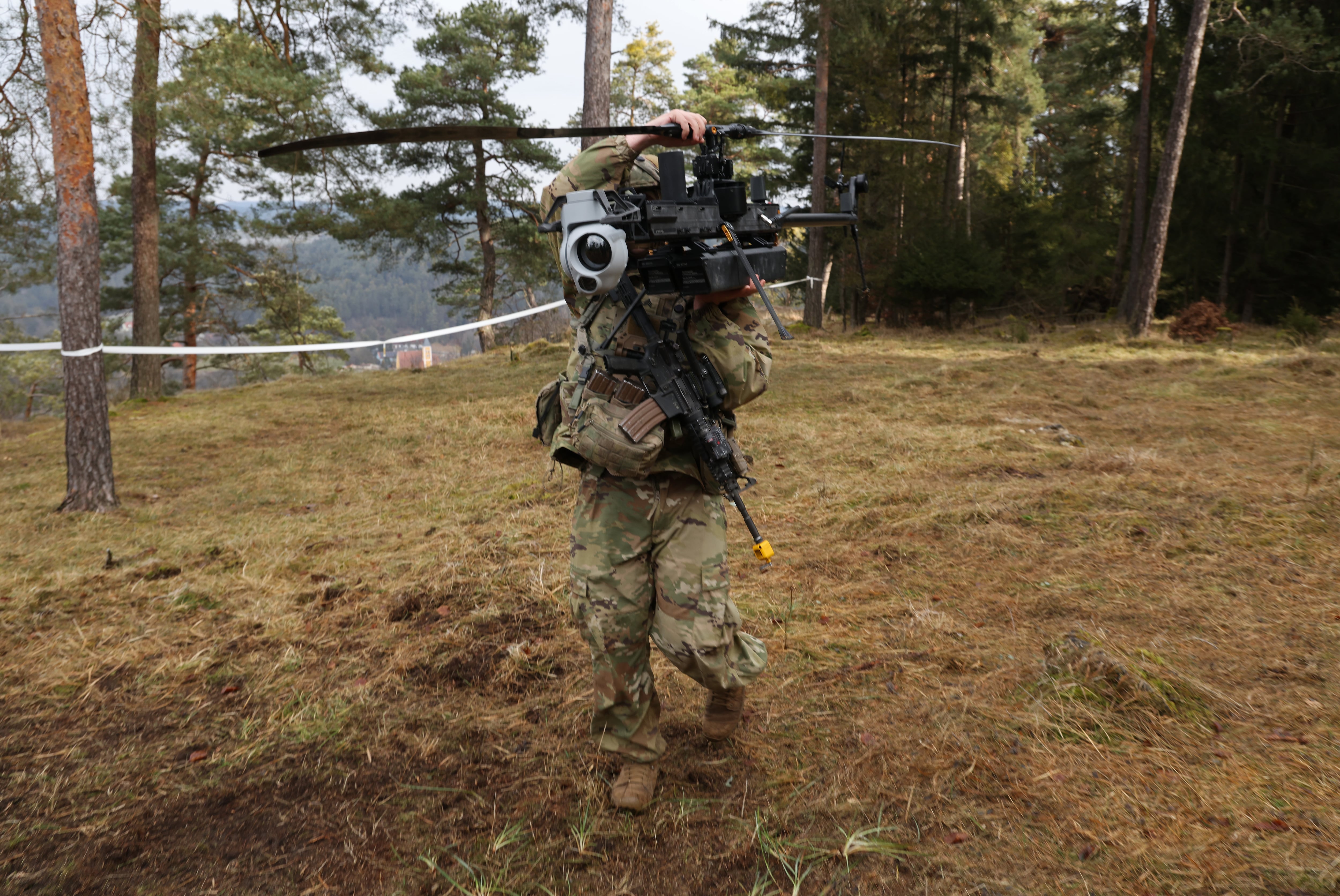
WARSAW, Poland — Poland is working to expand its cooperation with Silicon Valley-rooted U.S. defense tech companies such as Palantir and Anduril, eyeing new unmanned and artificial-intelligence capabilities as well as local production of cruise missiles.
The move comes in addition to Warsaw fostering ties with traditional American defense titans like Lockheed, from which Poland is purchasing fighter jets, tanks, helicopters and missiles.
Russia’s invasion of Ukraine has pushed the government to boost its defense spending and accelerate acquisitions of new weapons and gear for the armed forces. With the Polish 2025 military budget expected to reach an unprecedented level in the nation’s history, at 4.7% of GDP, or PLN 186.6 billion ($51.1 billion), the two U.S. tech firms are joining an expanding lineup of defense groups supplying their products to Warsaw.
Poland is seeking additional funds for military purchases, with the European Union recently allocating some €43.7 billion ($50.7 billion) in low-cost loans for Poland’s defense acquisitions under the bloc’s Security Action For Europe (SAFE) scheme. In the coming years, unmanned technology will be one of the priorities of the Polish Ministry of National Defence in the field of military procurement, according to senior government officials.
Speaking at a Nov. 20 session of the National Defence Committee of the Sejm, the parliament’s lower chamber, Polish Deputy Defence Minister Cezary Tomczyk said the ministry aims to spend at least PLN 15 billion ($3.5 billion) on unmanned systems and anti-drone solutions over the next three years. At the same time, the ministry is intensifying its investments in AI with this year’s launch of the AI Implementation Center for the Polish military.
On Oct. 27, the Polish ministry and Palantir signed a letter of intent to implement the company’s solutions in AI, information technology and cybersecurity in Poland’s military units. On the same day, the country’s state-run defense group PGZ signed an agreement with Anduril to cooperate on autonomous and missile systems.
A spokesperson for the Polish ministry told Defense News the letter of intent with Palantir is an extension of the workshops and exercises that allowed defense officials to evaluate AI-based automation tools for the country’s military.
“The modern battlefield and the state-of-the-art combat equipment being introduced into service, combined with sensors, generate enormous amounts of data,” the spokesperson said. “With such a rich data pool, human perception, without automation, is unable to conduct effective analysis.”
Palantir’s wares, the hope goes, will help commanders make sense of it all.
Experts from the Polish military are to implement Palantir’s tools into their activities, “ensuring full control over the security of the production environment and integrated information resources,” the defense spokesperson said. No “external entities” would be required to run the systems, meaning Poland is expected to retain control of all data being processed, they added.
During the official signing event for the letter of intent here, Palantir CEO and co-founder Alex Karp said his company is interested in investing in Poland partly to develop dual-use technologies.
In a social media post, Palantir said the letter of intent paves the way for the company’s “AI-enabled defense technology to begin rapidly supporting the country’s armed forces, as they innovate at the forefront of an increasingly complex threat environment and strengthen Poland’s position as a sovereign leader in defense.”
In the United States, Palantir’s business with the Defense Department has grown substantially since 2019. That year, Palantir won in a heated competition with Raytheon, the company now branded as RTX, a U.S. Army contract to supply a new tactical version of its flagship intelligence analysis platform, Distributed Common Ground System-Army, or DCGS-A.
Alongside the defense ministry’s strengthened cooperation with Palantir, Poland is also positioning PGZ, which supplies the vast majority of its output to the Polish military, as the local partner for Anduril Industries.
PGZ’s October 2025 memorandum of understanding with Anduril follows the June visit of its CEO and co-founder Brian Schimpf to Warsaw. During a June 9 press briefing in the Polish capital, Schimpf said Anduril is interested in ramping up its presence in Poland through partnerships with local industry players.
Under the October agreement, PGZ and Anduril will jointly develop and produce in Poland a variant of the Barracuda-M medium-range turbojet-powered cruise missile. This is to provide the country’s military with access to a new type of unmanned strike capabilities, but also develop the Polish defense industry’s AI prowess, the state-owned group said in a statement.
Anduril says its Barracuda range comprises “air-breathing autonomous air vehicles” that are “purpose-built for hyper-scale production and mass employment.”
“Working with PGZ to localize production of the Barracuda demonstrates how allied industry and sovereign suppliers can deliver rapidly scalable, affordable capability to deter aggression,” Brian Moran, the vice president of Anduril Europe, was quoted in the statement.
Jaroslaw Adamowski is the Poland correspondent for Defense News.