-
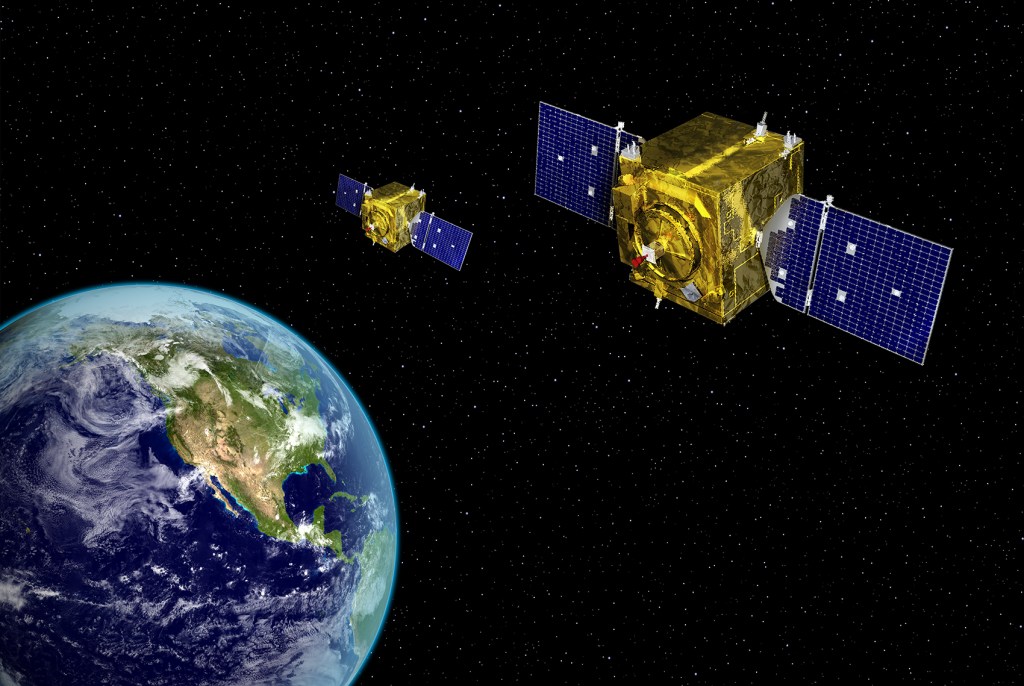
The Pentagon is looking for a quantum space sensor
A quantum space sensor could provide essential location data for space vehicles operating beyond the reaches of GPS.
-

Space Command sticks with LinQuest for support
A new one-year contract will ensure the company that helped stand up U.S. Space Command last year will continue to help it develop.
-

Space Force picks launch provider for 44 technology demonstration satellites
This is the first task order under Orbital Services Program-4, an effort to utilize the growing commercial small launch market to launch America’s small satellites.
-
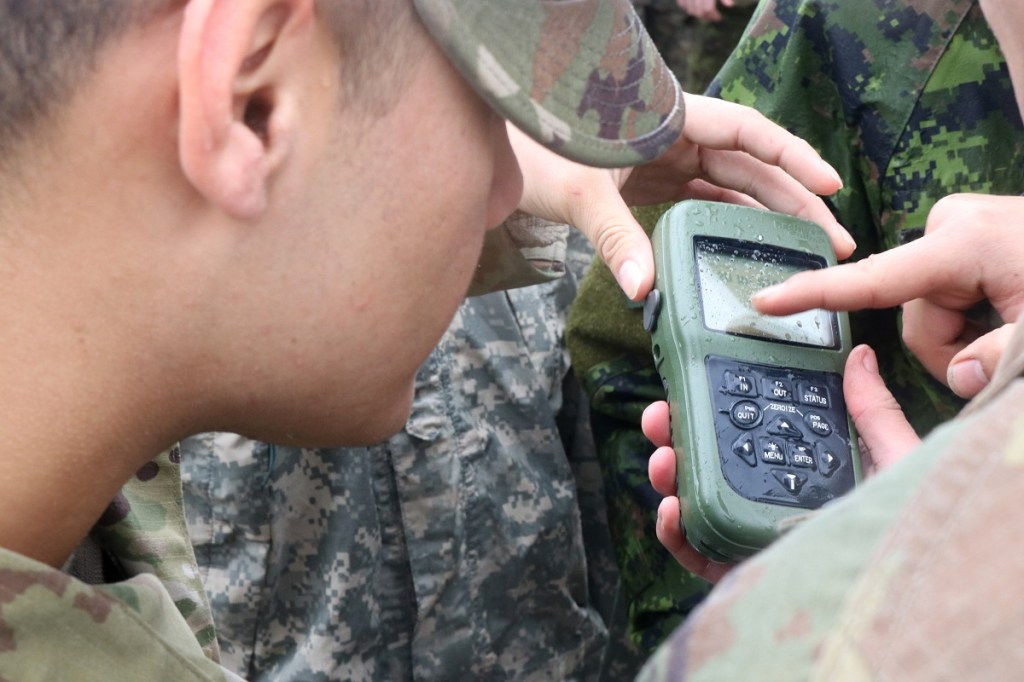
Is your GPS equipment vulnerable to spoofing? The government wants to test it.
As the threat posed by GPS spoofing grows, the U.S. government is keen to make GPS-reliant equipment more resilient.
-
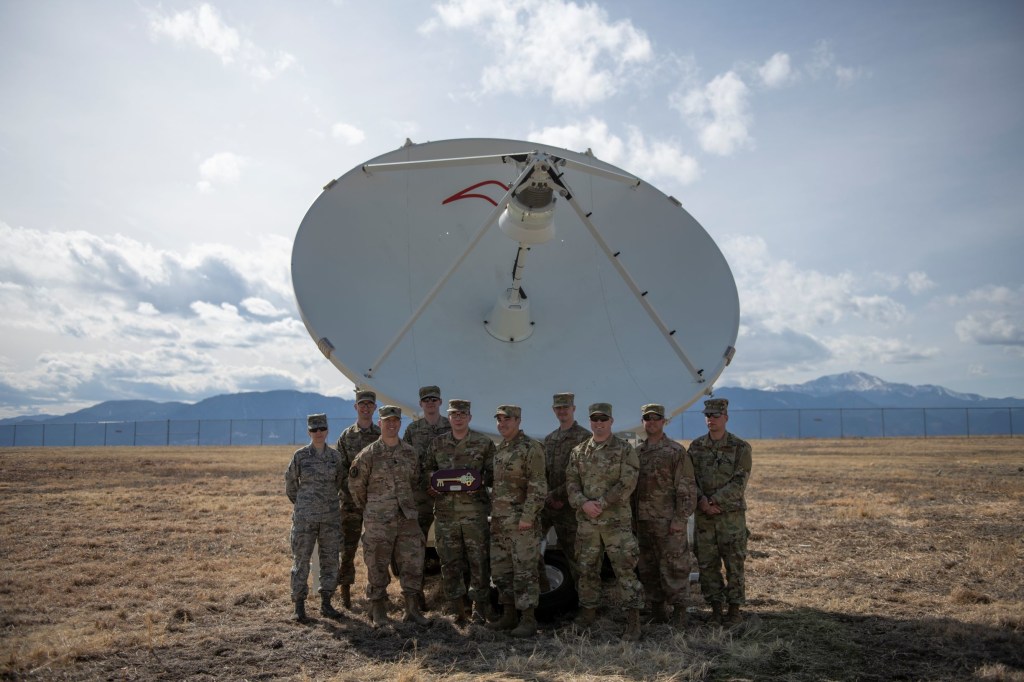
This is what the Space Force will use to jam enemy satellites
Little is known about the Space Force’s first offensive weapon, but the next-generation variant is already in development and is expected to be smaller and more capable.
-
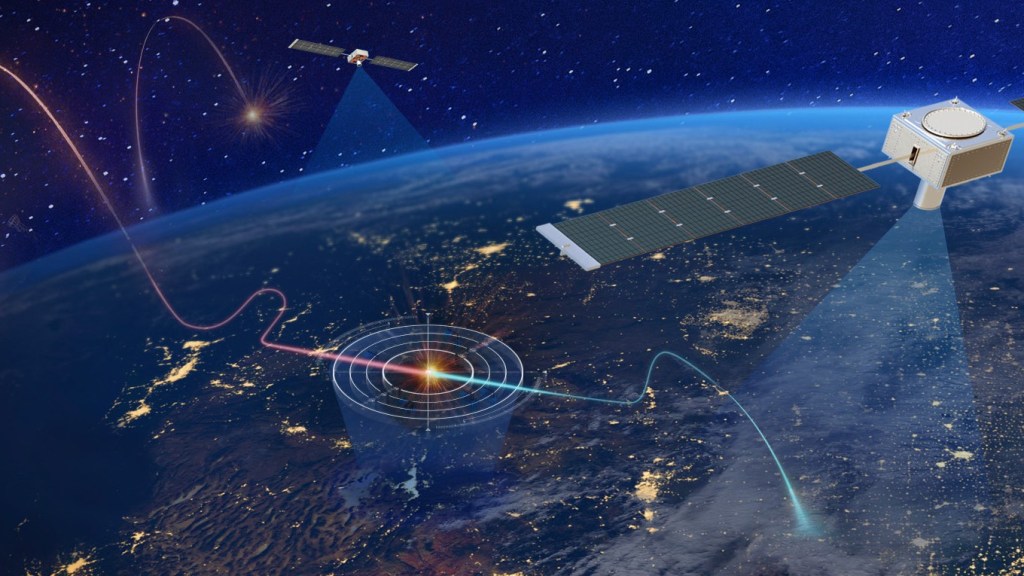
Three obstacles are slowing space sensors for hypersonic threats
Three obstacles impede progress on America’s ability to track both emerging hypersonic missiles and today’s ballistic missile threats.
-
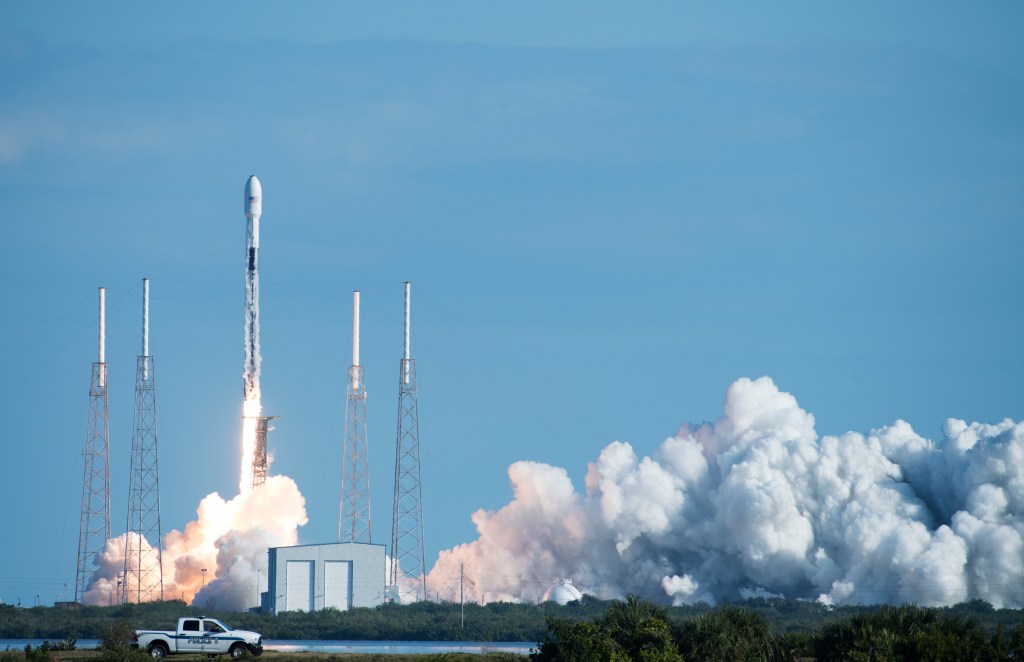
Space Force delays GPS 3 launch to minimize COVID-19 exposure
The Space Force says that they can delay the launch without suffering coverage or capability gaps from the current GPS constellation.
-

The launch of three US spy satellites is delayed due to COVID-19
The National Reconnaissance Office’s Don’t Stop Me Now mission is on pause, though it still anticipates launching into orbit aboard an Electron rocket from Rocket Lab’s New Zealand launch site.
-
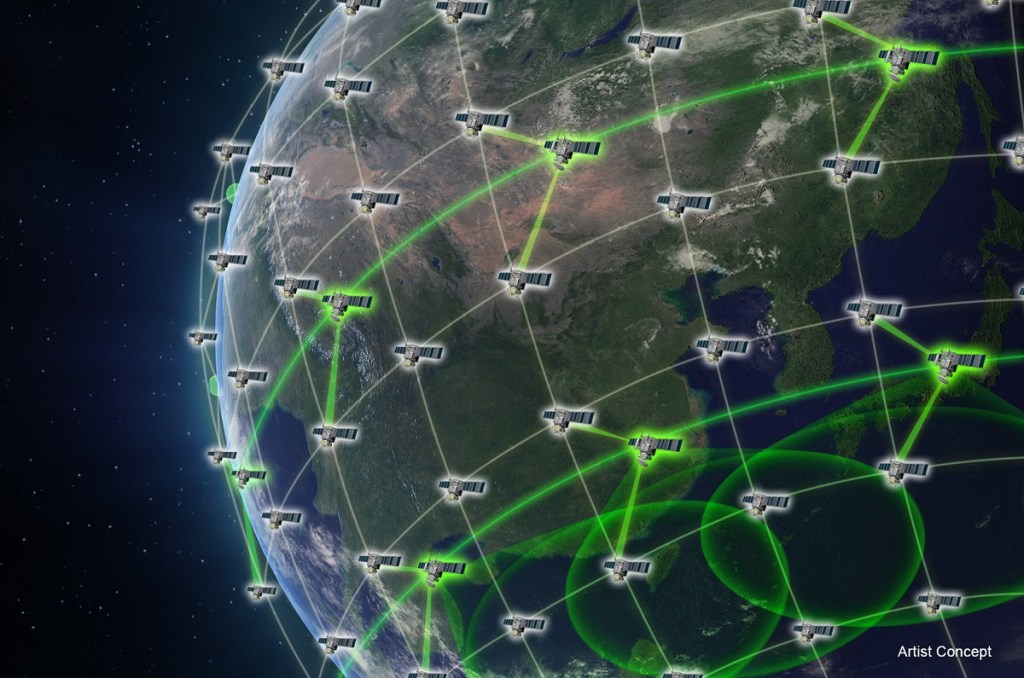
The Pentagon will solicit its first mesh network in space May 1
The Space Development Agency expects to award contracts for an initial space-based mesh network in August.
-
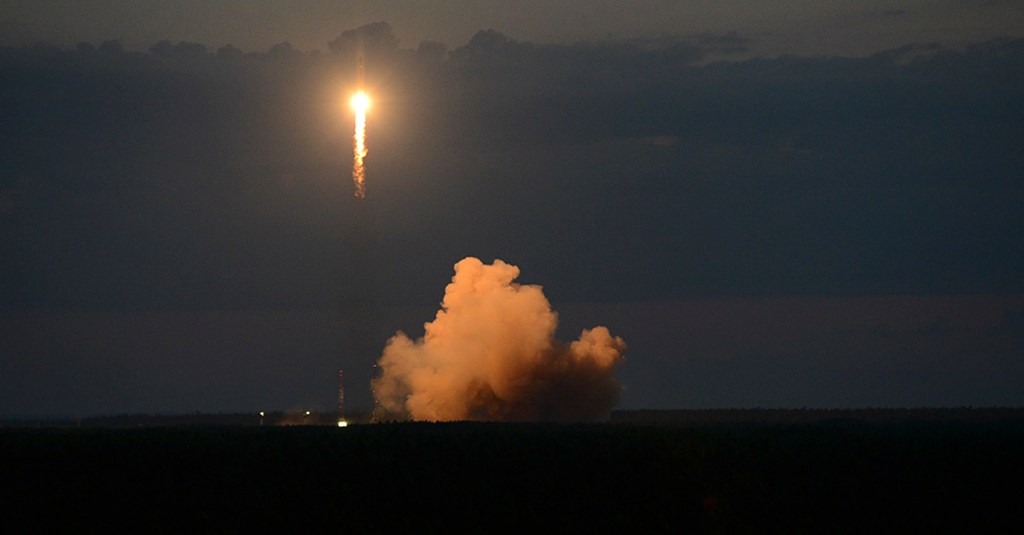
Russia is behind in military space capabilities, but that only drives its appetite
Russia is working to expand its anti-access/area denial approach in outer space in the form of electronic warfare, increasing sustainability of its communication systems, and developing offensive capabilities against ground-based space infrastructure.
-
The Pentagon is looking for a quantum space sensor
A quantum space sensor could provide essential location data for space vehicles operating beyond the reaches of GPS.
-
Space Command sticks with LinQuest for support
A new one-year contract will ensure the company that helped stand up U.S. Space Command last year will continue to help it develop.
-
Space Force picks launch provider for 44 technology demonstration satellites
This is the first task order under Orbital Services Program-4, an effort to utilize the growing commercial small launch market to launch America’s small satellites.
-
Is your GPS equipment vulnerable to spoofing? The government wants to test it.
As the threat posed by GPS spoofing grows, the U.S. government is keen to make GPS-reliant equipment more resilient.
-
This is what the Space Force will use to jam enemy satellites
Little is known about the Space Force’s first offensive weapon, but the next-generation variant is already in development and is expected to be smaller and more capable.
-
Three obstacles are slowing space sensors for hypersonic threats
Three obstacles impede progress on America’s ability to track both emerging hypersonic missiles and today’s ballistic missile threats.
-
Space Force delays GPS 3 launch to minimize COVID-19 exposure
The Space Force says that they can delay the launch without suffering coverage or capability gaps from the current GPS constellation.
-
The launch of three US spy satellites is delayed due to COVID-19
The National Reconnaissance Office’s Don’t Stop Me Now mission is on pause, though it still anticipates launching into orbit aboard an Electron rocket from Rocket Lab’s New Zealand launch site.
-
The Pentagon will solicit its first mesh network in space May 1
The Space Development Agency expects to award contracts for an initial space-based mesh network in August.
-
Russia is behind in military space capabilities, but that only drives its appetite
Russia is working to expand its anti-access/area denial approach in outer space in the form of electronic warfare, increasing sustainability of its communication systems, and developing offensive capabilities against ground-based space infrastructure.