-

US Army network team sets timeline for satellite constellations
Low- and medium-Earth orbit satellites are expected to improve the Army’s tactical network by reducing latency and increasing bandwidth.
-

DoD needs high-level network management for more resilient satellite comms
Users with global communications requirements such as the Department of Defense can only benefit fully from these new, software defined networks by taking an open-architecture approach and working with partners who have the ability to actively manage and continually upgrade these complex systems.
-
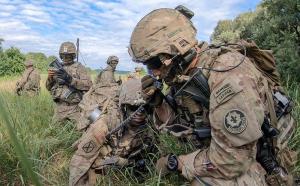
Silvus Technologies develops toughened waveform for US Army
The new waveform will undergo lab and field tests in the next year.
-

US special ops orders inflatable satellite antennas
Worth up to $172 million, the contract with GATR Technologies will provide U.S. Special Operations Command with highly portable, inflatable satellite communications terminals.
-

NSA warns that mobile devices can expose user locations to adversaries
New guidance from the spy agency says location-tracking risks can be minimized, but not eliminated.
-

Ball Aerospace to build prototype antenna for stealth destroyers
The Defense Innovation Unit wants a low-observable antenna system for the DDG 1000 Zumwalt-class ships that can communicate over multiple frequency bands.
-

Army wants early industry input on JADC2 battlefield concept
A top Army official wants industry to provide input on solutions for JADC2 prior to written requirements from the service.
-

Making the most of the Air Force’s investment in Joint All Domain Command and Control
By focusing first on tactical demonstrations and technical connections, the Air Force plans to build its technical architecture from the bottom-up.
-

US government’s Huawei ban moving too fast, contractors say
Trade groups say that companies, still reeling from the economic effects of the coronavirus pandemic, need more time to comply with a ban on Chinese tech.
-
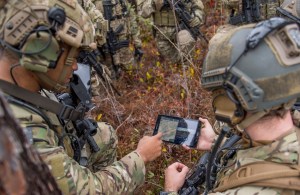
Moving further into the information age with Joint All-Domain Command and Control
The United States’ comparative military advantage has eroded significantly as the technologies that helped sustain its primacy since the Cold War have proliferated to great power and regional competitors.
-
US Army network team sets timeline for satellite constellations
Low- and medium-Earth orbit satellites are expected to improve the Army’s tactical network by reducing latency and increasing bandwidth.
-
DoD needs high-level network management for more resilient satellite comms
Users with global communications requirements such as the Department of Defense can only benefit fully from these new, software defined networks by taking an open-architecture approach and working with partners who have the ability to actively manage and continually upgrade these complex systems.
-
Silvus Technologies develops toughened waveform for US Army
The new waveform will undergo lab and field tests in the next year.
-
US special ops orders inflatable satellite antennas
Worth up to $172 million, the contract with GATR Technologies will provide U.S. Special Operations Command with highly portable, inflatable satellite communications terminals.
-
NSA warns that mobile devices can expose user locations to adversaries
New guidance from the spy agency says location-tracking risks can be minimized, but not eliminated.
-
Ball Aerospace to build prototype antenna for stealth destroyers
The Defense Innovation Unit wants a low-observable antenna system for the DDG 1000 Zumwalt-class ships that can communicate over multiple frequency bands.
-
Army wants early industry input on JADC2 battlefield concept
A top Army official wants industry to provide input on solutions for JADC2 prior to written requirements from the service.
-
Making the most of the Air Force’s investment in Joint All Domain Command and Control
By focusing first on tactical demonstrations and technical connections, the Air Force plans to build its technical architecture from the bottom-up.
-
US government’s Huawei ban moving too fast, contractors say
Trade groups say that companies, still reeling from the economic effects of the coronavirus pandemic, need more time to comply with a ban on Chinese tech.
-
Moving further into the information age with Joint All-Domain Command and Control
The United States’ comparative military advantage has eroded significantly as the technologies that helped sustain its primacy since the Cold War have proliferated to great power and regional competitors.
-

US Army network team sets timeline for satellite constellations
Low- and medium-Earth orbit satellites are expected to improve the Army’s tactical network by reducing latency and increasing bandwidth.
-
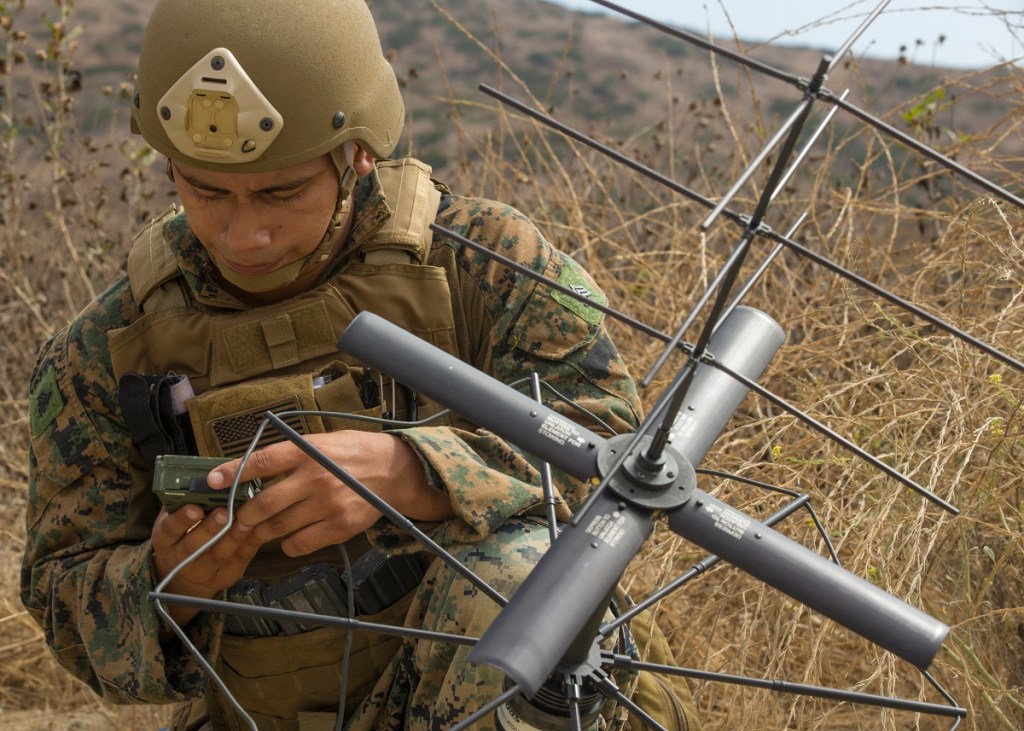
DoD needs high-level network management for more resilient satellite comms
Users with global communications requirements such as the Department of Defense can only benefit fully from these new, software defined networks by taking an open-architecture approach and working with partners who have the ability to actively manage and continually upgrade these complex systems.
-
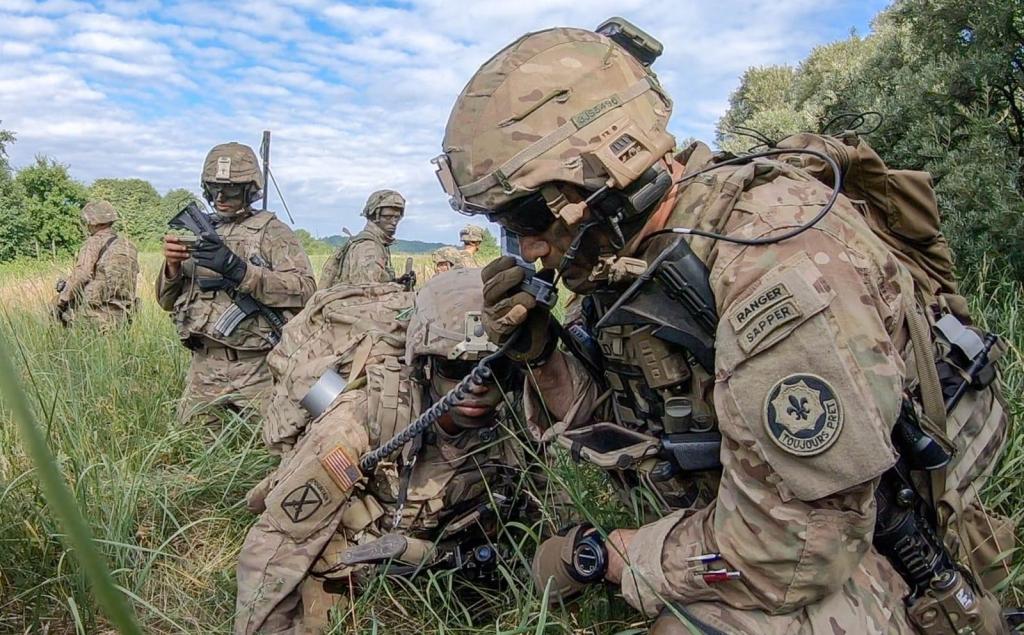
Silvus Technologies develops toughened waveform for US Army
The new waveform will undergo lab and field tests in the next year.
-

US special ops orders inflatable satellite antennas
Worth up to $172 million, the contract with GATR Technologies will provide U.S. Special Operations Command with highly portable, inflatable satellite communications terminals.
-

NSA warns that mobile devices can expose user locations to adversaries
New guidance from the spy agency says location-tracking risks can be minimized, but not eliminated.
-

Ball Aerospace to build prototype antenna for stealth destroyers
The Defense Innovation Unit wants a low-observable antenna system for the DDG 1000 Zumwalt-class ships that can communicate over multiple frequency bands.
-

Army wants early industry input on JADC2 battlefield concept
A top Army official wants industry to provide input on solutions for JADC2 prior to written requirements from the service.
-

Making the most of the Air Force’s investment in Joint All Domain Command and Control
By focusing first on tactical demonstrations and technical connections, the Air Force plans to build its technical architecture from the bottom-up.
-

US government’s Huawei ban moving too fast, contractors say
Trade groups say that companies, still reeling from the economic effects of the coronavirus pandemic, need more time to comply with a ban on Chinese tech.
-
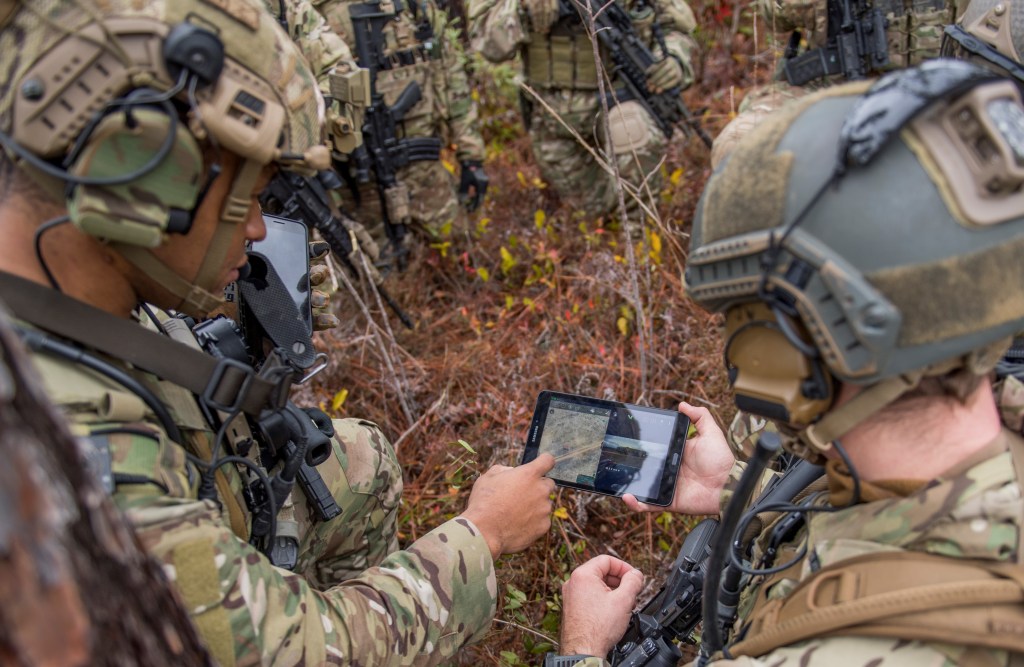
Moving further into the information age with Joint All-Domain Command and Control
The United States’ comparative military advantage has eroded significantly as the technologies that helped sustain its primacy since the Cold War have proliferated to great power and regional competitors.