-

How DARPA sparked dreams of self-healing networks
DARPA’s Cyber Grand Challenge showed how artificial intelligence could give the Defense Department the edge in the ongoing cat-and-mouse network battles.
-
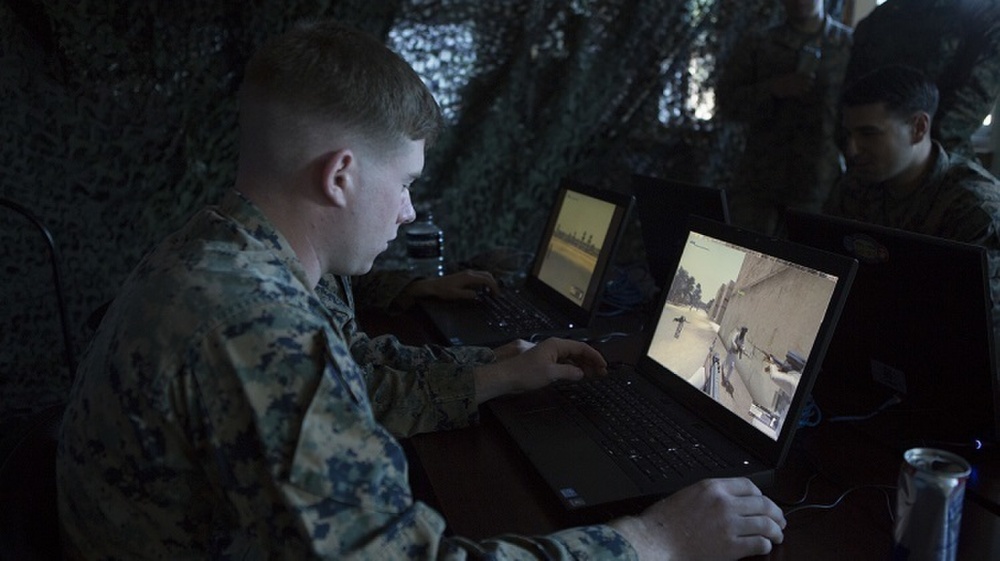
Virtual battle spaces can help rapid real-world tactical decisions
Augmented reality systems enable Marines to do mission planning across a variety of changing environments and adversaries, and customized training scenarios reinforce how to think tactically, to make rapid decisions and to communicate effectively.
-
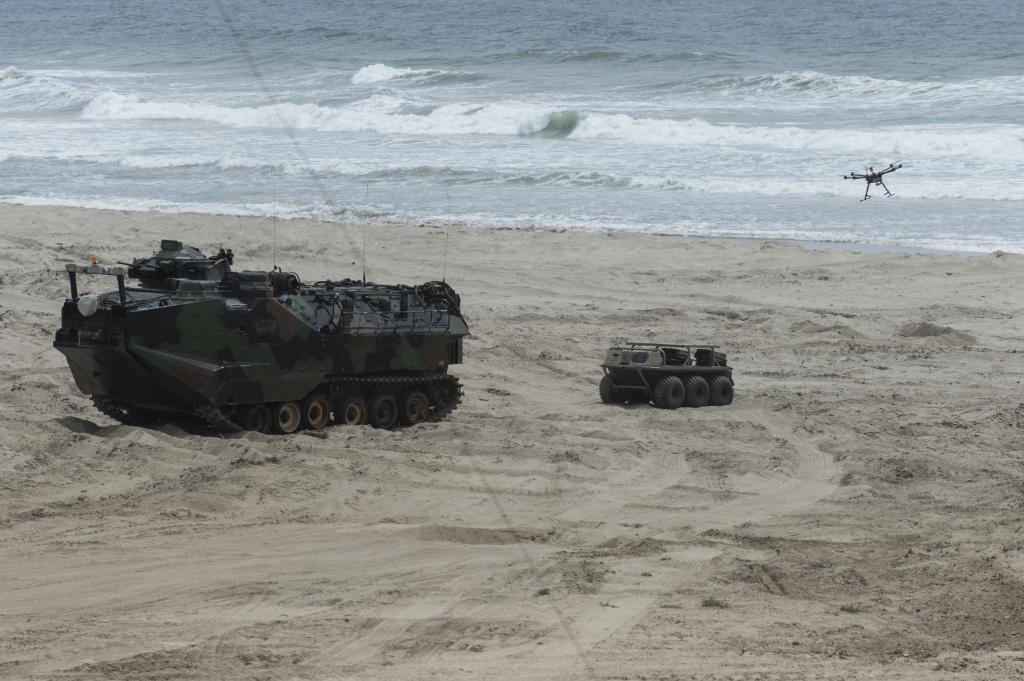
DARPA wants self-piloted vehicles to drive smarter
The expected rise of autonomous vehicles has led the Defense Advanced Research Projects Agency to explore AI-based software as a means of assuring their safe operation.
-
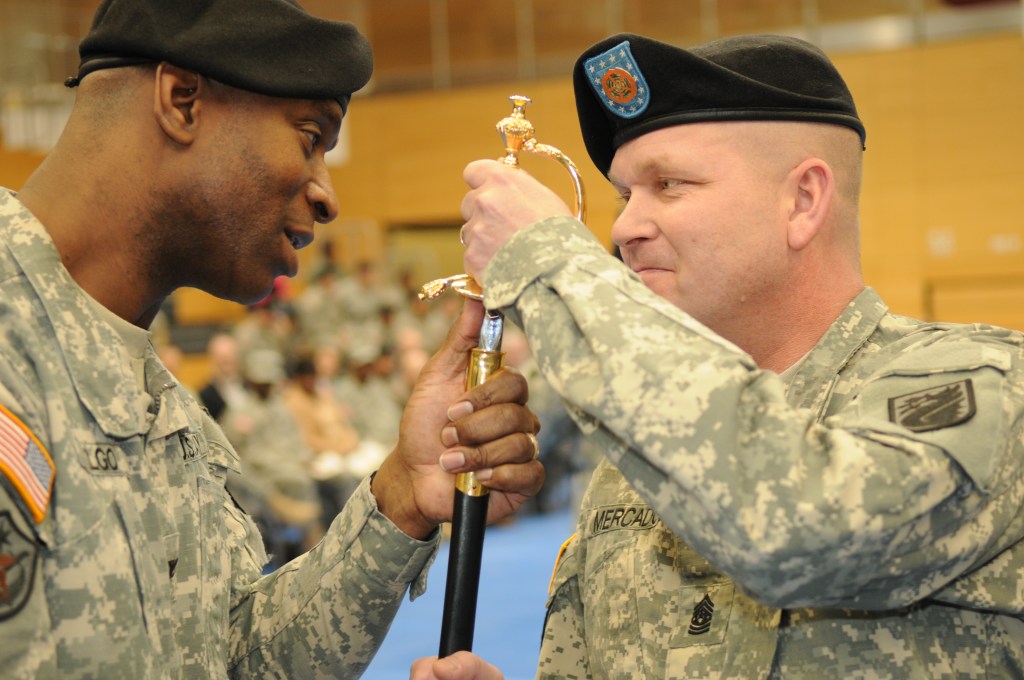
The comms gaps that worry CENTCOM leaders every day
Five questions with Maj. Gen. Mitchell L. Kilgo and the gaps he sees between U.S. and coalition communications networks.
-

The Coast Guard wants to assemble the Minions for its dirtiest jobs
The Coast Guard envisions a potentially endless array of sensors to help with everything from ship identification tools to electronic navigation aids.
-
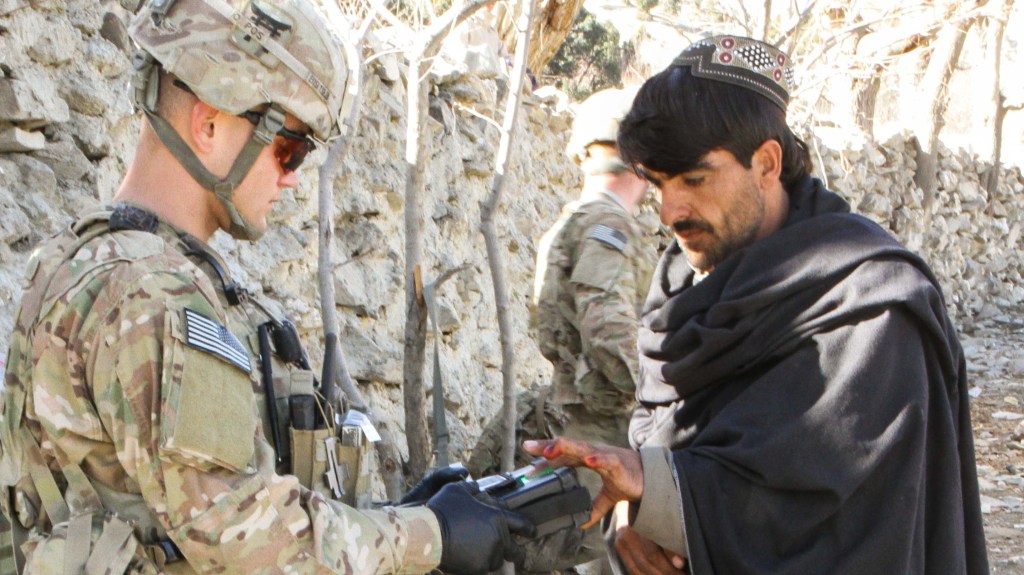
Could the Army identify bad guys by their gait?
A team at the U.S. Army Communications-Electronics Research, Development and Engineering Center (CERDEC) wants to take biometric data — from fingerprints to how someone walks and beyond — to the battlefield.
-

Tomahawks get faster processors, better flight paths
Navy missiles should now fly more accurately to their targets following electronics enhancements.
-
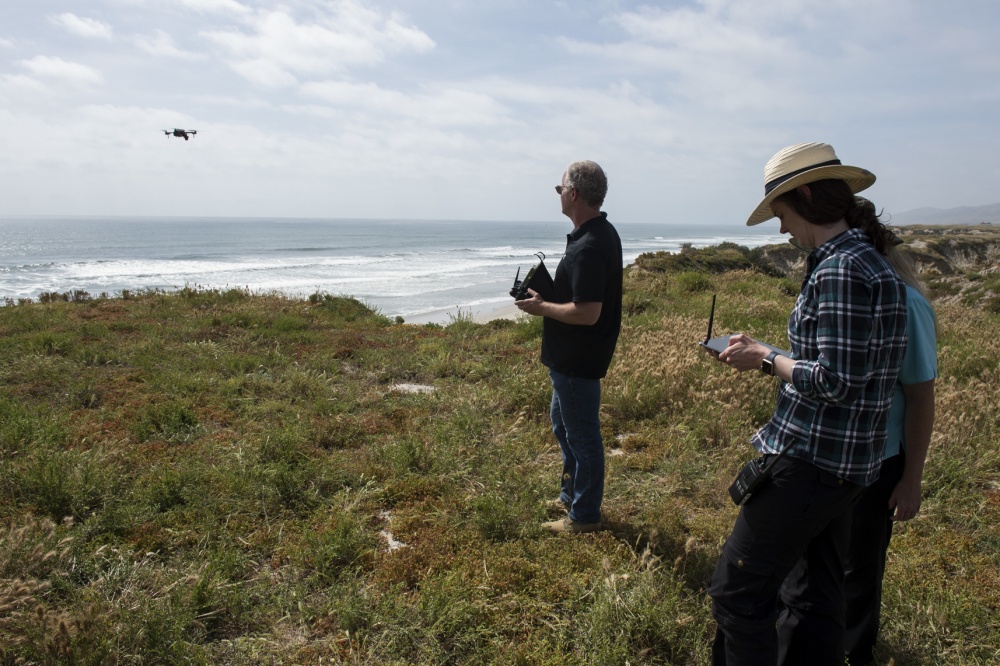
The Navy wants to know if a drone can detect nautical mines
The Navy is experimenting with a quadcopter that could detect mines in the water and then relay the information to a handheld device.
-
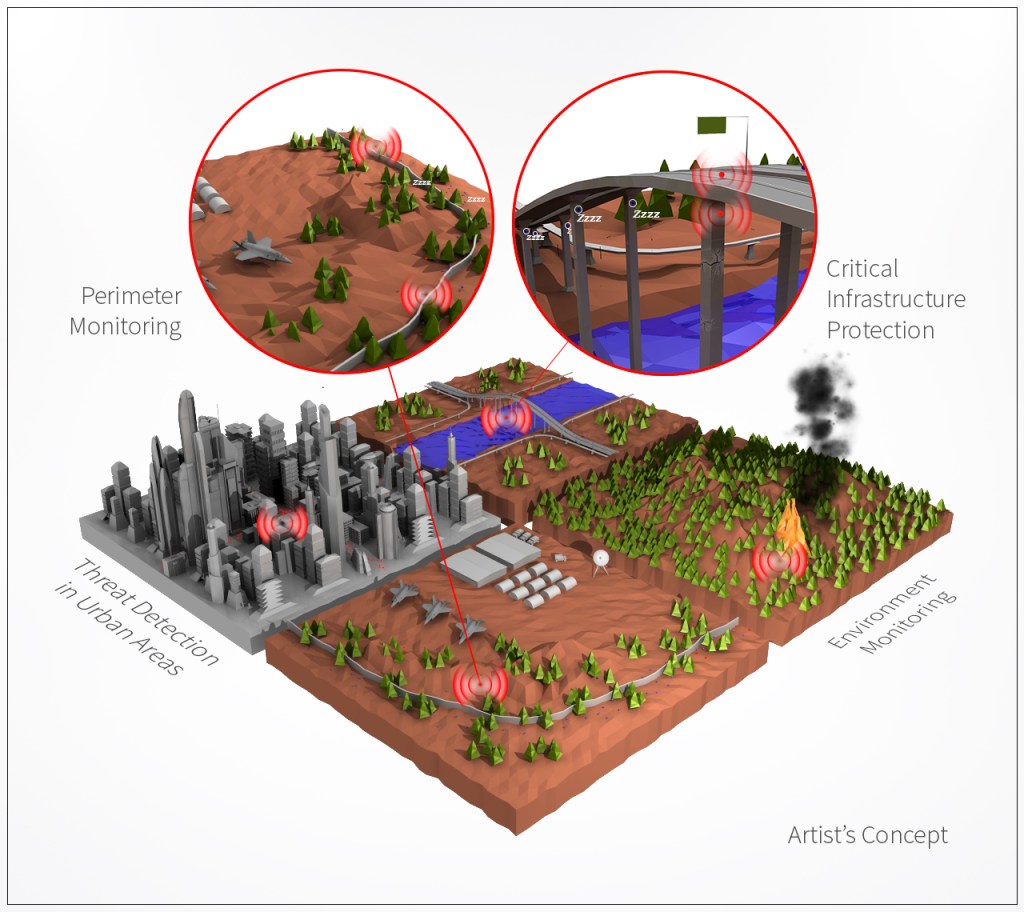
Don’t worry about this battery. It might not need a charge for 10 years.
Researchers are studying a battery for sensors that could run on a charge for 10 years. Some batteries today are replaced every three days.
-
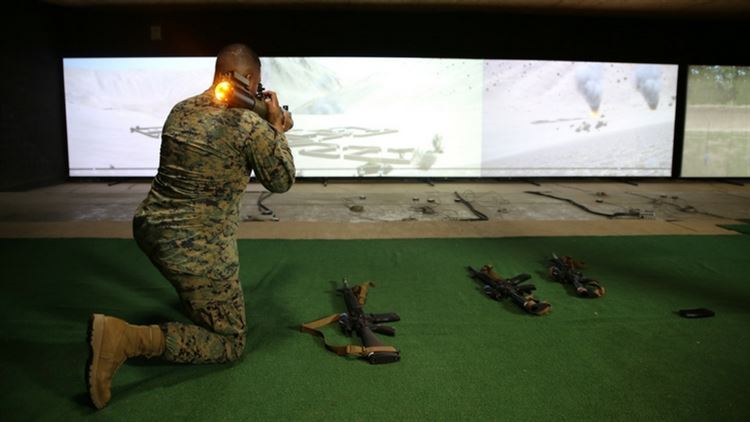
More weapons, more credit for marksmanship in upgraded virtual trainer
Developers say they took cues from the world of video games in seeking to upgrade what is, in effect, an elaborate video game experience.
-
How DARPA sparked dreams of self-healing networks
DARPA’s Cyber Grand Challenge showed how artificial intelligence could give the Defense Department the edge in the ongoing cat-and-mouse network battles.
-
Virtual battle spaces can help rapid real-world tactical decisions
Augmented reality systems enable Marines to do mission planning across a variety of changing environments and adversaries, and customized training scenarios reinforce how to think tactically, to make rapid decisions and to communicate effectively.
-
DARPA wants self-piloted vehicles to drive smarter
The expected rise of autonomous vehicles has led the Defense Advanced Research Projects Agency to explore AI-based software as a means of assuring their safe operation.
-
The comms gaps that worry CENTCOM leaders every day
Five questions with Maj. Gen. Mitchell L. Kilgo and the gaps he sees between U.S. and coalition communications networks.
-
The Coast Guard wants to assemble the Minions for its dirtiest jobs
The Coast Guard envisions a potentially endless array of sensors to help with everything from ship identification tools to electronic navigation aids.
-
Could the Army identify bad guys by their gait?
A team at the U.S. Army Communications-Electronics Research, Development and Engineering Center (CERDEC) wants to take biometric data — from fingerprints to how someone walks and beyond — to the battlefield.
-
Tomahawks get faster processors, better flight paths
Navy missiles should now fly more accurately to their targets following electronics enhancements.
-
The Navy wants to know if a drone can detect nautical mines
The Navy is experimenting with a quadcopter that could detect mines in the water and then relay the information to a handheld device.
-
Don’t worry about this battery. It might not need a charge for 10 years.
Researchers are studying a battery for sensors that could run on a charge for 10 years. Some batteries today are replaced every three days.
-
More weapons, more credit for marksmanship in upgraded virtual trainer
Developers say they took cues from the world of video games in seeking to upgrade what is, in effect, an elaborate video game experience.