-
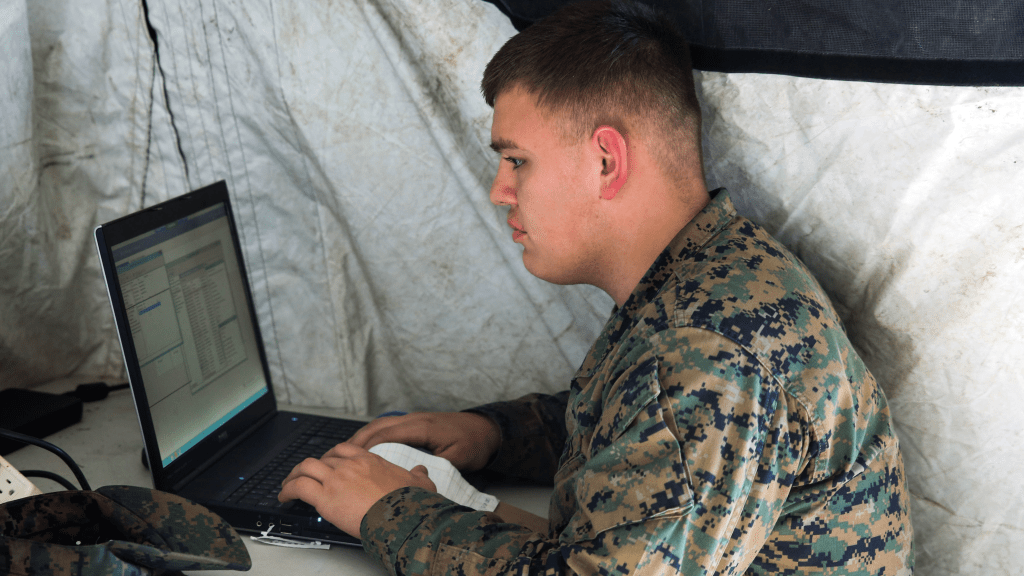
How ship design can improve the Marine Corps’ networks
The Marine Corps has begun to roll out a “planning yard,” a new management methodology to apply consistent rules to the design of critical systems.
-
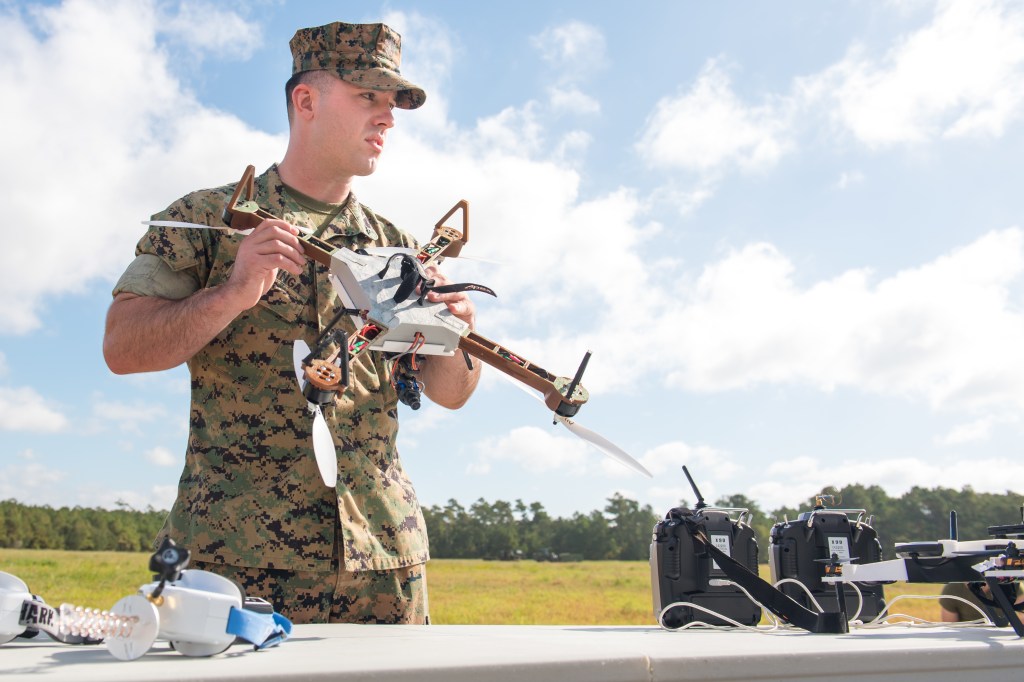
For the Army, a 3-D printed drone is nice. A customized, 3-D printed drone is better.
Army researchers are fine-tuning a 3D-printed drone after discovering potential end users wanted specific features.
-
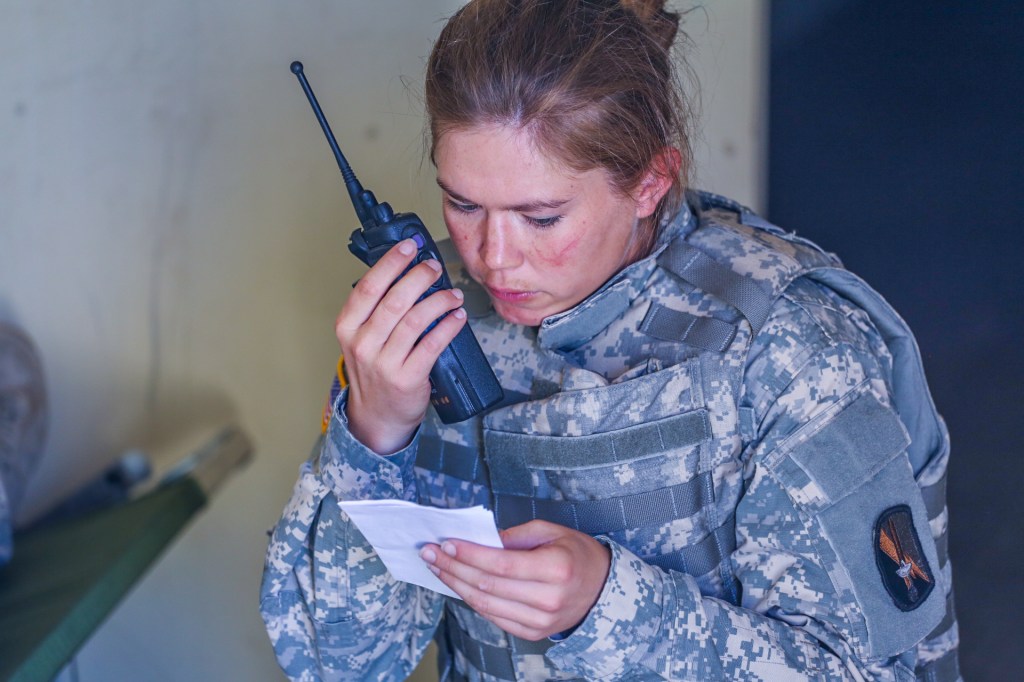
Why it’s harder for soldiers to tell if their radios are being jammed
Already jammed full of telecom signals, the airwaves have become increasingly congested with the popularity of the Internet of Things, making it harder for soldiers to understand what’s happening with their radios.
-
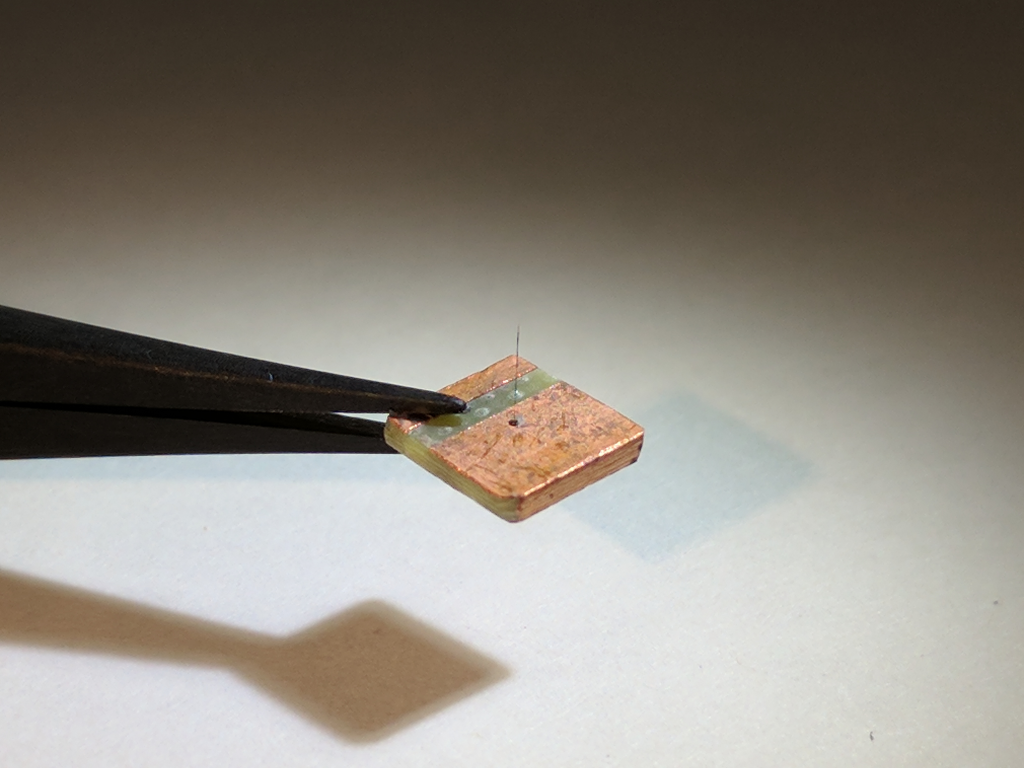
The Air Force’s hair-raising (sorry) research for drones
Air Force Research Lab engineers are developing artificial hair sensors that they say will may aircraft more agile and more reliable.
-
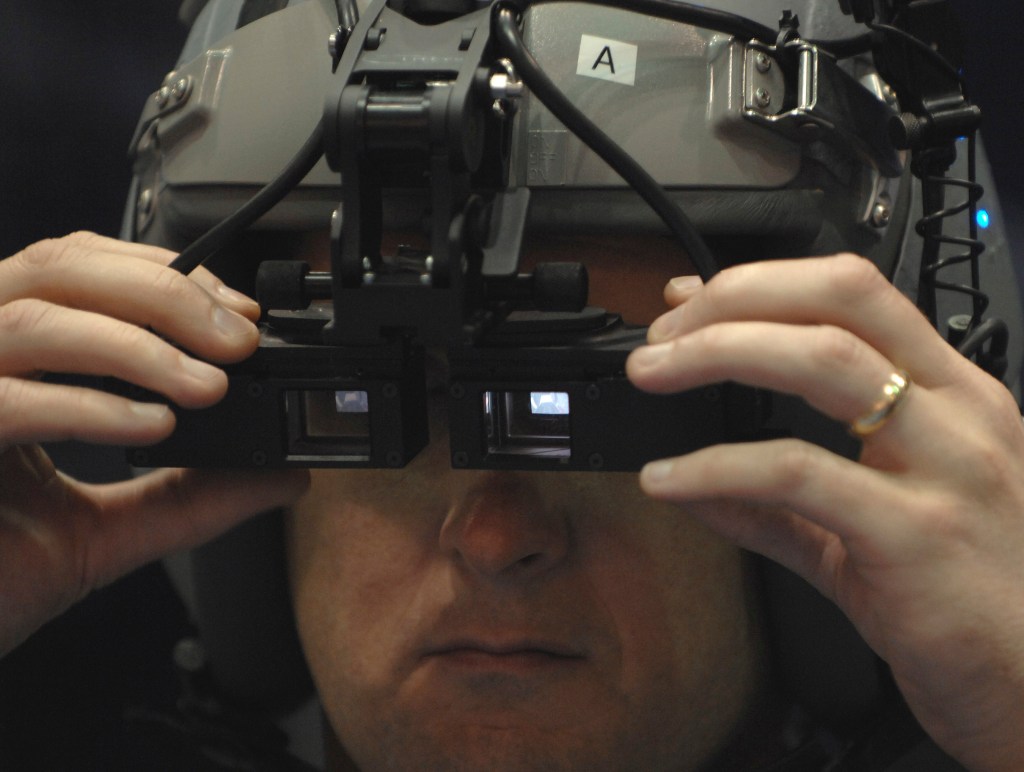
A way to make military drones even more useful
The Department of Defense wants to improve its modeling and simulation programs as a way to bolster how it trains cyber warriors and make better use of intelligence, surveillance and reconnaissance data from drones.
-

The (battlefield) doctor is in … your phone
The Air Force Research Laboratory has high hopes for a new, smartphone-based medical information software tool that can ingest sensor data for real-time health status monitoring for multiple patients.
-

How to test high-energy lasers without frying satellites
The new senior research scientist for directed energy applications at Army Space and Missile Defense Command/Army Forces Strategic Command explains the state of laser research and how lasers could be used to knock out drones.
-
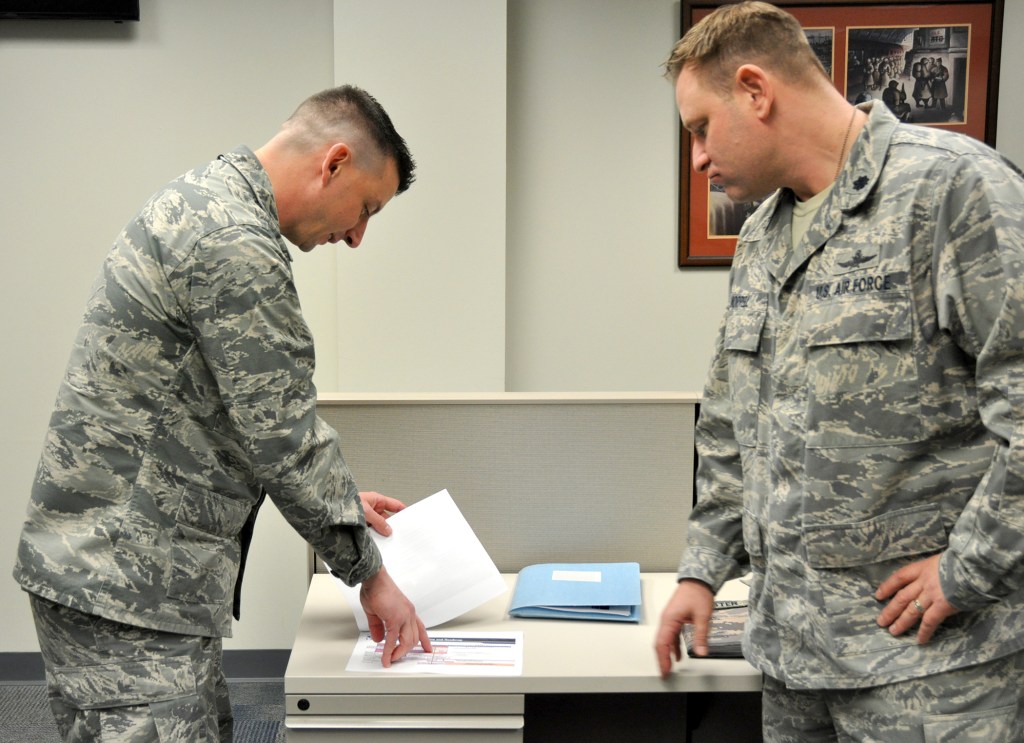
How this military transportation unit avoids writing the same piece of code 72 times
U.S. Transportation Command is using a cloud strategy called Platform as a Service as a way to avoid repetitive work.
-
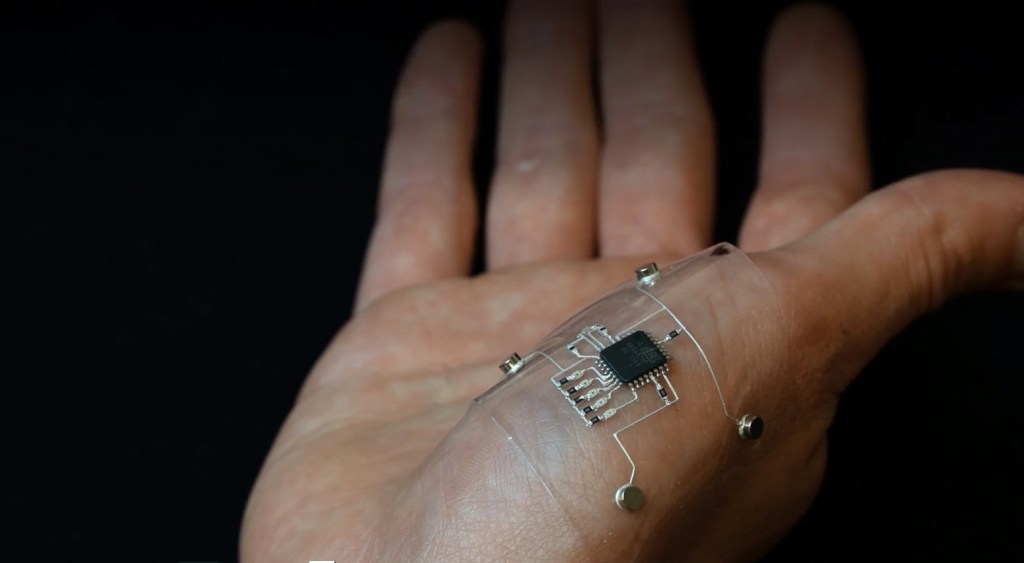
Next-gen sensors could fit on, and bend like, a Band-Aid
Researchers from Harvard and the Air Force want to shrink those sensors down to the size of a Band-Aid, creating a new world of possibilities and sensor applications.
-

Air Force worries about securing critical energy resources
Just as software and apps today are provided “as a service,” the Air Force is exploring whether energy generation and delivery could be managed more cost-effectively, yet still securely under a similar model.
-
How ship design can improve the Marine Corps’ networks
The Marine Corps has begun to roll out a “planning yard,” a new management methodology to apply consistent rules to the design of critical systems.
-
For the Army, a 3-D printed drone is nice. A customized, 3-D printed drone is better.
Army researchers are fine-tuning a 3D-printed drone after discovering potential end users wanted specific features.
-
Why it’s harder for soldiers to tell if their radios are being jammed
Already jammed full of telecom signals, the airwaves have become increasingly congested with the popularity of the Internet of Things, making it harder for soldiers to understand what’s happening with their radios.
-
The Air Force’s hair-raising (sorry) research for drones
Air Force Research Lab engineers are developing artificial hair sensors that they say will may aircraft more agile and more reliable.
-
A way to make military drones even more useful
The Department of Defense wants to improve its modeling and simulation programs as a way to bolster how it trains cyber warriors and make better use of intelligence, surveillance and reconnaissance data from drones.
-
The (battlefield) doctor is in … your phone
The Air Force Research Laboratory has high hopes for a new, smartphone-based medical information software tool that can ingest sensor data for real-time health status monitoring for multiple patients.
-
How to test high-energy lasers without frying satellites
The new senior research scientist for directed energy applications at Army Space and Missile Defense Command/Army Forces Strategic Command explains the state of laser research and how lasers could be used to knock out drones.
-
How this military transportation unit avoids writing the same piece of code 72 times
U.S. Transportation Command is using a cloud strategy called Platform as a Service as a way to avoid repetitive work.
-
Next-gen sensors could fit on, and bend like, a Band-Aid
Researchers from Harvard and the Air Force want to shrink those sensors down to the size of a Band-Aid, creating a new world of possibilities and sensor applications.
-
Air Force worries about securing critical energy resources
Just as software and apps today are provided “as a service,” the Air Force is exploring whether energy generation and delivery could be managed more cost-effectively, yet still securely under a similar model.