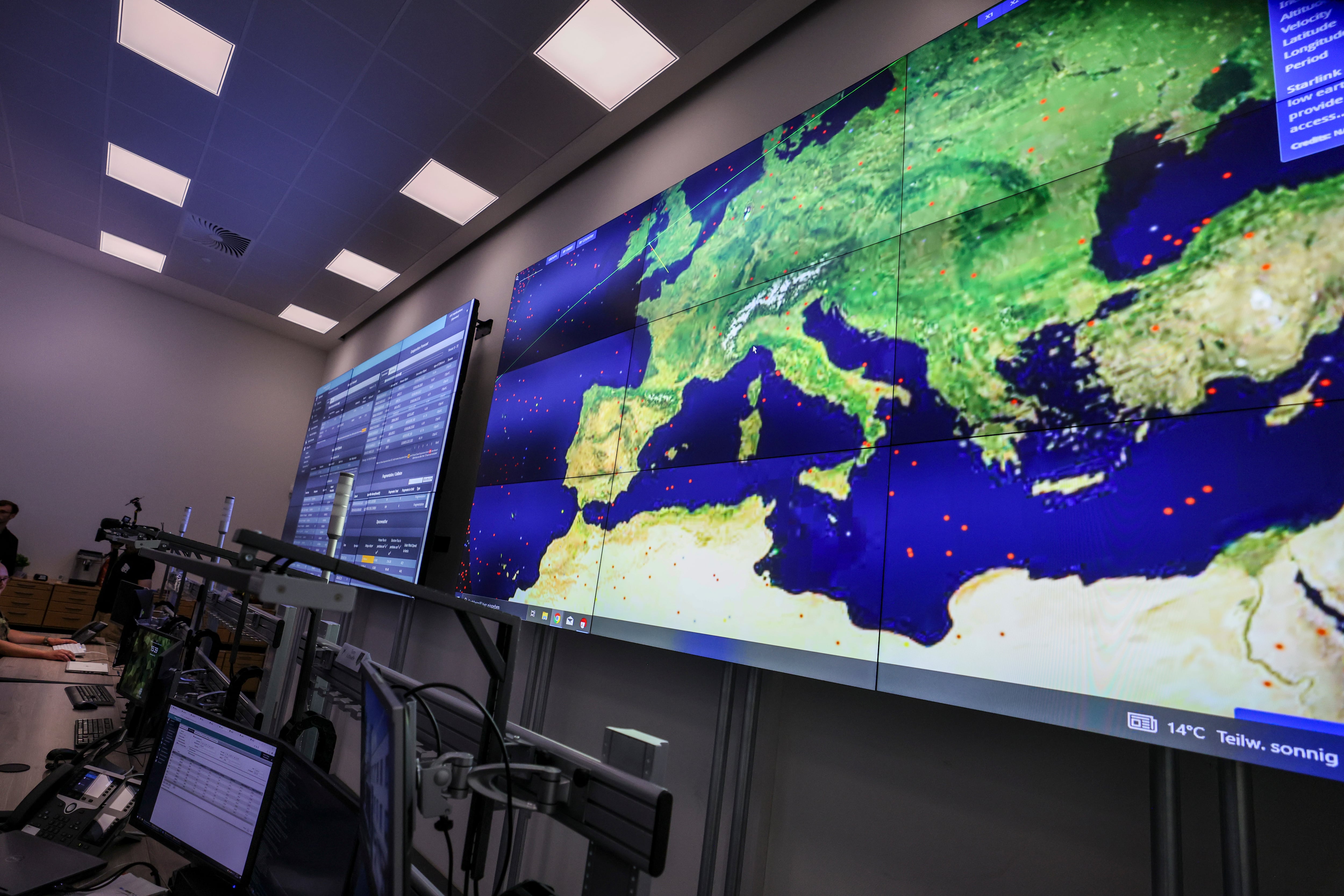
Austria’s Defense Minister Claudia Tanner reaffirmed that Austria plans to put three operationally designated military satellites into orbit next year.
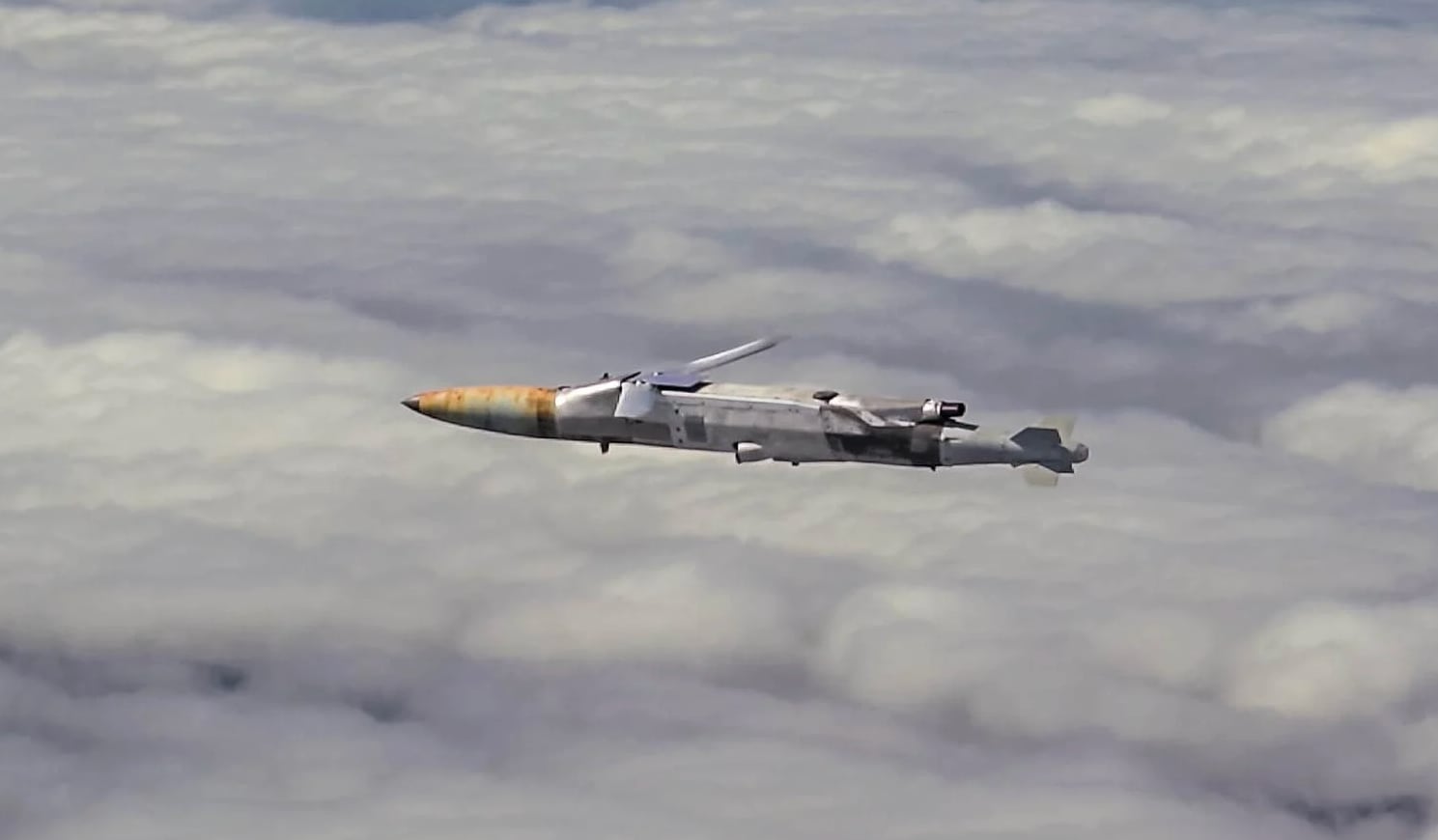
An April 1 test saw the munition deployed from an F/A-18 Super Hornet, fly approximately 200 miles in 34 minutes and strike within meters of its target.
Two companies will join Northrop Grumman in developing prototype payloads for the Space Force's Protected Tactical SATCOM program, bringing advanced anti-jamming communications to the war fighter.
The Space Force plans for space acquisition are not as radical as some expected, keeping its various acquisitions organizations as separate entities while placing them under a new Space Systems Command.
The company was the sole remaining competitor in the challenge, which aims to find responsive space launch services capable of launching military payloads into orbit within days of a request.
The OmegA rocket is Northrop Grumman’s entrant in the Space Force’s competition to select the next generation of vehicles for the National Security Space Launch program. The successful static test of its second stage engine conducted Feb. 27 keeps OmegA on track for a certification flight in 2021.
Two U.S. Air Force generals argue that American military superiority can be ensured through a comprehensive network connecting all of its weapons and troops in real time.
In the latest issue of the Tomorrow Wars newsletter, a look at understanding risk in space, and the process of converting that mathematical debate into plain language.
The Space Force is seeking $1 billion from Congress for several unfunded priorities in fiscal year 2021, items that it didn’t include in its $15 billion budget request but would still like Congress to pay for.
Under an enterprise satellite communication system, military and commercial satellite providers would be integrated. This would allow war fighters to seamlessly transition to whatever network or signal is available while maintaining connectivity.
The Advanced Extremely High Frequency satellite system is intended to replace the MILSTAR constellation in providing protected, anti-jamming satellite communications to high-priority United States military assets and its international partners in Canada, United Kingdom, Netherlands and Australia.