
-
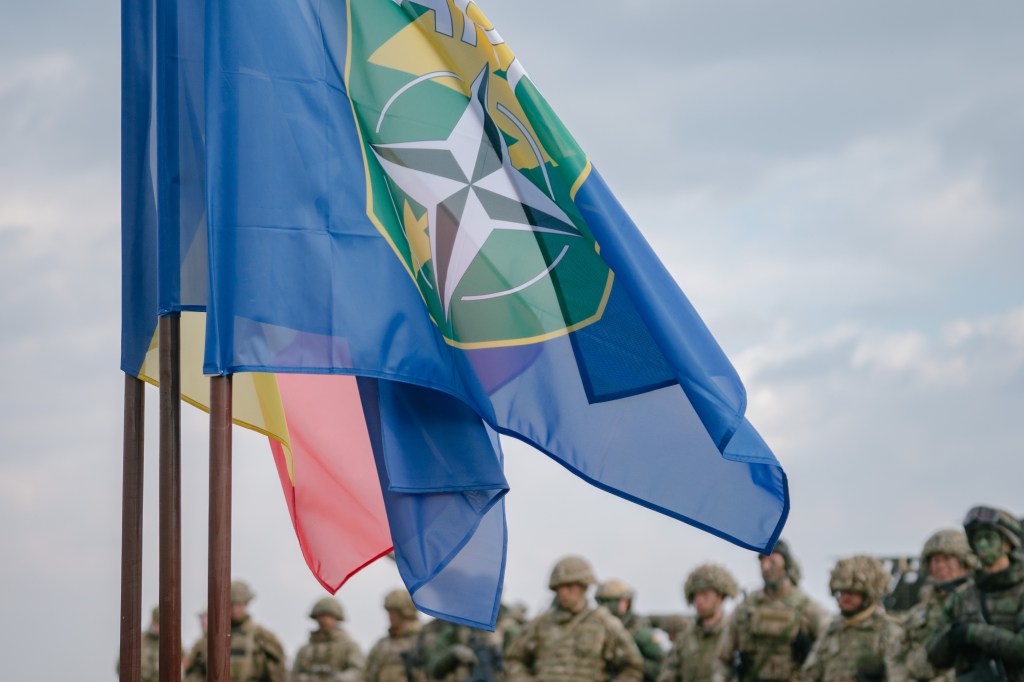
Romanian servers targeted by Russian hackers to scoop up emails about NATO, EU
Hackers linked to Russia’s FSB quietly compromised a Romanian government organization’s servers to collect emails related to NATO and the EU in December 2025, a Slovak cybersecurity firm has revealed.
-

Ukraine confirms it sank Russian corvette in Libyan port
Ukraine was behind the explosive sinking of the Russian corvette Merkury in the Libyan port of Benghazi over the weekend, President Volodymyr Zelenskyy said, and the country’s military released accompanying videos.
-

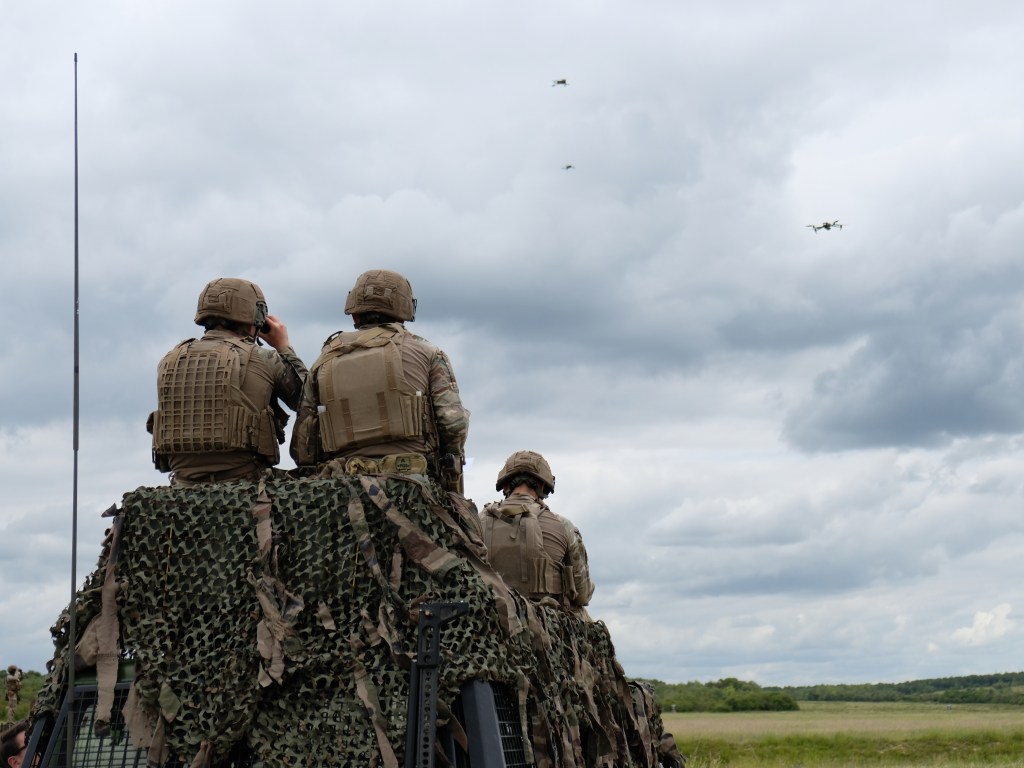
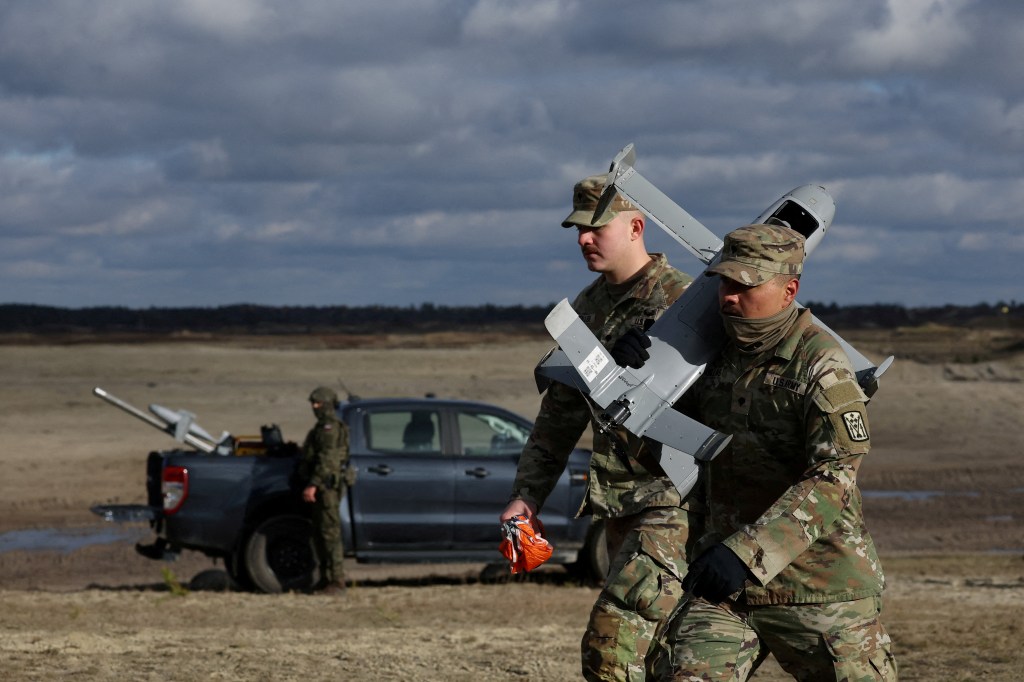
German attack drones pass live-fire tests, with first deliveries planned this year
Two German one-way attack drone variants passed live-fire trials this month, clearing a step toward initial deliveries and troop training before the end of the year, Germany’s military procurement office said.
SPECIAL FEATURES

Space
-
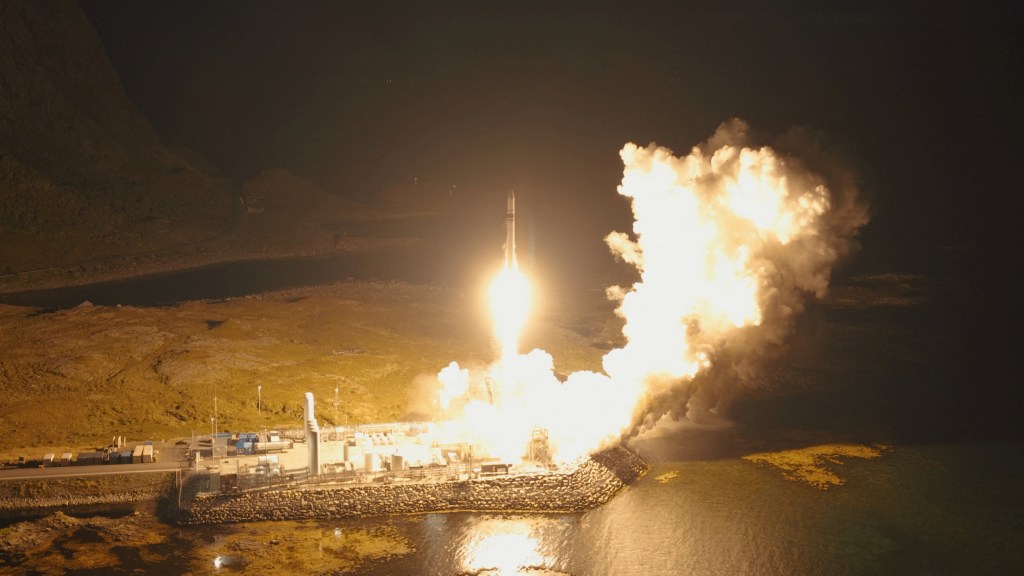
Europe’s push to reduce US reliance is reshaping the defense space market
Spooked by U.S. restrictions on satellite data access during recent crises, European countries are scrambling to catch up on sovereign capabilities.
Artificial Intelligence
-

VA inventory report reveals 367 AI systems operating in healthcare, benefits and services
A recently released report catalogs AI uses across the VA, from clinical tools used during patient care to systems that help process benefits.
-
The unlikely role of Operation Epic Fury in a Mississippi AI data center lawsuit
-
Ukraine’s defense AI chief predicts ‘new paradigm’ of warfare
-
AI companies have a responsibility to safeguard models against exploitation, Pentagon chief technology officer says
-
AI tool has ‘saved a lot of aircraft’ in Epic Fury, AFSOC chief says
VIDEOS
-
Ukraine strikes Russian warship and cargo vessel with naval drones in Libya
Ukrainian president Volodymyr Zelenskyy said seven naval drones were used in the attack, which sank the Russian corvette Merkury.
Featured Videos






Cyber
-

German firm Hensoldt acquires UK radar maker
The terms of the deal have not been made public, but Hensoldt said subject to regulatory approval it hoped to close the takeover by the end of September.
Electronic Warfare
-
Europe’s push to reduce US reliance is reshaping the defense space market
Spooked by U.S. restrictions on satellite data access during recent crises, European countries are scrambling to catch up on sovereign capabilities.
More Stories
-
A global cyberwar on politics and government [Commentary]
Is 2017 the year of political cyberattacks? Clearly all governments must take aggressive action to minimize these cyberthreats and ensure the integrity of their political processes.
-
Army combines sensors in attempt to fly blind
Smoke and sand, snow and rain, fog and darkness: Any of these can obscure a pilot’s vision, making it difficult to fly and eroding the tactical edge.
-
US Army strategy to acquire Patriot radar replacement expected soon
The Army is nearing completion of an acquisition strategy to achieve a 360-degree threat detection capability for its future Integrated Air-and-Missile Defense system, according to the deputy program executive officer for Army Missiles and Space.
-
Army awards $65M anti-drone contract
Syracuse will develop and deliver “up to 15 sets of the low slow small unmanned aerial system integrated defeat system.”
-
10 steps to DFARS cybersecurity compliance [Commentary]
As the Dec. 31, 2017 deadline for DFARS compliance approaches, contractors must adapt and should consider the above listed steps as they begin working toward compliance now.
-
Minn. governor proposes $125M IT, cybersecurity upgrade
Gov. Mark Dayton is proposing a $125 million technology upgrade for Minnesota government that includes tighter cybersecurity protections.
-
How DISA moved to a single computing ecosystem
DISA recently announced a realignment of its computing and storage. Here’s how they got there.
-
RedSeal to monitor networks for DISA
DISA will provide RedSeal modeling for all U.S. Army networks, U.S. Air Force boundary networks and several Combatant Command networks.
-
Secure software is of ‘strategic importance’ to the Army
The Army is currently grappling with challenges in software sustainment and development.