-

Getting — and staying — one step ahead
Are existing policies and regulations impeding our military’s and intelligence community’s ability to respond and react in a near-real time manner that is a fundamental requirement today?
-

A ‘cyberwar’ definition remains problematic
There are many complicated questions posed while defining the cyberwar battlefront.

Featured:
The Compass
An array of perspectives and messages from thought leaders in the business of defense IT and C4ISR and networks.
-

The challenge of digitization and technological advancement
Familiarization with technology promotes a level of comfort that is difficult to achieve with those that did not grow up with the internet.
-

The Pentagon’s innovative approach and cyber implications
With so much taking place in the technology environment, the Department of Defense recently made a strategic move to more aggressively pursue the capabilities and solutions these emerging technologies offer.
-

DoD must act like a startup [Commentary]
Given the dynamics of the cyberthreat environment, we must change and adapt to this environment immediately — or risk failing and falling behind. Perhaps part of the answer to this issue is for the defense and intelligence organization and industry players to think of themselves and more importantly act like a startup!
-
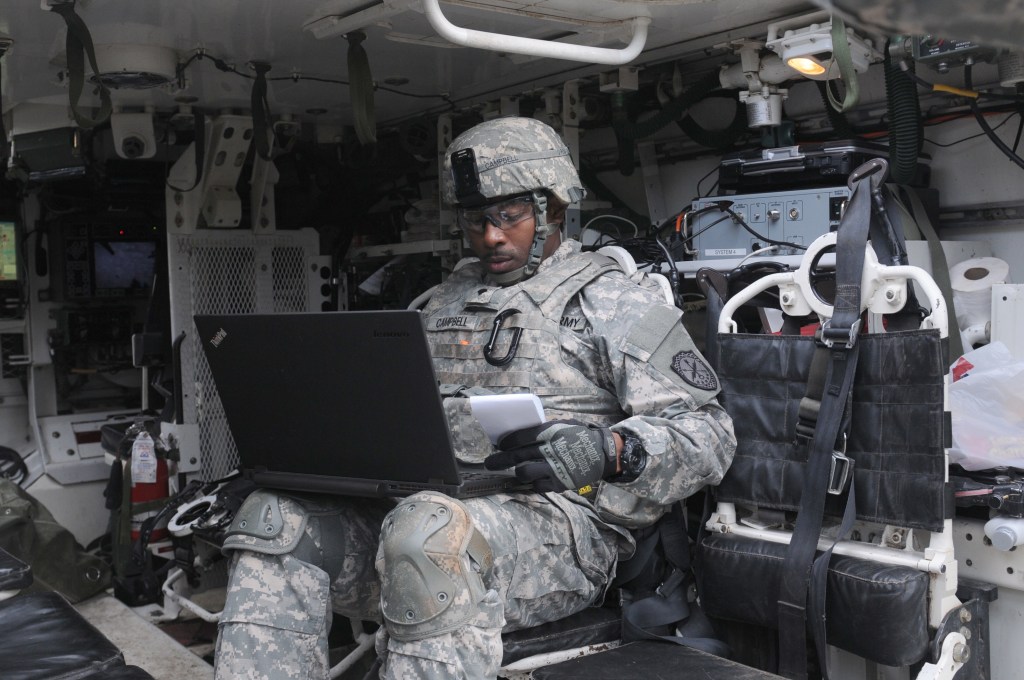
Our nation at risk: New and deeply concerning numbers
Are we moving ahead at a sufficient pace to adequately secure our sensitive military, intelligence and government systems, as well as our critical infrastructure?
-

What we need is a cyber force multiplier [Commentary]
We must learn from the past, anticipate the future and concentrate on identifying what would be considered a force multiplier in cyberspace.
-

External cybersecurity integration a huge challenge
Protecting and defending the weakest in your connected environment is a much bigger challenge than many realize.
-
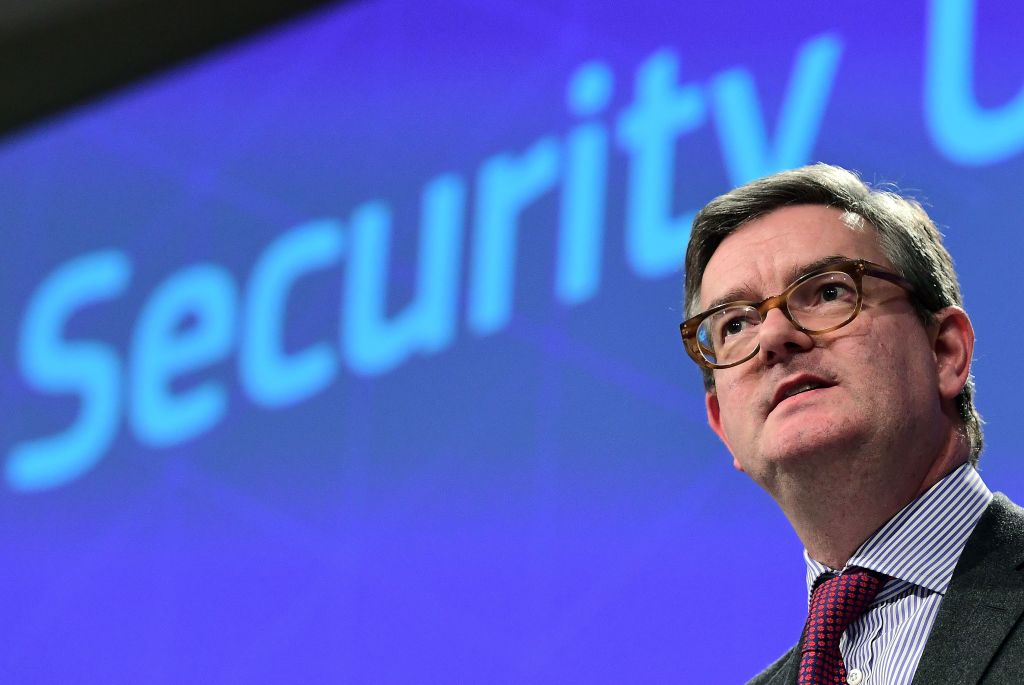
A global cyberwar on politics and government
All governments must take aggressive action to minimize cyberthreats and ensure the integrity of their political processes.
-

Projected cyber issues for 2017
What are the significant cyber issues that the new administration is likely to face?
-

Artifical intelligence-based cybersecurity
Some believe that AI efforts must be accelerated given that the demand for cybersecurity professionals is far outpacing the supply — and that shortfall is projected to get worse.
-

Cyber espionage is growing in frequency and impact
The sale of sensitive information collected during cyber espionage campaigns appears to be in high demand. So are concerns that a hybrid model of cyber extortion and espionage is evolving.
-

The report is out. Now what?
Never before has cybersecurity received such broad attention and been so widely discussed. All of that is a good thing. However, it is clear there are many questions remaining.