-
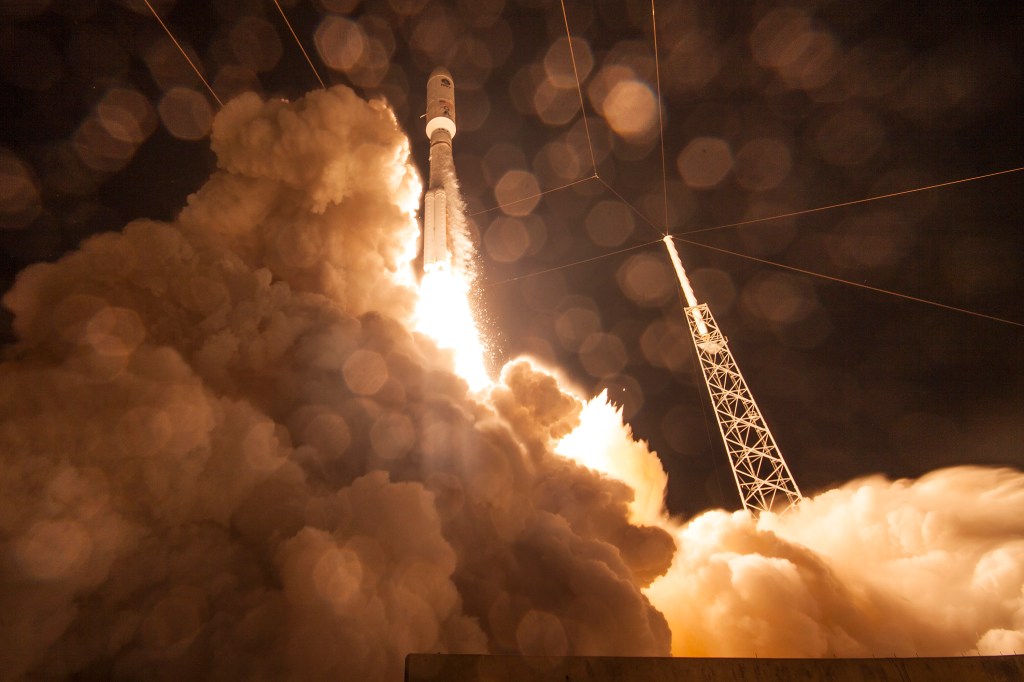
Space Force seeks $3.7 billion for narrowband communication satellites
The service says the two satellites will extend the service-life of the Mobile User Objective System constellation to at least 2034.
-

Pentagon must advance AI to stay ahead of rivals, industry execs tell Congress
“Put simply,” Sen. Mike Rounds, R-S.D., said May 3, “our adversaries are going to use AI against us, so we must use AI to defend against them.”
-
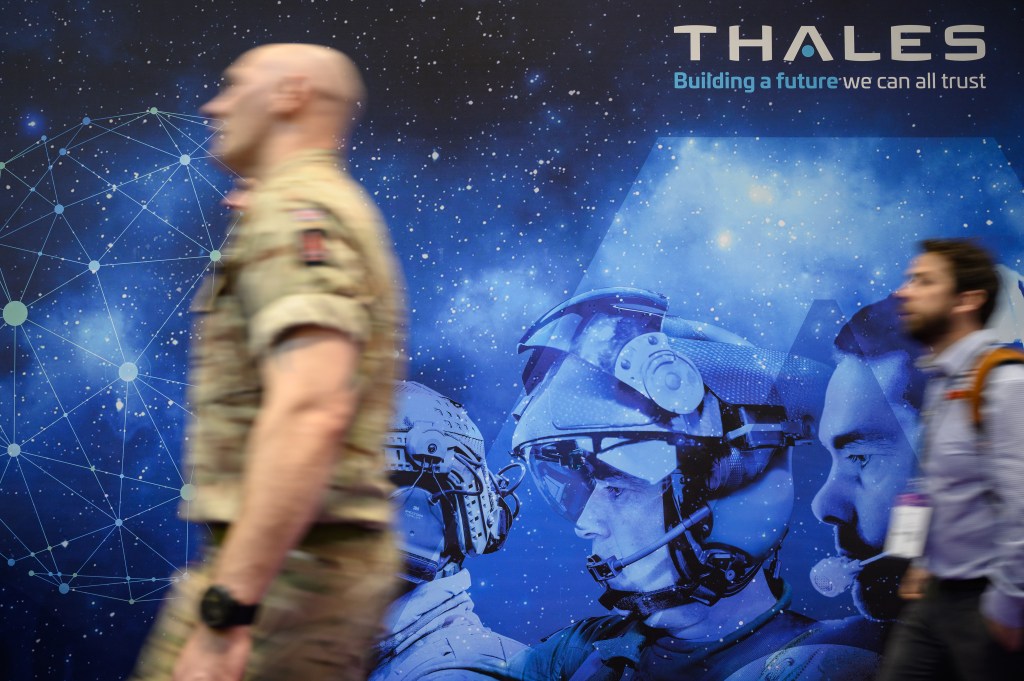
Thales finalizes acquisition of RUAG training and simulation unit
The acquisition aligns with armed forces modernization programs across the globe, and a move toward digitalization across land forces.
-
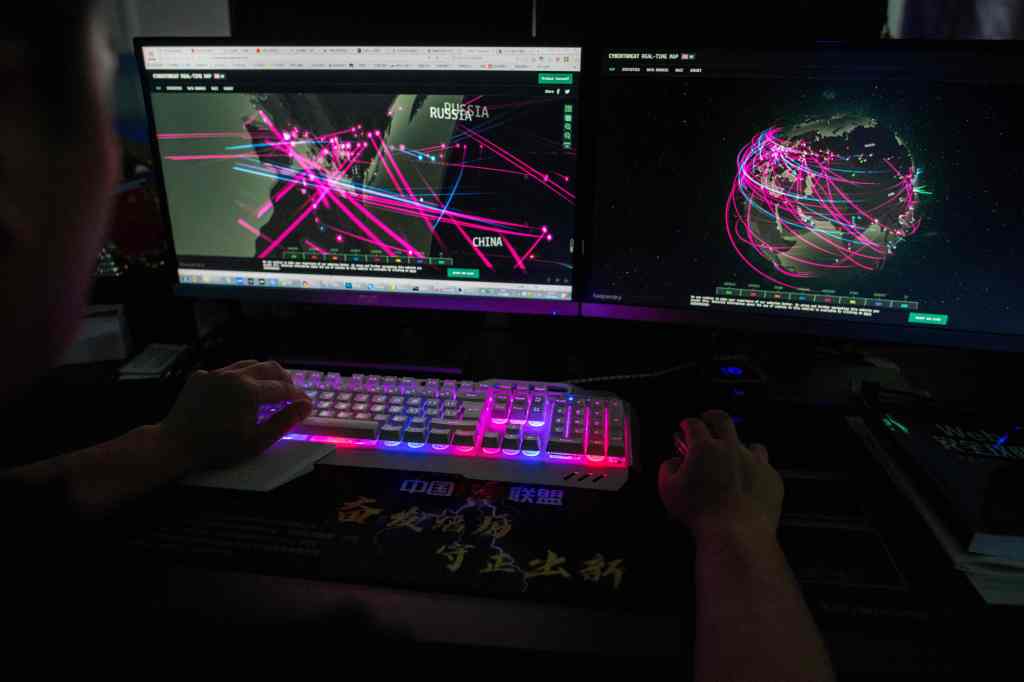
Pentagon finds hundreds of cyber vulnerabilities among contractors
The campaign launched in April 2021 with 14 participating companies and 141 publicly accessible assets to probe. Interest quickly ballooned; 41 companies and nearly 350 assets were eventually admitted.
-

US Navy cuts deal to see Microsoft’s tools before they hit the market
The Naval Postgraduate School and Microsoft will collaborate on areas where rapid advancements in commercial technology like cloud computing and data fusion can address critical military needs.
-
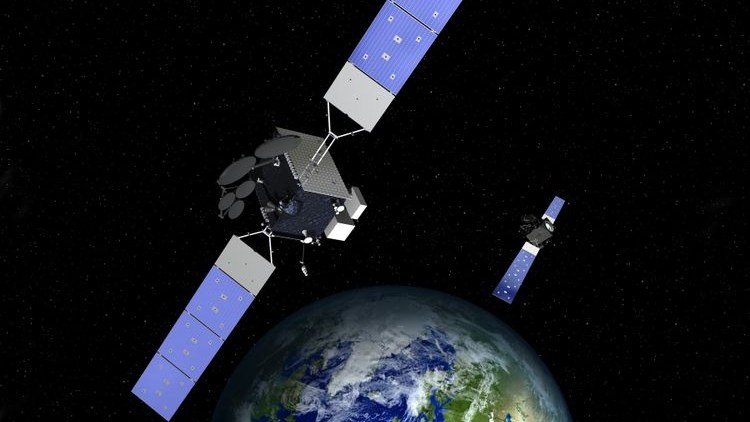
How the Space Force is working with US allies
Director of the Space Force’s International Affairs Directorate Deanna Ryals says the organization aims to serve as a “front door” for Space Systems Command’s work with international partners and to ensure that as the command develops and acquires new systems and architectures, it does so with allies in mind.
-

Feared Russian cyberattacks against US have yet to materialize
“The threat environment isn’t getting any less dynamic, less complex, less dangerous,” said CISA Director Jen Easterly. And the “threat actors are not getting any less sophisticated.”
-
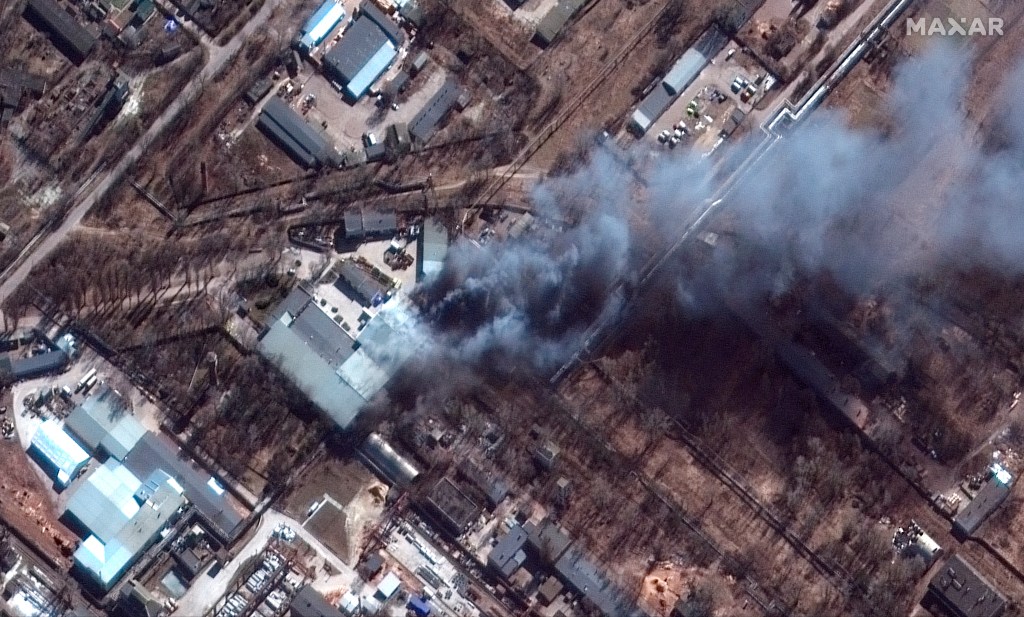
Army Futures Command learning from Russia’s invasion of Ukraine
At the GEOINT Symposium in Denver, Army officials say the conflict in Ukraine validates their approach to modernization and training.
-

The anti-satellite test ban must not undermine deterrence
The U.S. must convince its adversaries they cannot destroy America’s critical satellites while retaining theirs.
-
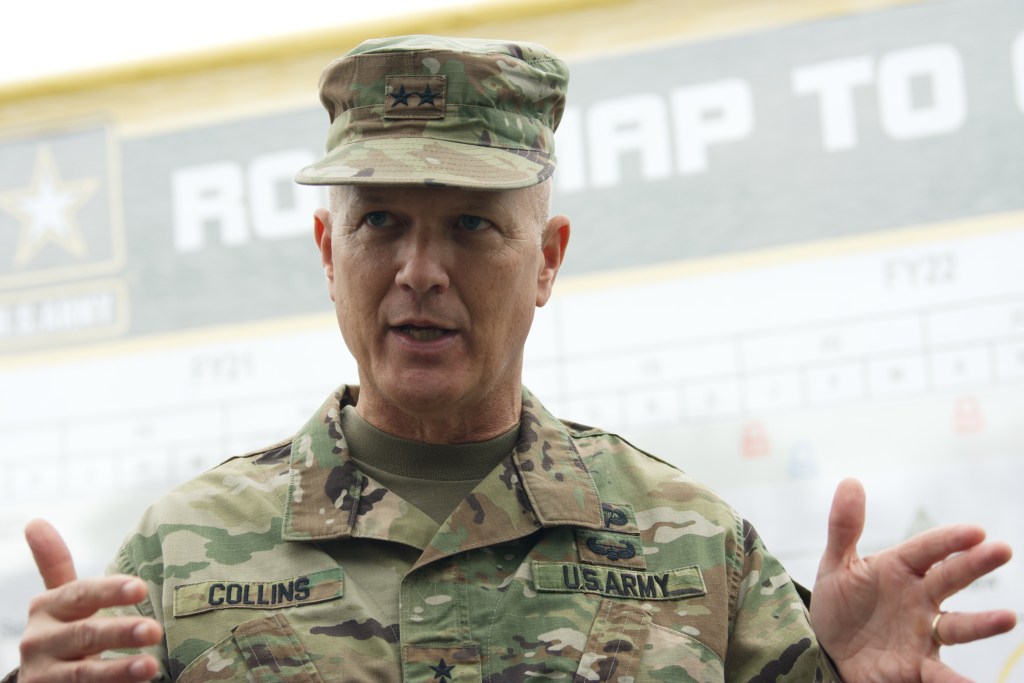
US Army wraps review of ‘future battlespace’ network tools
“In previous wars, the difference between a good decision and a bad decision may be minutes,” the general said. “In the future battlespace, that difference between a good decision and a bad decision may be seconds or milliseconds.”
-
Space Force seeks $3.7 billion for narrowband communication satellites
The service says the two satellites will extend the service-life of the Mobile User Objective System constellation to at least 2034.
-
Pentagon must advance AI to stay ahead of rivals, industry execs tell Congress
“Put simply,” Sen. Mike Rounds, R-S.D., said May 3, “our adversaries are going to use AI against us, so we must use AI to defend against them.”
-
Thales finalizes acquisition of RUAG training and simulation unit
The acquisition aligns with armed forces modernization programs across the globe, and a move toward digitalization across land forces.
-
Pentagon finds hundreds of cyber vulnerabilities among contractors
The campaign launched in April 2021 with 14 participating companies and 141 publicly accessible assets to probe. Interest quickly ballooned; 41 companies and nearly 350 assets were eventually admitted.
-
US Navy cuts deal to see Microsoft’s tools before they hit the market
The Naval Postgraduate School and Microsoft will collaborate on areas where rapid advancements in commercial technology like cloud computing and data fusion can address critical military needs.
-
How the Space Force is working with US allies
Director of the Space Force’s International Affairs Directorate Deanna Ryals says the organization aims to serve as a “front door” for Space Systems Command’s work with international partners and to ensure that as the command develops and acquires new systems and architectures, it does so with allies in mind.
-
Feared Russian cyberattacks against US have yet to materialize
“The threat environment isn’t getting any less dynamic, less complex, less dangerous,” said CISA Director Jen Easterly. And the “threat actors are not getting any less sophisticated.”
-
Army Futures Command learning from Russia’s invasion of Ukraine
At the GEOINT Symposium in Denver, Army officials say the conflict in Ukraine validates their approach to modernization and training.
-
The anti-satellite test ban must not undermine deterrence
The U.S. must convince its adversaries they cannot destroy America’s critical satellites while retaining theirs.
-
US Army wraps review of ‘future battlespace’ network tools
“In previous wars, the difference between a good decision and a bad decision may be minutes,” the general said. “In the future battlespace, that difference between a good decision and a bad decision may be seconds or milliseconds.”