-
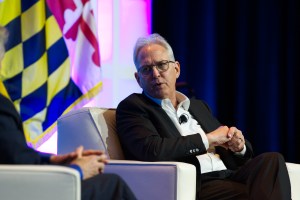
Pentagon AI boss seeks ‘justified confidence’ to take tech into battle
Not a soldier but a data scientist, Martell headed machine-learning at companies including LinkedIn, Dropbox and Lyft before taking the job last year.
-

Navy creates three new IT submarine ratings to promote specialization
The sailors will specialize in communications, network security and electronic warfare.
-

US spy tool will lapse unless Congress and White House can cut deal
Section 702 of the Foreign Intelligence Surveillance Act will expire at the end of December.
-

For the federal government, Zero Trust is just the beginning
Zero Trust has been top-of-mind for the Department of Defense for some time now, as evidenced by the aggressive strategy unveiled by the agency.
-

How agencies can bolster cyber infiltration, ‘exfiltration’ defenses
Exfiltration can manifest itself in an accidental or intentional disclosure of internal data.
-

Zero hour for Zero Trust: How data tagging can speed implementation
Currently, agencies take their own unique approaches to the data discovery process, the authors say.
-

The US just got serious about cybersecurity. Contractors aren’t ready.
In many cases, companies that hold intelligence aren’t aware of their own role in national security, the author argues.
-

Pentagon debuts new data and AI strategy after Biden’s executive order
The strategy joins structures recently stood up within the Pentagon to govern data and artificial intelligence.
-
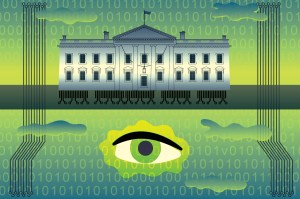
White House pick for US cyber director spotlights hiring outside STEM
It’s also been a priority of the Office of Personnel Management to reform the way agencies look for and place cyber job candidates.
-
How US can get and stay ahead of adversaries on intelligence data
Data is playing an increasingly critical role in intelligence community operations and mission support.
-
Pentagon AI boss seeks ‘justified confidence’ to take tech into battle
Not a soldier but a data scientist, Martell headed machine-learning at companies including LinkedIn, Dropbox and Lyft before taking the job last year.
-
Navy creates three new IT submarine ratings to promote specialization
The sailors will specialize in communications, network security and electronic warfare.
-
US spy tool will lapse unless Congress and White House can cut deal
Section 702 of the Foreign Intelligence Surveillance Act will expire at the end of December.
-
For the federal government, Zero Trust is just the beginning
Zero Trust has been top-of-mind for the Department of Defense for some time now, as evidenced by the aggressive strategy unveiled by the agency.
-
How agencies can bolster cyber infiltration, ‘exfiltration’ defenses
Exfiltration can manifest itself in an accidental or intentional disclosure of internal data.
-
Zero hour for Zero Trust: How data tagging can speed implementation
Currently, agencies take their own unique approaches to the data discovery process, the authors say.
-
The US just got serious about cybersecurity. Contractors aren’t ready.
In many cases, companies that hold intelligence aren’t aware of their own role in national security, the author argues.
-
Pentagon debuts new data and AI strategy after Biden’s executive order
The strategy joins structures recently stood up within the Pentagon to govern data and artificial intelligence.
-
White House pick for US cyber director spotlights hiring outside STEM
It’s also been a priority of the Office of Personnel Management to reform the way agencies look for and place cyber job candidates.
-
How US can get and stay ahead of adversaries on intelligence data
Data is playing an increasingly critical role in intelligence community operations and mission support.
-
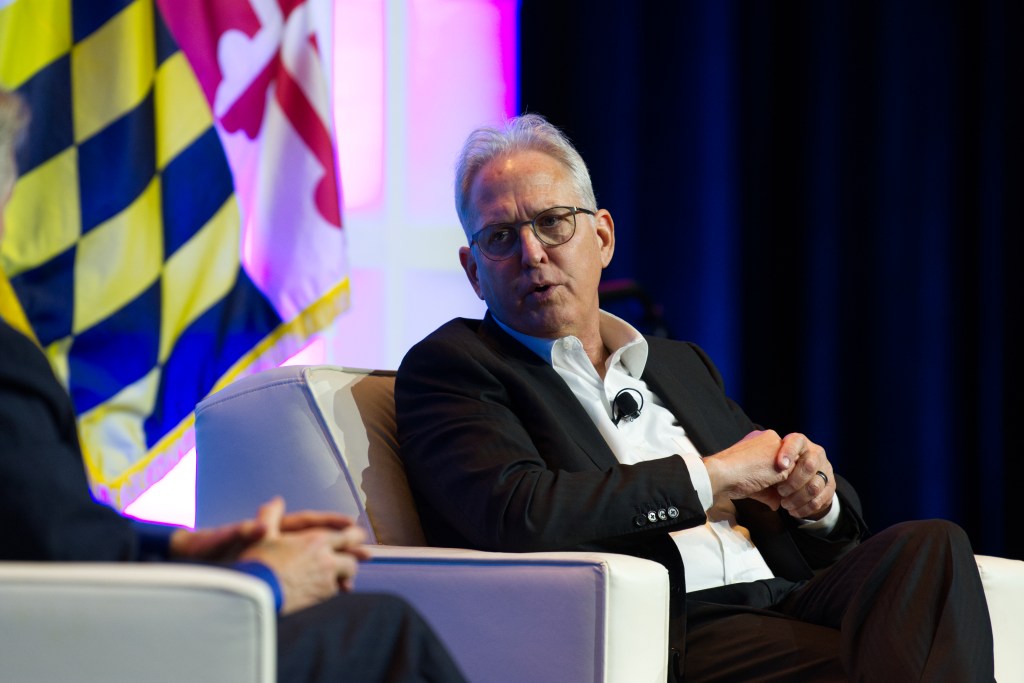
Pentagon AI boss seeks ‘justified confidence’ to take tech into battle
Not a soldier but a data scientist, Martell headed machine-learning at companies including LinkedIn, Dropbox and Lyft before taking the job last year.
-

Navy creates three new IT submarine ratings to promote specialization
The sailors will specialize in communications, network security and electronic warfare.
-

US spy tool will lapse unless Congress and White House can cut deal
Section 702 of the Foreign Intelligence Surveillance Act will expire at the end of December.
-
For the federal government, Zero Trust is just the beginning
Zero Trust has been top-of-mind for the Department of Defense for some time now, as evidenced by the aggressive strategy unveiled by the agency.
-

How agencies can bolster cyber infiltration, ‘exfiltration’ defenses
Exfiltration can manifest itself in an accidental or intentional disclosure of internal data.
-

Zero hour for Zero Trust: How data tagging can speed implementation
Currently, agencies take their own unique approaches to the data discovery process, the authors say.
-

The US just got serious about cybersecurity. Contractors aren’t ready.
In many cases, companies that hold intelligence aren’t aware of their own role in national security, the author argues.
-

Pentagon debuts new data and AI strategy after Biden’s executive order
The strategy joins structures recently stood up within the Pentagon to govern data and artificial intelligence.
-

White House pick for US cyber director spotlights hiring outside STEM
It’s also been a priority of the Office of Personnel Management to reform the way agencies look for and place cyber job candidates.
-
How US can get and stay ahead of adversaries on intelligence data
Data is playing an increasingly critical role in intelligence community operations and mission support.