In the ever-evolving world of tactical radios and other communications systems, the flow of budgetary dollars says a lot about priorities. Comparing the budget request for 2016 to that from 2015, for example, shows that the Army is spending less on buying equipment for the Joint Tactical Radio System, while the Navy is spending quite a bit more on JTRS research and development, year over year.
Related: A Revolution in Tactical Radios
According to budget data analyzed by VisualDoD, the Army’s procurement request for JTRS is $64.6 million, down by $111 million. Meanwhile, the Navy’s RDT&E request for JTRS is $25.1 million, up by nearly $18 million from the previous year. (The Army has also requested nearly $13 million for JTRS RTD&E.)
Take a look at the chart below for some other losers and gainers in the 2016 budget.
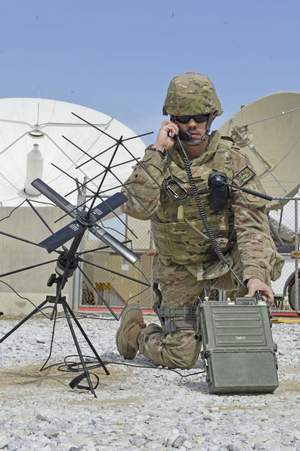
The changing face of war is changing the concept of tactical radios.
Photo Credit: DoD