-

What is the rationale behind election interference?
Attacking the American cognitive space, in pursuit of split and division in this democratic republic, has an obvious goal. But what is the Russian return on investment?
-
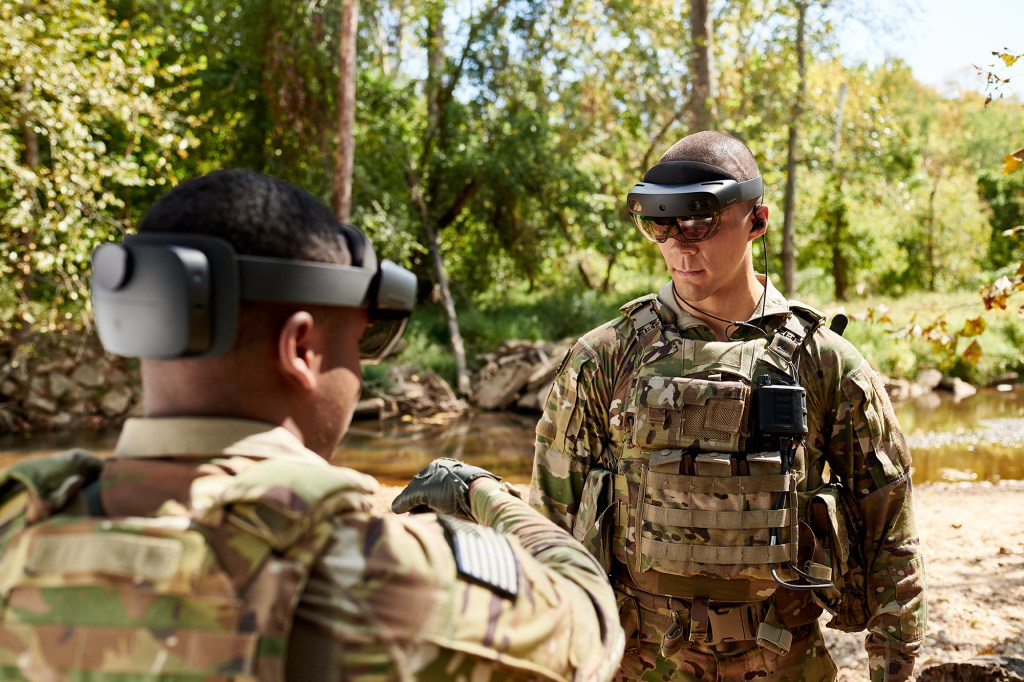
Augmented reality: Seeing the benefits is believing
Technical advancements bring us new options and abilities, and they increase mission success. But as with all uncharted territory, they also bring surprises and unanticipated outfalls.
-
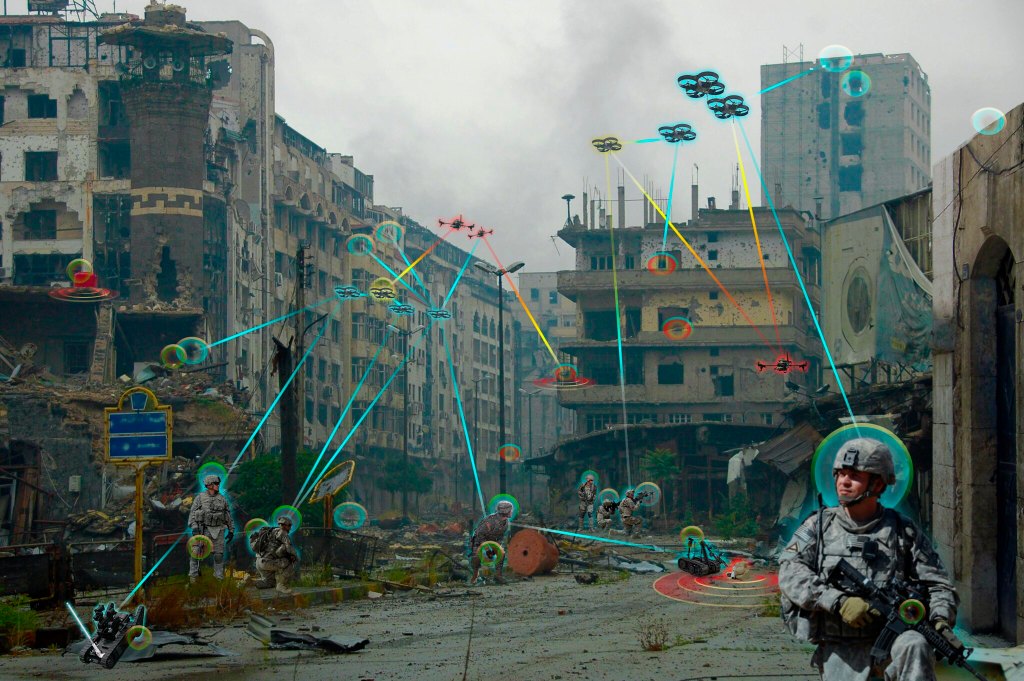
For ethical artificial intelligence, security is pivotal
AI is a top priority in the United States and to our friendly foreign partners, but potential adversaries will make the pursuit of finding ways to compromise these systems a top priority of their own.
-
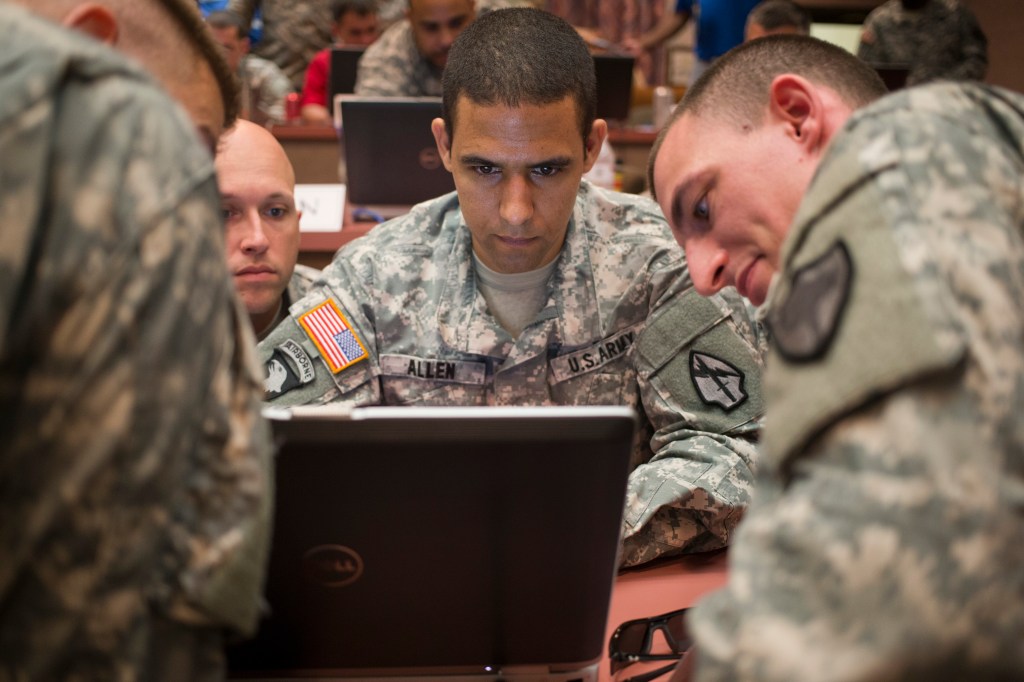
Warrant officers should be the next cyber operators
There is too much turnover among non-commissioned officer/enlisted cyber operators to match the expanding need for a highly qualified and technically cognizant cyber force. Here’s what the Army should do instead.
-

What COVID-19 can teach us about cyber resilience
COVID-19 has created increased stress on our logistic, digital, public, and financial systems and this could in fact resemble what a major cyber conflict would mean to the general public.
-
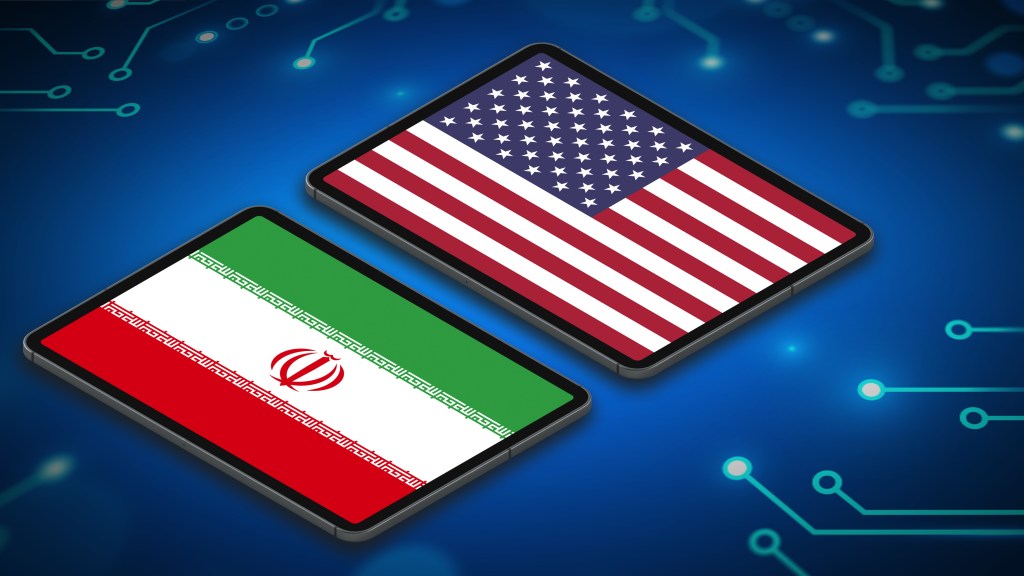
Why Iran would avoid a major cyberwar
What’s in it for Iran to launch a massive cyber engagement against the free world? What can they win and what would their regime lose?
-
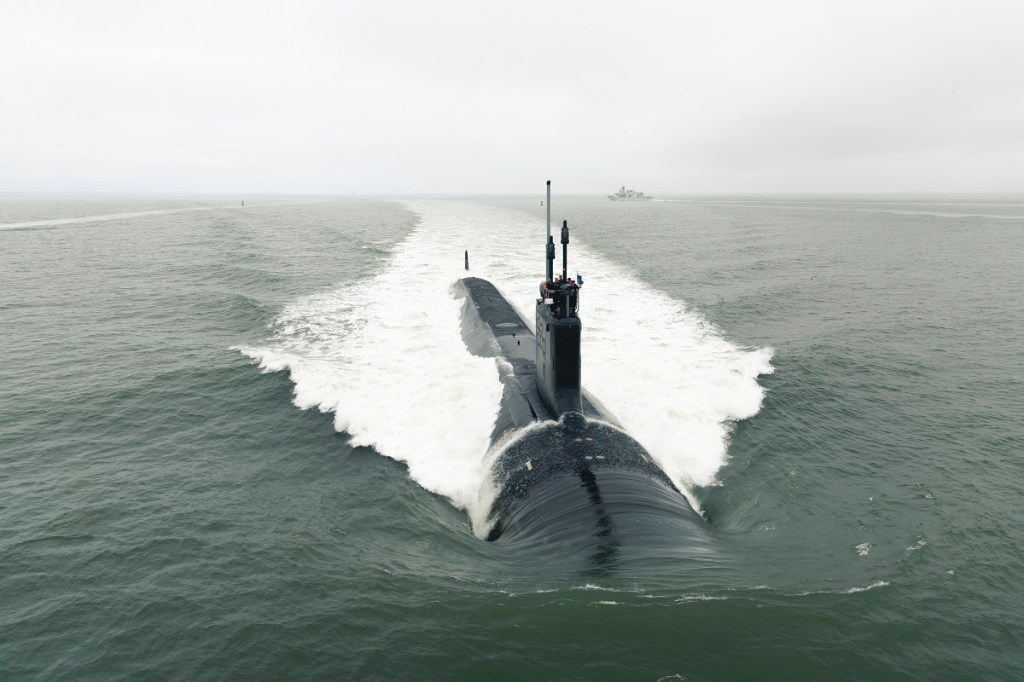
A new mindset for the Army: silent running
The Army mindset must change to mirror the Navy’s tactic of “silent running” used to evade adversarial threats.
-
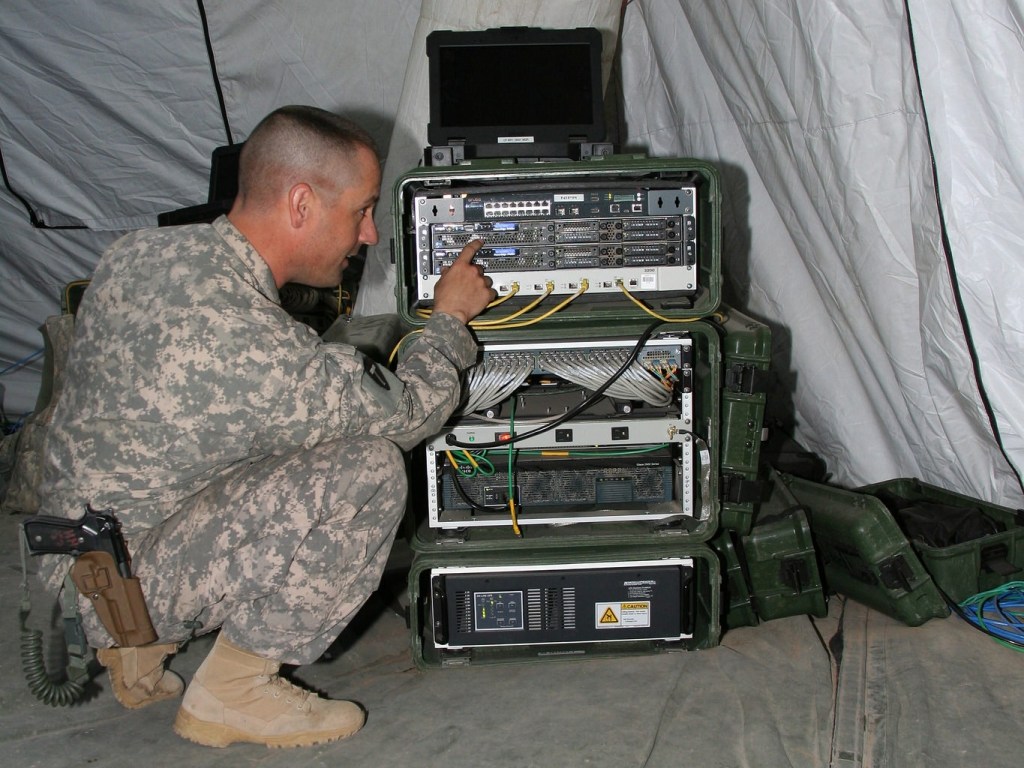
Integrate cyber maintenance into the US Army’s battle rhythm
The war fighter preparing for the future fight must be able to trust the cyber equipment’s readiness, and the absence of ordered cyber maintenance is an ongoing vulnerability.
-
After a cyberattack, the waiting is the hardest part
Cyberattacks on critical infrastructure may not have the payoff that an adversary wants.
-
What is the rationale behind election interference?
Attacking the American cognitive space, in pursuit of split and division in this democratic republic, has an obvious goal. But what is the Russian return on investment?
-
Augmented reality: Seeing the benefits is believing
Technical advancements bring us new options and abilities, and they increase mission success. But as with all uncharted territory, they also bring surprises and unanticipated outfalls.
-
For ethical artificial intelligence, security is pivotal
AI is a top priority in the United States and to our friendly foreign partners, but potential adversaries will make the pursuit of finding ways to compromise these systems a top priority of their own.
-
Warrant officers should be the next cyber operators
There is too much turnover among non-commissioned officer/enlisted cyber operators to match the expanding need for a highly qualified and technically cognizant cyber force. Here’s what the Army should do instead.
-
What COVID-19 can teach us about cyber resilience
COVID-19 has created increased stress on our logistic, digital, public, and financial systems and this could in fact resemble what a major cyber conflict would mean to the general public.
-
Why Iran would avoid a major cyberwar
What’s in it for Iran to launch a massive cyber engagement against the free world? What can they win and what would their regime lose?
-
A new mindset for the Army: silent running
The Army mindset must change to mirror the Navy’s tactic of “silent running” used to evade adversarial threats.
-
Integrate cyber maintenance into the US Army’s battle rhythm
The war fighter preparing for the future fight must be able to trust the cyber equipment’s readiness, and the absence of ordered cyber maintenance is an ongoing vulnerability.
-
After a cyberattack, the waiting is the hardest part
Cyberattacks on critical infrastructure may not have the payoff that an adversary wants.