-
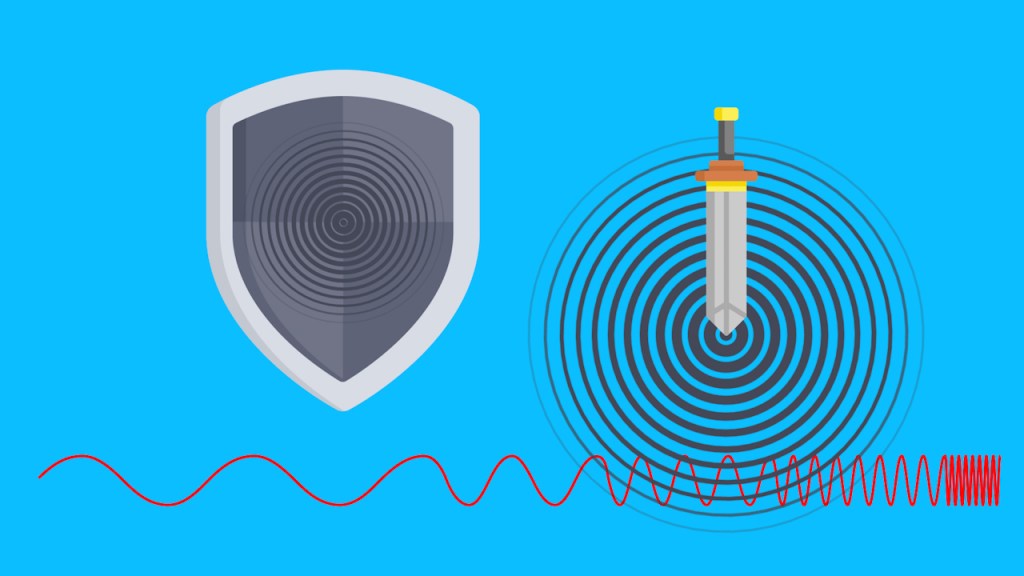
Command by intent can ensure command post survivability
The modern battlefield is like the ocean: there is nowhere to hide, so survival depends on the ability to avoid targeting and maintain a stealthy posture.
-

Demilitarize civilian cyber defense, and you’ll gain deterrence
By constantly flexing the military’s cyber muscles to defend the homeland from inbound criminal cyber activity, the public demand for a broad federal response to illegal cyber activity is satisfied. Still, over time, the potential adversary will understand our military’s offensive cyber operations’ tactics, techniques and procedures.
-
Inflation is the silent cyberthreat jeopardizing our workforce
The inflation expectations in 2022 are the highest in decades, which will directly impact the cost to attract and retain a cyber workforce.
-
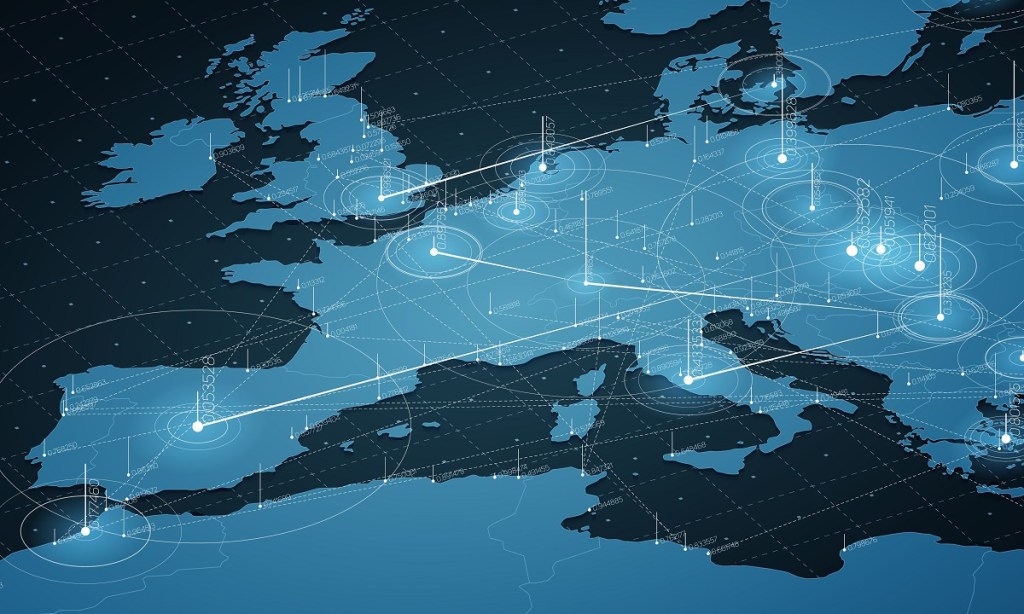
How an adversary could take advantage of Europe’s data releases
We underestimate the significance of the available information that a potential adversary can easily acquire.
-
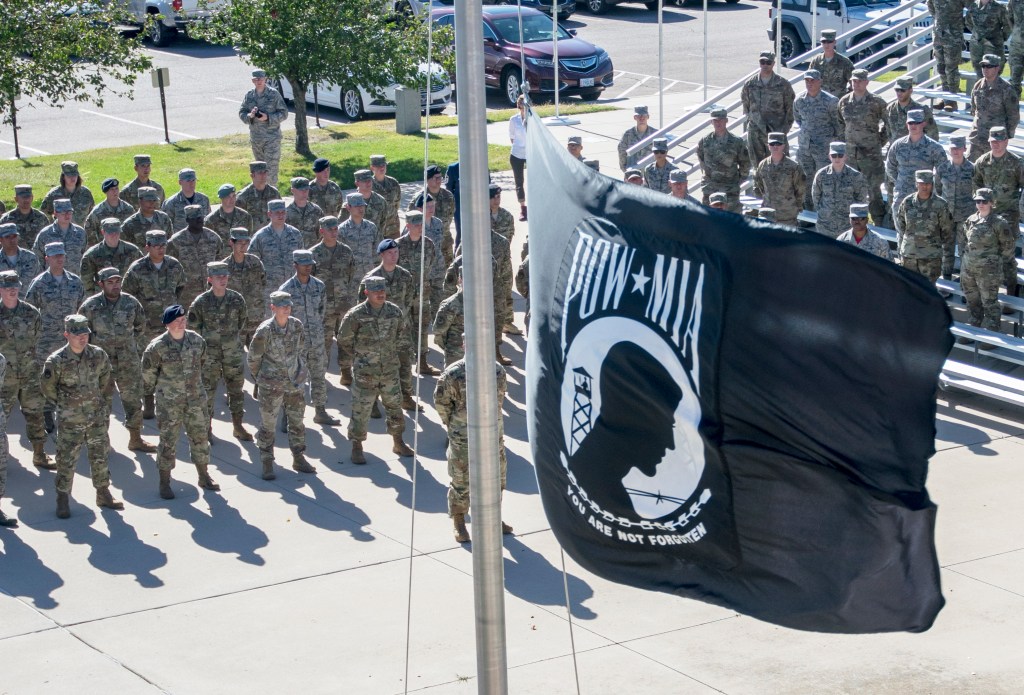
US military must prepare for POW concerns in the deepfake era
The authors suggest four preliminary steps to prepare for manipulated recordings and photos of POWs, including establishing methods to identify doctored videos quickly after adversaries send them out.
-

The long-term cost of cyber overreaction
A reactive culture triggered by cyberattacks provides significant information to a probing adversary, the author argues.
-
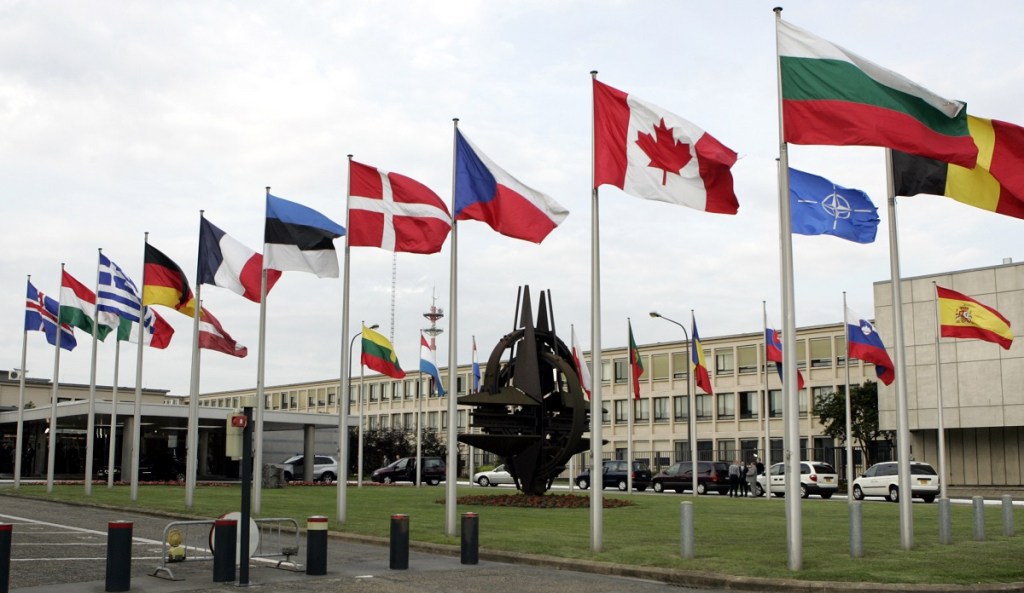
Prioritize NATO integration for multidomain operations
The U.S. military’s modernization efforts increase technological disparity and challenges for NATO, according to an expert who explains why integration is a must.
-
Solorigate attack — the challenge to cyber deterrence
Why is cyber deterrence given so much attention? Maybe because we want it to exist, the author argues.
-
Government cyber breach shows need for convergence
Keeping offensive and defensive cyber operations in silos results in exploitable weaknesses, according to three cyber experts.
-
How to protect troops from an assault in the cognitive domain
Social media has presented an opportunity for our adversaries to present a plethora of information that is meant to persuade our force.
-
Command by intent can ensure command post survivability
The modern battlefield is like the ocean: there is nowhere to hide, so survival depends on the ability to avoid targeting and maintain a stealthy posture.
-
Demilitarize civilian cyber defense, and you’ll gain deterrence
By constantly flexing the military’s cyber muscles to defend the homeland from inbound criminal cyber activity, the public demand for a broad federal response to illegal cyber activity is satisfied. Still, over time, the potential adversary will understand our military’s offensive cyber operations’ tactics, techniques and procedures.
-
Inflation is the silent cyberthreat jeopardizing our workforce
The inflation expectations in 2022 are the highest in decades, which will directly impact the cost to attract and retain a cyber workforce.
-
How an adversary could take advantage of Europe’s data releases
We underestimate the significance of the available information that a potential adversary can easily acquire.
-
US military must prepare for POW concerns in the deepfake era
The authors suggest four preliminary steps to prepare for manipulated recordings and photos of POWs, including establishing methods to identify doctored videos quickly after adversaries send them out.
-
The long-term cost of cyber overreaction
A reactive culture triggered by cyberattacks provides significant information to a probing adversary, the author argues.
-
Prioritize NATO integration for multidomain operations
The U.S. military’s modernization efforts increase technological disparity and challenges for NATO, according to an expert who explains why integration is a must.
-
Solorigate attack — the challenge to cyber deterrence
Why is cyber deterrence given so much attention? Maybe because we want it to exist, the author argues.
-
Government cyber breach shows need for convergence
Keeping offensive and defensive cyber operations in silos results in exploitable weaknesses, according to three cyber experts.
-
How to protect troops from an assault in the cognitive domain
Social media has presented an opportunity for our adversaries to present a plethora of information that is meant to persuade our force.