-

How Leon Panetta’s ‘Cyber Pearl Harbor’ warning shaped Cyber Command
In 2012, then-Defense Secretary Leon Panetta warned that a cyber attack on critical infrastructure could have catastrophic consequences rivaling Pearl Harbor.
-
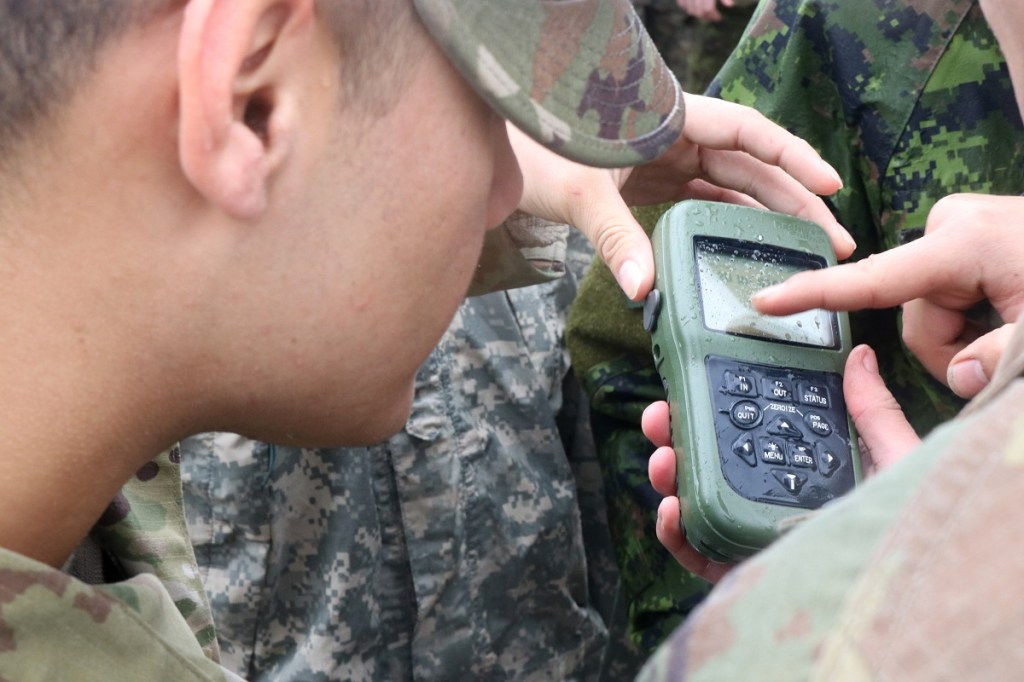
How the Army will take advantage of tactical cloud
The vision: to embed interconnected, high-power computing capability into a wide array of drones, soldier-worn sensors and vehicle-mounted ISR tools. So what’s the reality?
-
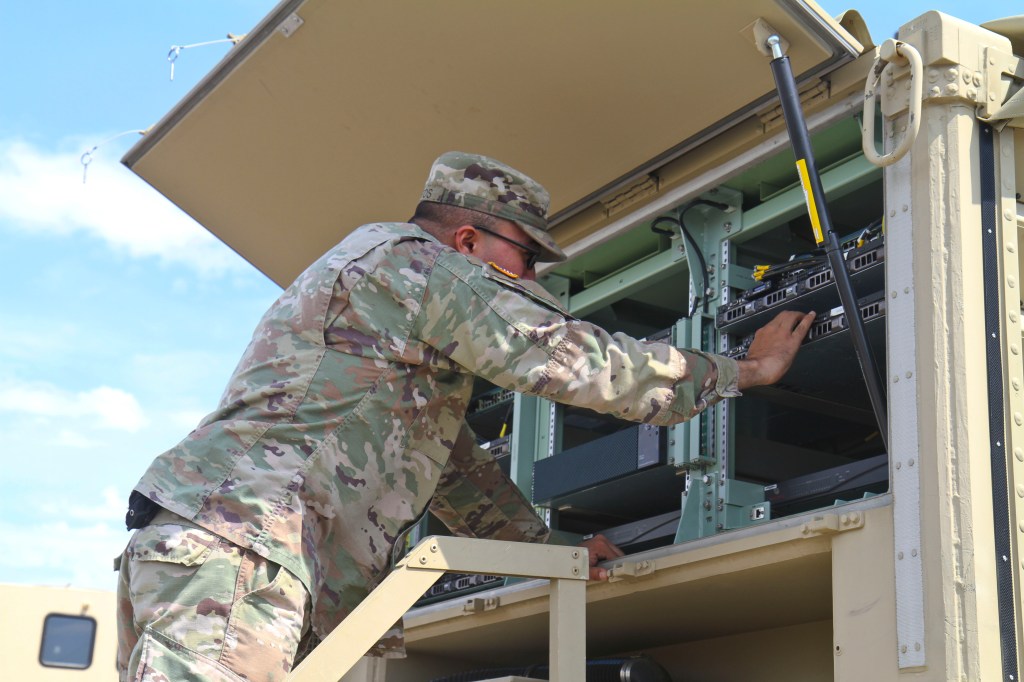
Rethinking the Army’s network means rethinking space
The Army’s emerging tactical network vision would make SATCOM virtually ubiquitous and easier to use.
-

Decoding how to update the federal workforce
A House subcommittee heard from experts in academia and industry, who together urged government to do more to diversify the cyber workforce pipeline.
-

How an electronic warfare update could help the Navy
The Navy recently awarded a contract for a shipboard electronic warfare system that helps commanders more effectively interpret the EW landscape.
-

Lockheed Martin begins testing on GPS 3 ground system
Lockheed Martin’s Contingency Operations ground system, which is expected to help fly GPS 3 satellites, began testing this week.
-

When it comes to satellites, less can be more
The Pentagon is taking baby steps toward smaller satellites after previous iterations became oversized targets.
-

Are reprogrammable satellites ready for prime time?
A new generation of satellites is coming to the launch pad, and it’s promising a tectonic shift in satellite operations.
-
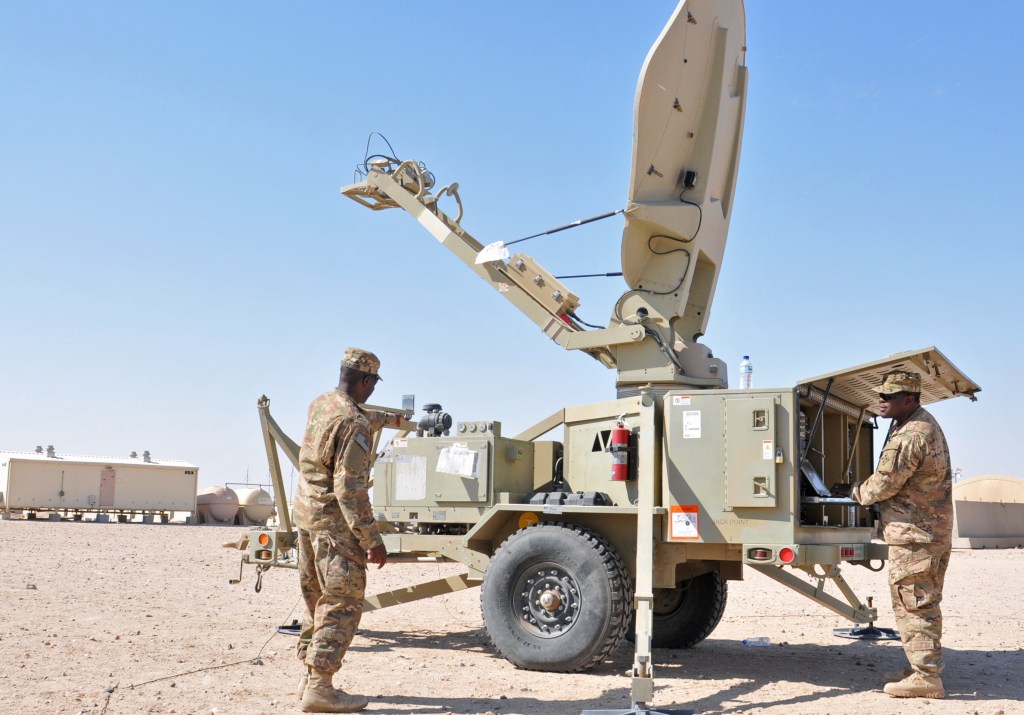
What if satellite communication was as simple as roaming cell service
Kratos RT Logic recently demonstrated a solution that would allow soldier to roam among multiple satellites and systems in much the same way the cellphones roam when they are deprived of a signal.
-

The Army hopes a new satellite will help alleviate congestion
The U.S. Air Force is expected to launch the next satellite in its Wideband Global SATCOM (WGS) program as early as March 13, a move that will bolster the military’s fundamental communication network.
-
How Leon Panetta’s ‘Cyber Pearl Harbor’ warning shaped Cyber Command
In 2012, then-Defense Secretary Leon Panetta warned that a cyber attack on critical infrastructure could have catastrophic consequences rivaling Pearl Harbor.
-
How the Army will take advantage of tactical cloud
The vision: to embed interconnected, high-power computing capability into a wide array of drones, soldier-worn sensors and vehicle-mounted ISR tools. So what’s the reality?
-
Rethinking the Army’s network means rethinking space
The Army’s emerging tactical network vision would make SATCOM virtually ubiquitous and easier to use.
-
Decoding how to update the federal workforce
A House subcommittee heard from experts in academia and industry, who together urged government to do more to diversify the cyber workforce pipeline.
-
How an electronic warfare update could help the Navy
The Navy recently awarded a contract for a shipboard electronic warfare system that helps commanders more effectively interpret the EW landscape.
-
Lockheed Martin begins testing on GPS 3 ground system
Lockheed Martin’s Contingency Operations ground system, which is expected to help fly GPS 3 satellites, began testing this week.
-
When it comes to satellites, less can be more
The Pentagon is taking baby steps toward smaller satellites after previous iterations became oversized targets.
-
Are reprogrammable satellites ready for prime time?
A new generation of satellites is coming to the launch pad, and it’s promising a tectonic shift in satellite operations.
-
What if satellite communication was as simple as roaming cell service
Kratos RT Logic recently demonstrated a solution that would allow soldier to roam among multiple satellites and systems in much the same way the cellphones roam when they are deprived of a signal.
-
The Army hopes a new satellite will help alleviate congestion
The U.S. Air Force is expected to launch the next satellite in its Wideband Global SATCOM (WGS) program as early as March 13, a move that will bolster the military’s fundamental communication network.