-
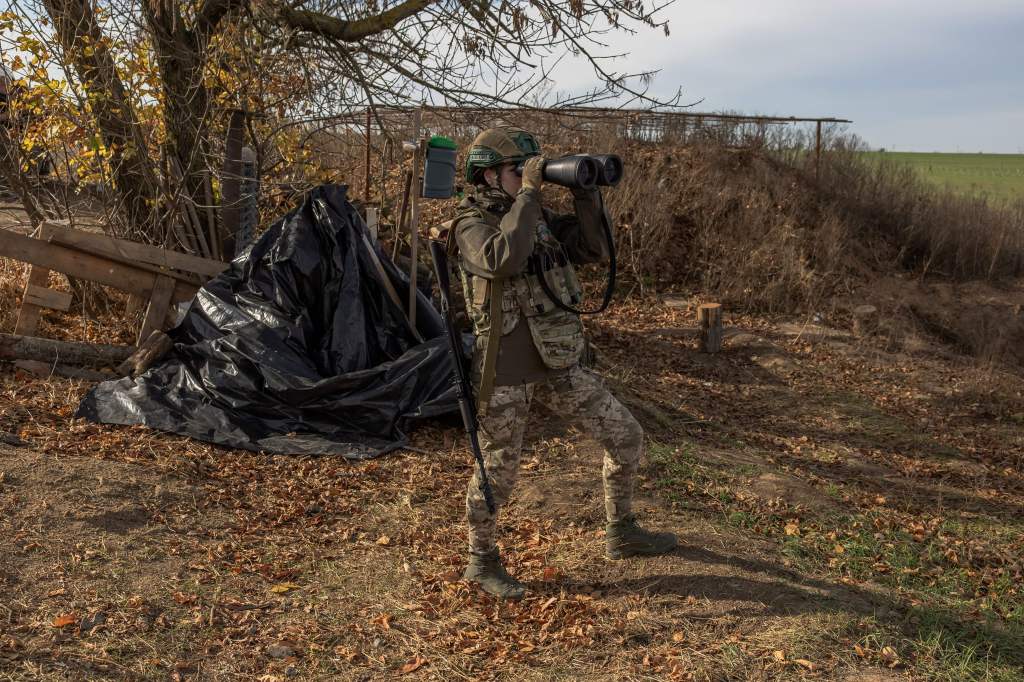
How Ukraine’s defense companies have adapted to two years of war
Manufacturers are fielding new capabilities so fast that some are already deemed obsolete in a matter of months.
-
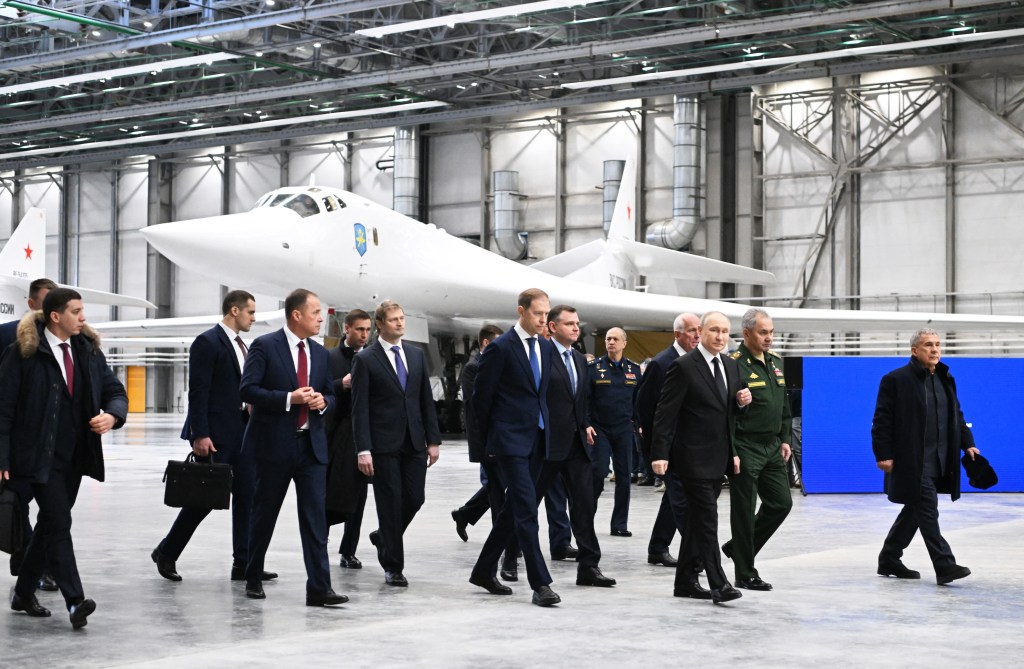
Russia’s maxed-out arms makers face labor, tech shortages
As the war against Ukraine enters is third year, Moscow’s carefully orchestrated image as a defense-industrial juggernaut is facing headwinds.

Featured:
Unmanned
Unmanned aerial systems, intelligence, reconnaissance and surveillance: More and more these assets are powering military operations and informing decision-making.
-
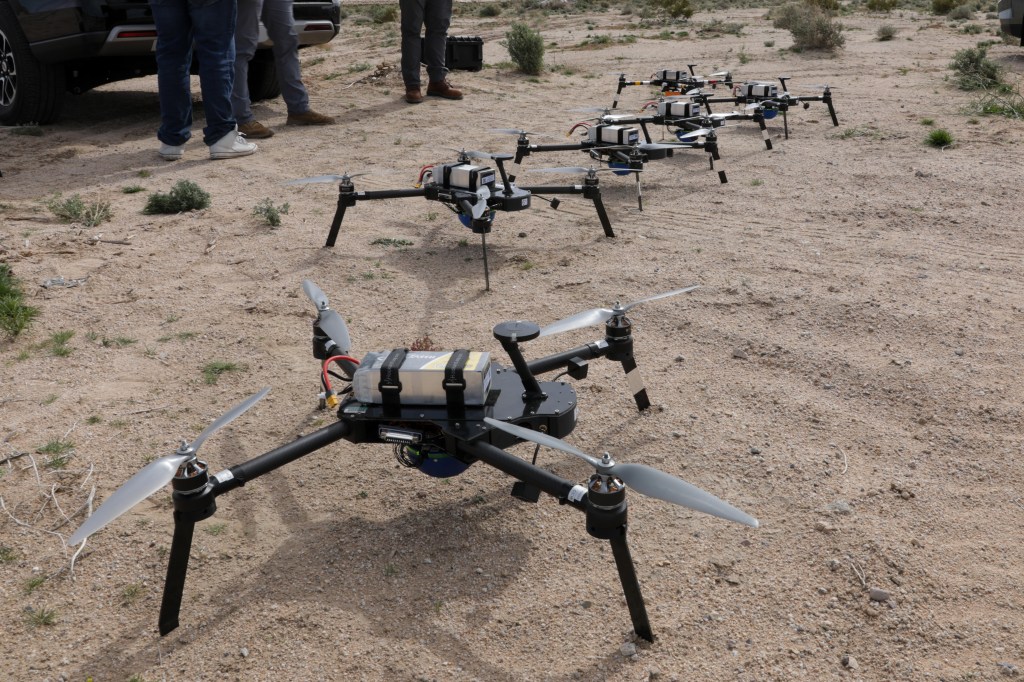
The Pentagon’s ‘Replicator’ drone bonanza faces an uncertain future
At stake is the military’s ability to adjust to the future of war and compete with China, its main rival.
-

Triton drones to be based in Florida
The Navy has chosen Mayport, Florida, as the East Coast base for its MQ-4C Triton UAV.
-
Booz Allen awarded JIDO contract
The task order, which has a maximum value of $325.9 million, is for enterprise information technology, according to the Pentagon.
-
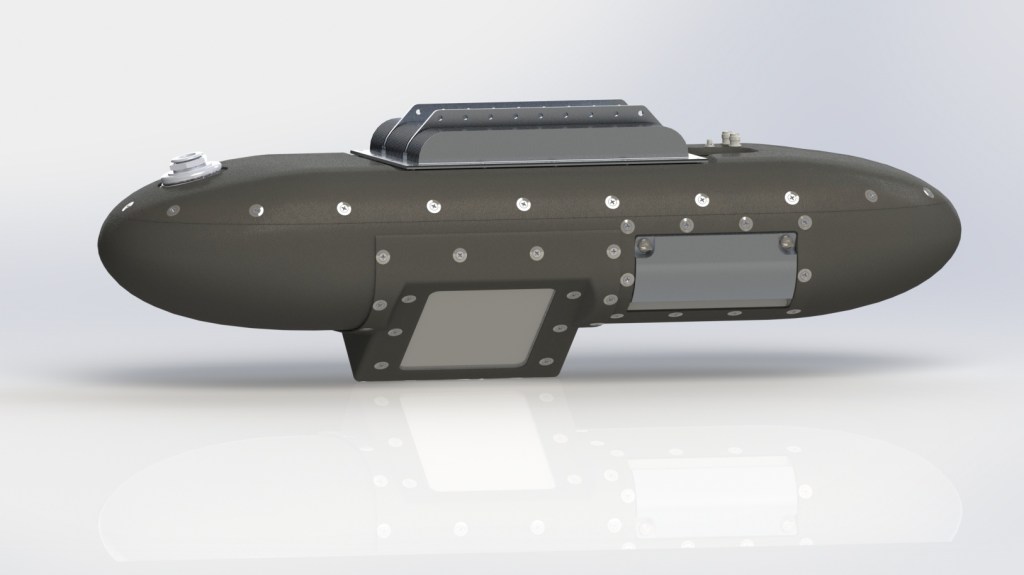
WAMI sensor tested on drone
For the first time, a wide-area motion imagery system has been carried in the internal payload bay of a small UAV.
-

High-def, low-light and LiDAR: the future of sensors
High definition thermal cameras, low-light CCDs and LiDAR all are experiencing rapid improvements.
-

University of New Mexico to improve semiconductors
The University of New Mexico in Albuquerque has been awarded a $7 million Air Force contract to develop better semiconductors.
-
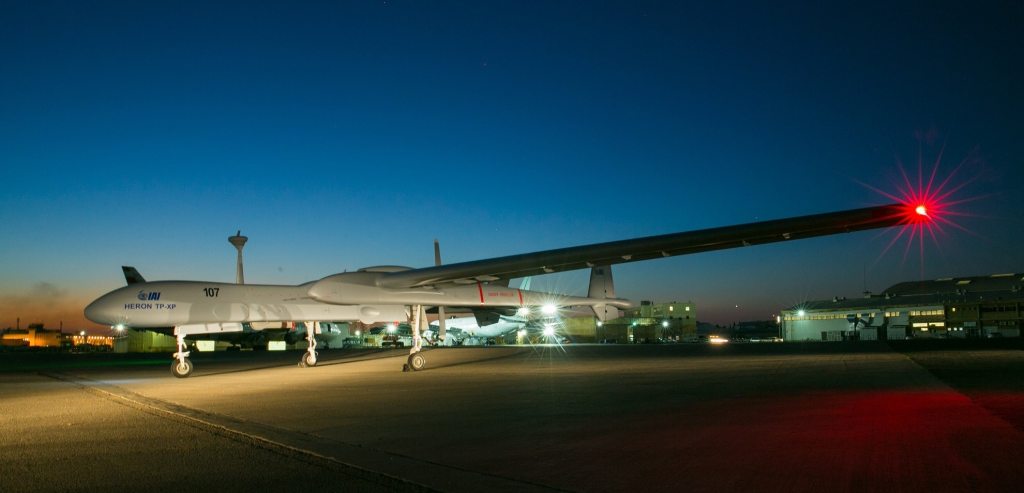
Israeli firm to debut MTCR-compliant Heron drone
State-owned Israel Aerospace Industries is debuting at this week’s Aero India show an export version of the Israeli Air Force’s heavy-hauling Eitan (Steadfast) unmanned aerial system, also known as the Heron TP.
-
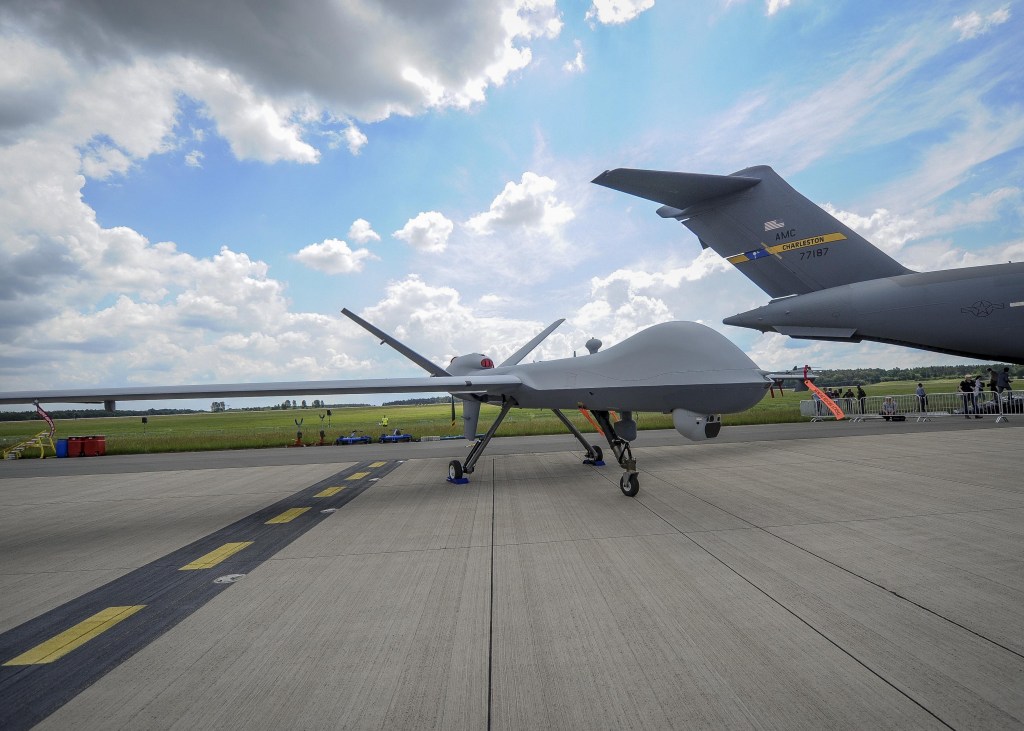
General Atomics unveils SkyGuardian drone
General Atomics has unveiled a variant of its Predator UAV designed to operate in civil airspace.
-
Army wants electronic-warfare capability for Gray Eagle drone
The Army is looking for an electronic-warfare system that can be integrated onto a Gray Eagle unmanned aircraft system, according to a request for information released this week.
-
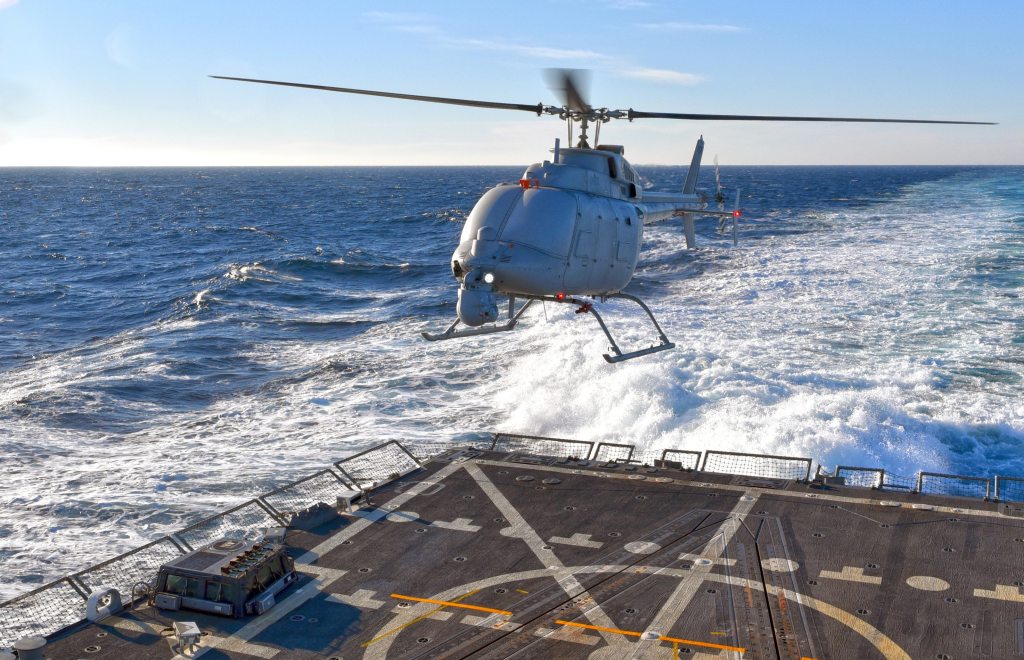
Unmanned warfare office eliminated in US Navy shuffle
A U.S. Navy office set up less than two years ago to oversee the warfare development of unmanned systems has been eliminated.
-
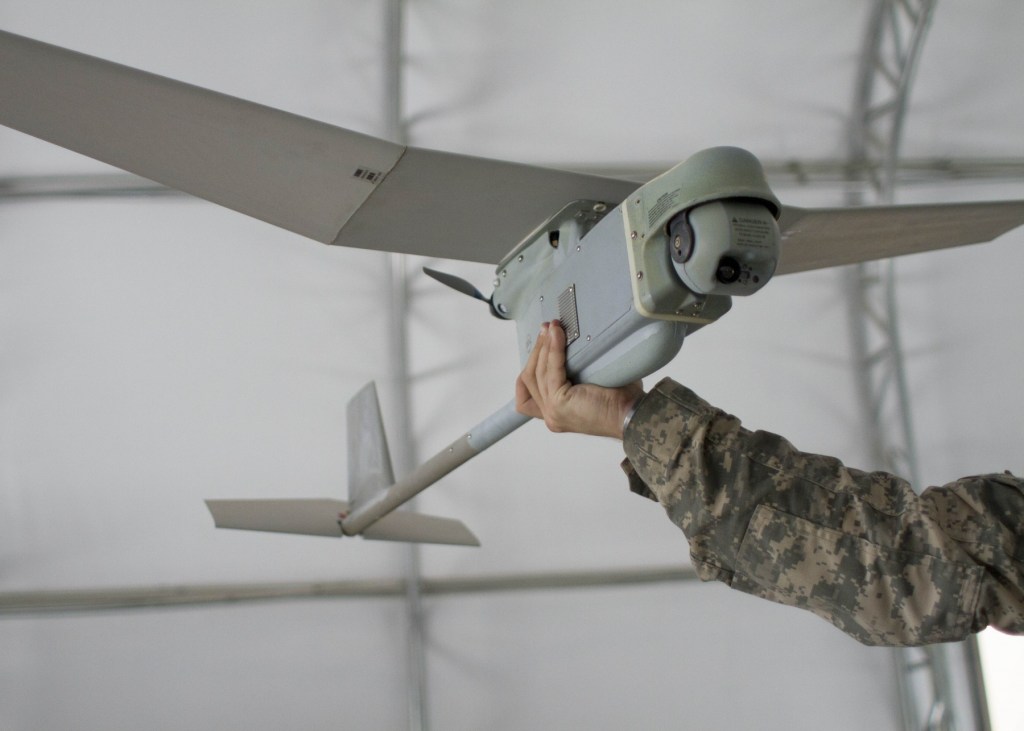
Army awards $65M anti-drone contract
Syracuse will develop and deliver “up to 15 sets of the low slow small unmanned aerial system integrated defeat system.”