-
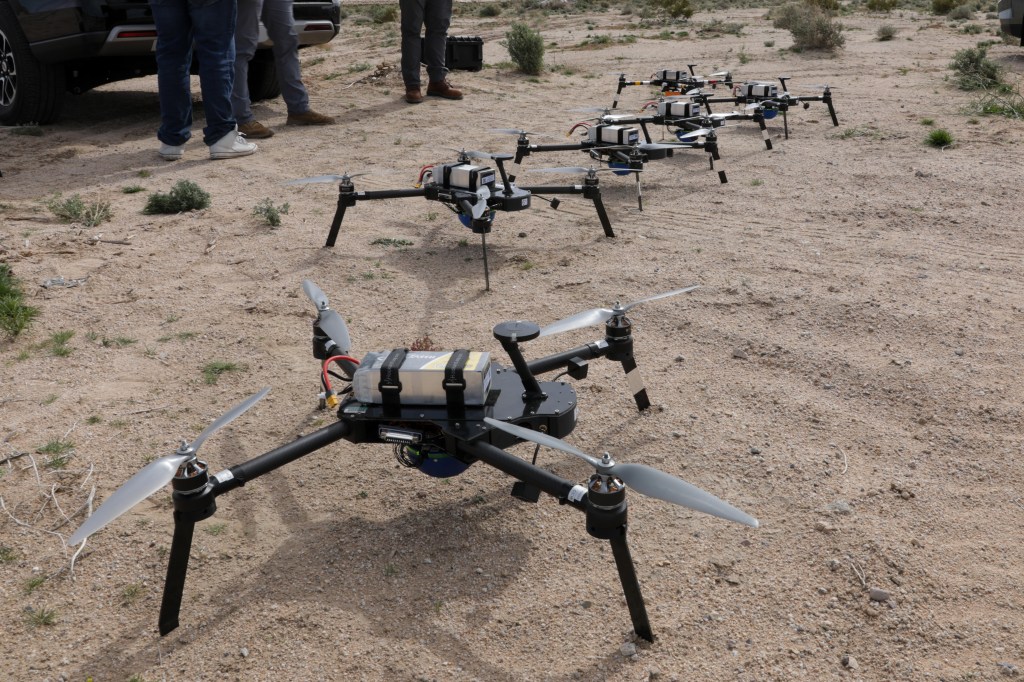
The Pentagon’s ‘Replicator’ drone bonanza faces an uncertain future
At stake is the military’s ability to adjust to the future of war and compete with China, its main rival.
-
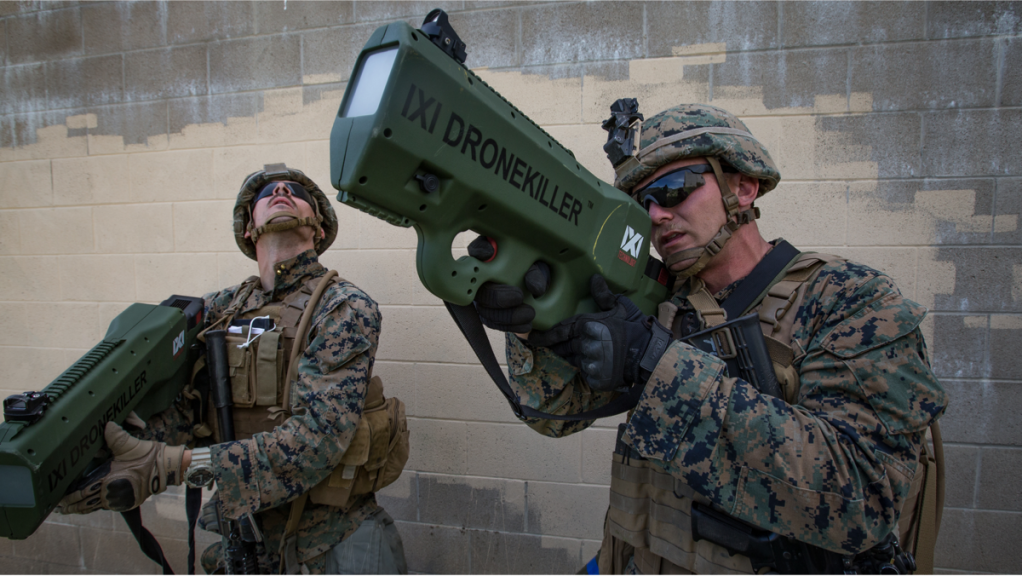
Pentagon green-lights counter-drone strategy amid ‘urgent’ threat
Austin’s strategy is aligned with other high-level DOD efforts, including Replicator 2, which aims to quickly field counter-drone technology.

Featured:
Unmanned
Unmanned aerial systems, intelligence, reconnaissance and surveillance: More and more these assets are powering military operations and informing decision-making.
-

Could MQ-9B drones draw Canada and Denmark closer in Arctic surveillance?
Both countries have ordered MQ-9B drones from General Dynamics, a hardware choice that some experts believe offers cooperation prospects in the High North.
-
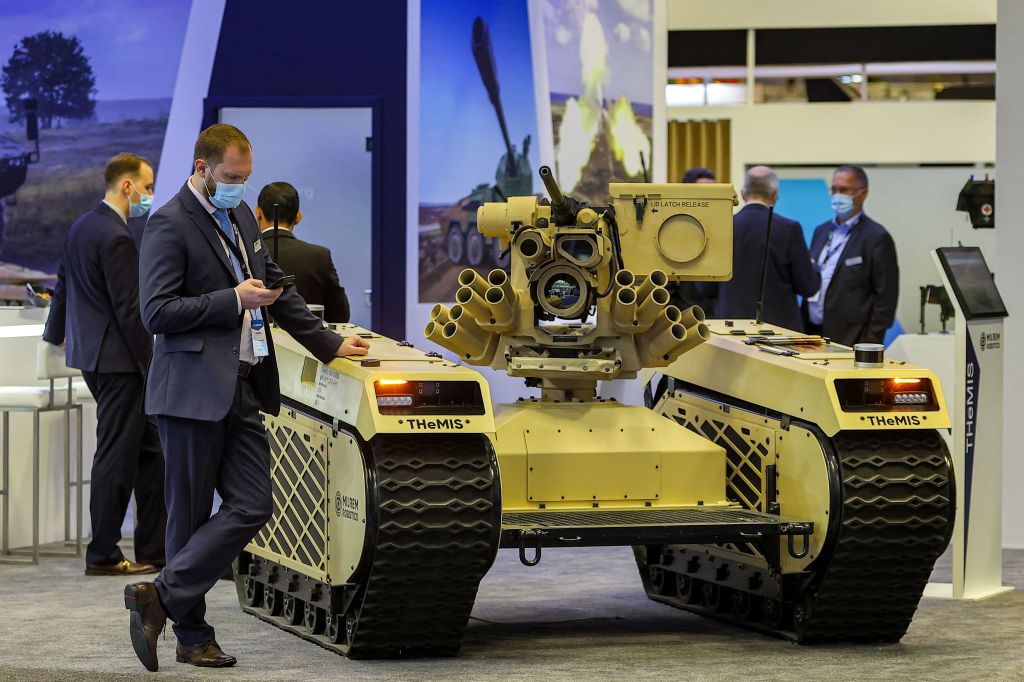
Spanish Army buys Milrem ground robot for testing
The evaluation comes as some European armies are in the market to equip their soldiers with robots for anything from cargo carrying to surveillance and attack missions.
-
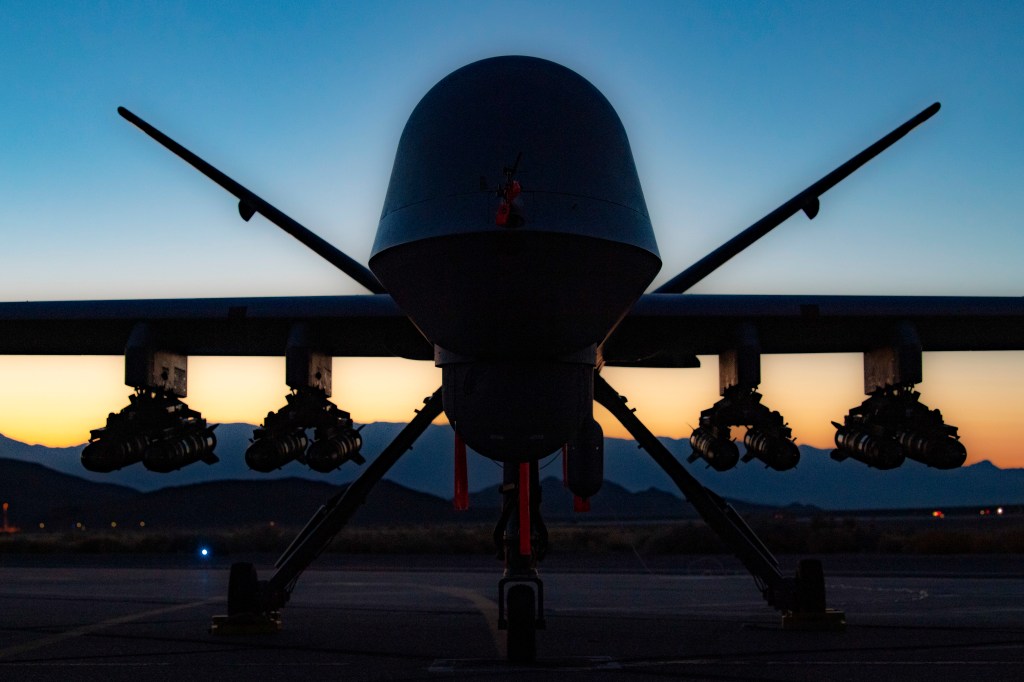
How does use of ‘ninja missile’ change counterterrorism?
Drone strikes have also been relatively effective at limiting collateral damage compared to other strike options—reducing deaths among both civilians on the ground as well as U.S. servicemembers who might otherwise take part in a ground raid. Needless to say, a more precise missile will only serve to keep lowering civilian casualties.
-

US Navy injects first-of-kind unmanned experiments into multinational exercise
Look no further than the Rim of the Pacific drills for clues about the sea service’s future fleet.
-
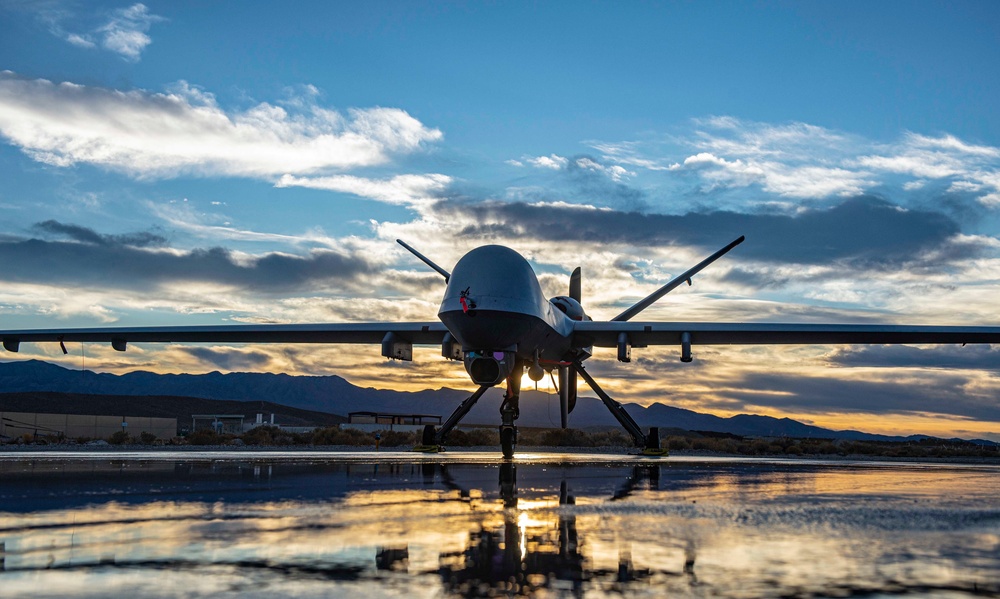
Which drone was used in Al-Zawahiri strike? Experts point to General Atomics’ Reaper
The MQ-9 Reaper, which is made by unmanned aerial vehicles company General Atomics, has been used in many notable strikes across recent presidential administrations.
-
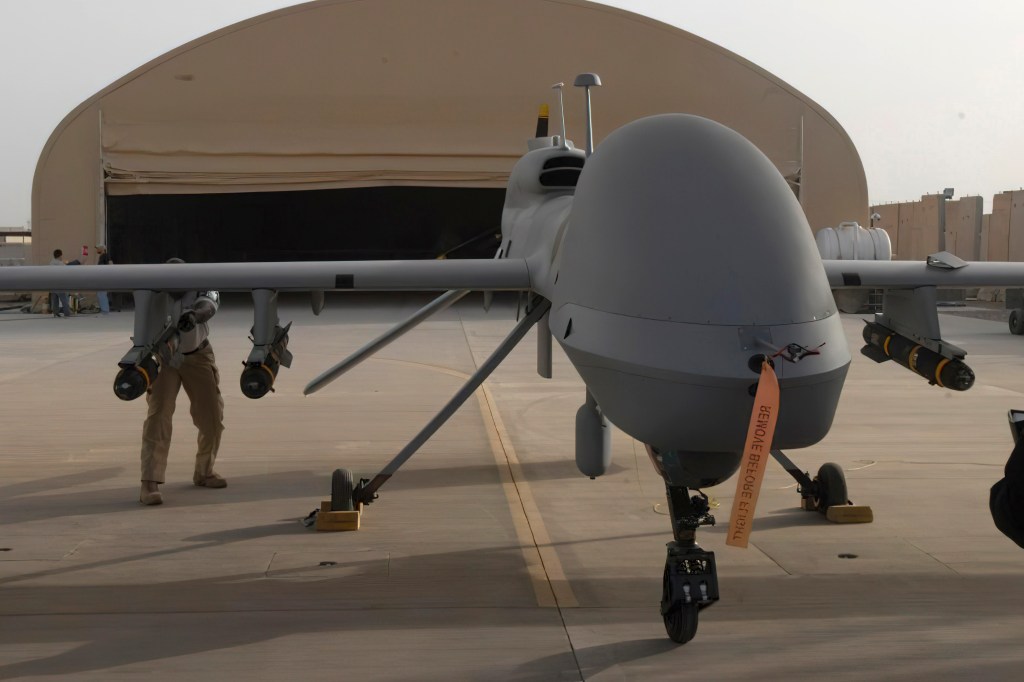
A look at the ‘knife bomb’ that may have killed al-Qaida leader
U.S. officials haven’t publicly said what weapon was used, but experts said a likely option was the highly secretive Hellfire R9X — know by various nicknames, like the “knife bomb.”
-
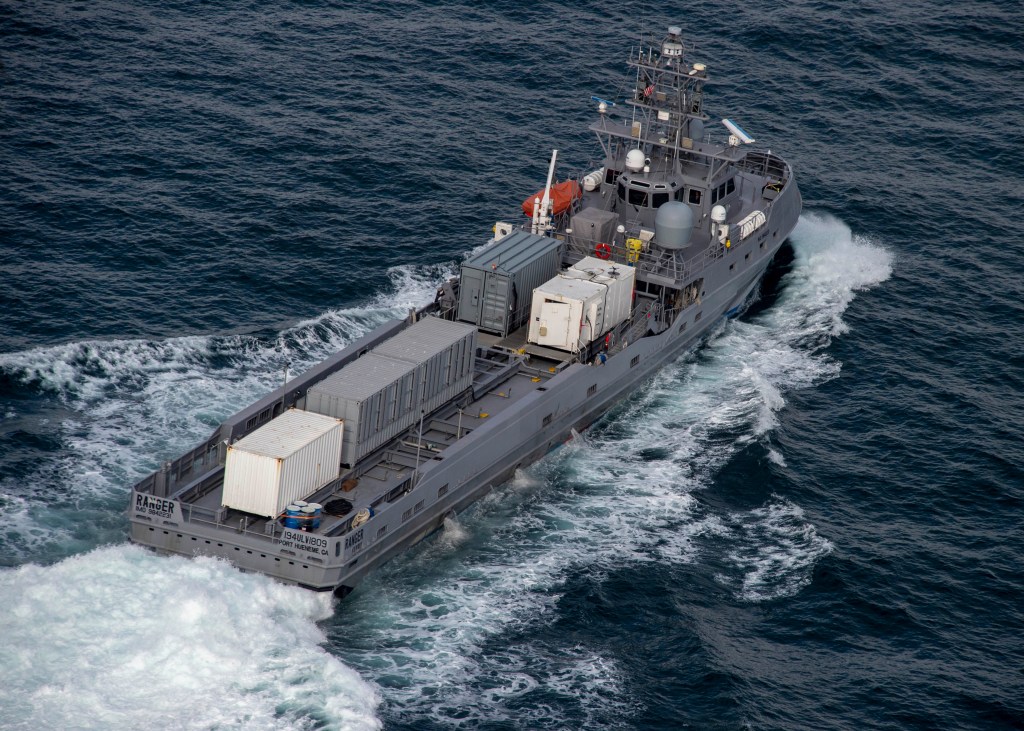
RIMPAC lessons will inform Navy’s pursuit of a program-of-record unmanned ship in 2025
Four unmanned surface vessels are operating at RIMPAC — and the lessons they generate will inform the path to a Large USV program of record in the next three years, and help determine if there’s a future for a Medium USV.
-
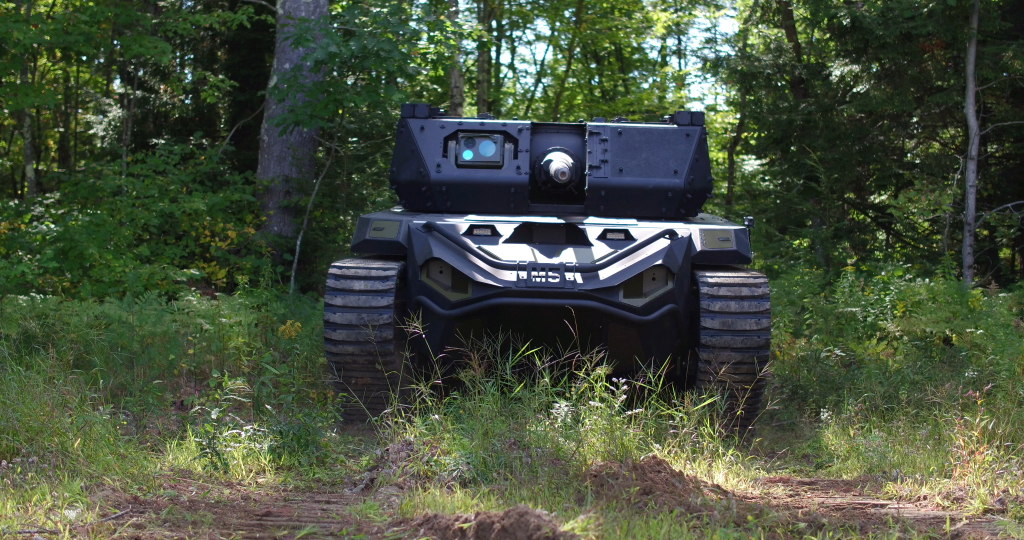
Army pursues shared software among uncrewed vehicles
The Army will focus on light robotic combat vehicles.
-
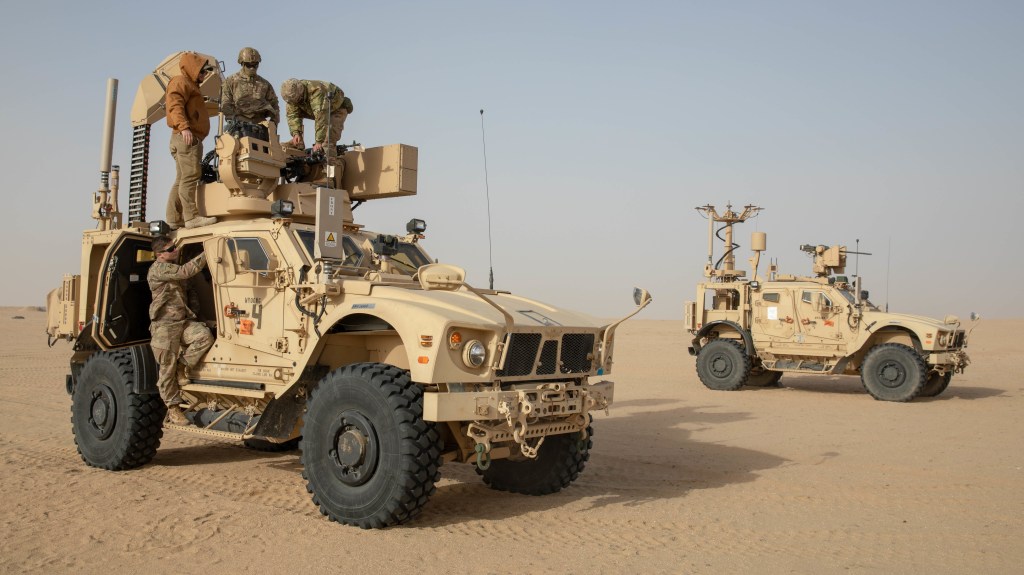
Leonardo DRS chief talks taking out drone swarms and what integrated sensing has in common with Tesla
The Army won’t be able to shoot down a swarm of enemy drones they way it would a single drone, Leonardo DRS CEO William Lynn said, so it needs a new strategy.
-

Up, up and away: Airbus’ Zephyr drone breaks flight record high above Arizona
Army Futures Command launched a record-breaking test of the Zephyr, a UAS designed by Airbus.
-

Future of autonomous flight comes into focus at Farnborough Airshow
“There is no reason why [a drone wingman] should be any less autonomous than what the F-35 is doing right now,” an F-35 pilot from the Royal Air Force said on Tuesday.