
-
Romanian servers targeted by Russian hackers to scoop up emails about NATO, EU
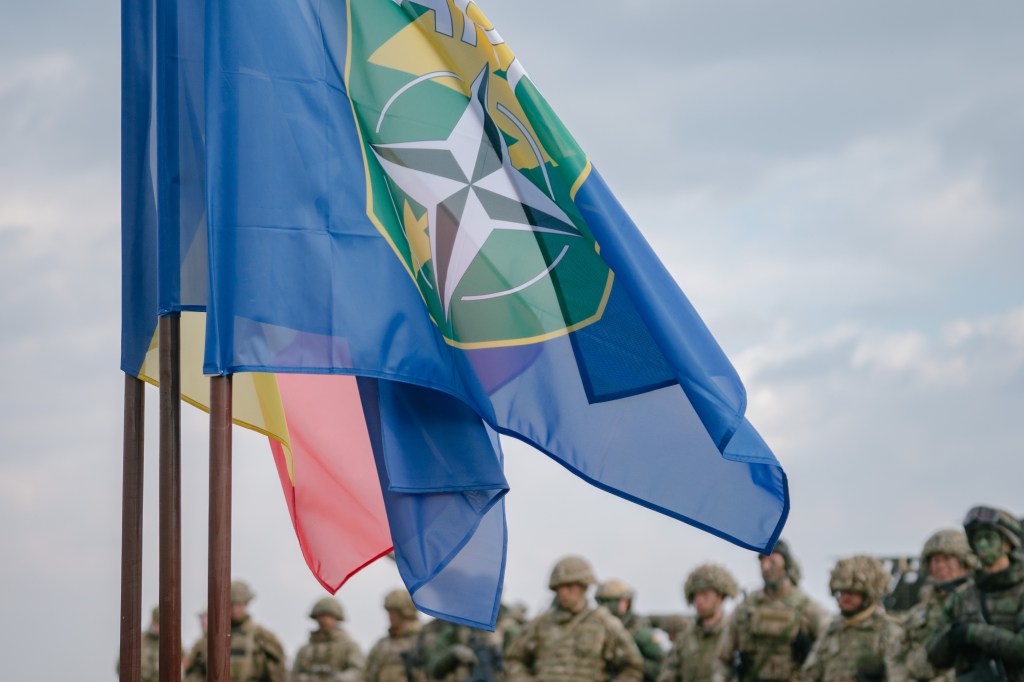
Hackers linked to Russia’s FSB quietly compromised a Romanian government organization’s servers to collect emails related to NATO and the EU in December 2025, a Slovak cybersecurity firm has revealed.
-

Ukraine confirms it sank Russian corvette in Libyan port
Ukraine was behind the explosive sinking of the Russian corvette Merkury in the Libyan port of Benghazi over the weekend, President Volodymyr Zelenskyy said, and the country’s military released accompanying videos.
-

German attack drones pass live-fire tests, with first deliveries planned this year
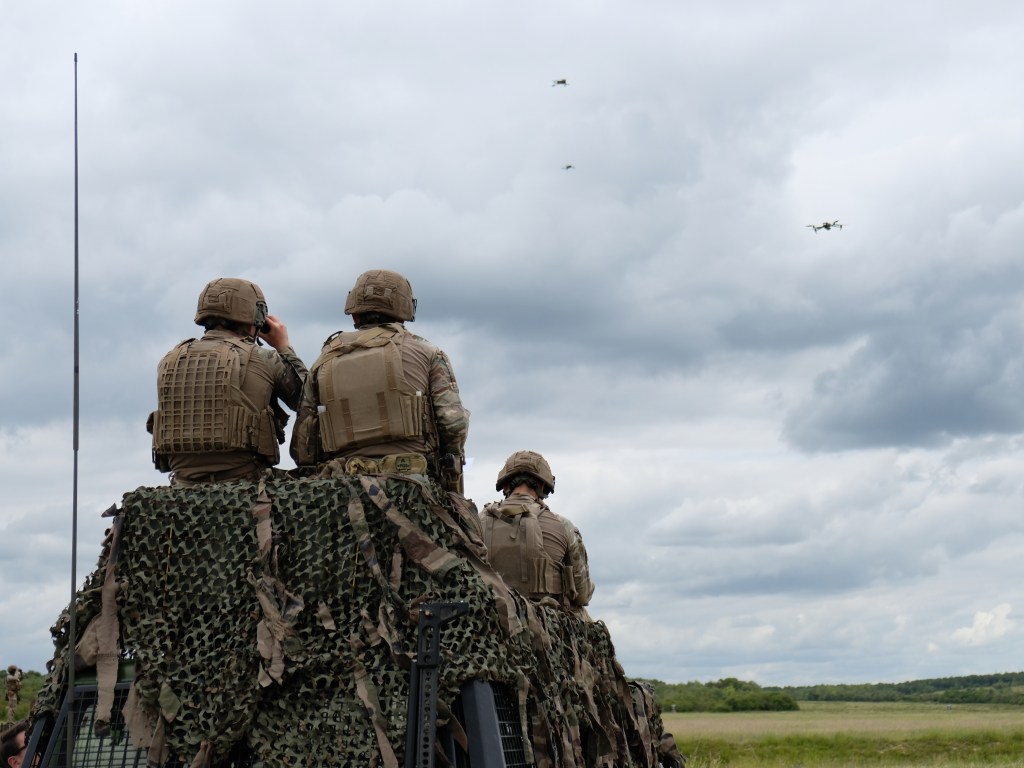
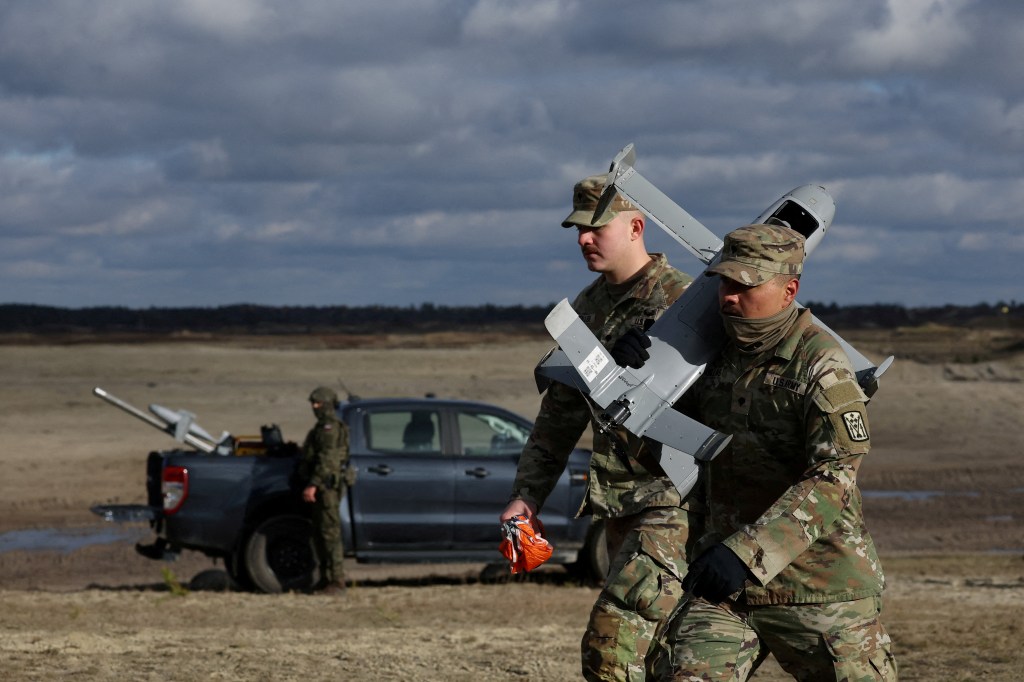
Two German one-way attack drone variants passed live-fire trials this month, clearing a step toward initial deliveries and troop training before the end of the year, Germany’s military procurement office said.
SPECIAL FEATURES

Space
-
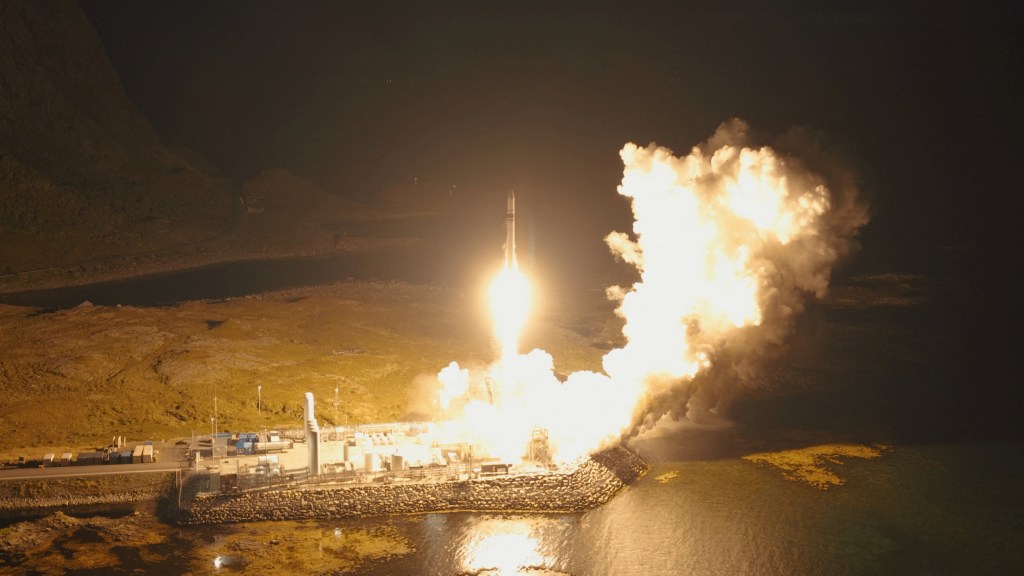
Europe’s push to reduce US reliance is reshaping the defense space market
Spooked by U.S. restrictions on satellite data access during recent crises, European countries are scrambling to catch up on sovereign capabilities.
Artificial Intelligence
-

VA inventory report reveals 367 AI systems operating in healthcare, benefits and services
A recently released report catalogs AI uses across the VA, from clinical tools used during patient care to systems that help process benefits.
-
The unlikely role of Operation Epic Fury in a Mississippi AI data center lawsuit
-
Ukraine’s defense AI chief predicts ‘new paradigm’ of warfare
-
AI companies have a responsibility to safeguard models against exploitation, Pentagon chief technology officer says
-
AI tool has ‘saved a lot of aircraft’ in Epic Fury, AFSOC chief says
VIDEOS
-
Ukraine strikes Russian warship and cargo vessel with naval drones in Libya
Ukrainian president Volodymyr Zelenskyy said seven naval drones were used in the attack, which sank the Russian corvette Merkury.
Featured Videos





Cyber
-

German firm Hensoldt acquires UK radar maker
The terms of the deal have not been made public, but Hensoldt said subject to regulatory approval it hoped to close the takeover by the end of September.
Electronic Warfare
-
Europe’s push to reduce US reliance is reshaping the defense space market
Spooked by U.S. restrictions on satellite data access during recent crises, European countries are scrambling to catch up on sovereign capabilities.
More Stories
-
Resiliency at the intersection of kinetic, non-kinetic operations
The ability for weapons systems to operate through attacks hinges on building in security up front.
-
High-energy laser weapons target UAVs
Lasers are the most exotic of anti-unmanned aerial vehicle weapons, and the U.S. has several directed energy weapons projects underway.
-
Navy’s intel chief battling clearance controversy, cyber struggles
Navy intelligence isn’t suffering because its top official can’t see classified information — but cyber operations need help.
-
Creating a common cyber lexicon: Harder than it looks
The Navy, and the broader DoD, are working out how to best describe and define their operations in cyberspace.
-
ODNI task force and DoD partner to fight insider threats
The National Insider Threat Task Force is working closely with the Department of Defense to build solid insider threat programs.
-
Apple, FBI encryption clash brings ‘backdoor’ debate to the fore
While not a full-scale “backdoor” encryption fight, the standoff between Apple and the FBI will have far-ranging implications.
-
DoD databases: A prime target for cyberattacks
Do DoD’s network security priorities leave databases vulnerable?
-
Air Force awards chemical detection contract
Spectrum Photonics has been awarded a $16.9 million contract to develop a chemical residue detection system.
-
Former White House adviser to chair new cyber commission
President Obama named a former cybersecurity adviser as chairman of the new Commission on Enhancing National Cybersecurity.
-
Military radar market to reach $13 billion
The global military radar market is forecast to reach $13 billion by 2020, according to a forecast by research firm MarketsandMarkets.
-
General Dynamics to support German Bunderswehr networks
General Dynamics Mission Systems’s partner QGroup has been awarded a German military contract for network security.
-
Apple’s refusal to crack San Bernardino iPhone foreshadows larger cyber, terror debate
The San Bernardino iPhone debate promises more tug-of-war between privacy and fighting terrorism.