
-
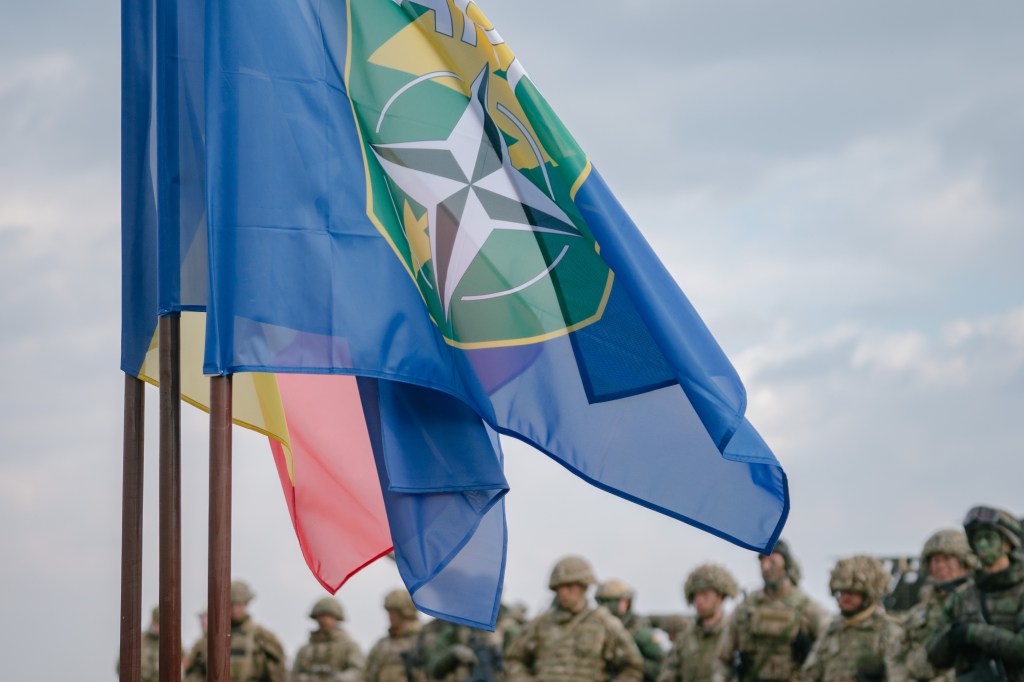
Romanian servers targeted by Russian hackers to scoop up emails about NATO, EU
Hackers linked to Russia’s FSB quietly compromised a Romanian government organization’s servers to collect emails related to NATO and the EU in December 2025, a Slovak cybersecurity firm has revealed.
-

Ukraine confirms it sank Russian corvette in Libyan port
Ukraine was behind the explosive sinking of the Russian corvette Merkury in the Libyan port of Benghazi over the weekend, President Volodymyr Zelenskyy said, and the country’s military released accompanying videos.
-

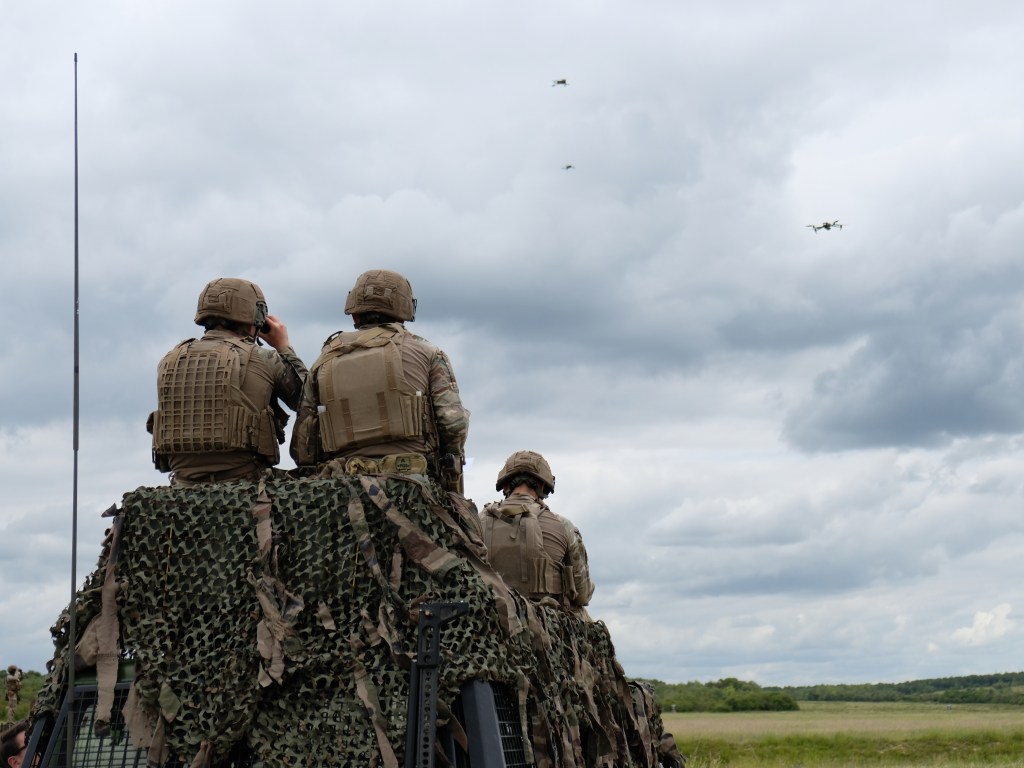
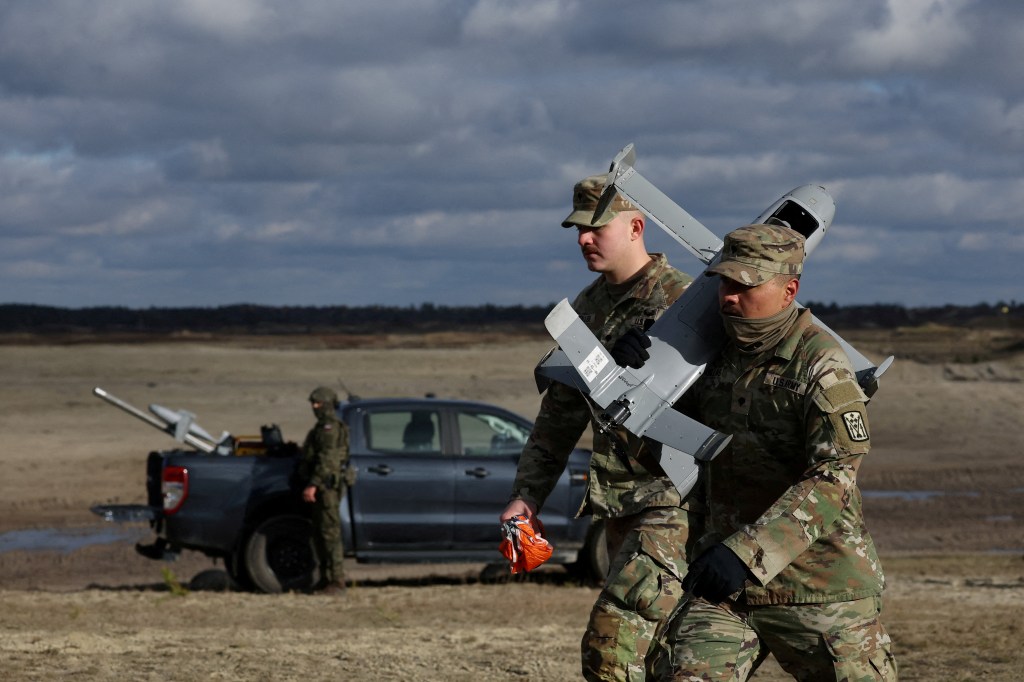
German attack drones pass live-fire tests, with first deliveries planned this year
Two German one-way attack drone variants passed live-fire trials this month, clearing a step toward initial deliveries and troop training before the end of the year, Germany’s military procurement office said.
SPECIAL FEATURES

Space
-
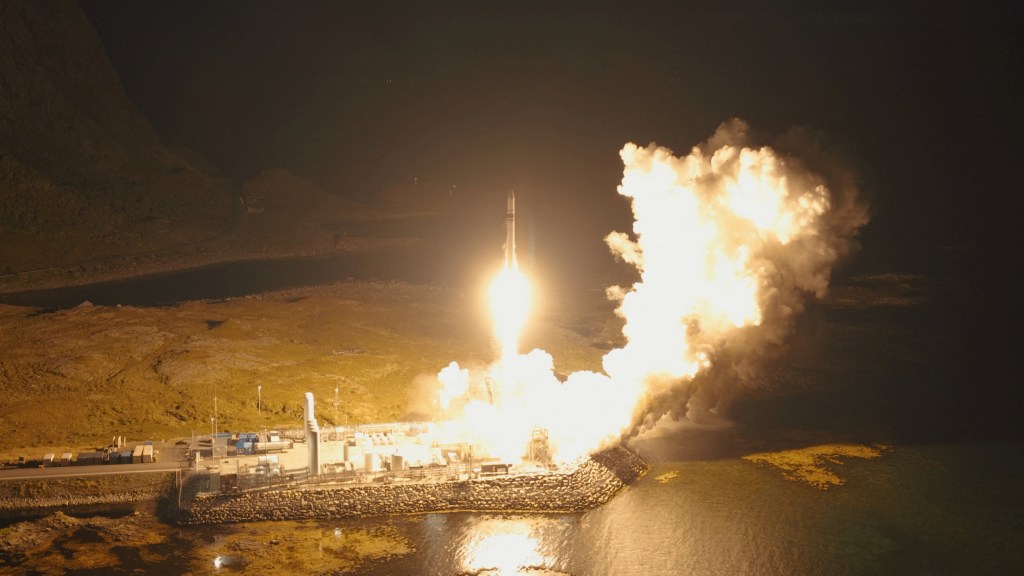
Europe’s push to reduce US reliance is reshaping the defense space market
Spooked by U.S. restrictions on satellite data access during recent crises, European countries are scrambling to catch up on sovereign capabilities.
Artificial Intelligence
-

VA inventory report reveals 367 AI systems operating in healthcare, benefits and services
A recently released report catalogs AI uses across the VA, from clinical tools used during patient care to systems that help process benefits.
-
The unlikely role of Operation Epic Fury in a Mississippi AI data center lawsuit
-
Ukraine’s defense AI chief predicts ‘new paradigm’ of warfare
-
AI companies have a responsibility to safeguard models against exploitation, Pentagon chief technology officer says
-
AI tool has ‘saved a lot of aircraft’ in Epic Fury, AFSOC chief says
VIDEOS
-
Ukraine strikes Russian warship and cargo vessel with naval drones in Libya
Ukrainian president Volodymyr Zelenskyy said seven naval drones were used in the attack, which sank the Russian corvette Merkury.
Featured Videos





Cyber
-

German firm Hensoldt acquires UK radar maker
The terms of the deal have not been made public, but Hensoldt said subject to regulatory approval it hoped to close the takeover by the end of September.
Electronic Warfare
-
Europe’s push to reduce US reliance is reshaping the defense space market
Spooked by U.S. restrictions on satellite data access during recent crises, European countries are scrambling to catch up on sovereign capabilities.
More Stories
-
Does NSA Support of CYBERCOM Blur Lines?
In this four-part series, C4ISRNET explores the underlying issues surrounding the potential split of the NSA and Cyber Command. In Part III: As officials continue to debate divorcing the two organizations, we investigate how the NSA’s support of CYBERCOM could blur lines.
-
Tactical timekeeper: Army to roll out tiny atomic clocks
Army planners say their tiniest timekeeper is almost ready for the big time.
-
Army orders Apache sensors in $49.3M contract
Lockheed Martin has been awarded a $49.3 million Army contract to upgrade sensors for the AH-64E Apache.
-
Improvements to public key infrastructure help soldiers at the tactical edge
The Army is extending network infrastructure to the dismounted soldier.
-
Does NSA Support of CYBERCOM Blur Lines?
In this four-part series, C4ISRNET explores the underlying issues surrounding the potential split of the NSA and Cyber Command. In Part III: As officials continue to debate divorcing the two organizations, we investigate how the NSA’s support of CYBERCOM could blur lines.
-
How are cyberthreats evolving?
Top cyber officials discussed the nature and evolution of the cyberthreat.
-
L-3 GPS receives security certification
M-Code GPS features improved anti-jamming technology and the ability to operate in contested environments.
-
DigitalGlobe buys rival Radiant Group in $140M deal
The sale of privately held Radiant will combine two major geospatial imagery companies.
-
Army orders ‘kamikaze drones’
AeroVironment has been awarded a $22.8 million contract for loitering munitions, popularly — if inaccurately — known as “kamikaze drones.”
-
What Would an Independent Cyber Command Look Like?
In this four-part series, C4ISRNET explores the underlying issues surrounding the potential split of the NSA and Cyber Command. In Part II, we consider how an independent Cyber Command might look.
-
New Army EW tool allows for greater mission planning, awareness
The Army is fielding a new tool to provide commanders greater understanding and awareness of the spectrum for better planning and decision-making
-
Intel on the front lines: IPC-2 helps close gaps
The Army is set to test-drive new brigade-level intelligence access.