
-
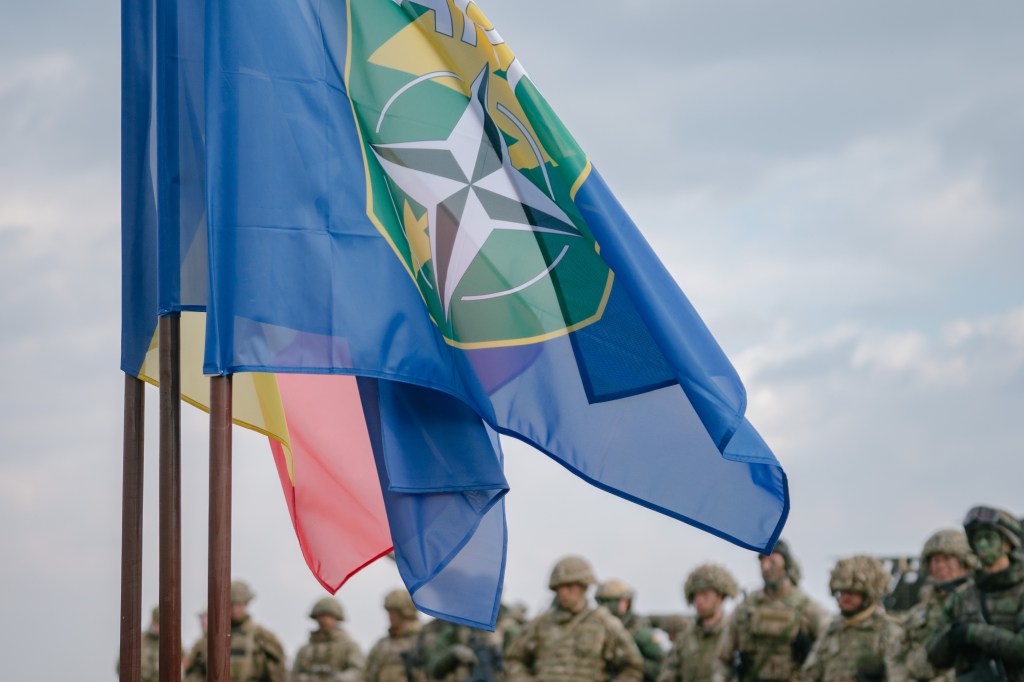
Romanian servers targeted by Russian hackers to scoop up emails about NATO, EU
Hackers linked to Russia’s FSB quietly compromised a Romanian government organization’s servers to collect emails related to NATO and the EU in December 2025, a Slovak cybersecurity firm has revealed.
-

Ukraine confirms it sank Russian corvette in Libyan port
Ukraine was behind the explosive sinking of the Russian corvette Merkury in the Libyan port of Benghazi over the weekend, President Volodymyr Zelenskyy said, and the country’s military released accompanying videos.
-

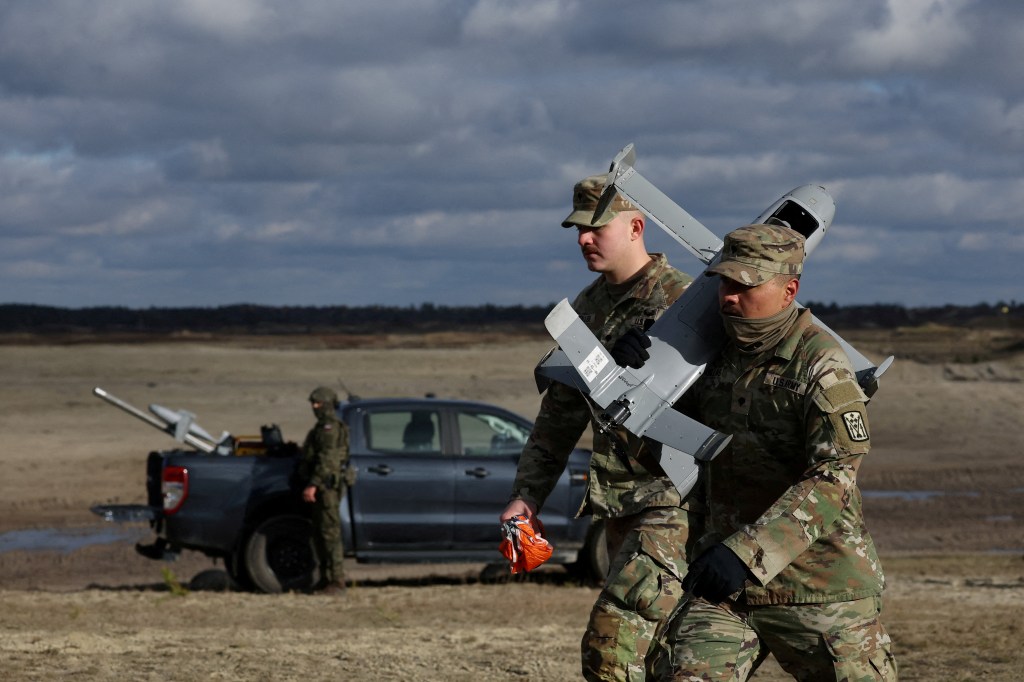
German attack drones pass live-fire tests, with first deliveries planned this year
Two German one-way attack drone variants passed live-fire trials this month, clearing a step toward initial deliveries and troop training before the end of the year, Germany’s military procurement office said.
SPECIAL FEATURES

Space
-
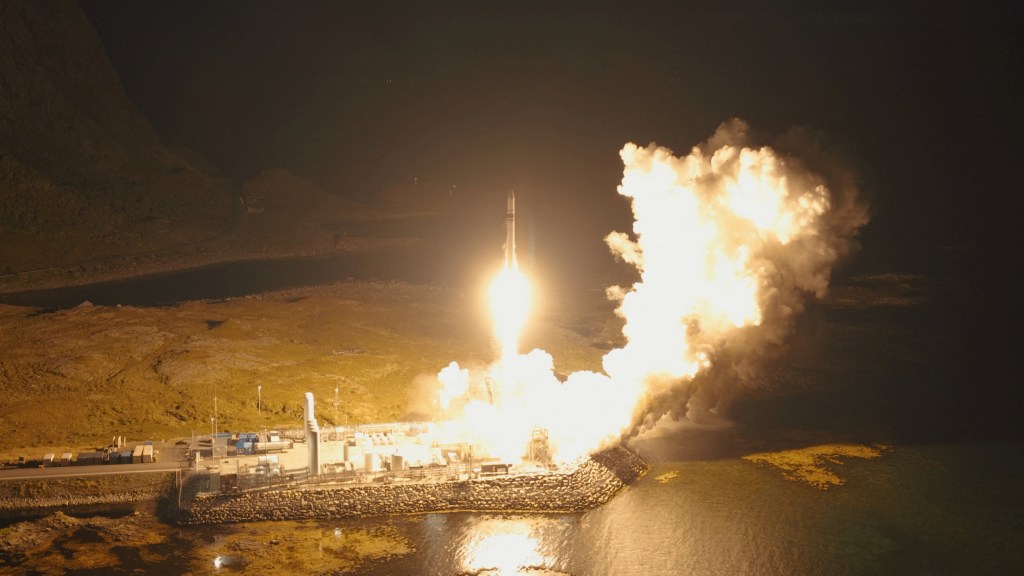
Europe’s push to reduce US reliance is reshaping the defense space market
Spooked by U.S. restrictions on satellite data access during recent crises, European countries are scrambling to catch up on sovereign capabilities.
Artificial Intelligence
-

VA inventory report reveals 367 AI systems operating in healthcare, benefits and services
A recently released report catalogs AI uses across the VA, from clinical tools used during patient care to systems that help process benefits.
-
The unlikely role of Operation Epic Fury in a Mississippi AI data center lawsuit
-
Ukraine’s defense AI chief predicts ‘new paradigm’ of warfare
-
AI companies have a responsibility to safeguard models against exploitation, Pentagon chief technology officer says
-
AI tool has ‘saved a lot of aircraft’ in Epic Fury, AFSOC chief says
VIDEOS
-
Ukraine strikes Russian warship and cargo vessel with naval drones in Libya
Ukrainian president Volodymyr Zelenskyy said seven naval drones were used in the attack, which sank the Russian corvette Merkury.
Featured Videos





Cyber
-

German firm Hensoldt acquires UK radar maker
The terms of the deal have not been made public, but Hensoldt said subject to regulatory approval it hoped to close the takeover by the end of September.
Electronic Warfare
-
Europe’s push to reduce US reliance is reshaping the defense space market
Spooked by U.S. restrictions on satellite data access during recent crises, European countries are scrambling to catch up on sovereign capabilities.
More Stories
-
Adm. Rogers: US ‘Working Our Way Through’ NSA-Cyber Command Split
Adm. Mike Rogers, the dual-hatted chief of Cyber Command and the National Security Agency, said Tuesday that splitting the two agencies is a matter of “the right time” and “the right process.”
-
US Rep. Connolly Expects Congress to Pass Federal IT Modernization Bill
A key lawmaker on government information technology hopes a House-passed bill to modernize IT for federal agencies passes in the upcoming lame duck session of Congress, despite a packed agenda.
-
Quantum Computing Firm D-Wave Targets Federal Market With New Washington Office
D-Wave is targeting growth in the Pentagon, DoE and intelligence community.
-
A better way to talk to machines
Northrop Grumman has been awarded an Air Force Research Laboratory contract to develop human language technologies for talking to machines.
-
DoD Is Losing the Online Fight to Win Hearts and Minds
The US must dominate the informational battle space in the same way its able to control the skies or snatch a terrorist leader anywhere in the world.
-
Raytheon designing situational awareness for DARPA tank
Raytheon BBN Technologies is developing situational awareness for DARPA’s Ground X-Vehicle Technologies tank program.
-
U.S. arms sales: Are cyber weapons included?
Think about the massive infrastructure that is needed to design, construct and deliver a conventional weapon, and compare that to the infrastructure that is needed to construct and deliver a cyber weapon.
-
New commander takes lead at Army Cyber Command
Lt. Gen. Paul Nakasone took command Friday of U.S. Army Cyber Command and Second Army at a time when the Army’s newest command is at the forefront of the nation’s effort to prevent a “cyber Pearl Harbor.”
-
Insitu awarded Tunisian ScanEagle drone contract
Insitu has been awarded a $9.8 million contract to support ScanEagle UAVs used by Tunisia.
-
What’s up with the Army’s Guard and Reserve cyber forces
As the Army continues to build out its cyber forces and bolster cyber capabilities, the Guard and Reserve component will also play a large role.
-
Assurance, not threat of force is key to space deterrence
U.S. space deterrence policy seeks to deny adversarial benefit rather than threat of force.
-
How physical attributes are becoming security tokens
The Army is making fingerprints a central feature in national security, along with voice patterns, DNA and a host of other physical features.