-

Ukraine seeks closer ties with NATO on cyber defense
NATO members overseeing the alliance’s center of excellence for cyber defense rejected Kyiv’s membership application late last year.
-

Space weather sensor passes final design review
The sensor is part of General Atomics’ offering for the Space Force’s Electro Optical Infrared Weather System program. The service will choose one company’s prototype this spring for an on-orbit demonstration.
-

NSA’s cybersecurity directorate looks to scale up this year
Working across the federal government, the directorate has exposed Russian tradecraft in an effort to help companies better secure their systems.
-

AT&T sees progress in Navy’s 5G smart warehouse experiment
The smart warehouse project is part of a $600 million investment by the Pentagon in testing and experimenting with 5G networks at military installations.
-

Here’s how intelligence agencies can search foreign documents without learning the language
The new machine learning system developed by Raytheon BBN Technologies in partnership with the Intelligence Advanced Research Projects Activity allows English-speaking users to search foreign documents and speech without knowing the language.
-
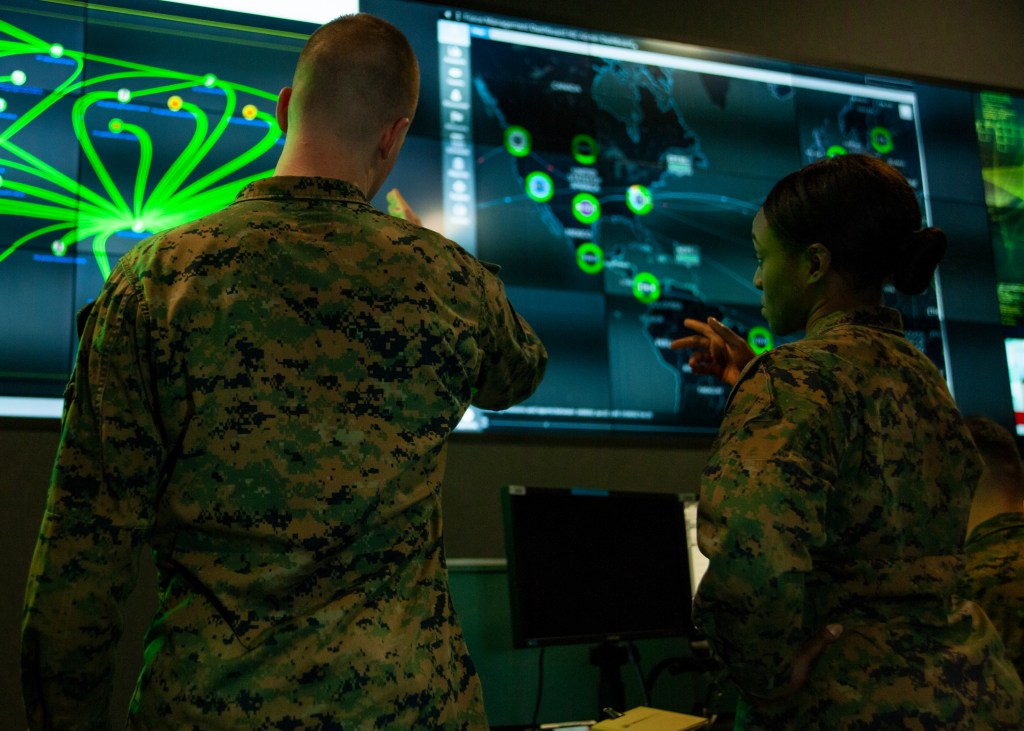
DoD must focus on skilled cyber defenders, not just new tech, warns weapons tester
DOT&E recommends the department refocus cybersecurity efforts on people rather than technology alone.
-
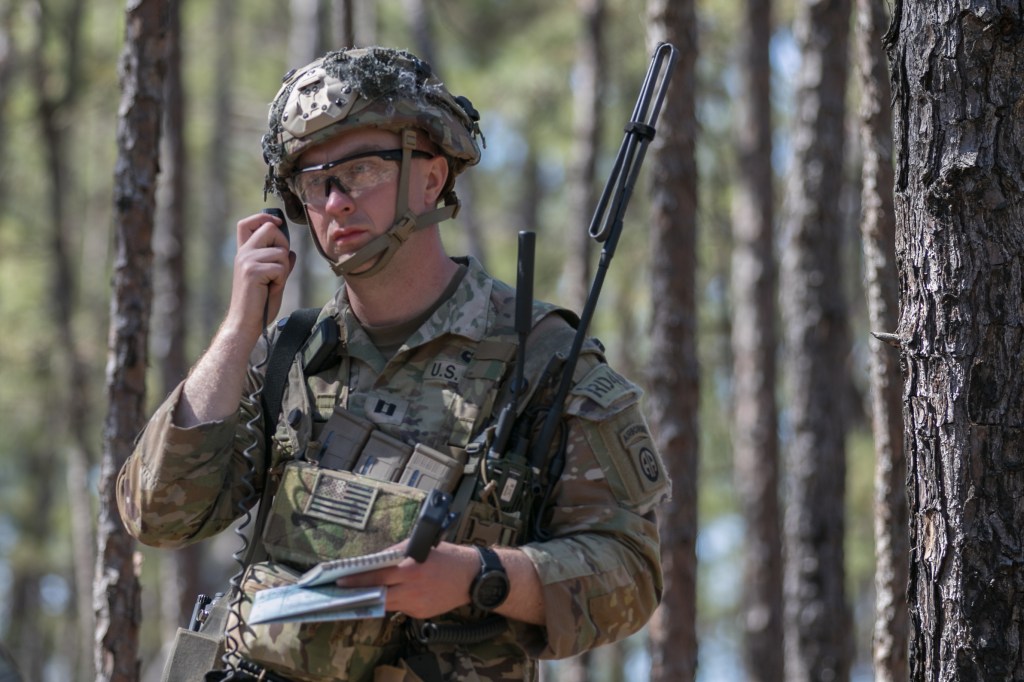
US Army’s tactical network must overcome several challenges, says Pentagon weapons tester
Some elements of the Army’s modernized network were not operationally effective, DOT&E said in its annual report.
-
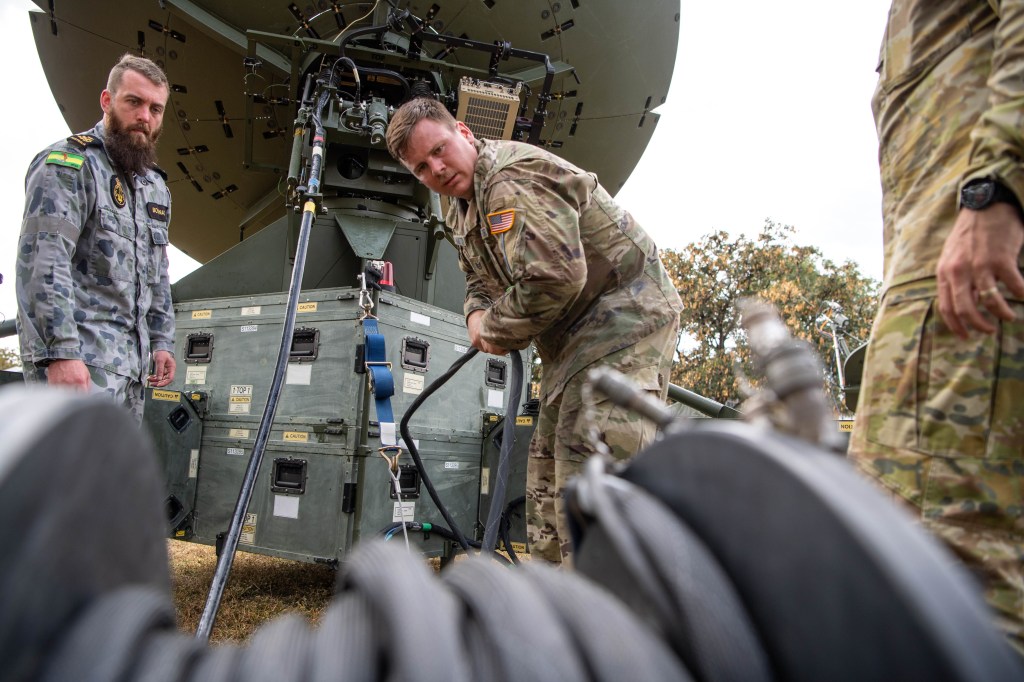
Empower our Space Force, just as we do for the other armed services
We need to look at what the Army, Navy, Air Force and Marine Corps demand to get their jobs done, and then resource the Space Force with equivalent capabilities.
-

US Navy adopts new strategy prioritizing ‘the building blocks’ of unmanned tech
The U.S. Navy is unlikely to pursue a formal program for unmanned surface vessels in the next five years, instead focusing on the enabling technologies first, several leaders say.
-

New 5G challenge to incentivize open architecture solutions
The challenge will focus on open network concepts that could be integrated into future DoD 5G testbeds.
-
Ukraine seeks closer ties with NATO on cyber defense
NATO members overseeing the alliance’s center of excellence for cyber defense rejected Kyiv’s membership application late last year.
-
Space weather sensor passes final design review
The sensor is part of General Atomics’ offering for the Space Force’s Electro Optical Infrared Weather System program. The service will choose one company’s prototype this spring for an on-orbit demonstration.
-
NSA’s cybersecurity directorate looks to scale up this year
Working across the federal government, the directorate has exposed Russian tradecraft in an effort to help companies better secure their systems.
-
AT&T sees progress in Navy’s 5G smart warehouse experiment
The smart warehouse project is part of a $600 million investment by the Pentagon in testing and experimenting with 5G networks at military installations.
-
Here’s how intelligence agencies can search foreign documents without learning the language
The new machine learning system developed by Raytheon BBN Technologies in partnership with the Intelligence Advanced Research Projects Activity allows English-speaking users to search foreign documents and speech without knowing the language.
-
DoD must focus on skilled cyber defenders, not just new tech, warns weapons tester
DOT&E recommends the department refocus cybersecurity efforts on people rather than technology alone.
-
US Army’s tactical network must overcome several challenges, says Pentagon weapons tester
Some elements of the Army’s modernized network were not operationally effective, DOT&E said in its annual report.
-
Empower our Space Force, just as we do for the other armed services
We need to look at what the Army, Navy, Air Force and Marine Corps demand to get their jobs done, and then resource the Space Force with equivalent capabilities.
-
US Navy adopts new strategy prioritizing ‘the building blocks’ of unmanned tech
The U.S. Navy is unlikely to pursue a formal program for unmanned surface vessels in the next five years, instead focusing on the enabling technologies first, several leaders say.
-
New 5G challenge to incentivize open architecture solutions
The challenge will focus on open network concepts that could be integrated into future DoD 5G testbeds.