-
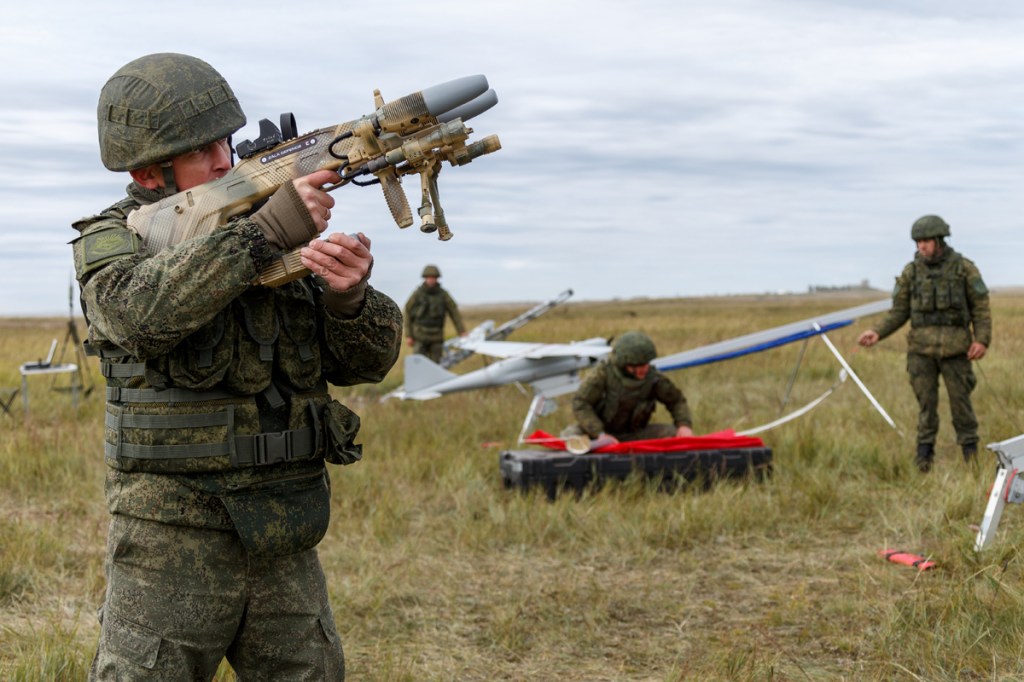
Why has Russia’s emerging tech had so little impact on its invasion of Ukraine?
There is still a possibility that the Kremlin will begin to leverage more advanced technologies in the future. Russia’s military already possess these capabilities, ranging from unmanned ground vehicles previously used in Syria to tactical and loitering UAVs which will arm Russian commanders with clearer battlefield situational awareness and hypersonic missiles.
-
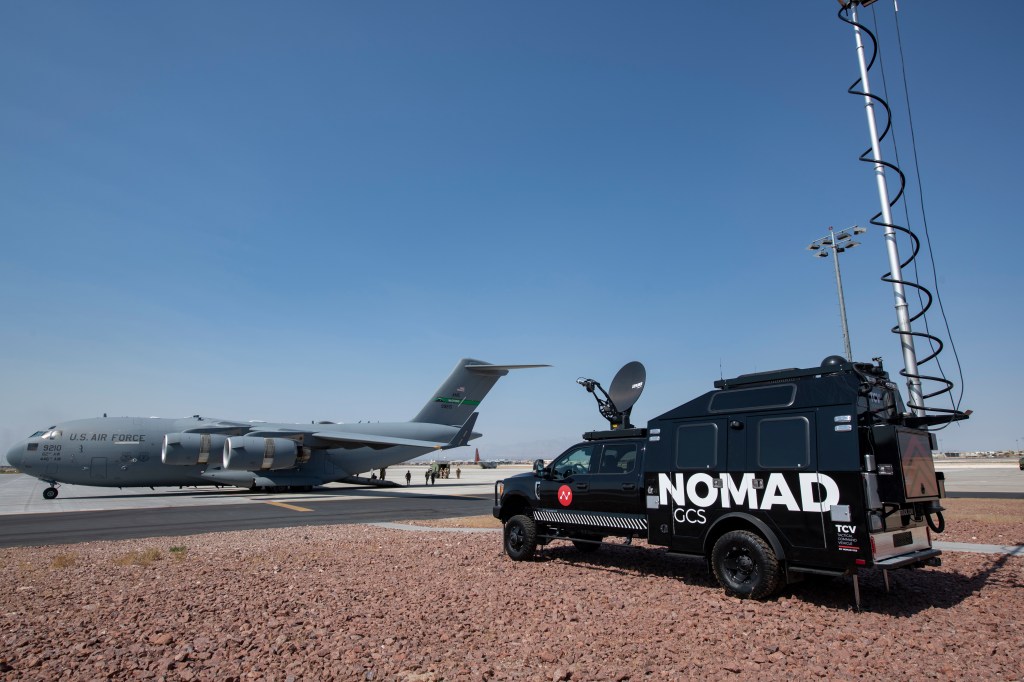
Congress wants to give Air Force an extra $65 million for ABMS
The prospective boost for the Advanced Battle Management System suggests growing support for the effort, which lawmakers and watchdogs have scrutinized.
-
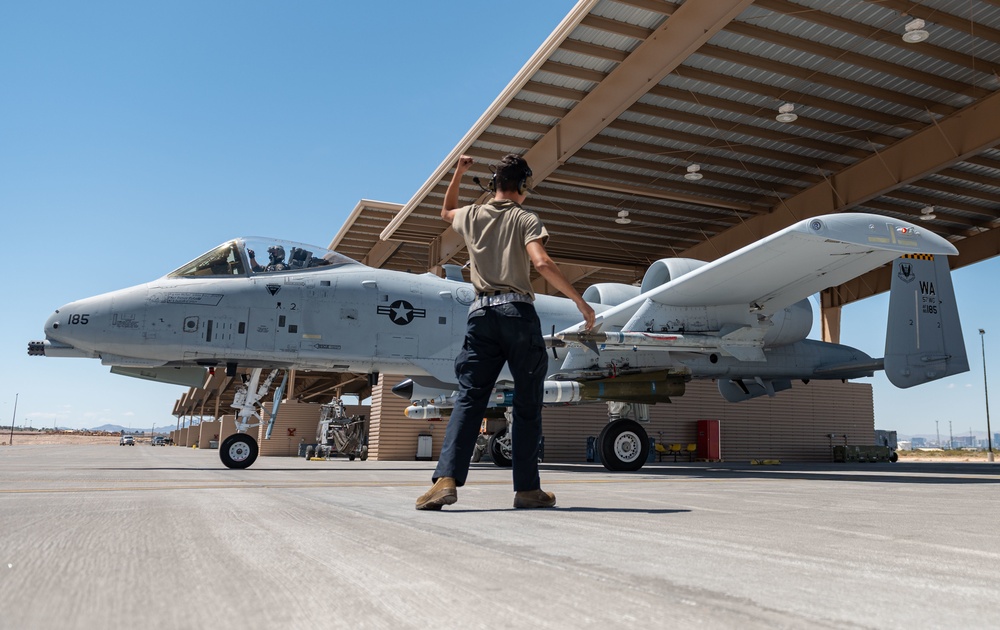
Lawmakers recommend $800 million budget increase for defense lab and testing infrastructure
The funding increase would support improvements to key technology development infrastructure in areas like hypersonics, space and directed energy.
-

How JADC2 is improving nuclear command and control
The Pentagon’s effort to better connect sensor to shooter and shuttle data is inextricably linked with the high-stakes communication systems of nuclear warfare, and rightly so, the head of U.S. Strategic Command told Congress this week.
-
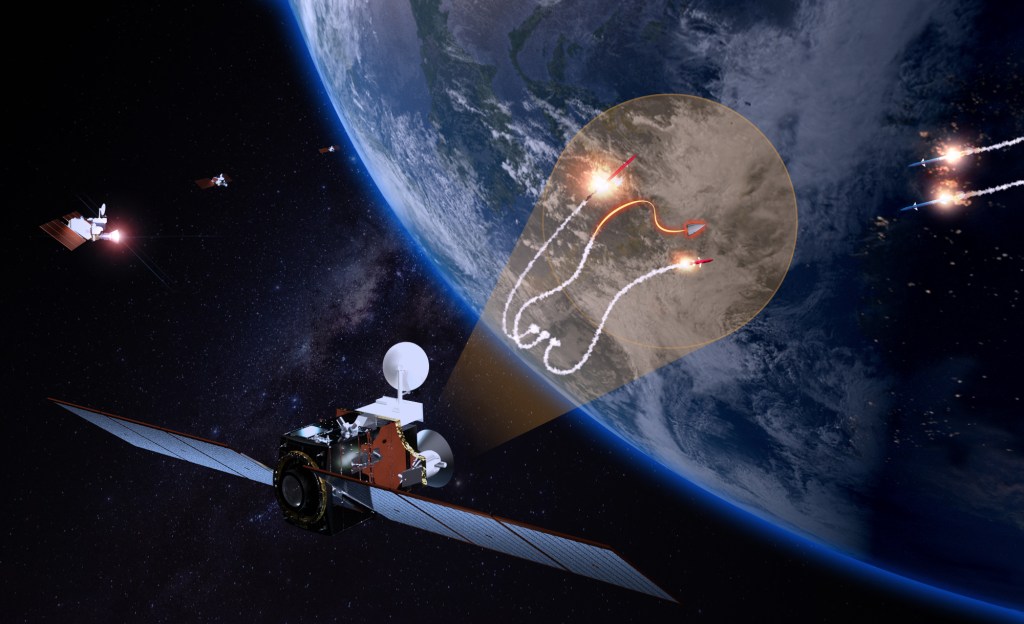
Proposed Space Development Agency funding boost falls short of earlier request
The $550 million increase for the Space Development Agency’s Tracking Layer satellites is $200 million less than what Senate appropriators proposed in an earlier bill.
-

How to improve the force? Info and tech investments, says HASC chair.
“You can have the biggest force in the world. If it’s not survivable, if it can’t get into the place that it needs to get in to and fight, then it’s really not doing you too much good.”
-
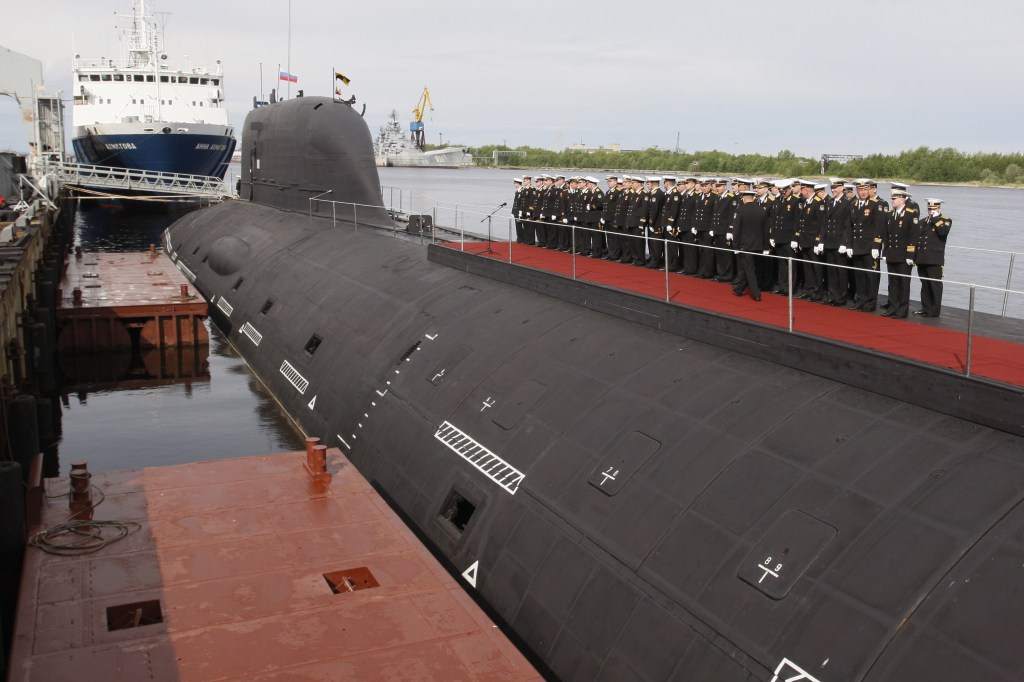
NORTHCOM needs better sensors to protect against Russian submarine, missile threat
The technologies the U.S. needs to bolster its homeland defense against Russian submarines and missiles are currently available — meaning the Defense Department could move out quickly on buying and fielding them if they support these programs in the upcoming 2023 budget.
-
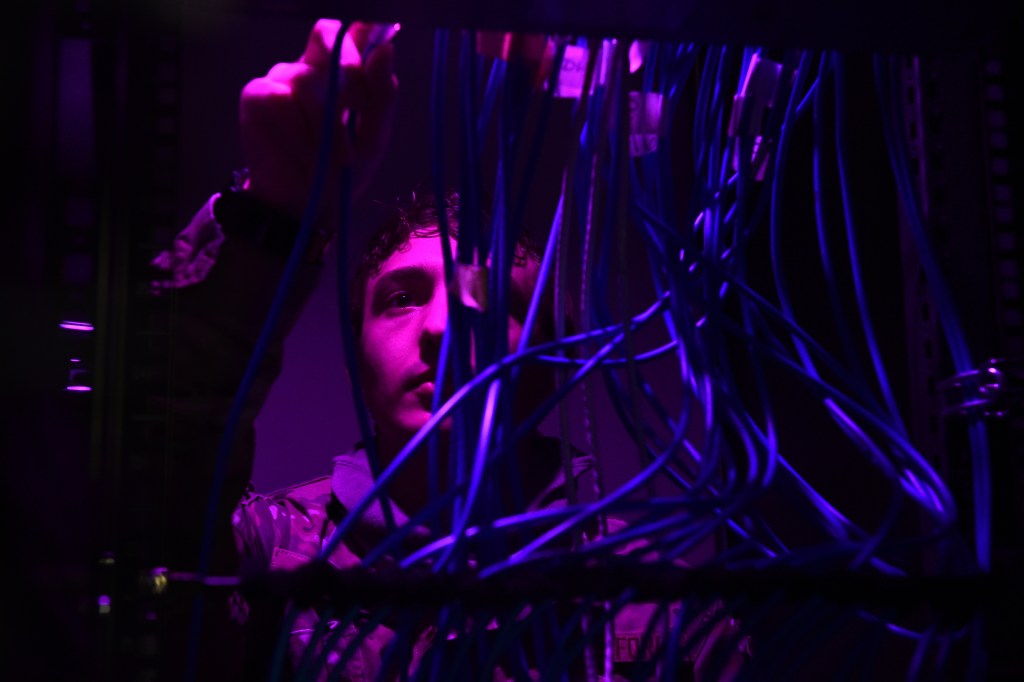
Washington must do more to support companies facing Russian hackers
Moscow has repeatedly demonstrated that its hackers — which include military and intelligence cyber units as well as “independent” proxies — have the capability to inflict untold damages on the infrastructure and companies the global economy depends upon.
-
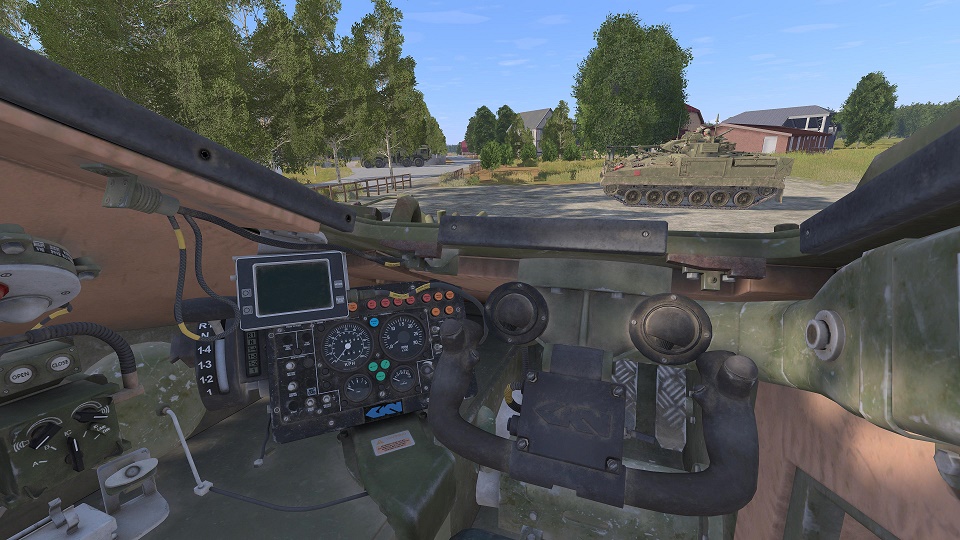
BAE Systems buys military simulations firm for $200 million
In the statement, BAE Systems said it expects the global market for military training and simulations environments to eventually surpass $11 billion annually.
-

Five steps the Defense Department should consider for its data management strategy
Opportunities exist for the DoD to learn best practices for data and apply them within agencies. Here are five areas DoD decision-makers should consider when implementing a data management strategy.
-
Why has Russia’s emerging tech had so little impact on its invasion of Ukraine?
There is still a possibility that the Kremlin will begin to leverage more advanced technologies in the future. Russia’s military already possess these capabilities, ranging from unmanned ground vehicles previously used in Syria to tactical and loitering UAVs which will arm Russian commanders with clearer battlefield situational awareness and hypersonic missiles.
-
Congress wants to give Air Force an extra $65 million for ABMS
The prospective boost for the Advanced Battle Management System suggests growing support for the effort, which lawmakers and watchdogs have scrutinized.
-
Lawmakers recommend $800 million budget increase for defense lab and testing infrastructure
The funding increase would support improvements to key technology development infrastructure in areas like hypersonics, space and directed energy.
-
How JADC2 is improving nuclear command and control
The Pentagon’s effort to better connect sensor to shooter and shuttle data is inextricably linked with the high-stakes communication systems of nuclear warfare, and rightly so, the head of U.S. Strategic Command told Congress this week.
-
Proposed Space Development Agency funding boost falls short of earlier request
The $550 million increase for the Space Development Agency’s Tracking Layer satellites is $200 million less than what Senate appropriators proposed in an earlier bill.
-
How to improve the force? Info and tech investments, says HASC chair.
“You can have the biggest force in the world. If it’s not survivable, if it can’t get into the place that it needs to get in to and fight, then it’s really not doing you too much good.”
-
NORTHCOM needs better sensors to protect against Russian submarine, missile threat
The technologies the U.S. needs to bolster its homeland defense against Russian submarines and missiles are currently available — meaning the Defense Department could move out quickly on buying and fielding them if they support these programs in the upcoming 2023 budget.
-
Washington must do more to support companies facing Russian hackers
Moscow has repeatedly demonstrated that its hackers — which include military and intelligence cyber units as well as “independent” proxies — have the capability to inflict untold damages on the infrastructure and companies the global economy depends upon.
-
BAE Systems buys military simulations firm for $200 million
In the statement, BAE Systems said it expects the global market for military training and simulations environments to eventually surpass $11 billion annually.
-
Five steps the Defense Department should consider for its data management strategy
Opportunities exist for the DoD to learn best practices for data and apply them within agencies. Here are five areas DoD decision-makers should consider when implementing a data management strategy.