-

Space Development Agency chooses satellite ground segment provider
Under the seven-year contract, General Dynamics and Iridium will deliver and sustain the ground segment for SDA’s Tranche 1 satellites.
-
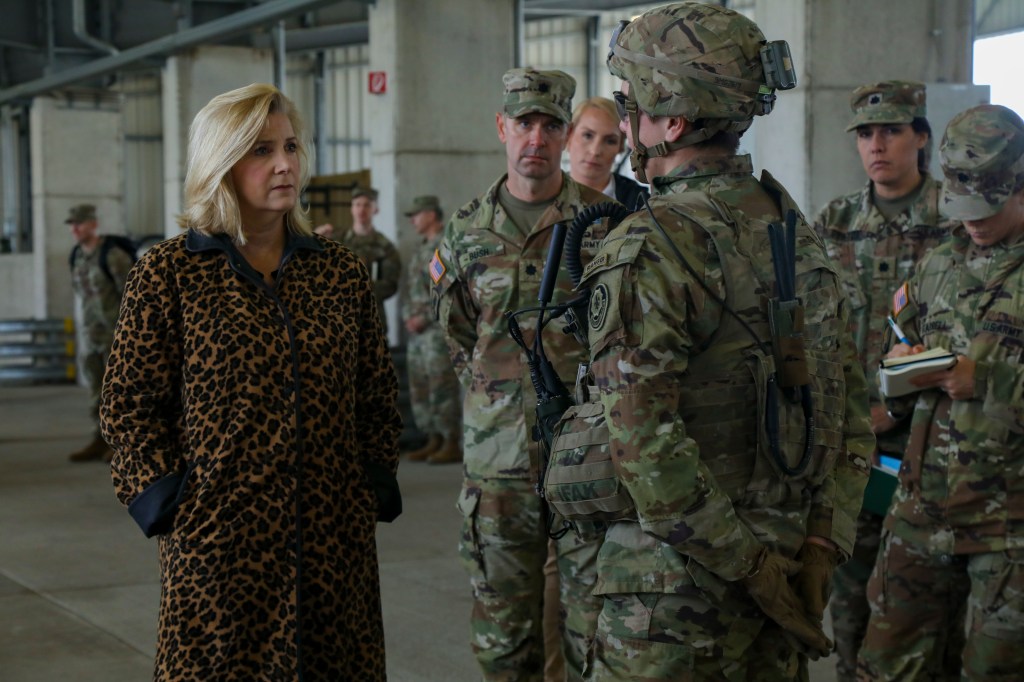
Ukraine war shows danger of unencrypted communications, says US Army secretary
“When soldiers use unencrypted comms, that makes them targetable,” the Army secretary said. “And I think we are going to have to think about that.”
-

Time is now to reconsider autonomous weapons rules, Horowitz says
Michael Horowitz regards directive 3000.09 as “the world’s first policy statement on autonomous weapon systems,” a “remarkable document in many ways.”
-
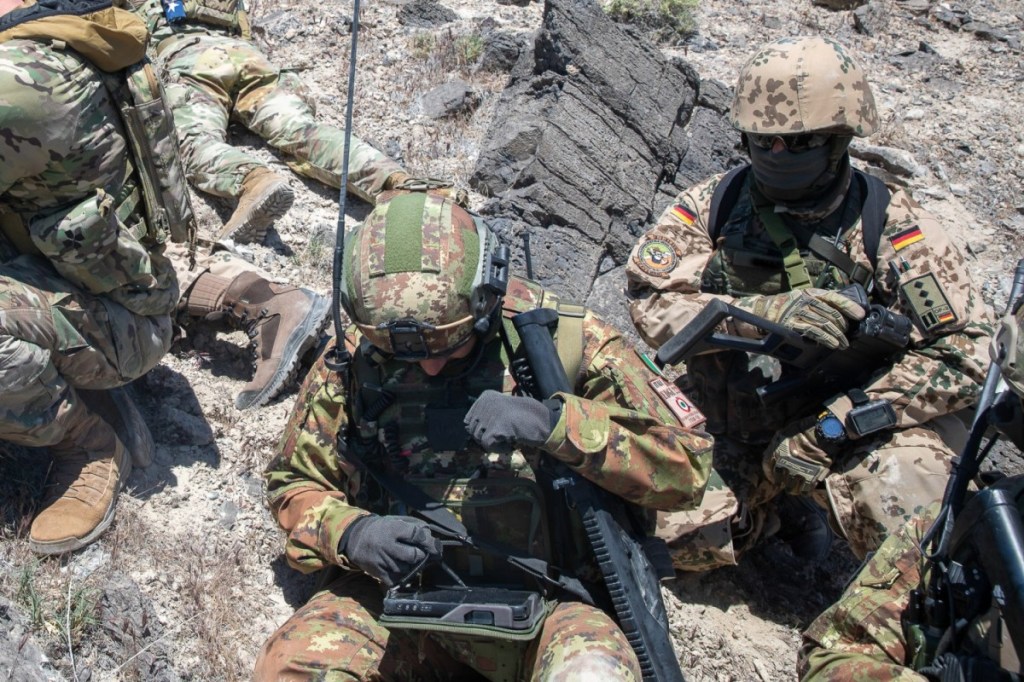
Army aviation exercise focuses on communicating with allies
The Army and several international partners made headway to achieve battlefield interoperability at EDGE 22 at Dugway Proving Ground, Utah, but there is still plenty of work to be done to seamlessly tie allies and partners together in operations.
-
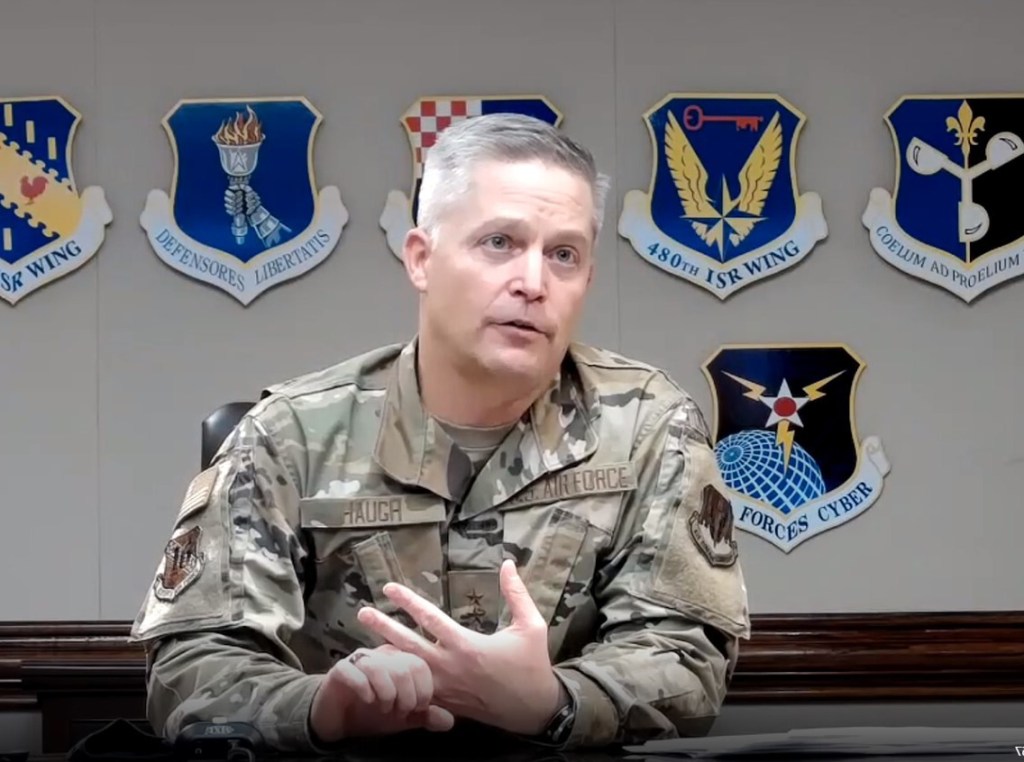
Air Force’s Haugh confirmed as US Cyber Command deputy
In 2019, he said the U.S. was “engaged in power competition with adversaries in all domains today,” further describing intelligence as “the fuel that commanders require to maneuver in response.”
-

Government analysis of facial recognition tech must extend beyond privacy
A key question for agencies and policymakers when it comes to verifying identities for tax and benefits services is…what technology alternatives exist to not only protect citizens but also combat the benefits and refund fraud that has exploded during the pandemic?
-
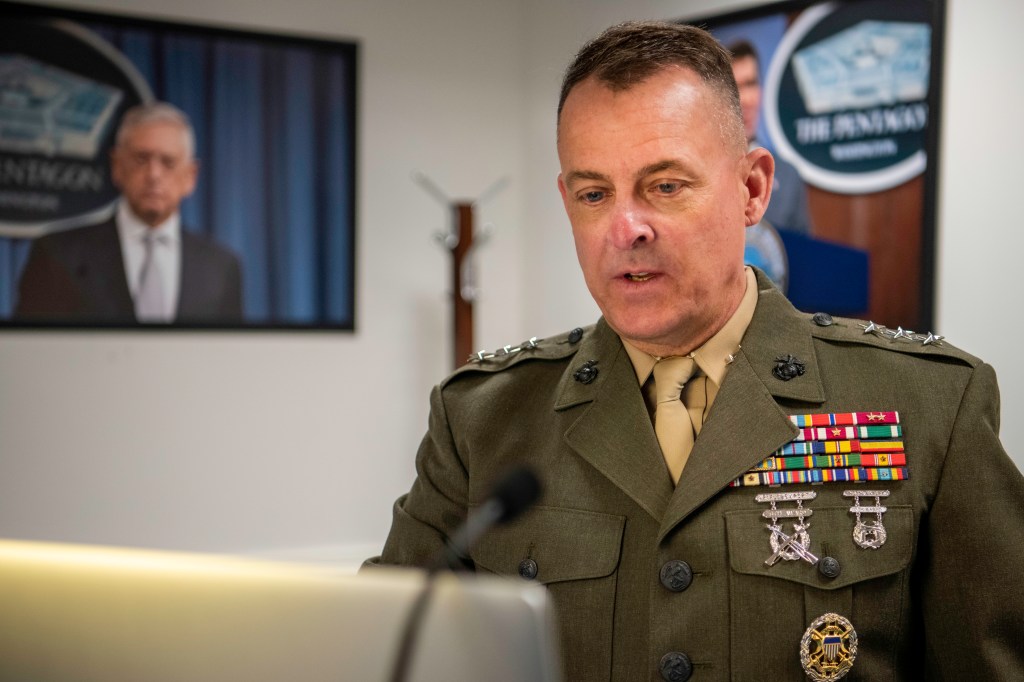
AI less about ‘killer robots,’ more about Pentagon transformation, Groen says
“Implementation in the department, of course, is always a challenge,” the director said, “as new technology meets legacy processes, legacy organizations and legacy technology.”
-

National Reconnaissance Office expands use of commercial satellite imagery
The contracts — awarded to Maxar, BlackSky and Planet — are part of NRO’s response to a growing demand for commercial satellite imagery.
-
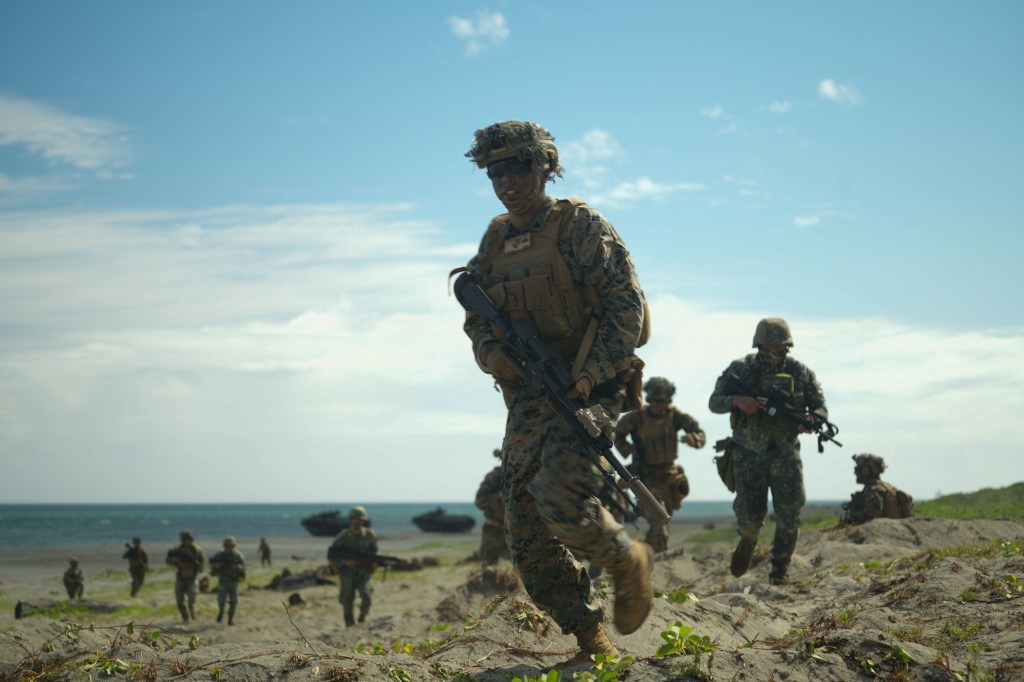
Marine Corps seeks ‘information command’ in Force Design 2030 update
“We believe that in a conflict with a peer adversary, first moves may be in space and cyber, so we must enable our” forces “to integrate with, and have access to, those capabilities now,” reads the update.
-
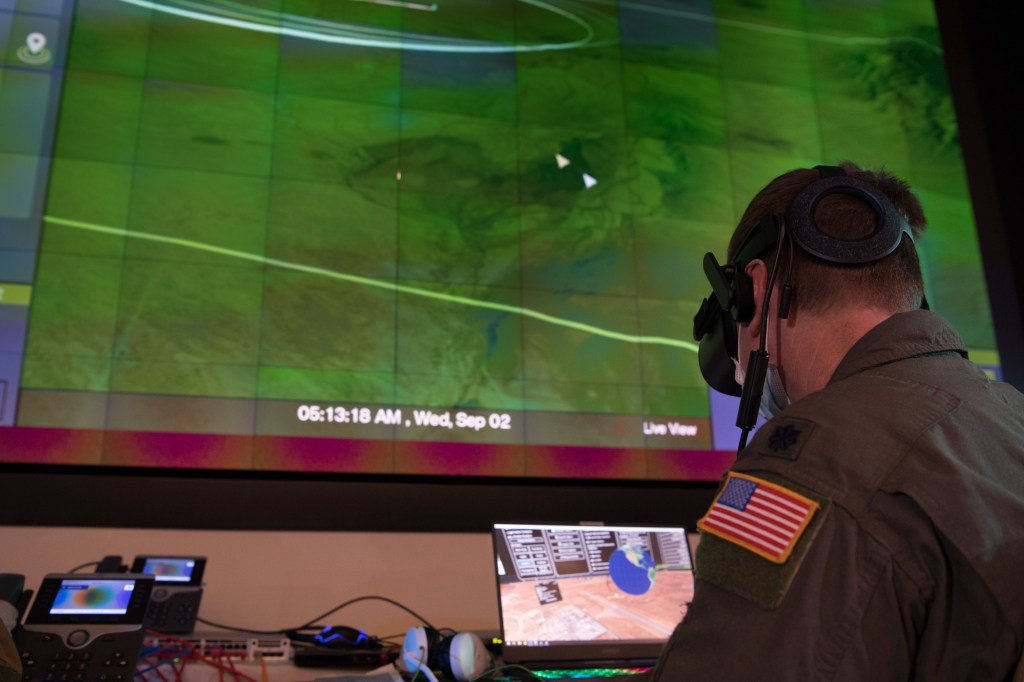
Military commands spent pandemic money on space analytics, IT upgrades
The U.S. military commands responsible for North America misused at least $19 million in COVID-19 relief money on space-related data analytics connected to the Pentagon’s JADC2 endeavor, as well as office information technology upgrades, investigators said.
-
Space Development Agency chooses satellite ground segment provider
Under the seven-year contract, General Dynamics and Iridium will deliver and sustain the ground segment for SDA’s Tranche 1 satellites.
-
Ukraine war shows danger of unencrypted communications, says US Army secretary
“When soldiers use unencrypted comms, that makes them targetable,” the Army secretary said. “And I think we are going to have to think about that.”
-
Time is now to reconsider autonomous weapons rules, Horowitz says
Michael Horowitz regards directive 3000.09 as “the world’s first policy statement on autonomous weapon systems,” a “remarkable document in many ways.”
-
Army aviation exercise focuses on communicating with allies
The Army and several international partners made headway to achieve battlefield interoperability at EDGE 22 at Dugway Proving Ground, Utah, but there is still plenty of work to be done to seamlessly tie allies and partners together in operations.
-
Air Force’s Haugh confirmed as US Cyber Command deputy
In 2019, he said the U.S. was “engaged in power competition with adversaries in all domains today,” further describing intelligence as “the fuel that commanders require to maneuver in response.”
-
Government analysis of facial recognition tech must extend beyond privacy
A key question for agencies and policymakers when it comes to verifying identities for tax and benefits services is…what technology alternatives exist to not only protect citizens but also combat the benefits and refund fraud that has exploded during the pandemic?
-
AI less about ‘killer robots,’ more about Pentagon transformation, Groen says
“Implementation in the department, of course, is always a challenge,” the director said, “as new technology meets legacy processes, legacy organizations and legacy technology.”
-
National Reconnaissance Office expands use of commercial satellite imagery
The contracts — awarded to Maxar, BlackSky and Planet — are part of NRO’s response to a growing demand for commercial satellite imagery.
-
Marine Corps seeks ‘information command’ in Force Design 2030 update
“We believe that in a conflict with a peer adversary, first moves may be in space and cyber, so we must enable our” forces “to integrate with, and have access to, those capabilities now,” reads the update.
-
Military commands spent pandemic money on space analytics, IT upgrades
The U.S. military commands responsible for North America misused at least $19 million in COVID-19 relief money on space-related data analytics connected to the Pentagon’s JADC2 endeavor, as well as office information technology upgrades, investigators said.