-

Army verifies info-sharing abilities with forces joining Project Convergence 22
The U.S. Army said a communications test known as COMMEX 1B was a success, replicating and informing the scale and scenarios of Project Convergence in far-flung laboratory and field settings.
-

Fewer devices, more automation and a better interface would help fight ‘alert fatigue’
Too many inputs can be disastrous, experts warn.
-

Unlocking airborne ISR can help achieve regional security in Indo-Pacific
Industry can help the U.S. and its allies expand interoperable intelligence, surveillance and reconnaissance systems. Integrating advanced capabilities into airborne sensor systems and other assets will create an integrated deterrence to counter regional threats.
-

Special operations forces need AI that can explain its decisions, says military data chief
“If they cannot explain to each other how they are making decisions programmatically, we’re never going to be able to win a strategic fight that is dominated by AI.”
-

Strategic review to guide US approach to space weapons, classification, Liquori says
The review, which should be finished in the next few months, will consider what mix of offensive and defensive space capabilities the Pentagon and the intelligence community should operate and what details about those capabilities should be classified.
-

To maximize cybersecurity dollars, lean on Zero Trust
Getting quickly to a Zero Trust architecture is more important than ever. Implementing C2C is a means available now to continuously identify and control access for all endpoints connecting to the network, making a comprehensive Zero Trust architecture achievable.
-

Government watchdog finds major flaws in US Space Command basing process
The report, which questions the credibility of the SPACECOM headquarters selection process, is one of two reviews directed by Congress and comes nearly 18 months after Alabama was chosen to host the combatant command.
-

Pentagon’s AI, data office fully operational as leadership posts filled
Artificial intelligence, data and analytics have an influential new home at the Department of Defense.
-

Space Development Agency chooses satellite ground segment provider
Under the seven-year contract, General Dynamics and Iridium will deliver and sustain the ground segment for SDA’s Tranche 1 satellites.
-
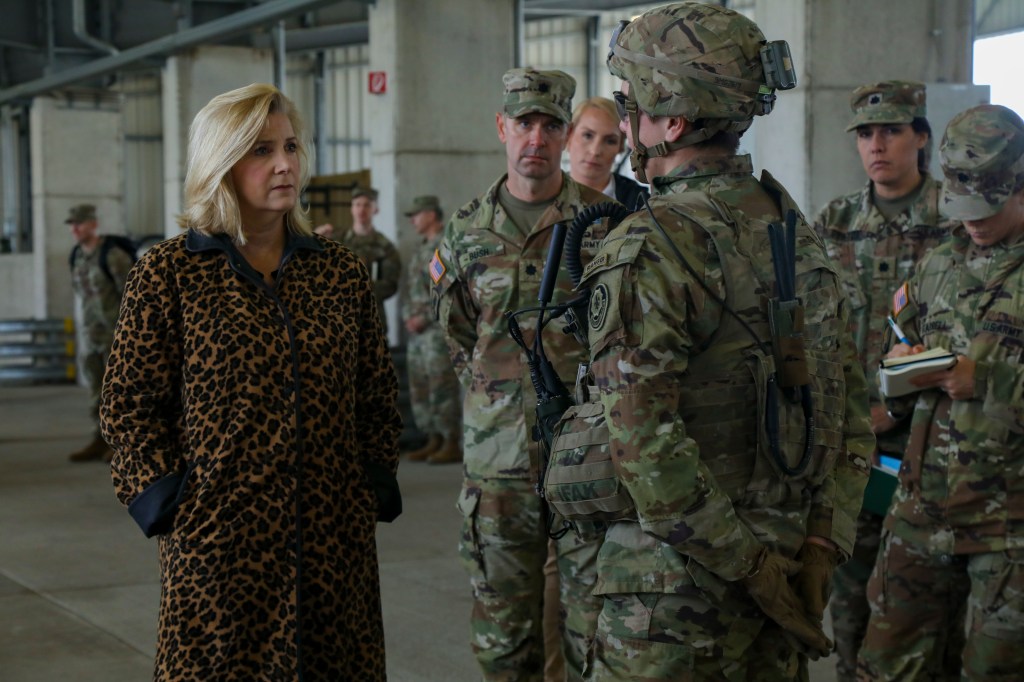
Ukraine war shows danger of unencrypted communications, says US Army secretary
“When soldiers use unencrypted comms, that makes them targetable,” the Army secretary said. “And I think we are going to have to think about that.”
-
Army verifies info-sharing abilities with forces joining Project Convergence 22
The U.S. Army said a communications test known as COMMEX 1B was a success, replicating and informing the scale and scenarios of Project Convergence in far-flung laboratory and field settings.
-
Fewer devices, more automation and a better interface would help fight ‘alert fatigue’
Too many inputs can be disastrous, experts warn.
-
Unlocking airborne ISR can help achieve regional security in Indo-Pacific
Industry can help the U.S. and its allies expand interoperable intelligence, surveillance and reconnaissance systems. Integrating advanced capabilities into airborne sensor systems and other assets will create an integrated deterrence to counter regional threats.
-
Special operations forces need AI that can explain its decisions, says military data chief
“If they cannot explain to each other how they are making decisions programmatically, we’re never going to be able to win a strategic fight that is dominated by AI.”
-
Strategic review to guide US approach to space weapons, classification, Liquori says
The review, which should be finished in the next few months, will consider what mix of offensive and defensive space capabilities the Pentagon and the intelligence community should operate and what details about those capabilities should be classified.
-
To maximize cybersecurity dollars, lean on Zero Trust
Getting quickly to a Zero Trust architecture is more important than ever. Implementing C2C is a means available now to continuously identify and control access for all endpoints connecting to the network, making a comprehensive Zero Trust architecture achievable.
-
Government watchdog finds major flaws in US Space Command basing process
The report, which questions the credibility of the SPACECOM headquarters selection process, is one of two reviews directed by Congress and comes nearly 18 months after Alabama was chosen to host the combatant command.
-
Pentagon’s AI, data office fully operational as leadership posts filled
Artificial intelligence, data and analytics have an influential new home at the Department of Defense.
-
Space Development Agency chooses satellite ground segment provider
Under the seven-year contract, General Dynamics and Iridium will deliver and sustain the ground segment for SDA’s Tranche 1 satellites.
-
Ukraine war shows danger of unencrypted communications, says US Army secretary
“When soldiers use unencrypted comms, that makes them targetable,” the Army secretary said. “And I think we are going to have to think about that.”