-
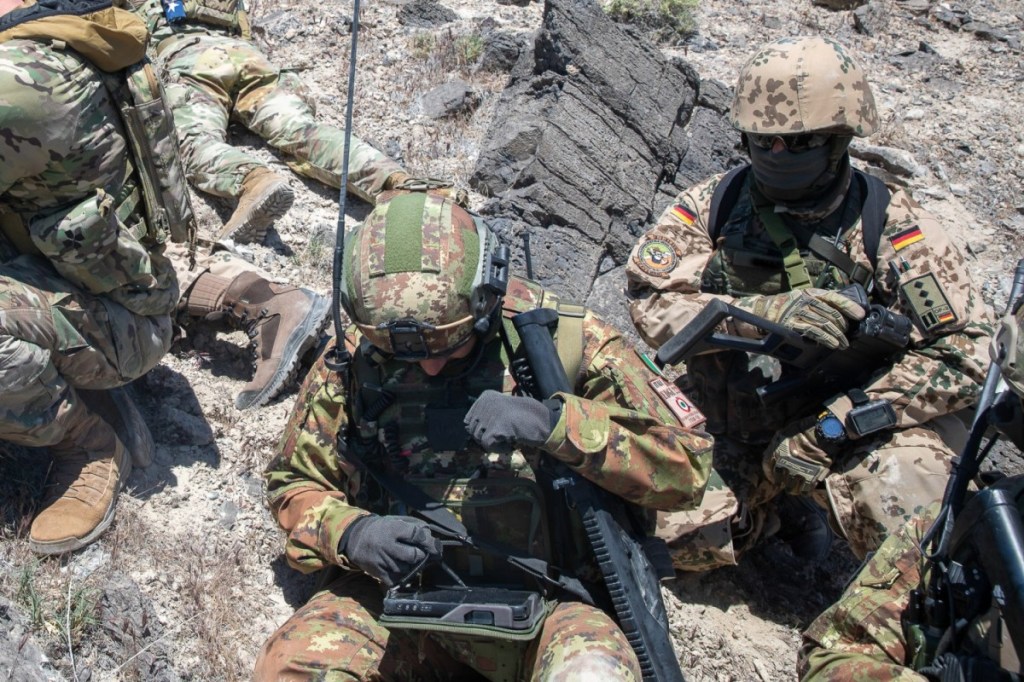
Army aviation exercise focuses on communicating with allies
The Army and several international partners made headway to achieve battlefield interoperability at EDGE 22 at Dugway Proving Ground, Utah, but there is still plenty of work to be done to seamlessly tie allies and partners together in operations.
-

From Mars to military: Perimeter detection just got smarter
The capability for troops and special operators to detect something on the perimeter of a base camp or out in the field just got smarter.

Featured:
Land
Defense News offers premier news and analysis of global land warfare programs and technologies to keep military and industry decision-makers informed.
-
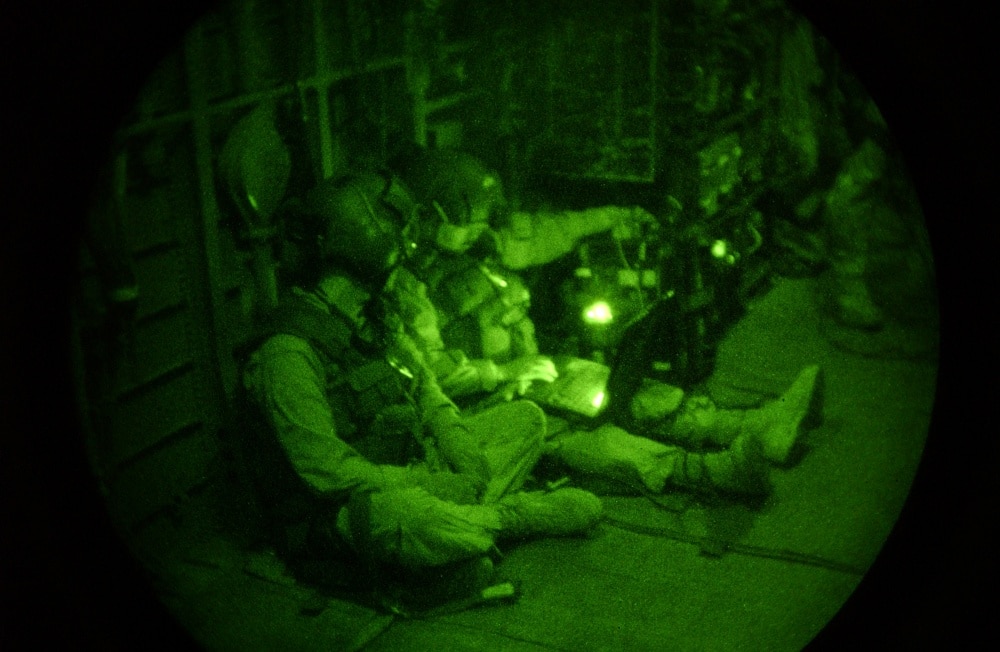
‘Swimming, in the morass of information’: Special Ops battles with big data
U.S. Special Operations Command is struggling to develop and implement technology that will help it get a handle on the large amount of information it must sift through to stay informed, make decisions and execute operations.
-
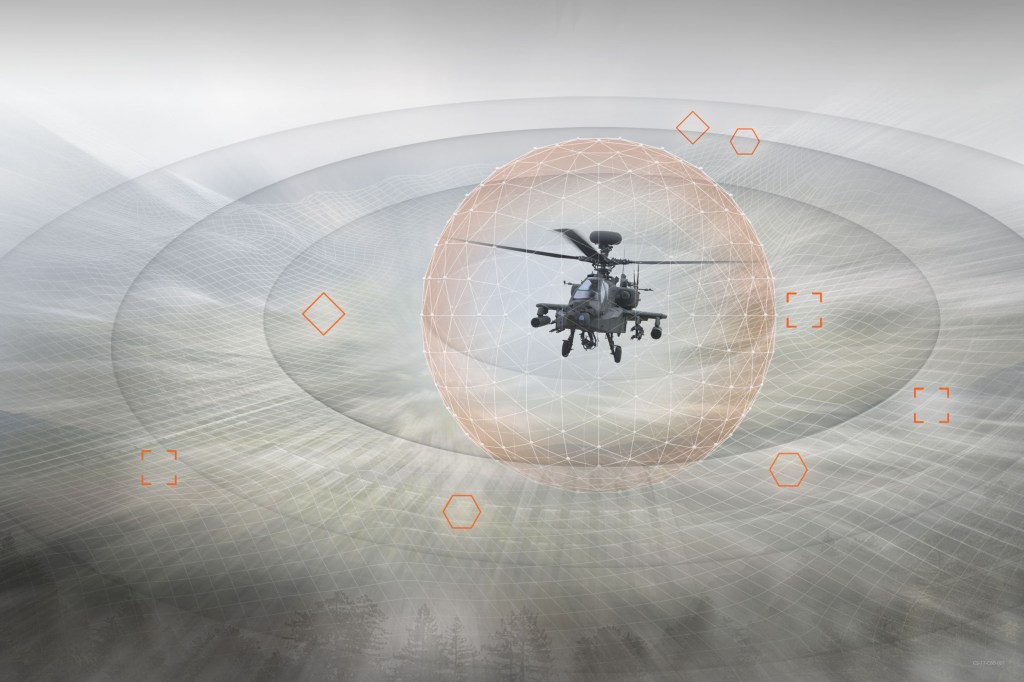
BAE Systems unveils next-gen threat warning system for helicopters
BAE Systems has long been a supplier of threat warning systems on current Army helicopters, but as those systems age, it is developing a next-generation warning system that can detect a threat with a higher degree of certainty.
-

Long Range Discrimination Radar passes preliminary design review
The Long Range Discrimination Radar that will be operational in Alaska in 2020 has passed the preliminary design review phase, hitting a major milestone for the program.
-

A new push for missile defense in space under Trump?
Ahead of the release of the new administration’s first budget request, U.S. defense officials are pushing to renew the effort to get missile-tracking sensors into space.
-

US Army strategy to acquire Patriot radar replacement expected soon
The Army is nearing completion of an acquisition strategy to achieve a 360-degree threat detection capability for its future Integrated Air-and-Missile Defense system, according to the deputy program executive officer for Army Missiles and Space.
-
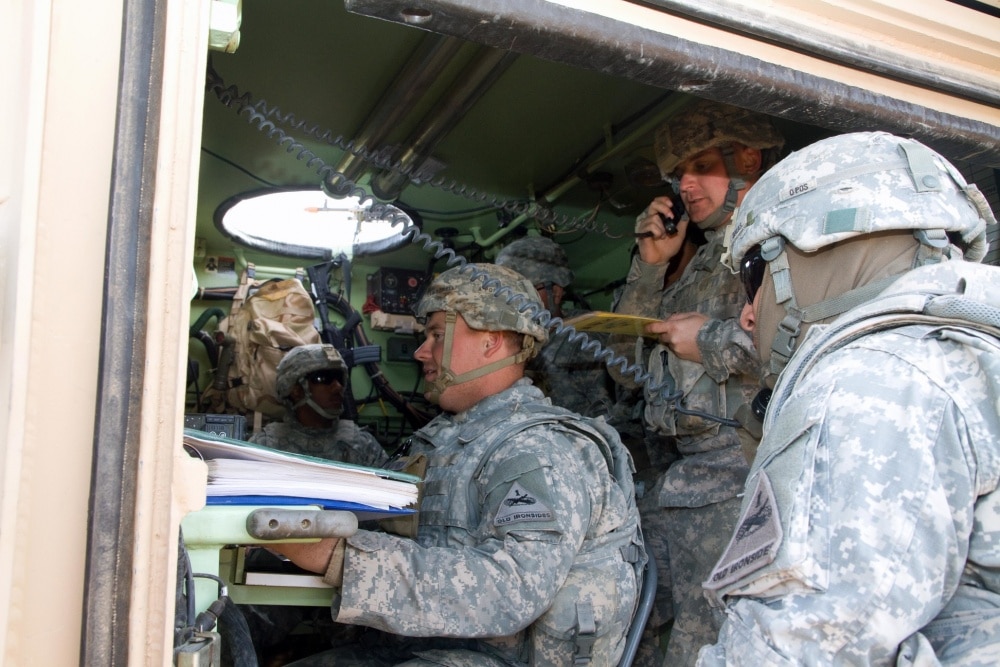
Leidos Unseats Raytheon To Deliver Next Variant of US Army Fires Support System
Leidos won a contract Dec. 29 to deliver the next iteration of the Army’s Advanced Field Artillery Tactical Data System, unseating Raytheon as the long-time incumbent on the program.
-
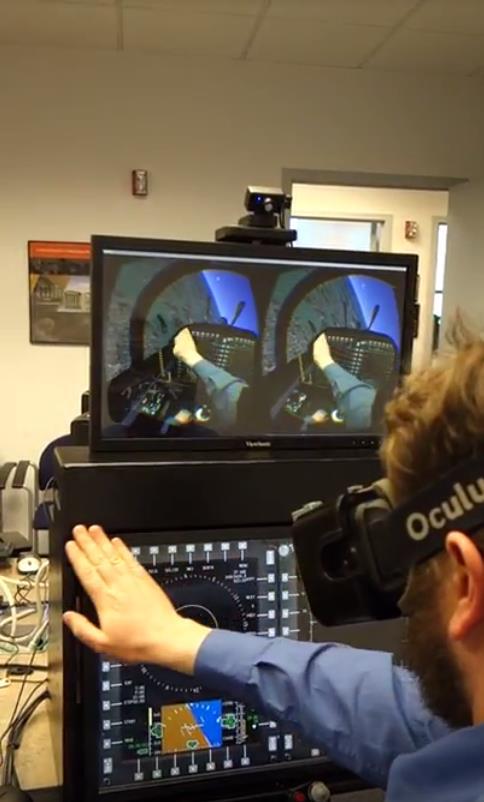
New ‘Mixed Reality’ System Blends Real and Virtual Worlds
Rockwell Collins’ newest “mixed reality” system, Coalescence, incorporates elements from the real and virtual worlds into one simulation.