-

New threats mean new training for the Navy
The Navy’s new Norfolk, Virginia-based group targets information warfare training.
-
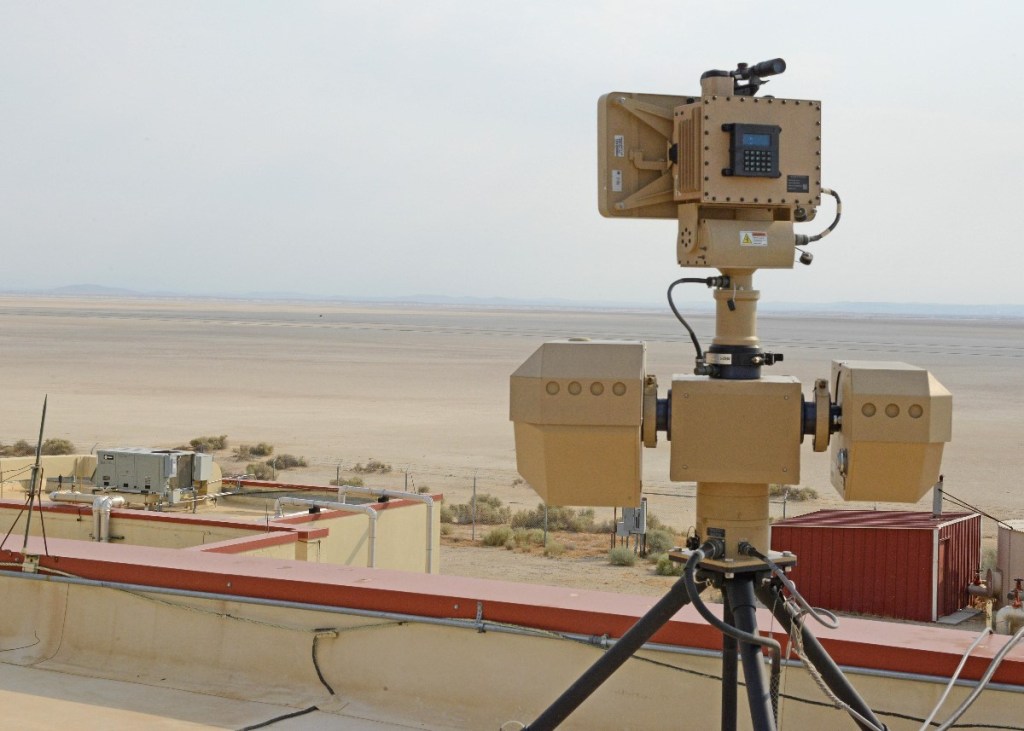
The unlikely tool that’s improving physical security at military bases
Physical security represents an emerging frontier, where artificial intelligence, machine learning, autonomous technologies and other advances could give the military an edge.
-

How network tools can improve base security
New technologies are transforming physical security from “gates, guards and guns” to an imperative that’s increasingly reliant on data systems.
-
Here’s who will lead General Dynamics’ mega IT shop
The combined team of General Dynamics and CSRA leadership will have significant influence over the federal IT market.
-

Transportation Command wants improved cybersecurity and then autonomous trucks, ships and planes
On Capitol Hill, the TRANSCOM chief outlined cyber worries and futuristic leaps.
-

DoD official: US not part of AI arms race
Dr. Michael Griffin, the under secretary of defense for research and engineering, has expressed concern that Pentagon acquisition practices are causing the U.S. to fall behind in emerging technologies such as artificial intelligence.
-
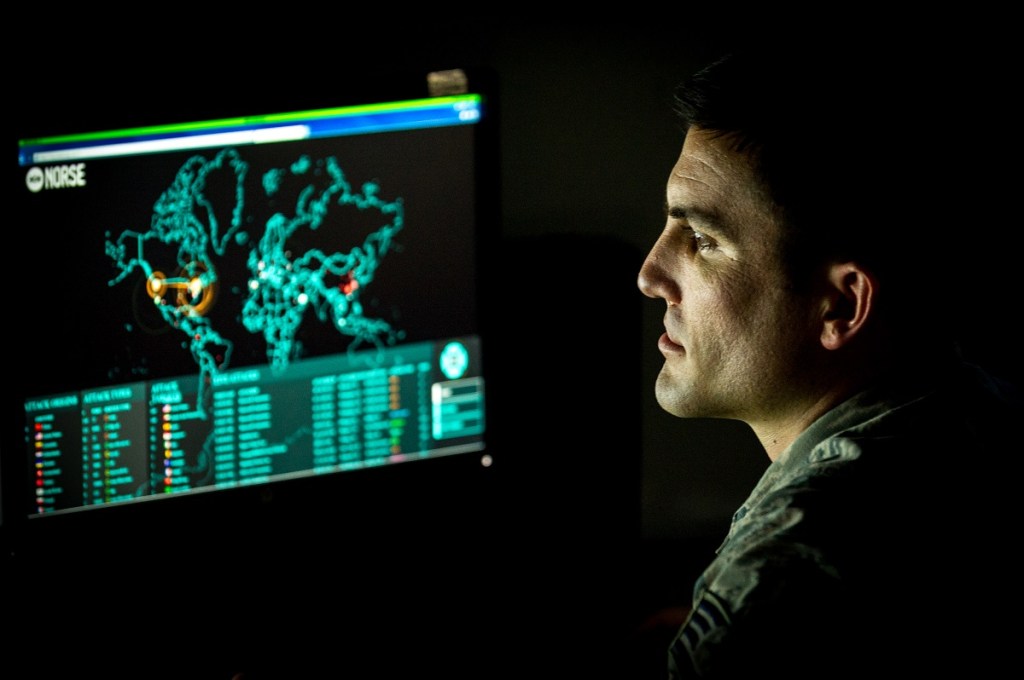
New cyber weapons are here and no one is prepared, experts say
The experts say government, military and industry are not prepared for current or future cyber threats and must do more to deter bad actors.
-

New Army acquisition chief takes on rapid buying
Defense News sat down with Bruce Jette, the new Army acquisition chief to talk about how he views recent acquisition reform, what still needs fixing and how his organization will interface with the Army’s newest four-star command – the Army Futures Command.
-
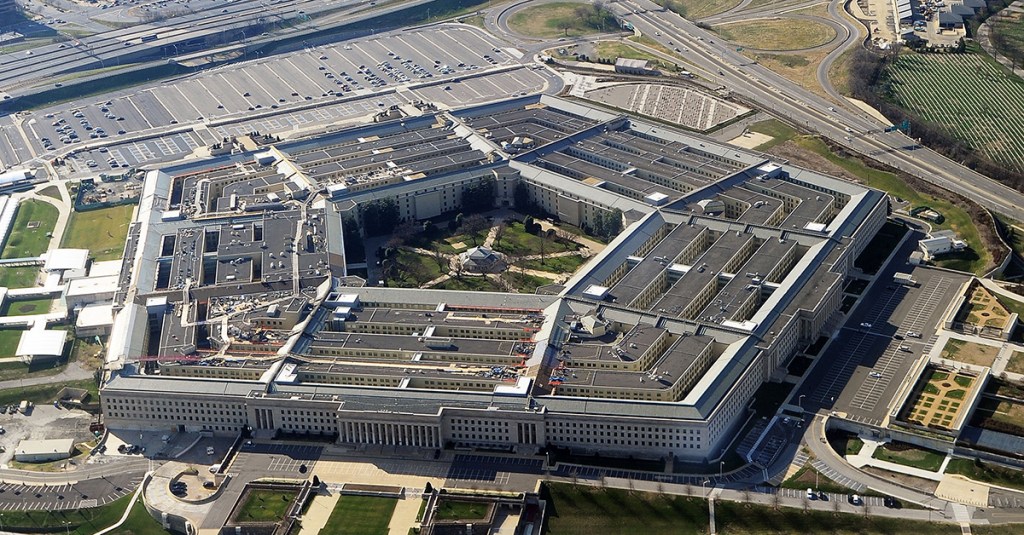
Pentagon names Dana Deasy to lead Defense IT
Deasy, who has widespread IT experience in the private sector, will be responsible for the Department of Defense’s massive $88 billion IT budget.
-

How artificial intelligence went from an advantage to a worldwide threat
Once considered one answer to preserving U.S. military superiority, AI is now seen by national security leaders as a danger to military operations — and the need to invest in decision-making technologies is accelerating.
-
New threats mean new training for the Navy
The Navy’s new Norfolk, Virginia-based group targets information warfare training.
-
The unlikely tool that’s improving physical security at military bases
Physical security represents an emerging frontier, where artificial intelligence, machine learning, autonomous technologies and other advances could give the military an edge.
-
How network tools can improve base security
New technologies are transforming physical security from “gates, guards and guns” to an imperative that’s increasingly reliant on data systems.
-
Here’s who will lead General Dynamics’ mega IT shop
The combined team of General Dynamics and CSRA leadership will have significant influence over the federal IT market.
-
Transportation Command wants improved cybersecurity and then autonomous trucks, ships and planes
On Capitol Hill, the TRANSCOM chief outlined cyber worries and futuristic leaps.
-
DoD official: US not part of AI arms race
Dr. Michael Griffin, the under secretary of defense for research and engineering, has expressed concern that Pentagon acquisition practices are causing the U.S. to fall behind in emerging technologies such as artificial intelligence.
-
New cyber weapons are here and no one is prepared, experts say
The experts say government, military and industry are not prepared for current or future cyber threats and must do more to deter bad actors.
-
New Army acquisition chief takes on rapid buying
Defense News sat down with Bruce Jette, the new Army acquisition chief to talk about how he views recent acquisition reform, what still needs fixing and how his organization will interface with the Army’s newest four-star command – the Army Futures Command.
-
Pentagon names Dana Deasy to lead Defense IT
Deasy, who has widespread IT experience in the private sector, will be responsible for the Department of Defense’s massive $88 billion IT budget.
-
How artificial intelligence went from an advantage to a worldwide threat
Once considered one answer to preserving U.S. military superiority, AI is now seen by national security leaders as a danger to military operations — and the need to invest in decision-making technologies is accelerating.