-
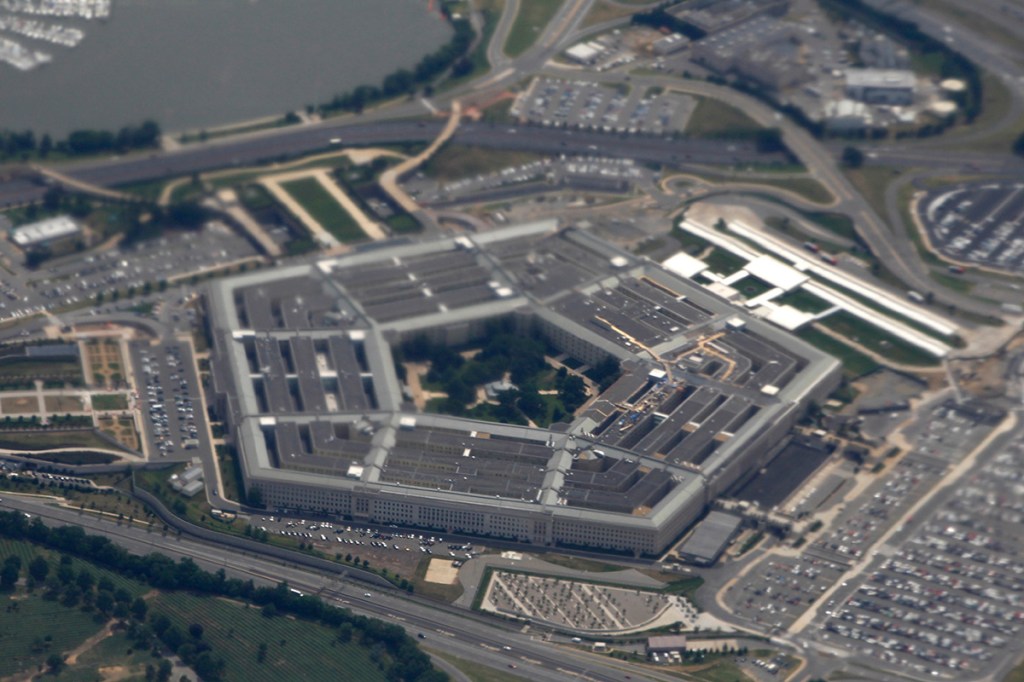
Pentagon names new chief data officer
The Defense Department has named an experienced data chief from Special Operations Command to be its next chief data officer.
-

Artificial intelligence systems need ‘checks and balances’ throughout development
The Department of Defense is moving forward of artificial intelligence projects for lethality. Experts warn that testing, experimentation and human understanding are critical to creating trustworthy systems.
-
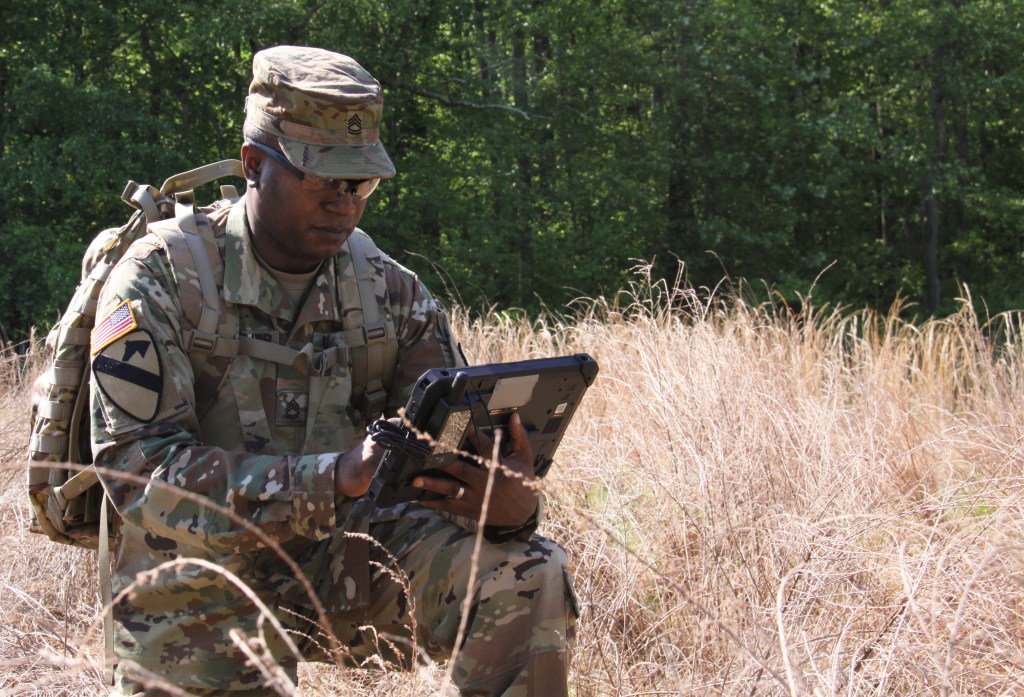
Army delays final RFP of encryption device
The Army might modify the request for proposals to increase competition.
-
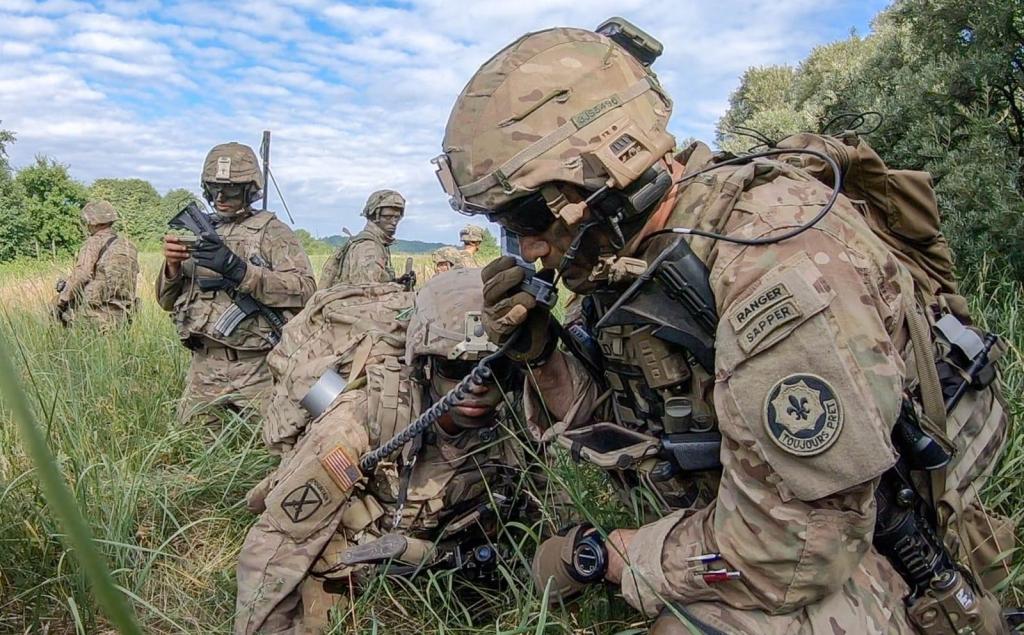
A weapon system ‘raises its hand’ if available under DARPA program
A DARPA program is working to set up a “marketplace” that would rapidly identify best-available support option across domains.
-
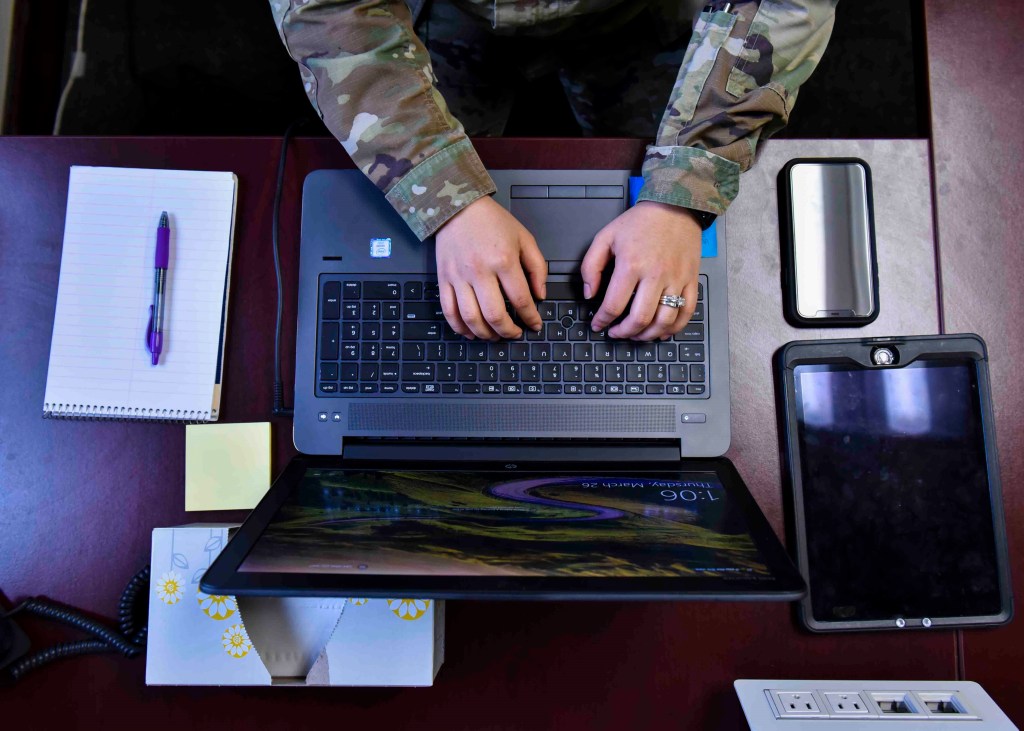
New collaboration tools and controls have made DoD telework safer
Cyber Command, in partnership with the Pentagon and the military services, have leveraged new tools to ensure greater continuity of operations during the coronavirus pandemic.
-

Military IT leaders prep for an ‘even worse’ second wave of coronavirus
Several high-ranking military IT officials are preparing for a second wave of the coronavirus, and expect the network infrastructure they scrambled to piece together three months ago to remain in place after the pandemic.
-

The Army is reorganizing its top IT office
The Army is splitting the CIO/G-6 role into two separate roles.
-

Senate wants Pentagon to study risks of 5G
A summary of the Senate’s version of annual defense policy bill expressed concern about Chinese-made 5G technology and pushed the Pentagon to improve its own capabilities.
-
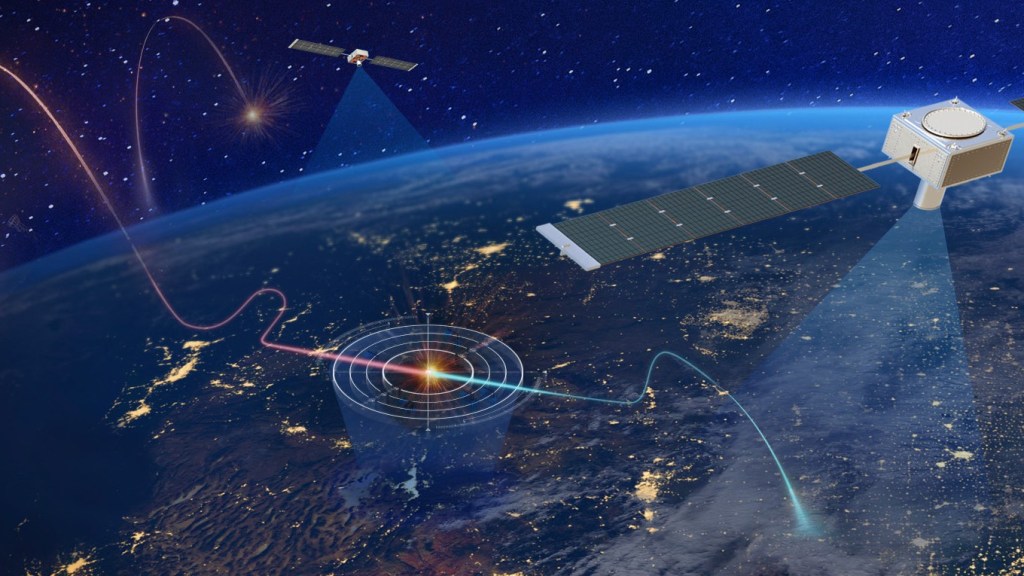
Senate bill promises more funding for space-based hypersonic defense, but mum on details
A summary of the legislation says it will provide additional funding for the Hypersonic and Ballistic Tracking Space Sensor, but it does not say how much or clarify where that money will go.
-
The Army AI task force takes on two ‘key’ projects
The task force wants unmanned systems to talk to each other and is continuing work on threat recognition.
-
Pentagon names new chief data officer
The Defense Department has named an experienced data chief from Special Operations Command to be its next chief data officer.
-
Artificial intelligence systems need ‘checks and balances’ throughout development
The Department of Defense is moving forward of artificial intelligence projects for lethality. Experts warn that testing, experimentation and human understanding are critical to creating trustworthy systems.
-
Army delays final RFP of encryption device
The Army might modify the request for proposals to increase competition.
-
A weapon system ‘raises its hand’ if available under DARPA program
A DARPA program is working to set up a “marketplace” that would rapidly identify best-available support option across domains.
-
New collaboration tools and controls have made DoD telework safer
Cyber Command, in partnership with the Pentagon and the military services, have leveraged new tools to ensure greater continuity of operations during the coronavirus pandemic.
-
Military IT leaders prep for an ‘even worse’ second wave of coronavirus
Several high-ranking military IT officials are preparing for a second wave of the coronavirus, and expect the network infrastructure they scrambled to piece together three months ago to remain in place after the pandemic.
-
The Army is reorganizing its top IT office
The Army is splitting the CIO/G-6 role into two separate roles.
-
Senate wants Pentagon to study risks of 5G
A summary of the Senate’s version of annual defense policy bill expressed concern about Chinese-made 5G technology and pushed the Pentagon to improve its own capabilities.
-
Senate bill promises more funding for space-based hypersonic defense, but mum on details
A summary of the legislation says it will provide additional funding for the Hypersonic and Ballistic Tracking Space Sensor, but it does not say how much or clarify where that money will go.
-
The Army AI task force takes on two ‘key’ projects
The task force wants unmanned systems to talk to each other and is continuing work on threat recognition.