-

The multi-cloud multiverse: How the Pentagon can achieve AI success
Many government agencies are overcoming these challenges using technologies such as data virtualization to implement a logical data fabric approach capable of ensuring trusted data access and sharing.
-
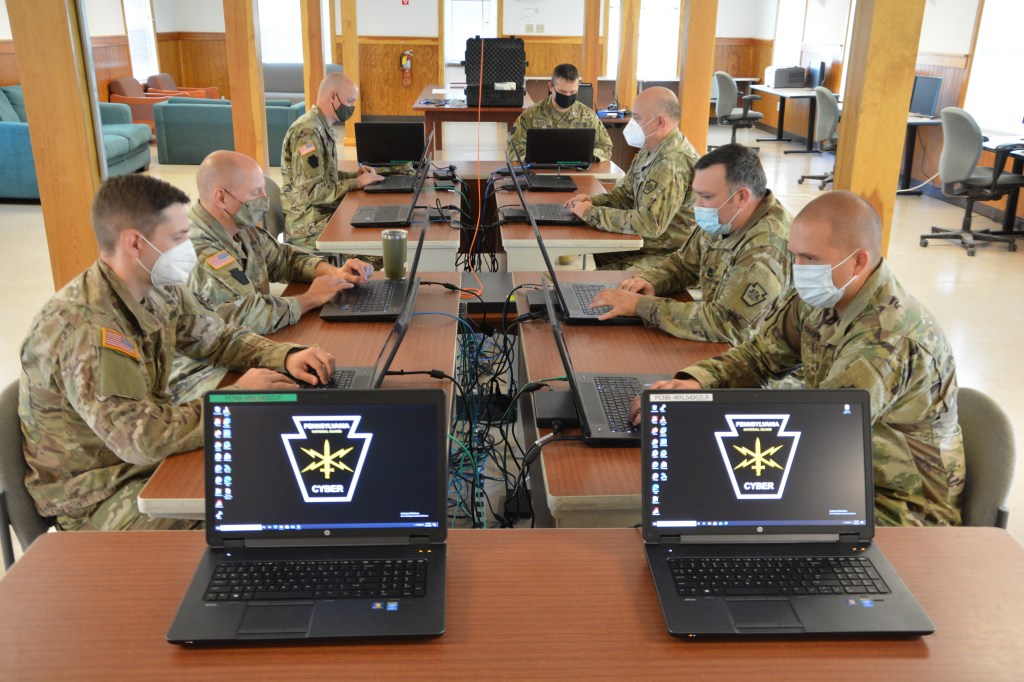
US must prepare for proliferation of cyber warfare
To build cyber resilience in this heightened threat environment, agencies must work closely with both international counterparts and industry to align on a proactive, global approach to all cyber threats –– not just state-sponsored attacks.
-

What the Cyber Workforce bill means for federal IT professionals
President Biden signed the Federal Rotational Cyber Workforce Program Act into law, offering agencies a practical solution to the cyber staffing crisis—if they act proactively.
-
Parsons’ chief executive talks acquisitions, Ukraine and the defense budget
Carey Smith took over as chief executive of Parsons in April 2021. Since then, the contractor has kept up a busy pace of acquisitions, most recently picking up Xator, which specializes in cybersecurity, counter-drone technology, biometrics and more.
-

Prolonged war may make Russia more cyber aggressive, US official says
“We have to keep our shields up,” said Neal Higgins, the deputy national cyber director for national cybersecurity. “We can’t let our guard down.”
-

Zero Trust in Zero Gravity: US must commit to stay ahead of rivals in space
The U.S. must pivot towards a comprehensive cybersecurity plan immediately, the first step of which is to implement Zero Trust architectures (ZTA) across networks, and at the data level where possible, SpiderOak Inc. Executive Chairman Charles Beames says.
-
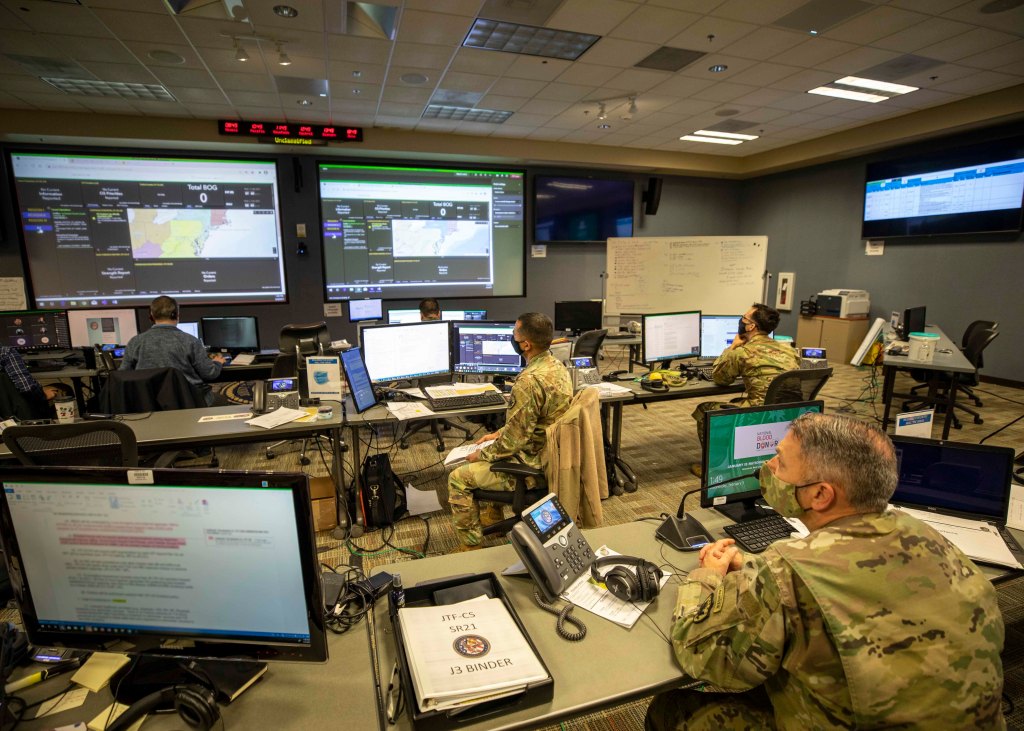
Senators seek boosts for JADC2, cyber mission, hypersonics in defense bill
The Senate Armed Services Committee on June 16 published its summary of the annual defense bill, tackling everything from future network development to supply chain challenges, electronic warfare integration to hypersonic weapons development.
-

How war in Ukraine is informing future US Air Force networks
“If I were to summarize a lesson learned, it would be we can’t have enough coalition connectivity fast enough.”
-

NORTHCOM wants millions more for AI and data handling
U.S. Northern Command has asked Congress for almost $30 million to buy information technology equipment and to optimize infrastructure for artificial intelligence and machine learning at its joint operations center with the North American Aerospace Defense Command.
-

SPACECOM requests more funding for key space domain awareness center
The $74 million request would support projects in support of the National Space Defense Center, an important command-and-control and space domain awareness capability.
-
The multi-cloud multiverse: How the Pentagon can achieve AI success
Many government agencies are overcoming these challenges using technologies such as data virtualization to implement a logical data fabric approach capable of ensuring trusted data access and sharing.
-
US must prepare for proliferation of cyber warfare
To build cyber resilience in this heightened threat environment, agencies must work closely with both international counterparts and industry to align on a proactive, global approach to all cyber threats –– not just state-sponsored attacks.
-
What the Cyber Workforce bill means for federal IT professionals
President Biden signed the Federal Rotational Cyber Workforce Program Act into law, offering agencies a practical solution to the cyber staffing crisis—if they act proactively.
-
Parsons’ chief executive talks acquisitions, Ukraine and the defense budget
Carey Smith took over as chief executive of Parsons in April 2021. Since then, the contractor has kept up a busy pace of acquisitions, most recently picking up Xator, which specializes in cybersecurity, counter-drone technology, biometrics and more.
-
Prolonged war may make Russia more cyber aggressive, US official says
“We have to keep our shields up,” said Neal Higgins, the deputy national cyber director for national cybersecurity. “We can’t let our guard down.”
-
Zero Trust in Zero Gravity: US must commit to stay ahead of rivals in space
The U.S. must pivot towards a comprehensive cybersecurity plan immediately, the first step of which is to implement Zero Trust architectures (ZTA) across networks, and at the data level where possible, SpiderOak Inc. Executive Chairman Charles Beames says.
-
Senators seek boosts for JADC2, cyber mission, hypersonics in defense bill
The Senate Armed Services Committee on June 16 published its summary of the annual defense bill, tackling everything from future network development to supply chain challenges, electronic warfare integration to hypersonic weapons development.
-
How war in Ukraine is informing future US Air Force networks
“If I were to summarize a lesson learned, it would be we can’t have enough coalition connectivity fast enough.”
-
NORTHCOM wants millions more for AI and data handling
U.S. Northern Command has asked Congress for almost $30 million to buy information technology equipment and to optimize infrastructure for artificial intelligence and machine learning at its joint operations center with the North American Aerospace Defense Command.
-
SPACECOM requests more funding for key space domain awareness center
The $74 million request would support projects in support of the National Space Defense Center, an important command-and-control and space domain awareness capability.