-
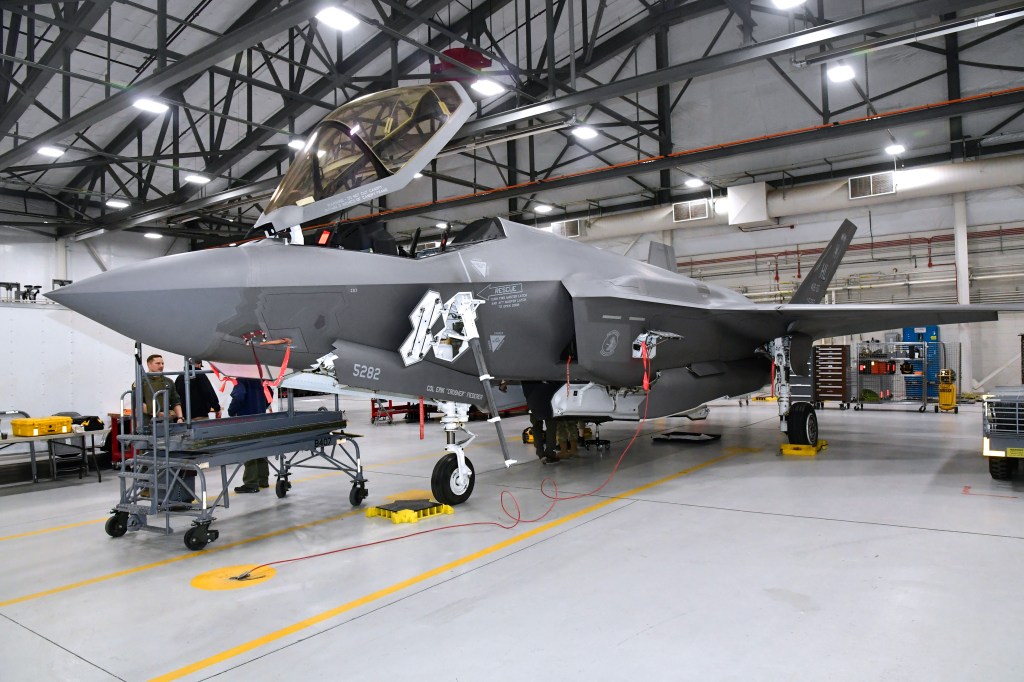
Football-sized device could transform how Air Force collects F-35 data
The device, called a QRIP, is bolted inside an F-35’s weapons bay. Unlike previous data-collecting devices, it doesn’t take up all the bay’s space.
-

Raytheon tests information-sharing technology with JADC2 in mind
The demonstration included two locations as well as a range of hardware, waveforms and data formats.

Featured:
IT and Networks
Defense Department information technology serves as the backbone for battlefield communications. Get all the IT and networks latest news here.
-

What new federal cybersecurity policy means for government contractors
The most controversial section calls for holding software companies liable for producing insecure code.
-
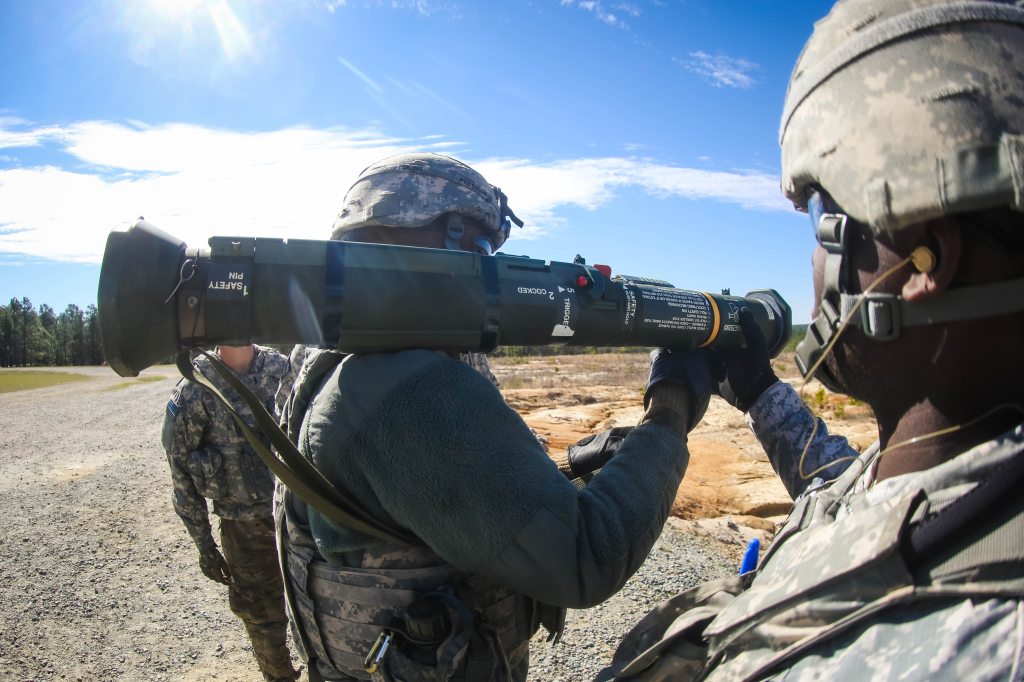
‘Game-changing technology’ gives war fighters an edge
SOCOM’s Lisa Sanders says the command is well-positioned to assess troops’ needs and set in motion the research needed to deliver point solutions.
-

DARPA seeks more accurate social science
Concerned that social science models may not be accurately simulating the real world, the Defense Advanced Research Projects Agency wants to test them.
-

Now the Air Force wants to get hacked, too
The Air Force is joining the club alongside the Pentagon and Army as it announces the Hack the Air Force bug bounty initiative.
-

Navy invests in AI, human operator linkup
Through machine learning, researchers will look to develop systems that can read sensor inputs more rapidly and more accurately. This could drive a range of battlefield outcomes.
-

Army releases counter-drone training document
The new document goes into depth regarding the planning considerations for defending against low, slow, small unmanned air threats.
-

DARPA wants more secure hardware
The Defense Advanced Research Projects Agency wants to test the proposition that more secure software starts with more secure hardware.
-

Telos among awardees of Army cloud computing deal
Telos has been chosen to be one of the awardees of the $247.7 million Army Cloud Computing Enterprise Transformation Basic Ordering Agreement, otherwise known as ACCENT BOA.
-

Navy to begin JRSS migration this fall
After some initial resistance from the Navy, a top Defense Information Systems Agency official said the service is scheduled to begin migration to the Joint Regional Security Stacks in the fall.
-

Boeing, DRS awarded Navy destroyer ethernet contract
Boeing and DRS Laurel Technologies have been awarded a contract to modernize the Ethernet system aboard modernized DDG-51 destroyers.
-

Raytheon secures $10M computing contract for DARPA
The work is scheduled for completion in April 2021.