-

Inside ODNI’s plans to ‘transform’ through reorg
Shakeups are afoot at the Office of the Director of National Intelligence.
-

Big brother, robot overlords and intelligence acquisition reform
The slow pace of acquisition isn’t the government’s only problem buying new technology.
-

Army narrows contenders for $429M ground robot competition
Could the Army snag a Roomba for dismounted field operations?
-

How the Facebook fallout could hurt intel agencies
Many government organizations have come to rely on social media aggregators for mission critical Open Source Intelligence. What happens if new legal restrictions are put in place?
-

Homeland Security says it can’t counter a popular spy tool. Really?
StingRays gather information from cellphones by sending out a signal that tricks them into connecting to it, but the Department of Homeland Security says it has no solution to countering the technology.
-

DHS finds suspected phone spying in Washington
In a March 26 letter to Oregon Sen. Ron Wyden, the Department of Homeland Security acknowledged that last year it identified suspected unauthorized cell-site simulators in the nation’s capital.
-

Why the national security space community is studying the Chinese space station that just crashed into the Pacific
The national security space community is interested in the Chinese space station that entered Earth’s atmosphere Sunday.
-
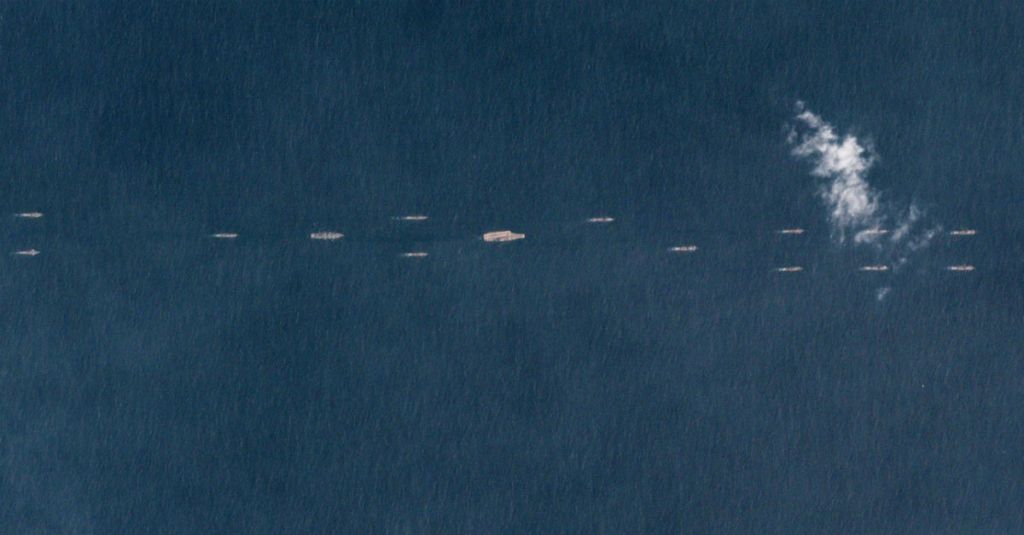
Chinese flotilla transits South China Sea, satellite imagery shows
Satellite images from this week showed a Chinese carrier group steaming with dozens of other ships, according to a Reuters report.
-

12 trends that leaders at the Army’s Training and Doctrine Command are watching
As the political landscape changes in Europe, the Army is considering new ways to solve problems related to weapons of mass destruction, cyberattacks, and electronic warfare.
-

France tests radar to detect and track ballistic missiles, satellites
France is exploring anti-missile defense by conducting studies with a technology demonstrator for an over-the-horizon radar to detect and track ballistic missile launches.
-
Inside ODNI’s plans to ‘transform’ through reorg
Shakeups are afoot at the Office of the Director of National Intelligence.
-
Big brother, robot overlords and intelligence acquisition reform
The slow pace of acquisition isn’t the government’s only problem buying new technology.
-
Army narrows contenders for $429M ground robot competition
Could the Army snag a Roomba for dismounted field operations?
-
How the Facebook fallout could hurt intel agencies
Many government organizations have come to rely on social media aggregators for mission critical Open Source Intelligence. What happens if new legal restrictions are put in place?
-
Homeland Security says it can’t counter a popular spy tool. Really?
StingRays gather information from cellphones by sending out a signal that tricks them into connecting to it, but the Department of Homeland Security says it has no solution to countering the technology.
-
DHS finds suspected phone spying in Washington
In a March 26 letter to Oregon Sen. Ron Wyden, the Department of Homeland Security acknowledged that last year it identified suspected unauthorized cell-site simulators in the nation’s capital.
-
Why the national security space community is studying the Chinese space station that just crashed into the Pacific
The national security space community is interested in the Chinese space station that entered Earth’s atmosphere Sunday.
-
Chinese flotilla transits South China Sea, satellite imagery shows
Satellite images from this week showed a Chinese carrier group steaming with dozens of other ships, according to a Reuters report.
-
12 trends that leaders at the Army’s Training and Doctrine Command are watching
As the political landscape changes in Europe, the Army is considering new ways to solve problems related to weapons of mass destruction, cyberattacks, and electronic warfare.
-
France tests radar to detect and track ballistic missiles, satellites
France is exploring anti-missile defense by conducting studies with a technology demonstrator for an over-the-horizon radar to detect and track ballistic missile launches.