-
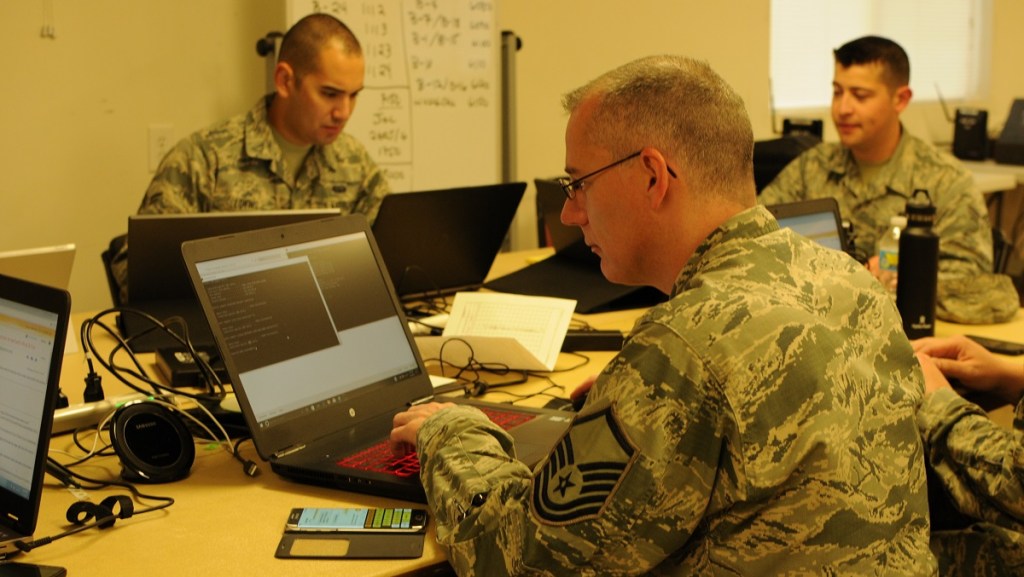
Information operations officers get their own school
Air Force officers in the newly formed 14F information operations career field will get their own technical training school in late fiscal 2019.
-
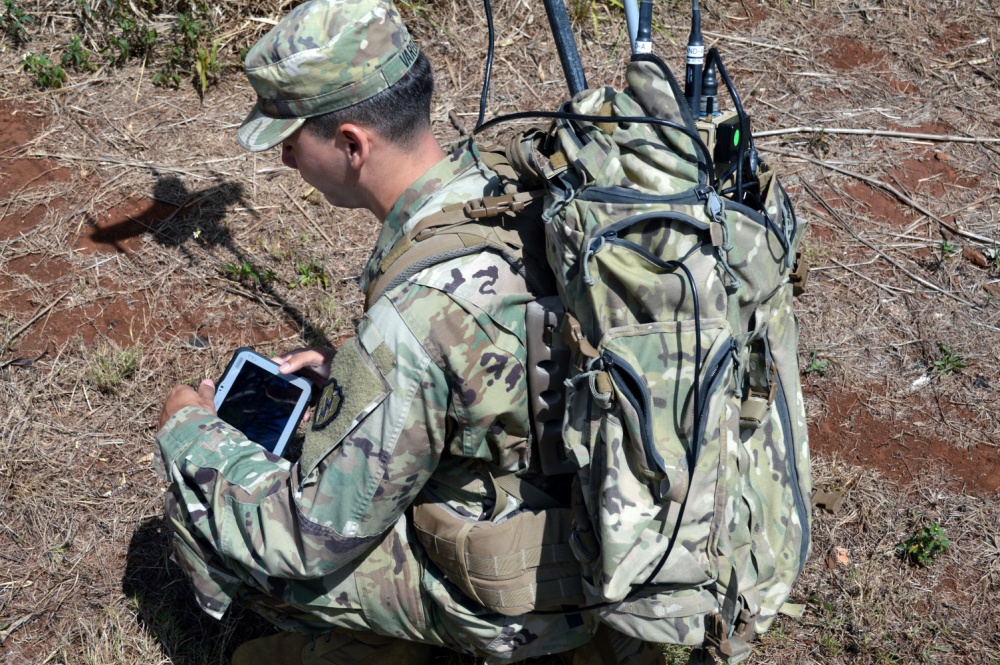
New electronic warfare program tops Army intel wishlist
The Army is working to develop a single platform that can do electronic attack and intelligence gathering.
-

Lockheed to reinvest some tax savings in R&D, education
Lockheed Martin is internally reinvesting some of the money it will be saving through U.S. tax reform.
-
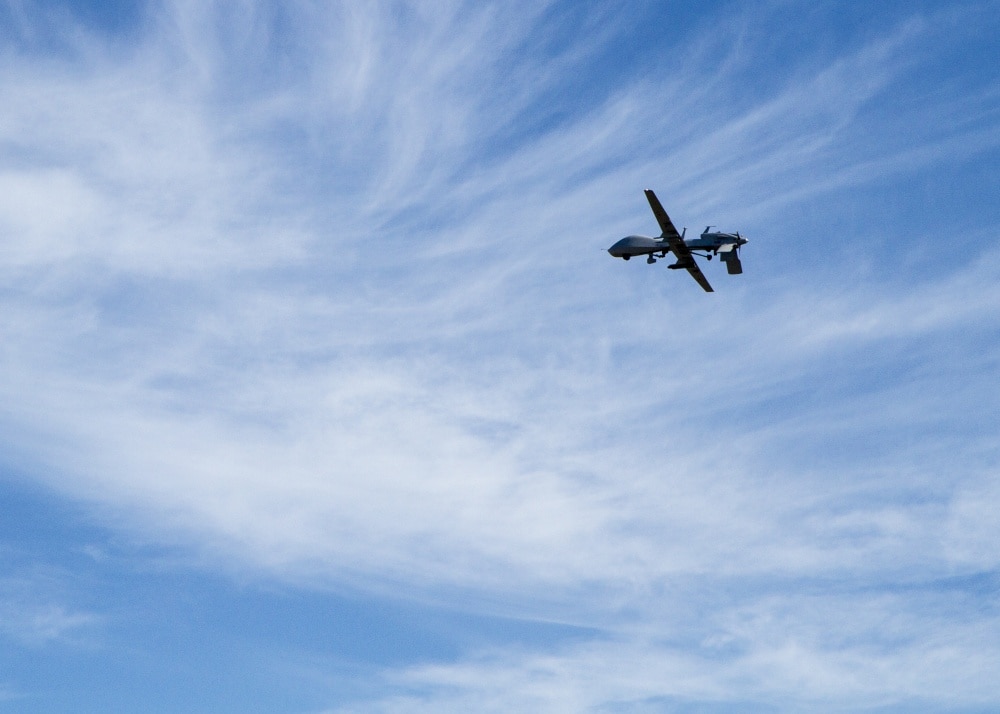
Army plans to award major EW-drone contract this year
The Army expects to award a contract this year for its multi-function electronic warfare air large program.
-

Here’s what we know about the Air Force’s alternative to the JSTARS recap
In its recently unveiled fiscal 2019 budget proposal, the Air Force canceled its JSTARS recapitalization program in favor of a disaggregated battle management approach.
-
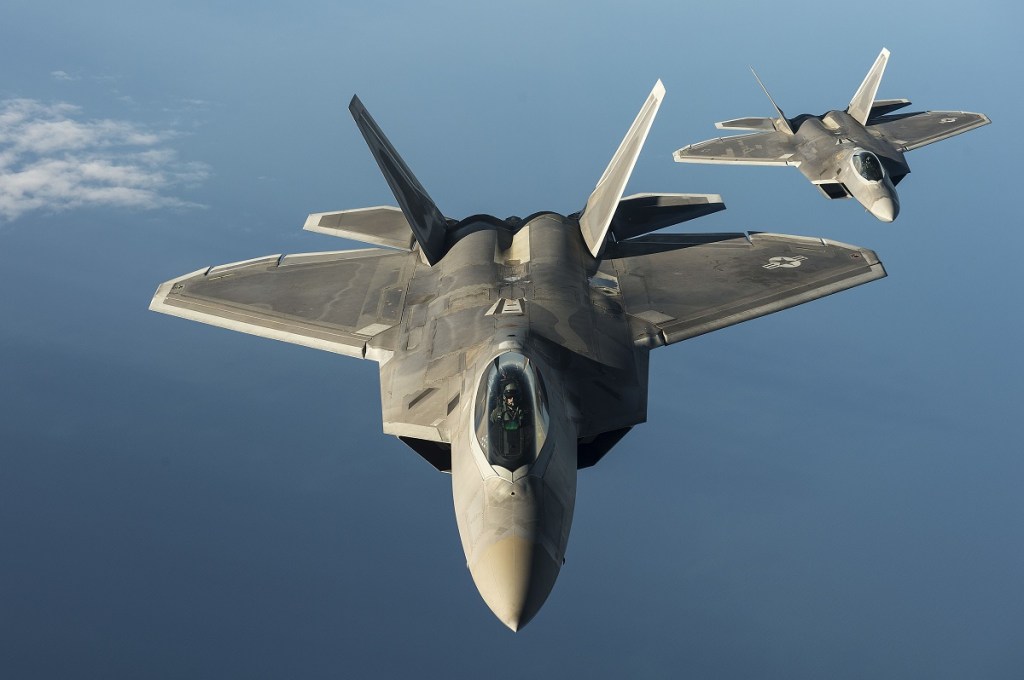
GAO: Fix security flaws or anyone will be able to track a F-22
Security vulnerabilities associated with new transponders to be inserted in all military aircraft by Jan. 1, 2020, may jeopardize DoD security and missions, according to GAO.
-
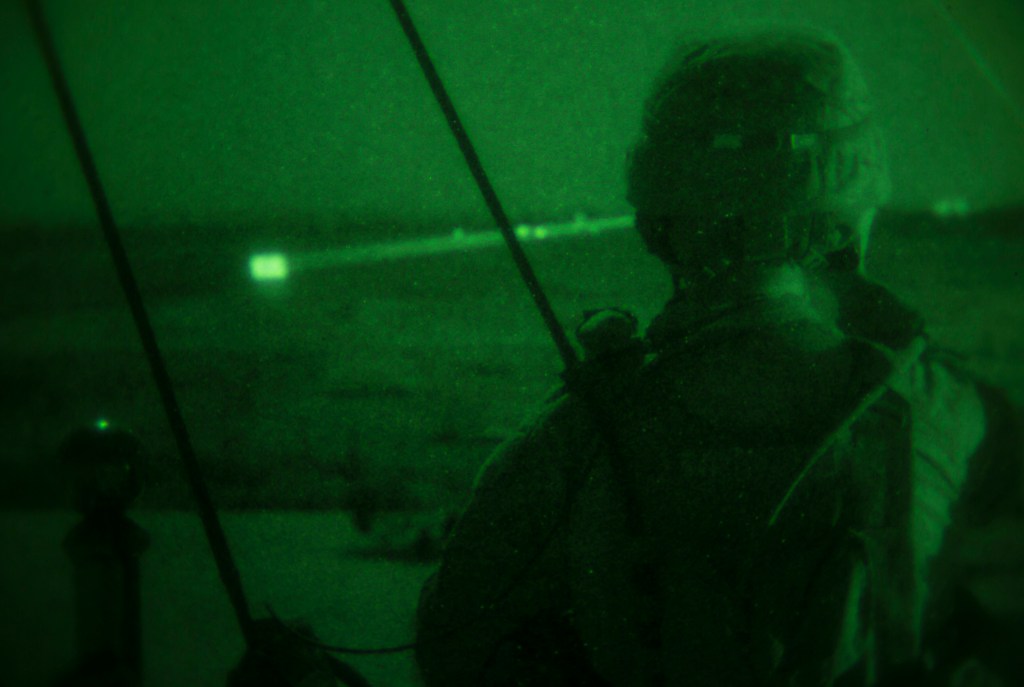
How to test high-energy lasers without frying satellites
The new senior research scientist for directed energy applications at Army Space and Missile Defense Command/Army Forces Strategic Command explains the state of laser research and how lasers could be used to knock out drones.
-
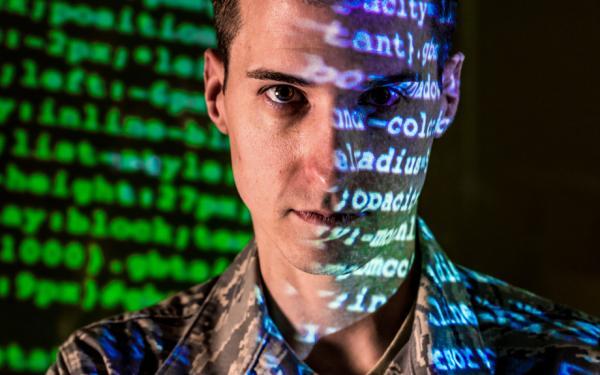
3 futuristic ways the Air Force could improve electronic warfare
A new request for information highlights three ways the Air Force is looking to bolster its electronic warfare capabilities for the long-term.
-

Marco Rubio’s 3 theories on who launched the Cuba sonic attacks
Sen. Marco Rubio theorized recently that there are three possible answers to who perpetrated the sonic attacks on U.S. embassy employees and their families in Cuba.
-

State Department to Cuba personnel: Run away if you hear weird noises
U.S. government employees traveling to Havana, Cuba, have only been provided with a single technique for protecting themselves from the sonic attacks and health issues reported over the past year by embassy employees there: move away from unusual sounds.
-
Information operations officers get their own school
Air Force officers in the newly formed 14F information operations career field will get their own technical training school in late fiscal 2019.
-
New electronic warfare program tops Army intel wishlist
The Army is working to develop a single platform that can do electronic attack and intelligence gathering.
-
Lockheed to reinvest some tax savings in R&D, education
Lockheed Martin is internally reinvesting some of the money it will be saving through U.S. tax reform.
-
Army plans to award major EW-drone contract this year
The Army expects to award a contract this year for its multi-function electronic warfare air large program.
-
Here’s what we know about the Air Force’s alternative to the JSTARS recap
In its recently unveiled fiscal 2019 budget proposal, the Air Force canceled its JSTARS recapitalization program in favor of a disaggregated battle management approach.
-
GAO: Fix security flaws or anyone will be able to track a F-22
Security vulnerabilities associated with new transponders to be inserted in all military aircraft by Jan. 1, 2020, may jeopardize DoD security and missions, according to GAO.
-
How to test high-energy lasers without frying satellites
The new senior research scientist for directed energy applications at Army Space and Missile Defense Command/Army Forces Strategic Command explains the state of laser research and how lasers could be used to knock out drones.
-
3 futuristic ways the Air Force could improve electronic warfare
A new request for information highlights three ways the Air Force is looking to bolster its electronic warfare capabilities for the long-term.
-
Marco Rubio’s 3 theories on who launched the Cuba sonic attacks
Sen. Marco Rubio theorized recently that there are three possible answers to who perpetrated the sonic attacks on U.S. embassy employees and their families in Cuba.
-
State Department to Cuba personnel: Run away if you hear weird noises
U.S. government employees traveling to Havana, Cuba, have only been provided with a single technique for protecting themselves from the sonic attacks and health issues reported over the past year by embassy employees there: move away from unusual sounds.