-

Make it fun: A cyber exec’s take on training a workforce
Circadence’s Keenan Skelly talks to Fifth Domain about the challenges an organization faces when it trains in workforce on cybersecurity.
-

Air Force plans new cyber AFSC to defend weapons systems
Aircraft such as the F-22 Raptor and E-3 Sentry, also known as the AWACS, are among those weapon systems safeguarded by mission defense teams.
-
Can the Pentagon achieve cybersecurity through obscurity?
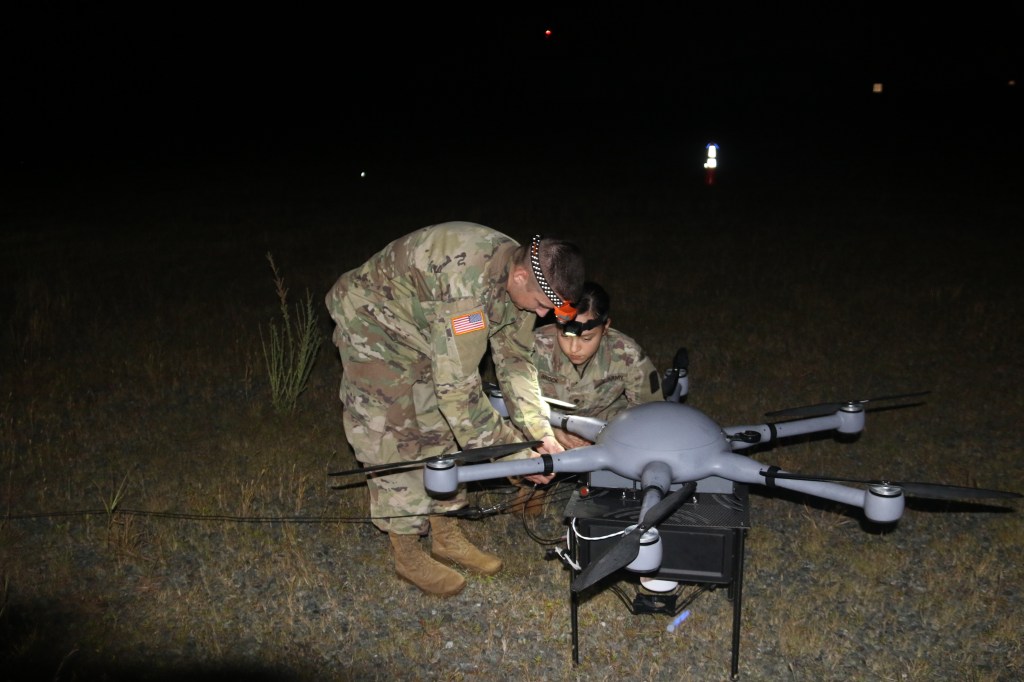
At Cybercon, a proposal to reduce industry transparency in the name of national security.
-

This Senate bill helps states with cybersecurity
The bipartisan bill, if signed into law, would facilitate joint cybersecurity exercises between the federal government and state and local governments.
-
Huawei controversy shows US need for robust supply chain security strategy
As 5G implementation picks up, the U.S. government needs an established and repeatable process to mitigate supply chain security risks.
-
Cyberwarriors lack planning tools. That could change.
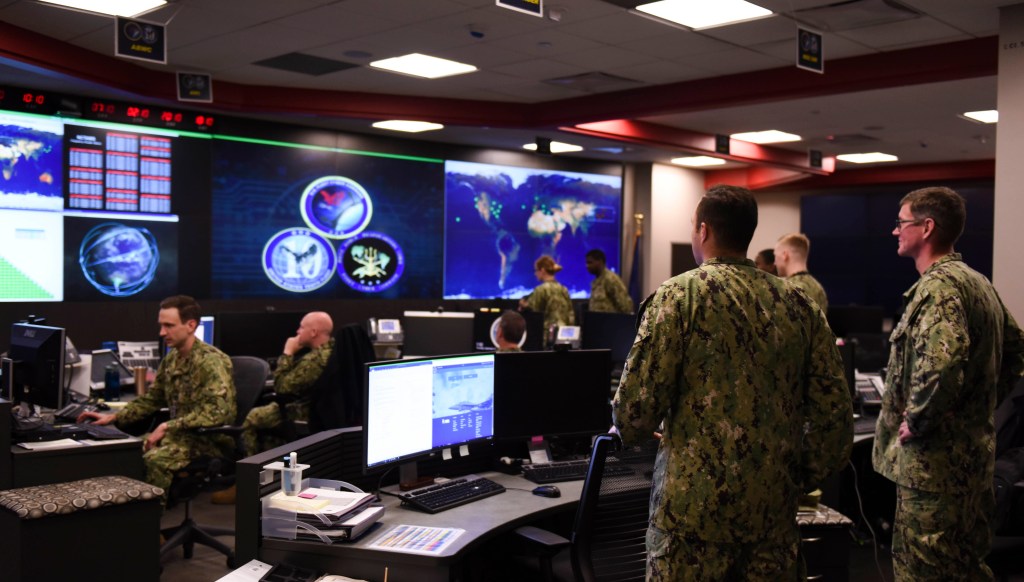
Cyberwarriors still don’t have a robust cyber-planning tool that spans across all services and teams within U.S. Cyber Command. The Air Force and Strategic Capabilities Office is continuing DARPA’s work to change that.
-

What is ‘sovereignty’ in cyberspace? Depends who you ask
Nations still don’t fully agree on where lines in cyberspace are, potentially posing challenges for cooperation.
-

Information sharing is critical. So will DHS fund it in 2020?
Three Senate Democrats are concerned that the Department of Homeland Security’s cyber unit won’t provide adequate funding to an information sharing program with less than one year until the 2020 presidential election.
-
The top colleges at the Energy Department’s cyber competition
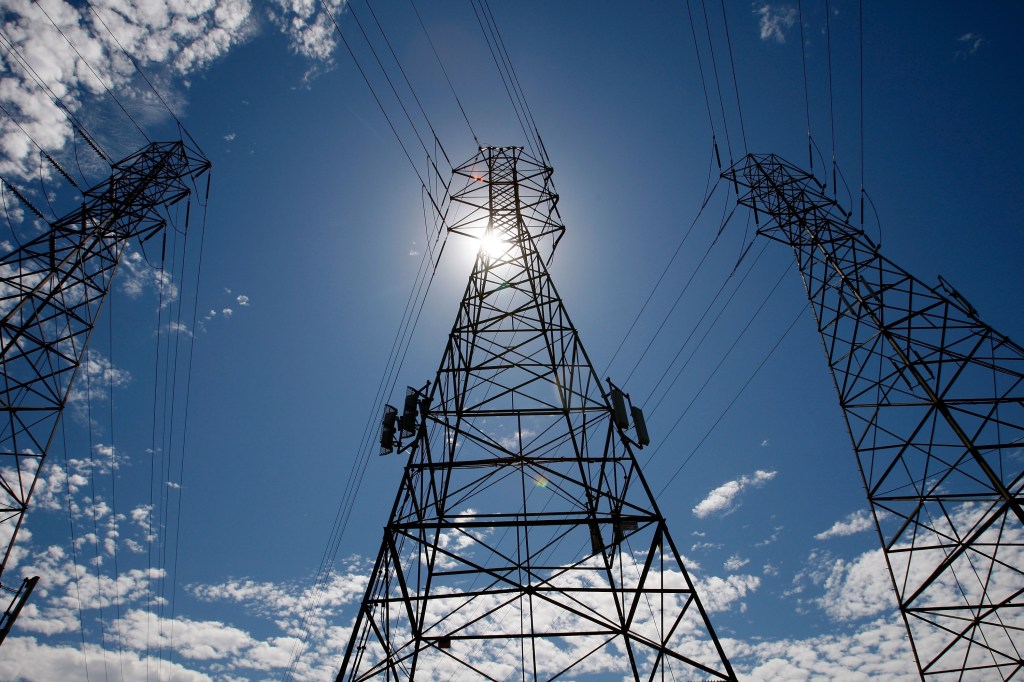
The Department of Energy hosted its fifth CyberForce Competition on Nov. 16, during which 105 college teams worked to defend simulated energy infrastructure from cyberattacks.
-

China’s Achilles’ heel when it comes to cyberspace
If “mutually assured cyber destruction” were to occur, one Marine Corps leader says, authoritarian nations such as China might have more to lose than the United States.
-
Make it fun: A cyber exec’s take on training a workforce
Circadence’s Keenan Skelly talks to Fifth Domain about the challenges an organization faces when it trains in workforce on cybersecurity.
-
Air Force plans new cyber AFSC to defend weapons systems
Aircraft such as the F-22 Raptor and E-3 Sentry, also known as the AWACS, are among those weapon systems safeguarded by mission defense teams.
-
Can the Pentagon achieve cybersecurity through obscurity?
At Cybercon, a proposal to reduce industry transparency in the name of national security.
-
This Senate bill helps states with cybersecurity
The bipartisan bill, if signed into law, would facilitate joint cybersecurity exercises between the federal government and state and local governments.
-
Huawei controversy shows US need for robust supply chain security strategy
As 5G implementation picks up, the U.S. government needs an established and repeatable process to mitigate supply chain security risks.
-
Cyberwarriors lack planning tools. That could change.
Cyberwarriors still don’t have a robust cyber-planning tool that spans across all services and teams within U.S. Cyber Command. The Air Force and Strategic Capabilities Office is continuing DARPA’s work to change that.
-
What is ‘sovereignty’ in cyberspace? Depends who you ask
Nations still don’t fully agree on where lines in cyberspace are, potentially posing challenges for cooperation.
-
Information sharing is critical. So will DHS fund it in 2020?
Three Senate Democrats are concerned that the Department of Homeland Security’s cyber unit won’t provide adequate funding to an information sharing program with less than one year until the 2020 presidential election.
-
The top colleges at the Energy Department’s cyber competition
The Department of Energy hosted its fifth CyberForce Competition on Nov. 16, during which 105 college teams worked to defend simulated energy infrastructure from cyberattacks.
-
China’s Achilles’ heel when it comes to cyberspace
If “mutually assured cyber destruction” were to occur, one Marine Corps leader says, authoritarian nations such as China might have more to lose than the United States.