-

Federal government using artificial intelligence to fight cybercrime
Around 95 percent of cybersecurity issues can be traced to human error. A lack of cybersecurity experts in government is compounding the problem.
-

How a new Army cyber general got George Patton’s stars
The new commander of the Cyber Center of Excellence at Fort Gordon received the artifact the night before his promotion.

Featured:
Cyber
Your news and information resource bringing the civilian, defense, industry, private sector and critical infrastructure cyber conversations together in one place.
-

Allies first: The future of military data sharing?
The Ukraine war has reaffirmed the vital importance of enabling militaries to communicate faster, more efficiently and safely with each other.
-

Continuing Resolution Includes Language to Prevent KC-46 Penalty
WASHINGTON — The KC-46 program, one of the Air Force’s top three procurement priorities, will likely remain on track even as Congress presses forward with a continuing resolution that will extend current funding levels until next April. Congressional Republicans unveiled a short-term budget extension Tuesday evening that will boost KC-46A funding to the levels requested…
-

Software sustainment: A new mission at Tobyhanna Army Depot
One of the problems befalling the Army’s software sustainment community is maintaining information assurance vulnerability alert compliance.
-

Data everywhere: A target-rich environment
Napoleon Bonaparte is quoted as saying: “An army marches on its stomach.” Well, today’s army runs on its data.
-
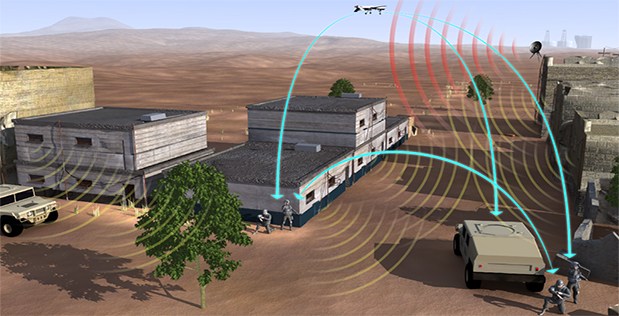
Army operationalizing cyber, EMS
The Army is working to operationalize the electromagnetic spectrum space while integrating it with similar environments and domains such as cyber.
-

Advanced Tech Needed for ‘Inevitable’ High-end Conflict
Conflict in non-permissive, contested and congested environments is not an if, but a when, according to a top DoD intelligence official.
-
Advanced tech needed for ‘inevitable’ high-end conflict
Conflict in non-permissive, contested and congested environments is not an if, but a when, according to a top DoD intelligence official.
-
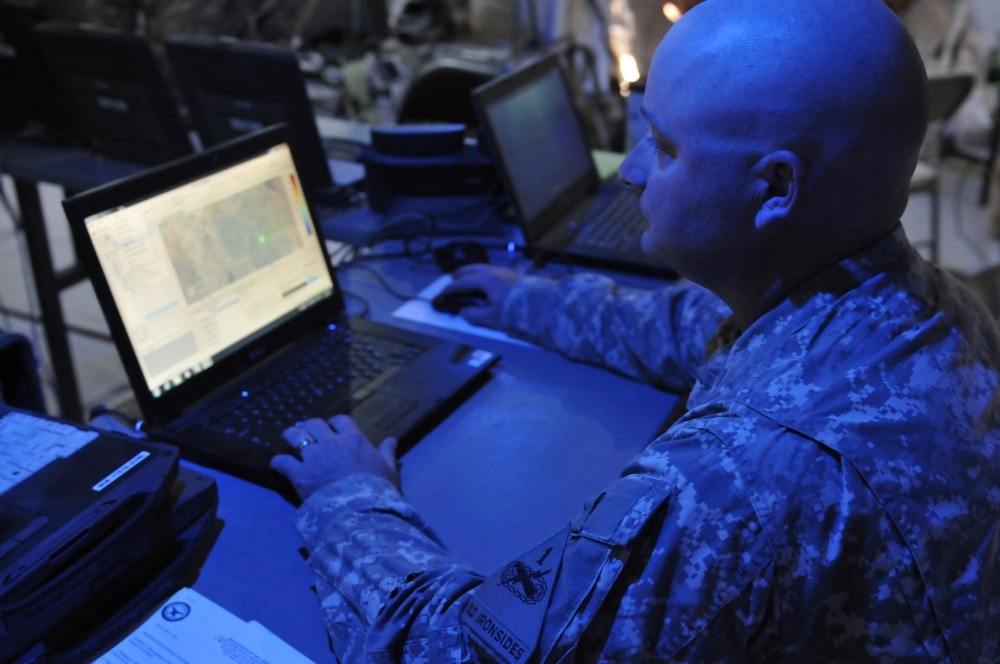
Army Electronic Warfare Strategy Nearing Completion
The establishment of an Army Cyber Directorate, the Rapid Capabilities Office and a nearly completed strategy are ushering in a more productive era in electronic warfare capability development, according to Col. Jeffrey Church, the chief of strategy and policy in the cyber directorate.
-

Congress set to elevate CYBERCOM to unified combatant command
In the newly released National Defense Authorization Act, Congress authorizes the elevation of Cyber Command to a fully unified combatant command.
-
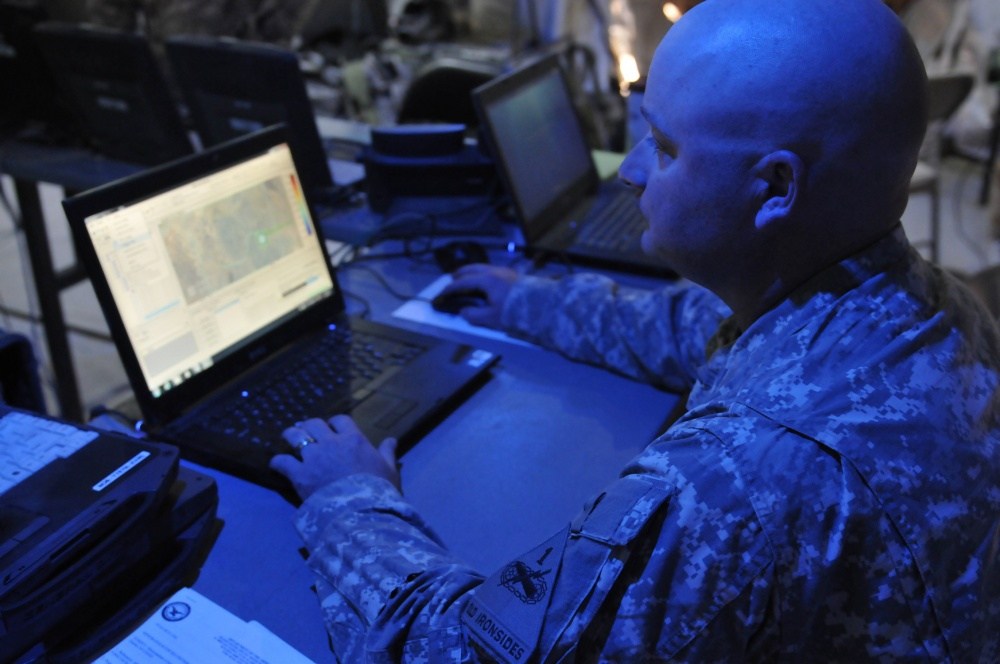
Army Electronic Warfare Strategy Nearing Completion
WASHINGTON — The establishment of an Army Cyber Directorate, the Rapid Capabilities Office and a nearly completed strategy are ushering in a more productive era in electronic warfare capability development, according to Col. Jeffrey Church, the chief of strategy and policy in the cyber directorate. The Army relies on the electromagnetic spectrum for everything from…
-
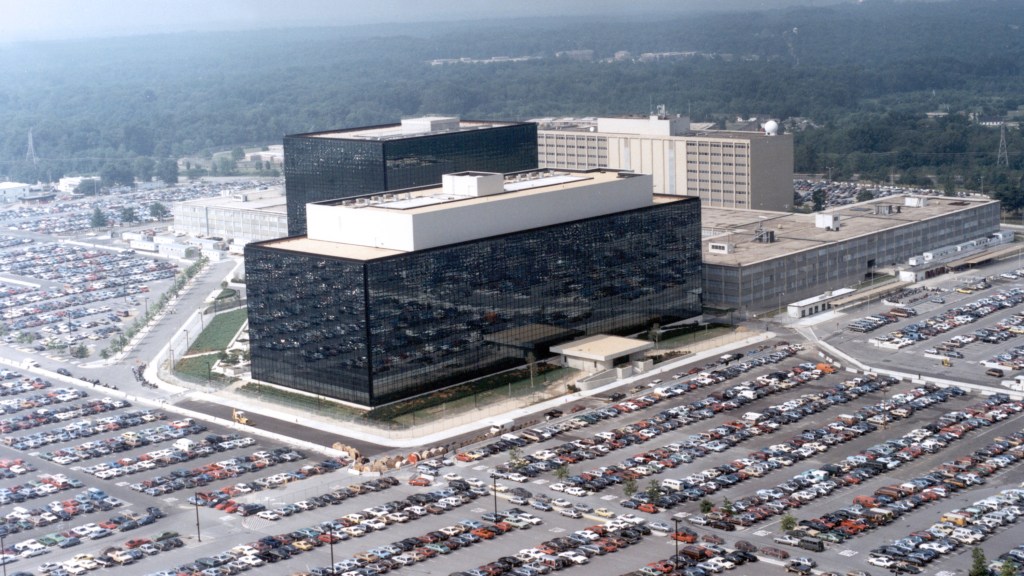
Congress Set to Elevate CYBERCOM to Unified Combatant Command
Congress is set to authorize the elevation of US Cyber Command, taking it from under the purview of US Strategic Command and making it a fully unified combatant command. In the finalized National Defense Authorization Act that passed House and Senate conference committees, the legislation authorizes the secretary of defense to establish a unified combatant…