-
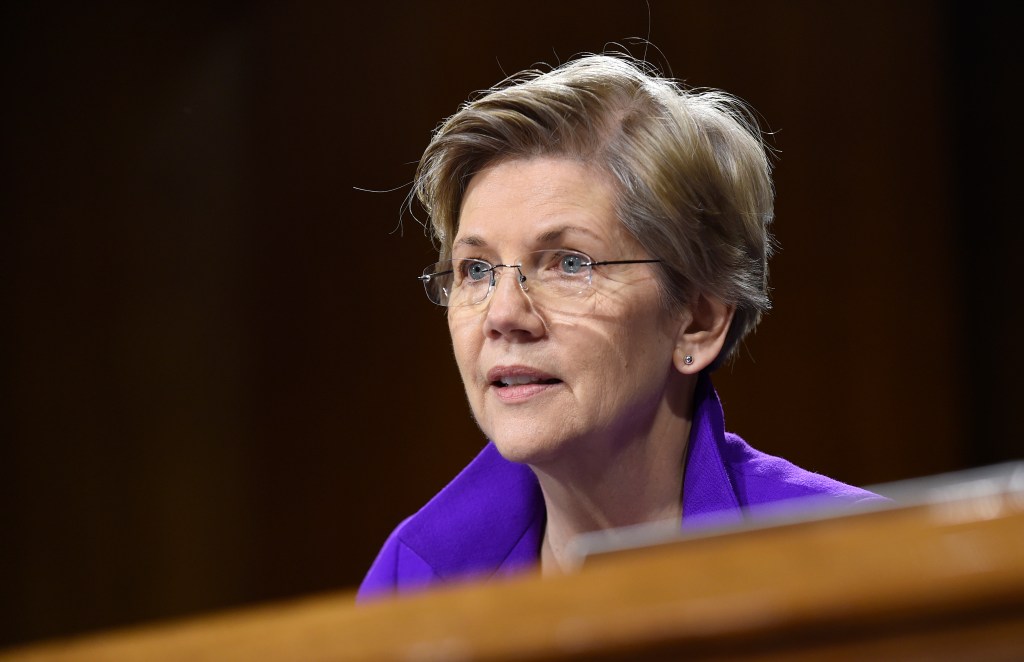
Senators filing bills in reaction to Equifax data breach
Democratic senators from Massachusetts, Connecticut and Rhode Island are pushing bills after credit reporting company Equifax announced 143 million Americans had their information exposed.
-

Swiss state blocks cyberattack, but another hits contractor
Switzerland’s government says state cyber-experts detected and prevented an attempted cyberattack on the Swiss defense department, while another attack “disrupted” the systems of a contractor for the foreign affairs department.
-
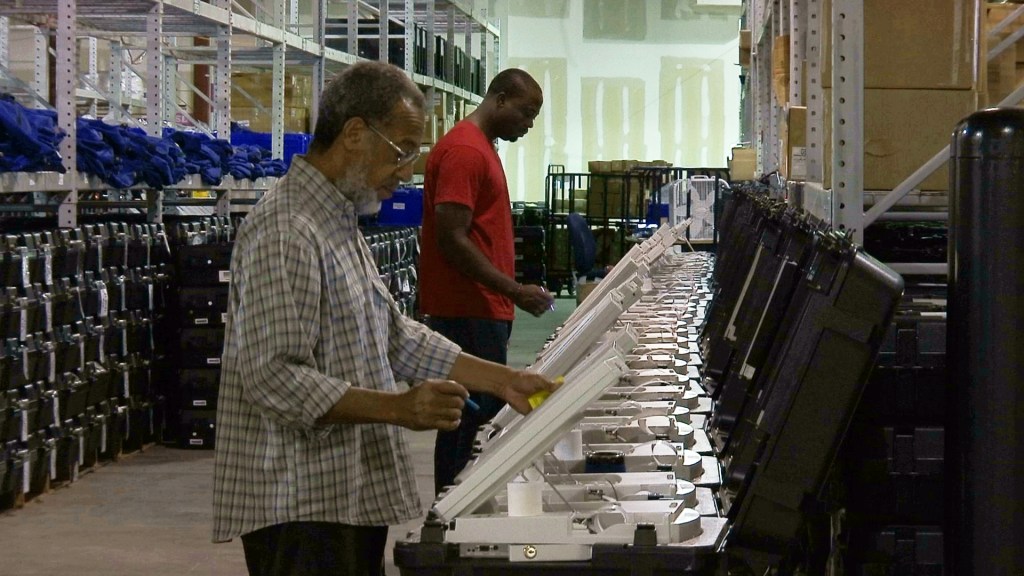
House bill would strengthen election cybersecurity, auditing
The Protecting the American Process for Election Results (PAPER) Act establishes directives and grants for states to harden systems against manipulation.
-
Compliance vs. Security: Rethinking federal cyber risk in the IoT era [Commentary]
Nearly nine out of 10 agencies consider the security of IoT devices “essential” for executing their missions.
-
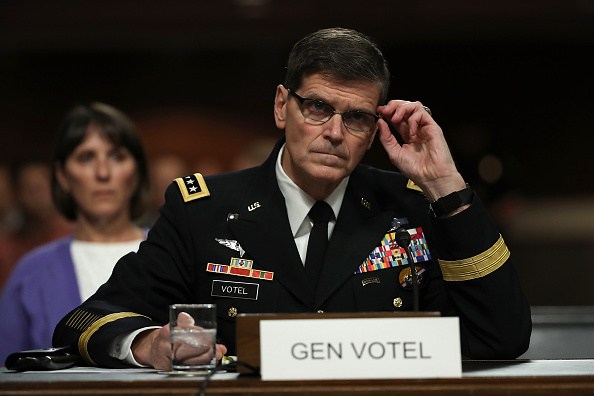
Cyber is being normalized with traditional military operations
Cyber effects are being normalized and integrated into traditional operations, especially in the Middle East, according to the region’s top U.S. military commander.
-
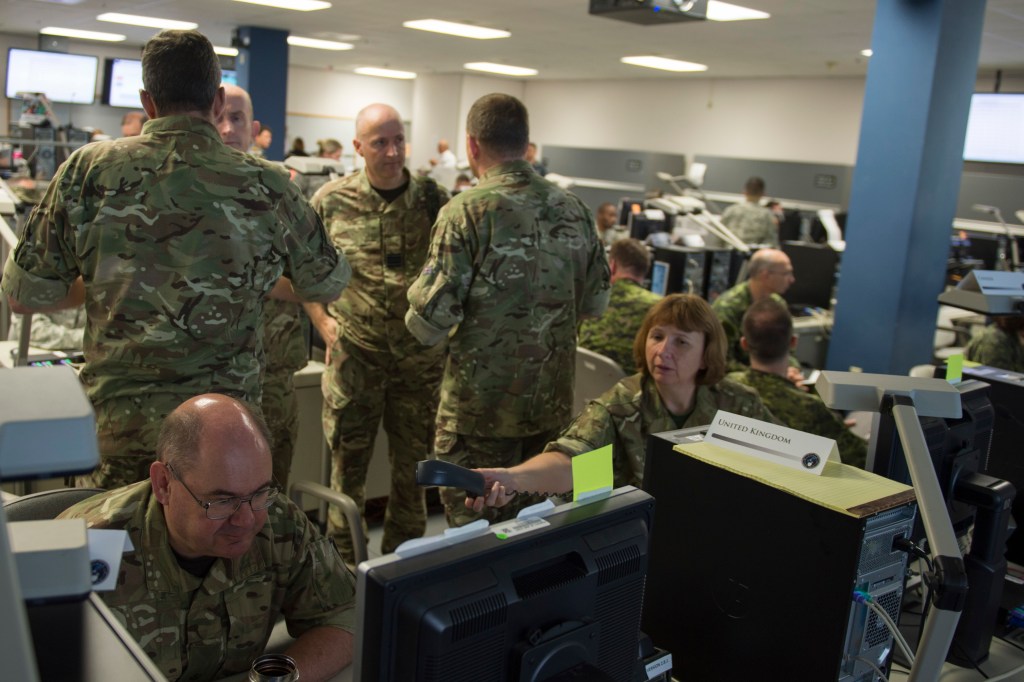
For DoD cyber warriors, offense and defense is interchangeable
Creating a cyber warrior class, the Department of Defense and Cyber Command sought offensive and defensive forces trained to the same joint standards, allowing them the ability to switch roles and to better understand each other.
-

DHS gives agencies 90 days to purge all Kaspersky products
After months of current and former U.S. government officials warning against using cybersecurity products developed and sold by Russia-based Kaspersky Lab, acting Homeland Security Secretary Elaine Duke issued a binding operational directive on Wednesday telling all federal agencies to get Kaspersky software off their systems within 90 days.
-
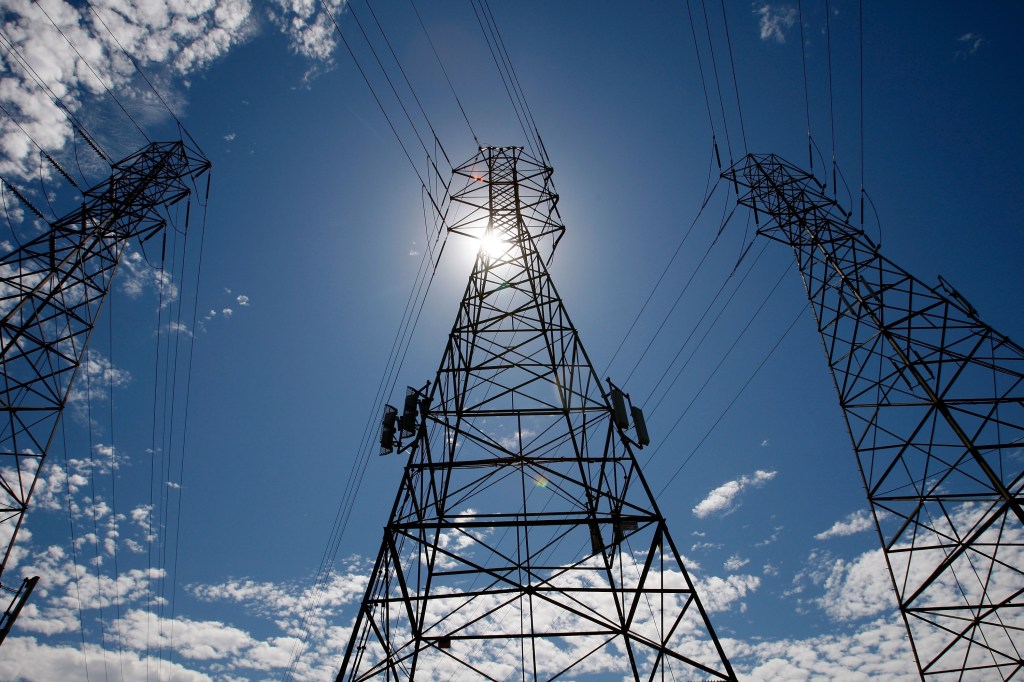
DOE awards $50M in critical energy security research grants
The funds will support “early stage research and development of next-generation tools and technologies to further improve the resilience of the nation’s critical energy infrastructure, including the electric grid and oil and natural gas infrastructure.”
-
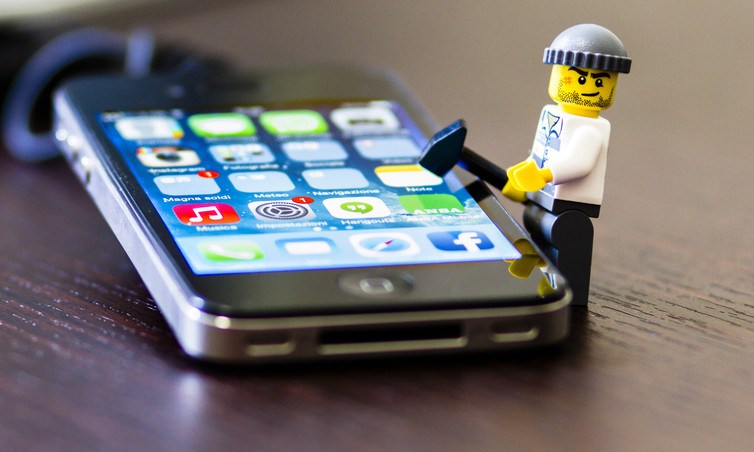
Is the new iPhone designed for cybersafety? [Commentary]
As eager customers meet the new iPhone, they’ll explore the latest installment in Apple’s decade-long drive to make sleeker and sexier phones. But to me as a scholar of cybersecurity, these revolutionary innovations have not come without compromises.
-
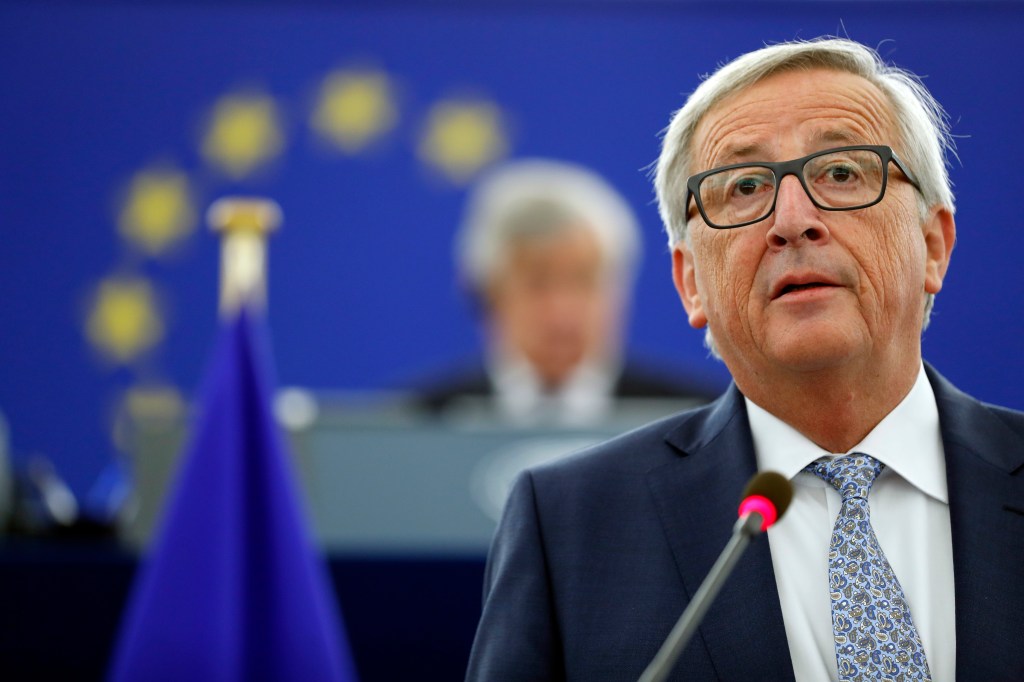
EU chief calls for pan-European cyber agency
“Cyberattacks are sometimes more dangerous for the stability of democracies and economies than guns and tanks,” President Jean-Claude Juncker said.
-
Senators filing bills in reaction to Equifax data breach
Democratic senators from Massachusetts, Connecticut and Rhode Island are pushing bills after credit reporting company Equifax announced 143 million Americans had their information exposed.
-
Swiss state blocks cyberattack, but another hits contractor
Switzerland’s government says state cyber-experts detected and prevented an attempted cyberattack on the Swiss defense department, while another attack “disrupted” the systems of a contractor for the foreign affairs department.
-
House bill would strengthen election cybersecurity, auditing
The Protecting the American Process for Election Results (PAPER) Act establishes directives and grants for states to harden systems against manipulation.
-
Compliance vs. Security: Rethinking federal cyber risk in the IoT era [Commentary]
Nearly nine out of 10 agencies consider the security of IoT devices “essential” for executing their missions.
-
Cyber is being normalized with traditional military operations
Cyber effects are being normalized and integrated into traditional operations, especially in the Middle East, according to the region’s top U.S. military commander.
-
For DoD cyber warriors, offense and defense is interchangeable
Creating a cyber warrior class, the Department of Defense and Cyber Command sought offensive and defensive forces trained to the same joint standards, allowing them the ability to switch roles and to better understand each other.
-
DHS gives agencies 90 days to purge all Kaspersky products
After months of current and former U.S. government officials warning against using cybersecurity products developed and sold by Russia-based Kaspersky Lab, acting Homeland Security Secretary Elaine Duke issued a binding operational directive on Wednesday telling all federal agencies to get Kaspersky software off their systems within 90 days.
-
DOE awards $50M in critical energy security research grants
The funds will support “early stage research and development of next-generation tools and technologies to further improve the resilience of the nation’s critical energy infrastructure, including the electric grid and oil and natural gas infrastructure.”
-
Is the new iPhone designed for cybersafety? [Commentary]
As eager customers meet the new iPhone, they’ll explore the latest installment in Apple’s decade-long drive to make sleeker and sexier phones. But to me as a scholar of cybersecurity, these revolutionary innovations have not come without compromises.
-
EU chief calls for pan-European cyber agency
“Cyberattacks are sometimes more dangerous for the stability of democracies and economies than guns and tanks,” President Jean-Claude Juncker said.