-
DHS wants more secure call encryption for feds
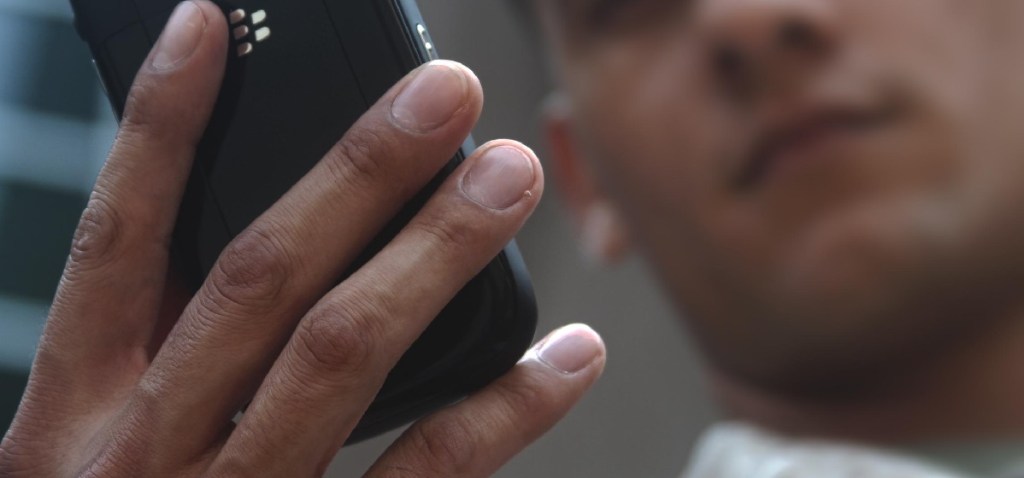
The Department of Homeland Security wants to conduct research on an end-to-end secure phone call platform for the government to communicate for unclassified and official use calls.
-
Read what Mattis said about election security and offensive cyber
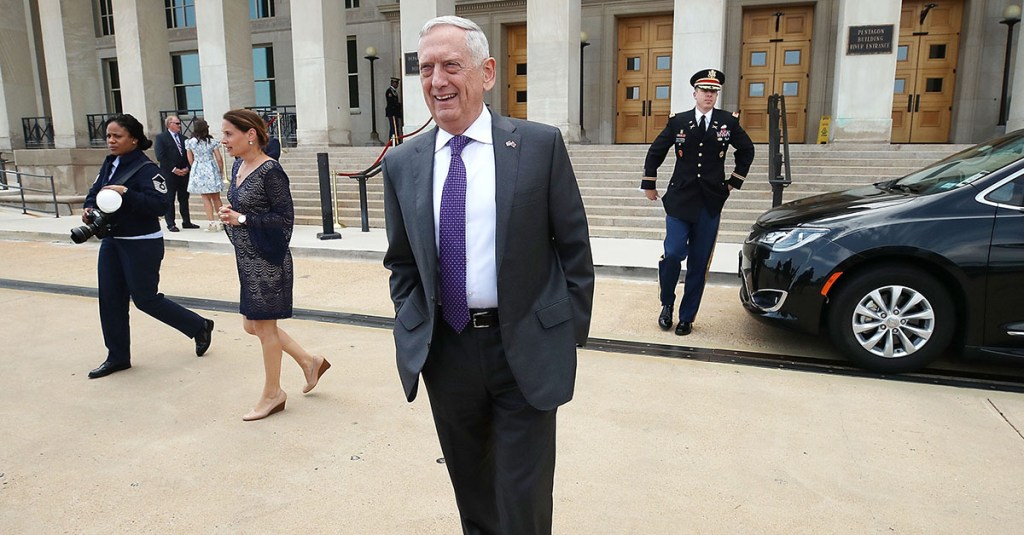
Defense Secretary Jim Mattis on Tuesday acknowledged that Russia made attempts to influence the 2016 election and outlined ― more or less ― how the Pentagon is helping states bolster their election cybersecurity efforts.
-
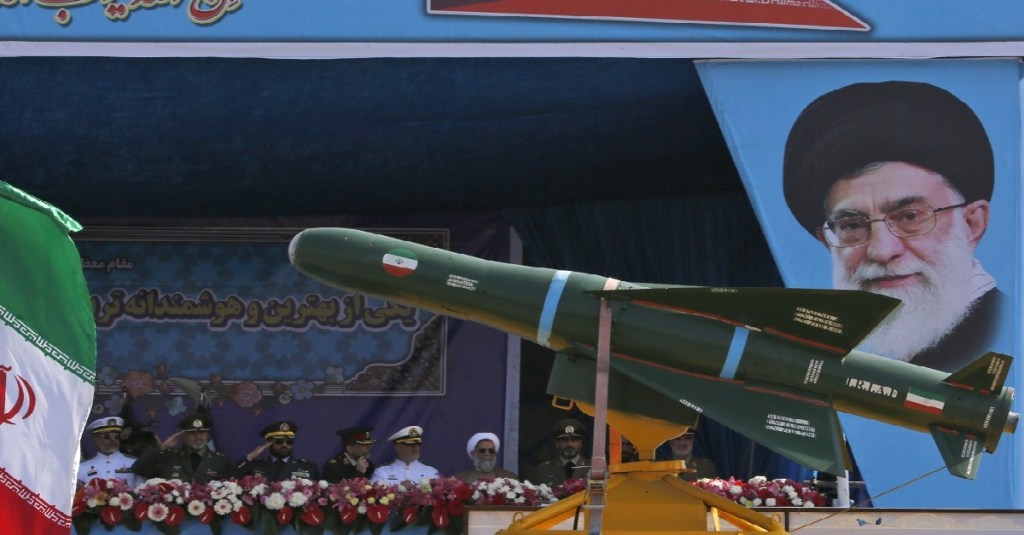
US braces for possible cyberattacks after Iran sanctions
“Highly capable” threat should be taken seriously, experts say.
-
The case for humanitarian cyber operations
Intervention in 2018 does not need to be troops on the grounds, but, instead, a digital intervention.
-
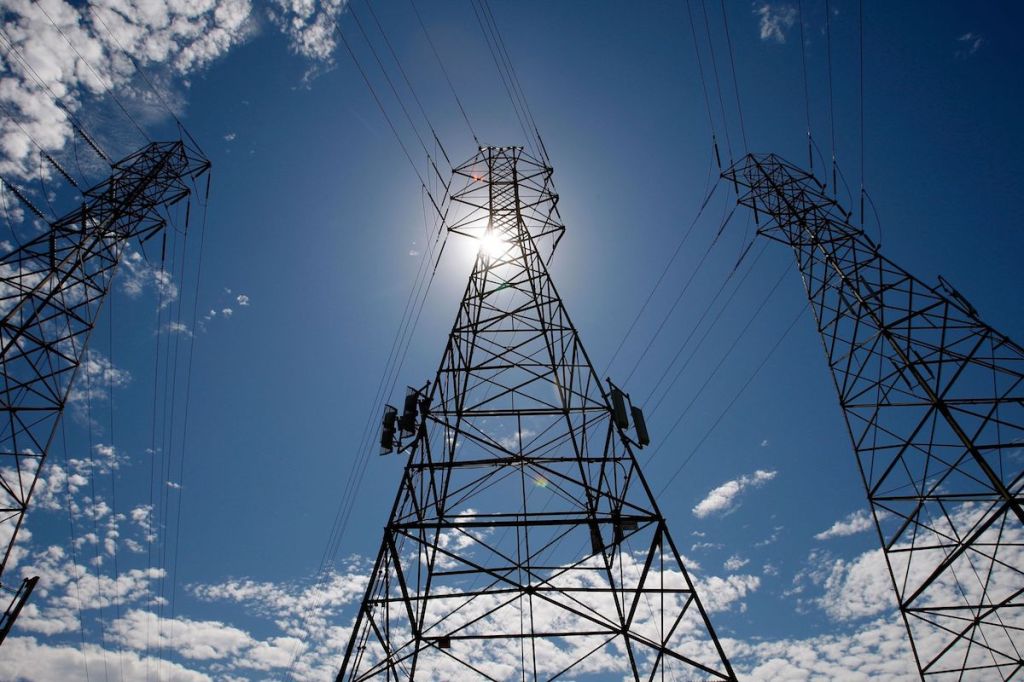
Why small cyberattacks on power systems more likely than a long-running blackout
Attacks on American power systems are likely to be small and localized, casting doubt on the ability of a foreign power to take down broad swaths of U.S. electric systems at once.
-

New bugs leave millions of phones vulnerable to hackers
Phones used by major carriers have underlying flaws giving hackers the ability “to escalate privileges and take over the device.”
-
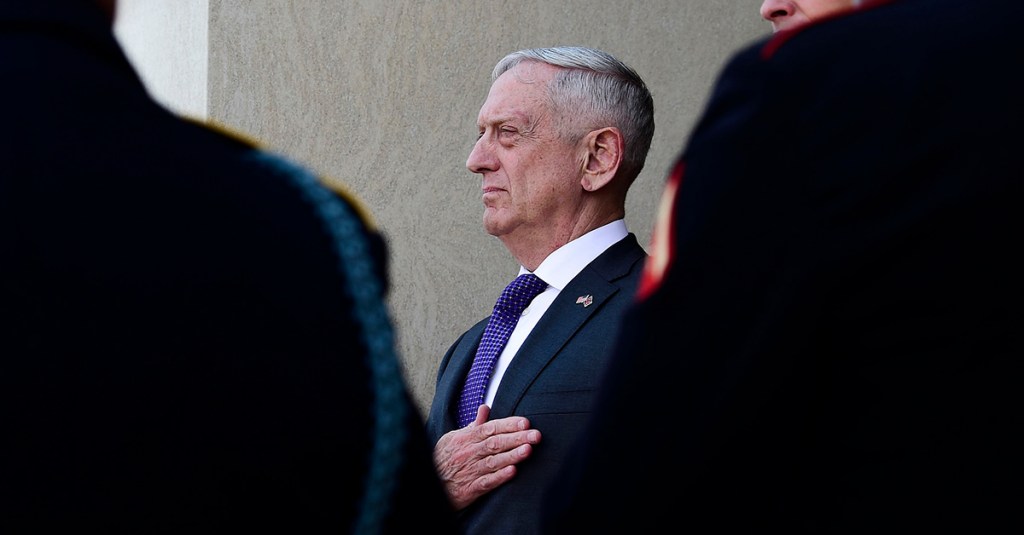
Mattis says Russia sanctioned 2016 election meddling, outlines protections for midterms
Mattis said troops have a part in defending the Constitution and US elections.
-
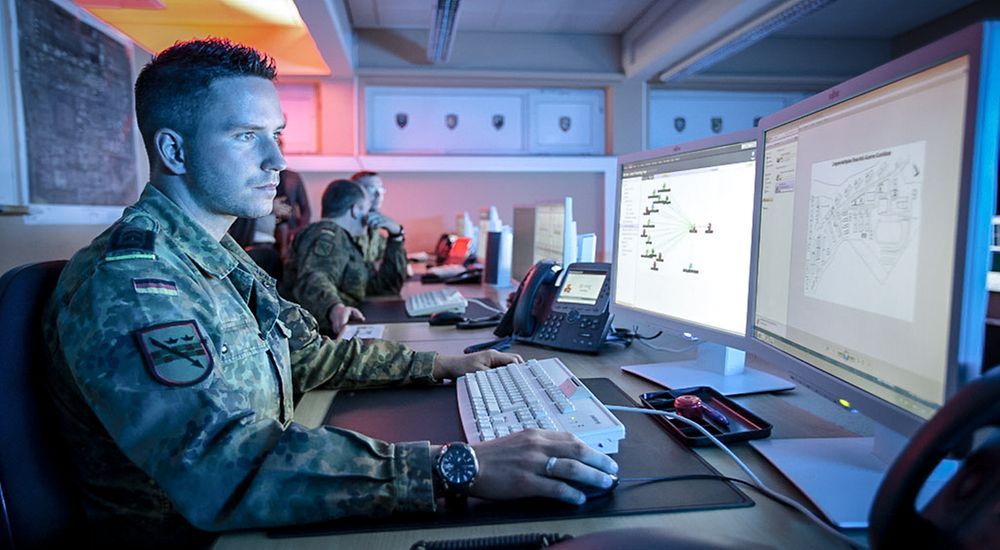
German cyberwarriors assert right to ‘hack back’ when attacked
Berlin’s Defence Ministry strikes hawkish tones in explaining its defensive cyber plans.
-
Hackers targeted a fake power grid. Is the real one next?
A honey pot experiment showed how suspected criminals may try to hack into America’s electric grid.
-

NATO’s tougher approach to cyberthreats is all about operationalization
A major shift has taken place in how NATO places cyber defense in its command structure and how it imposes costs upon attackers.
-
DHS wants more secure call encryption for feds
The Department of Homeland Security wants to conduct research on an end-to-end secure phone call platform for the government to communicate for unclassified and official use calls.
-
Read what Mattis said about election security and offensive cyber
Defense Secretary Jim Mattis on Tuesday acknowledged that Russia made attempts to influence the 2016 election and outlined ― more or less ― how the Pentagon is helping states bolster their election cybersecurity efforts.
-
US braces for possible cyberattacks after Iran sanctions
“Highly capable” threat should be taken seriously, experts say.
-
The case for humanitarian cyber operations
Intervention in 2018 does not need to be troops on the grounds, but, instead, a digital intervention.
-
Why small cyberattacks on power systems more likely than a long-running blackout
Attacks on American power systems are likely to be small and localized, casting doubt on the ability of a foreign power to take down broad swaths of U.S. electric systems at once.
-
New bugs leave millions of phones vulnerable to hackers
Phones used by major carriers have underlying flaws giving hackers the ability “to escalate privileges and take over the device.”
-
Mattis says Russia sanctioned 2016 election meddling, outlines protections for midterms
Mattis said troops have a part in defending the Constitution and US elections.
-
German cyberwarriors assert right to ‘hack back’ when attacked
Berlin’s Defence Ministry strikes hawkish tones in explaining its defensive cyber plans.
-
Hackers targeted a fake power grid. Is the real one next?
A honey pot experiment showed how suspected criminals may try to hack into America’s electric grid.
-
NATO’s tougher approach to cyberthreats is all about operationalization
A major shift has taken place in how NATO places cyber defense in its command structure and how it imposes costs upon attackers.