-
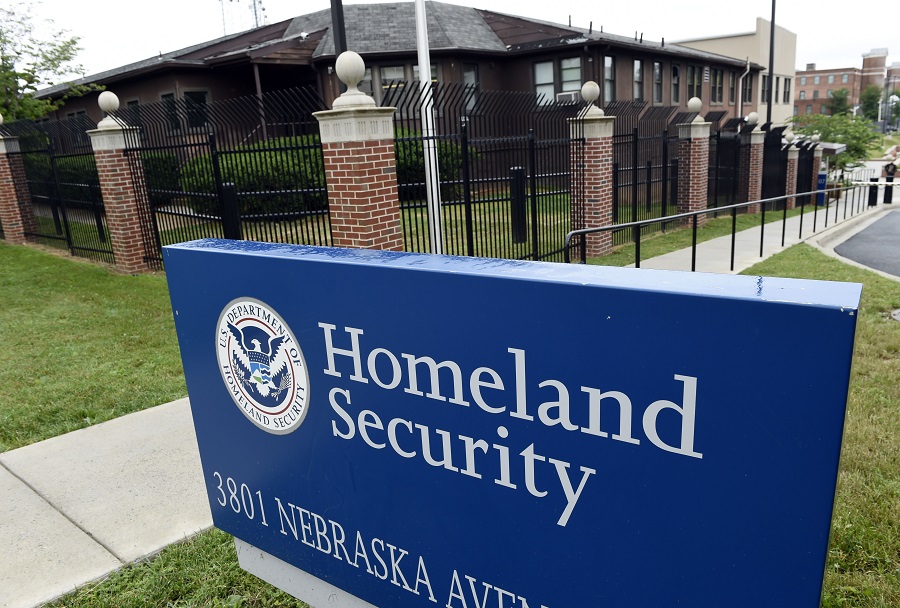
Homeland Security’s new risk management center announces first leader
The head of the new national risk management center will be tasked with recruiting the private sector to join the Department of Homeland Security’s cybersecurity effort..
-

Our back-to-school cheat sheet for federal cyber
Here is a cheat sheet of three things to make you cyber smart this fall.
-

Just like a hull breach, a cyberattack should take seconds to detect
Like shipboard damage control the cybersecurity continuum is broken into three main objectives representing before during and after an incident.
-
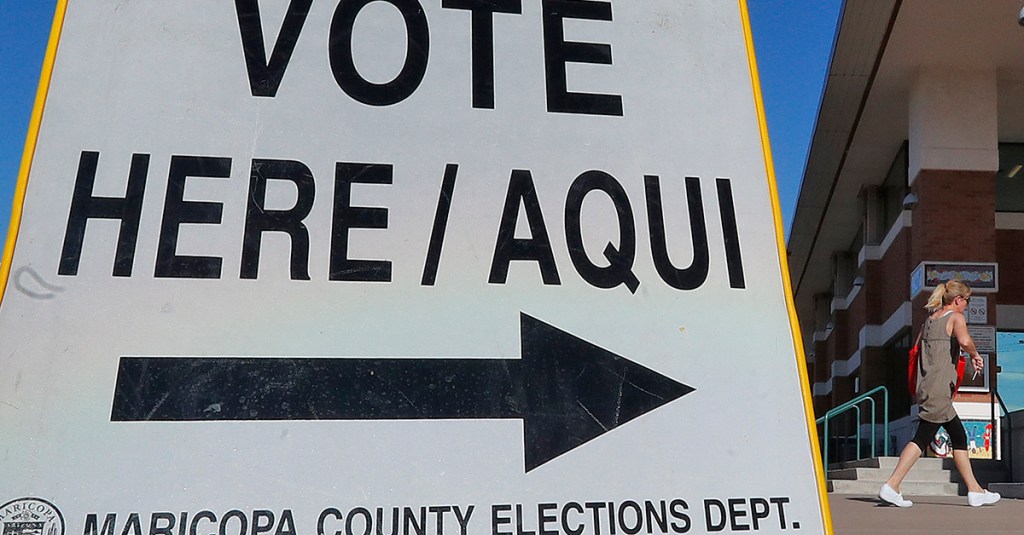
Sometimes, election problems aren’t the result of hacking
For all the worries about Russian hackers and other cyber-vandals voting problems this week in Arizona served as a reminder that one of the biggest threats to fair elections is plain old human error.
-
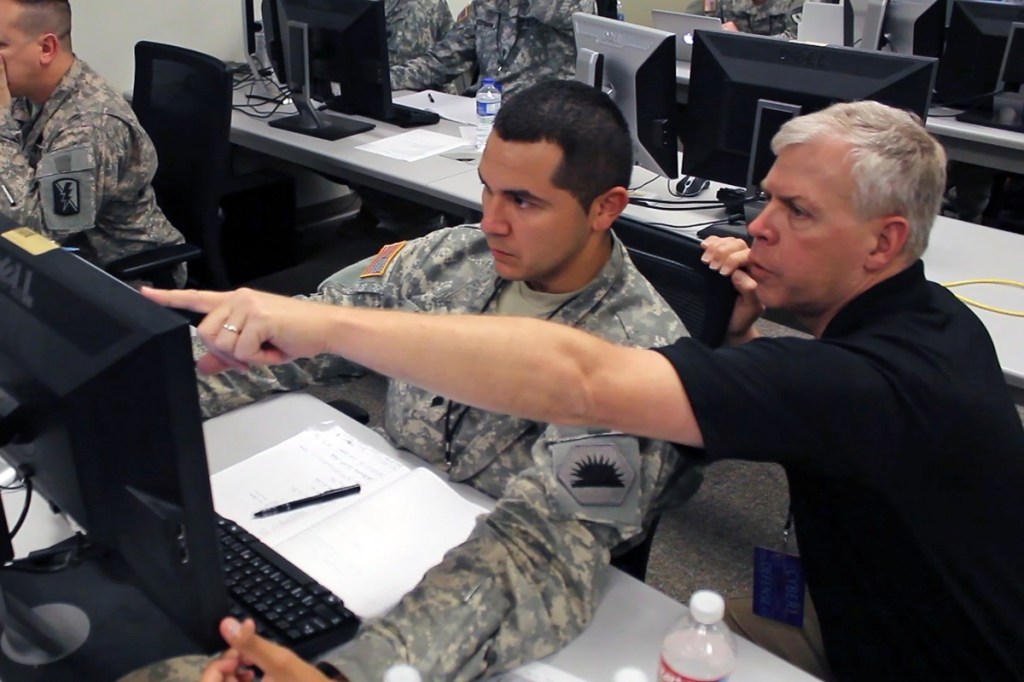
The Army is testing deceptive cyber technology despite past struggles
The Army is testing methods to trick attackers into believing that they have compromised a network, but experts both inside and outside government warn that the idea has struggled to go from concept to reality.
-
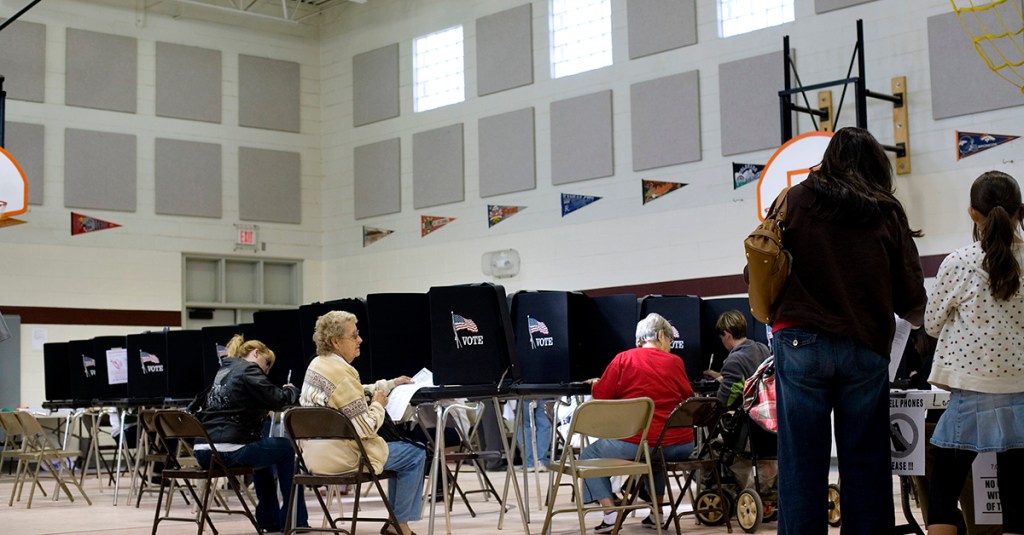
New Mexico elections chief to use funds to boost security
Money awarded to New Mexico through the federal Help America Vote Act will go toward replacing equipment at clerk’s offices around the state and making other improvements to protect against security vulnerabilities.
-

Why too much attention on foreign actors and voting machines can hurt cybersecurity
The overwhelming majority of cyberattacks occur because of basic security failures, phishing attempts and human error, according to research.
-
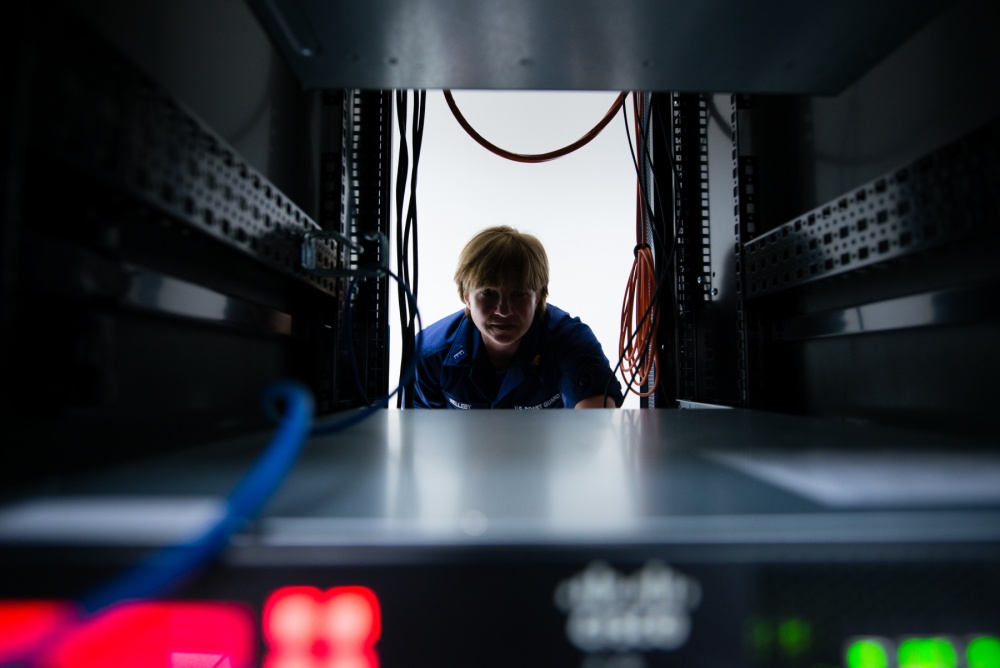
Booz Allen wins $1B contract to protect NASA, USPS and Treasury networks
The Department of Homeland Security awarded Booz Allen Hamilton a $1 billion dollar contract to protect six federal agencies including NASA, USPS, and the Treasury Department.
-
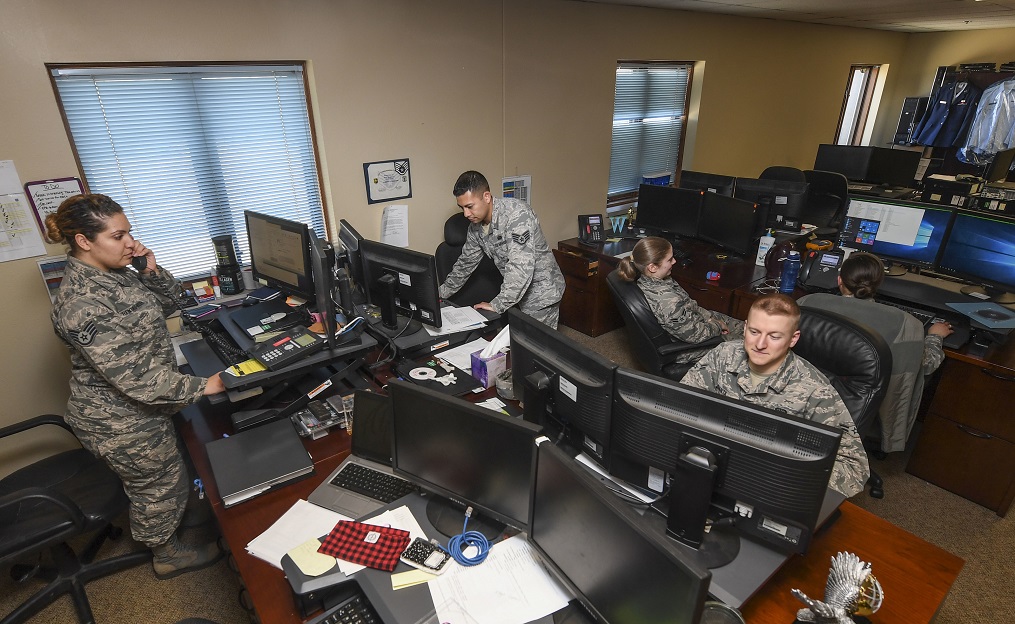
3 trends in the future of cyber conflict
Col. Steve Rehn, the cyber capability manager for the Army Cyber Center of Excellence, shared his thoughts Aug. 22 during a presentation at TechNet Augusta.
-

How the Defense Department views China’s cyberthreat
The Defense Department believes that China will use cyber as a way to deter future attacks, according to a new report.
-
Homeland Security’s new risk management center announces first leader
The head of the new national risk management center will be tasked with recruiting the private sector to join the Department of Homeland Security’s cybersecurity effort..
-
Our back-to-school cheat sheet for federal cyber
Here is a cheat sheet of three things to make you cyber smart this fall.
-
Just like a hull breach, a cyberattack should take seconds to detect
Like shipboard damage control the cybersecurity continuum is broken into three main objectives representing before during and after an incident.
-
Sometimes, election problems aren’t the result of hacking
For all the worries about Russian hackers and other cyber-vandals voting problems this week in Arizona served as a reminder that one of the biggest threats to fair elections is plain old human error.
-
The Army is testing deceptive cyber technology despite past struggles
The Army is testing methods to trick attackers into believing that they have compromised a network, but experts both inside and outside government warn that the idea has struggled to go from concept to reality.
-
New Mexico elections chief to use funds to boost security
Money awarded to New Mexico through the federal Help America Vote Act will go toward replacing equipment at clerk’s offices around the state and making other improvements to protect against security vulnerabilities.
-
Why too much attention on foreign actors and voting machines can hurt cybersecurity
The overwhelming majority of cyberattacks occur because of basic security failures, phishing attempts and human error, according to research.
-
Booz Allen wins $1B contract to protect NASA, USPS and Treasury networks
The Department of Homeland Security awarded Booz Allen Hamilton a $1 billion dollar contract to protect six federal agencies including NASA, USPS, and the Treasury Department.
-
3 trends in the future of cyber conflict
Col. Steve Rehn, the cyber capability manager for the Army Cyber Center of Excellence, shared his thoughts Aug. 22 during a presentation at TechNet Augusta.
-
How the Defense Department views China’s cyberthreat
The Defense Department believes that China will use cyber as a way to deter future attacks, according to a new report.