-
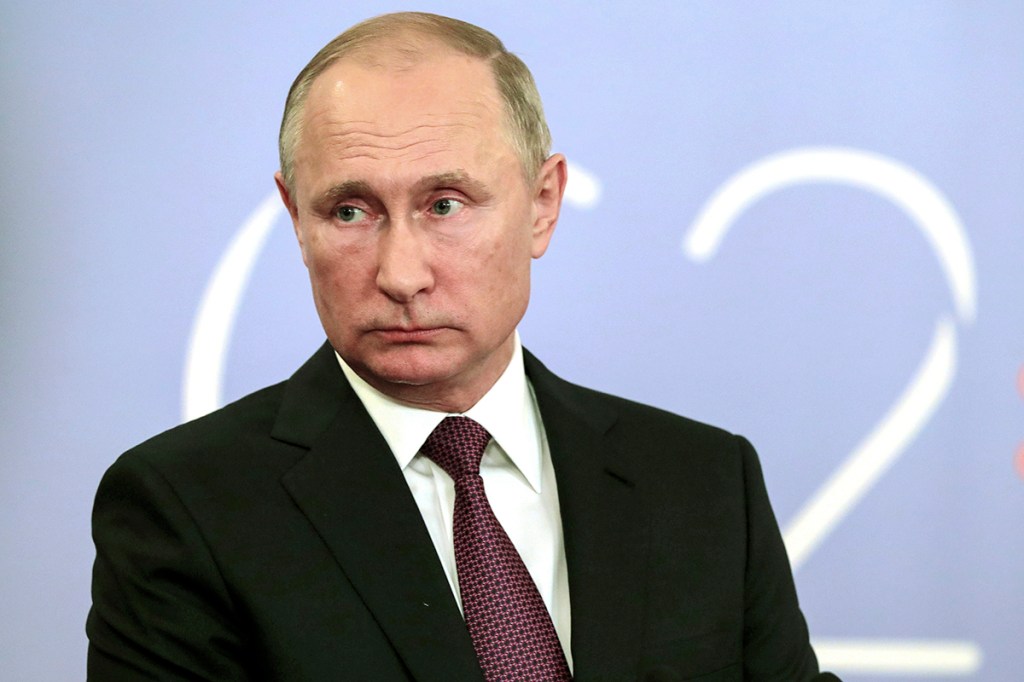
Mattis: Putin tried to ‘muck around’ in US midterm elections
Defense Secretary Jim Mattis on Saturday took aim at Russian President Vladimir Putin, accusing him of trying to “muck around” in the U.S. midterm elections, of duplicity in arms control and of acting irresponsibly in last weekend’s naval confrontation with Ukraine.
-

When does ‘responsible encryption’ equal surveillance?
Speaking at Georgetown University Nov. 29, Deputy Assistant Attorney General Rod Rosenstein urged private firms to undertake “responsible encryption” in devices.
-
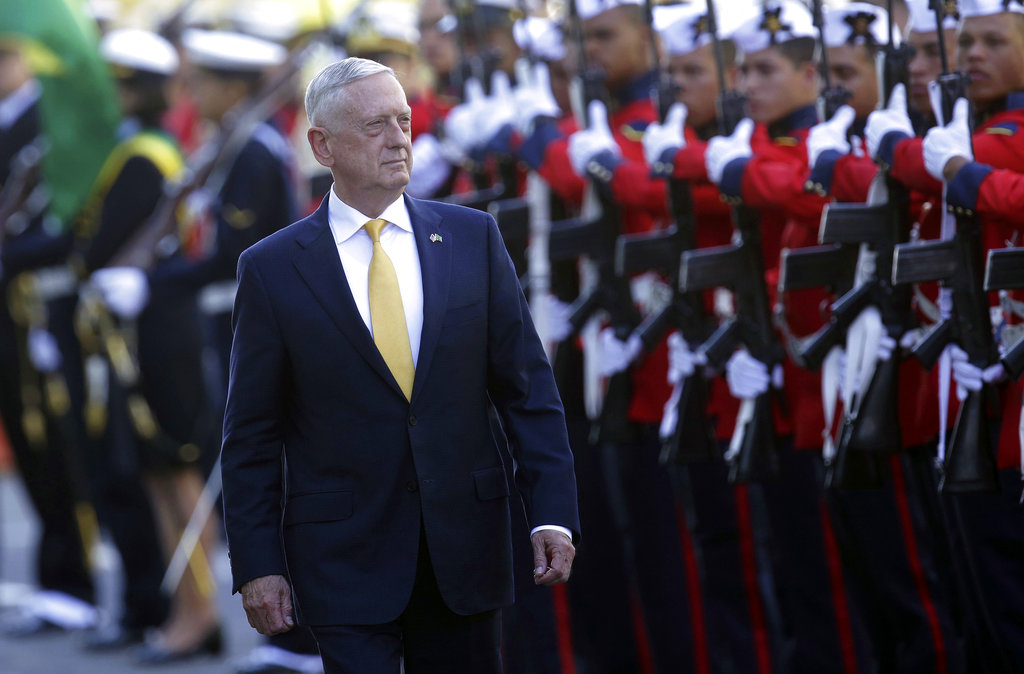
When South American nations look for cyber help, China looms
Cyber Command is partnering with countries in South America for cybersecurity, but is bring threatened by China.
-

Three ways artificial intelligence can improve cybersecurity
Federal agencies should utilize AI technologies to gain more actionable insights
-
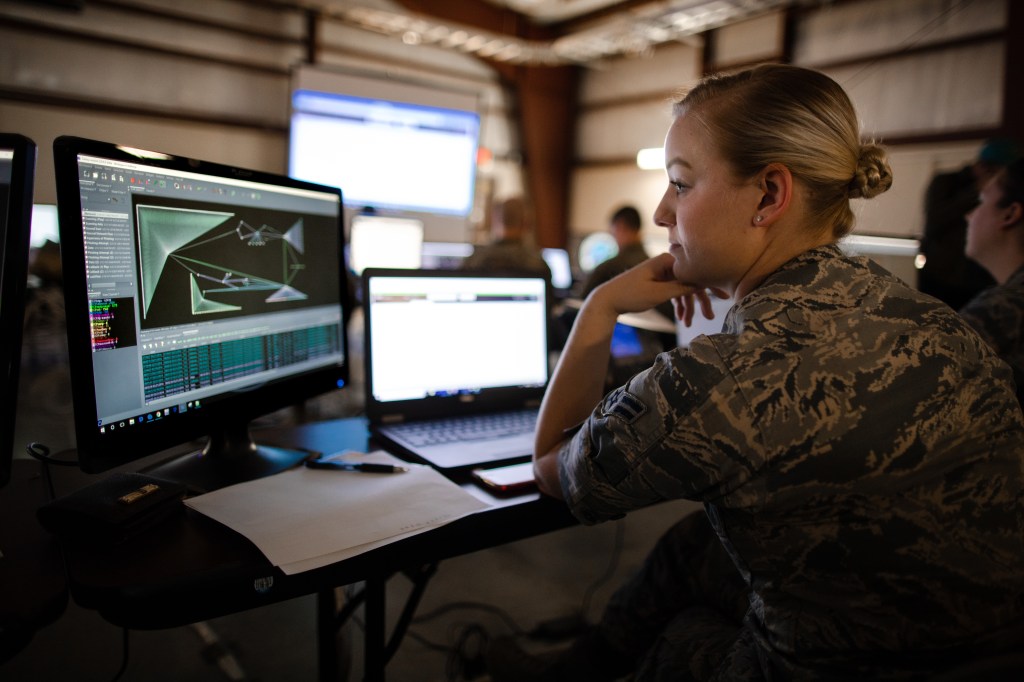
Why cyber compounds Pentagon purchasing problems
The Pentagon’s cyber acquisition process is “too slow,” a “support nightmare,” and one that “puts the warfighter at risk,” an upcoming paper argues.
-
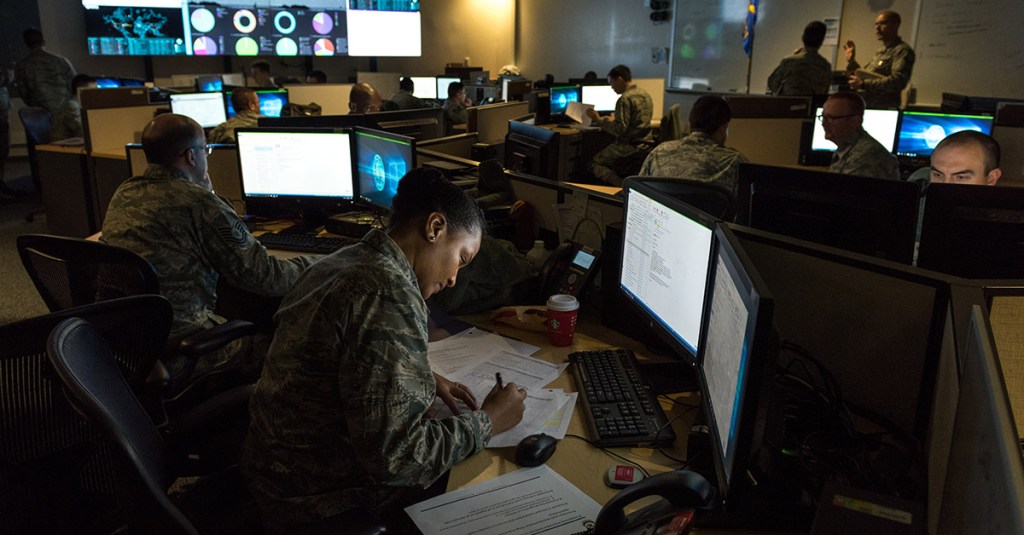
Why cyberspace demands an always-on approach
Cyber Command has said that the constant threat from adversaries will require persistent engagement below the threshold of conflict.
-

US says China hacking increasing ahead of Trump-Xi meeting
Trade Representative Robert Lighthizer’s report reflects U.S. skepticism and a possible source of new acrimony ahead of the meeting in Buenos Aires.
-

Disruptive technologies show why government needs data security standards now
Innovation could quickly turn to exasperation if a strategy to harden the increasing variety of smart devices is not implemented, according to experts.
-
Evolving military cyber training starts with how industry delivers software
It’s clear the U.S. Army is going to have a strong requirement for software development practices such as Agile. Agile and DevOps software methodology for the Defense Department’s Persistent Cyber Training Environment.
-
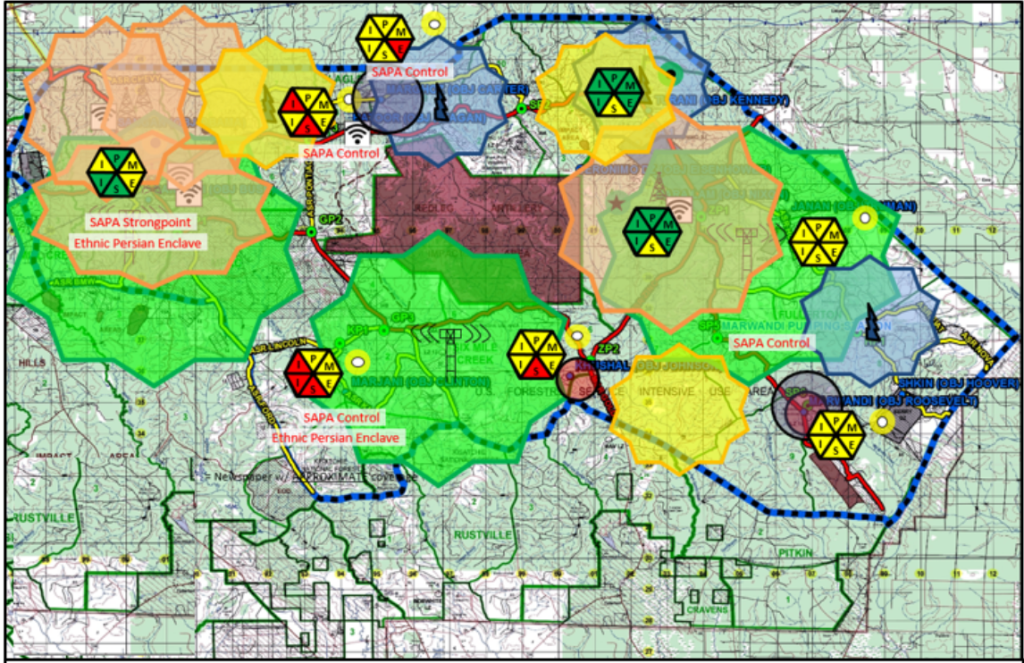
The new way the Army will conduct information operations
A quietly released Army document provides in-depth steps and tactical guidance on how to conduct “propaganda.”
-
Mattis: Putin tried to ‘muck around’ in US midterm elections
Defense Secretary Jim Mattis on Saturday took aim at Russian President Vladimir Putin, accusing him of trying to “muck around” in the U.S. midterm elections, of duplicity in arms control and of acting irresponsibly in last weekend’s naval confrontation with Ukraine.
-
When does ‘responsible encryption’ equal surveillance?
Speaking at Georgetown University Nov. 29, Deputy Assistant Attorney General Rod Rosenstein urged private firms to undertake “responsible encryption” in devices.
-
When South American nations look for cyber help, China looms
Cyber Command is partnering with countries in South America for cybersecurity, but is bring threatened by China.
-
Three ways artificial intelligence can improve cybersecurity
Federal agencies should utilize AI technologies to gain more actionable insights
-
Why cyber compounds Pentagon purchasing problems
The Pentagon’s cyber acquisition process is “too slow,” a “support nightmare,” and one that “puts the warfighter at risk,” an upcoming paper argues.
-
Why cyberspace demands an always-on approach
Cyber Command has said that the constant threat from adversaries will require persistent engagement below the threshold of conflict.
-
US says China hacking increasing ahead of Trump-Xi meeting
Trade Representative Robert Lighthizer’s report reflects U.S. skepticism and a possible source of new acrimony ahead of the meeting in Buenos Aires.
-
Disruptive technologies show why government needs data security standards now
Innovation could quickly turn to exasperation if a strategy to harden the increasing variety of smart devices is not implemented, according to experts.
-
Evolving military cyber training starts with how industry delivers software
It’s clear the U.S. Army is going to have a strong requirement for software development practices such as Agile. Agile and DevOps software methodology for the Defense Department’s Persistent Cyber Training Environment.
-
The new way the Army will conduct information operations
A quietly released Army document provides in-depth steps and tactical guidance on how to conduct “propaganda.”