-
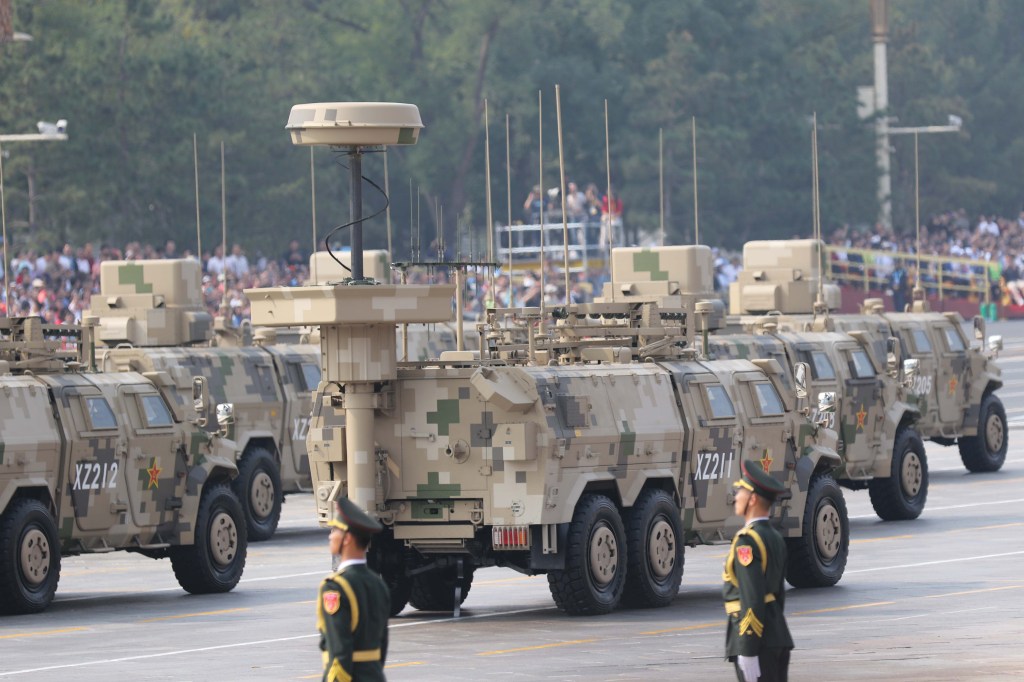
Why China axed the Strategic Support Force and reshuffled the military
Its successor, the Information Support Force, will now handle network information systems and communications support, and possibly network defense.
-

How the government came to embrace good-faith hacking of its networks
Federal agencies are inoculating public IT infrastructure by not only listening to the Internet’s Immune System, but proactively inviting healthy input.

Featured:
Cyber
Your news and information resource bringing the civilian, defense, industry, private sector and critical infrastructure cyber conversations together in one place.
-
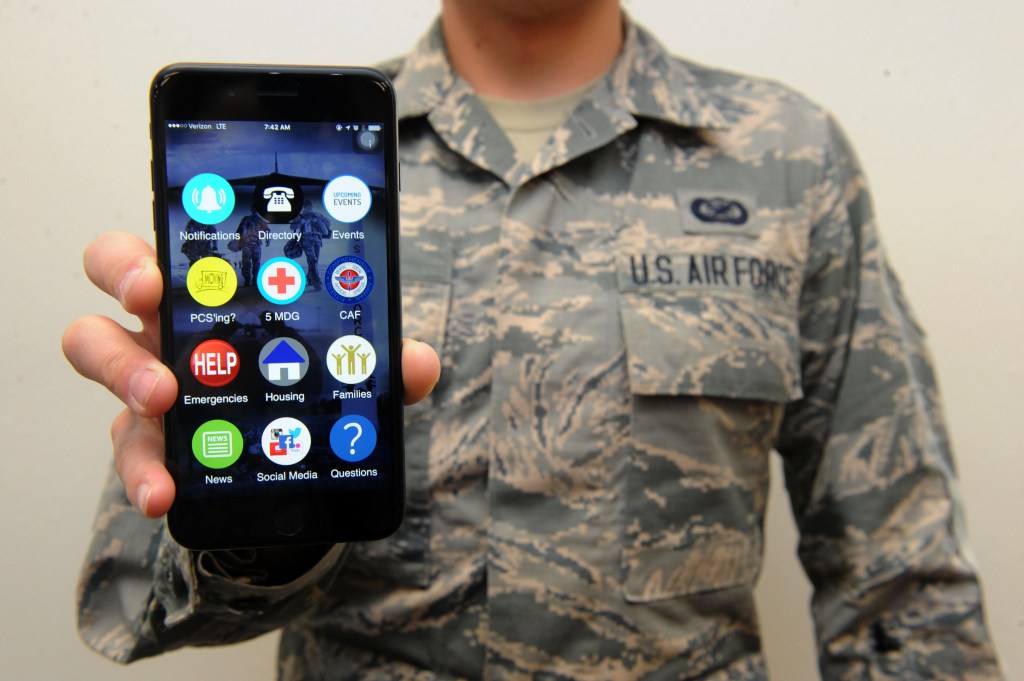
Air Force, Space Force join Army for Bring-Your-Own-Device enrollment
Fifty thousand Army enrollees are using the service since that effort began as a pilot program in 2022.
-

ManTech elevates Navy veteran Tait to CEO after acquisition by Carlyle
The defense contractor announced changes to its executives and board, effective immediately.
-

Mitre expands R&D in Hawaii as US focus on Indo-Pacific intensifies
The site will develop “whole-of-nation” technology collaborations in cybersecurity, transportation, healthcare, veterans services and law enforcement.
-

How to combine 5G networks, artificial intelligence to aid warfighters
5G communications utilizing forms of artificial intelligence holds the promise of a network topology that’s situationally aware and continuously optimized.
-

How US nuclear testing moratorium launched a supercomputing revolution
Supercomputers at Los Alamos are being used for earthquake prediction, assessing the impacts of eroding coastlines, wildfire modeling and other tasks.
-

It’s time for Congress to bring back ‘Defense Valley’
Congress must ensure that our warfighters gain the most value possible from government and private sector technology development.
-

Defensive cyber operation enclaves can support secure sharing of data
Consolidating data in the DCO enclave gives security teams the ability to monitor their organizations’ security postures across all networks.
-
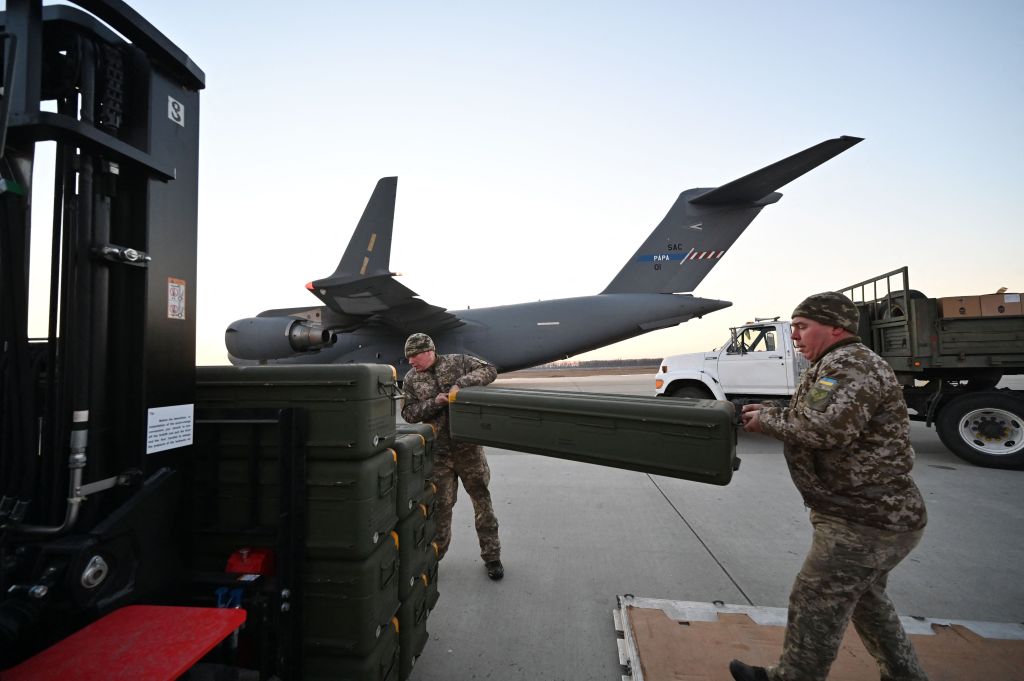
Success denied: Finding ground truth in the air war over Ukraine
If the U.S. Air Force clings to its offense-first, air-superiority vision it may share the fate of Russia’s air force: surprised and largely sidelined.
-

Congress must act on Small Biz Innovation Research reauthorization
There are two reasons given for Congress’ failure to reauthorize the 40-year-old program: national security and so-called SBIR mills.
-

Pentagon artificial intelligence boss says real data to guide work
While much of the talk about the CDAO has focused on its role as the Pentagon’s top AI authority, Martell said the data groundwork has to happen first.
-
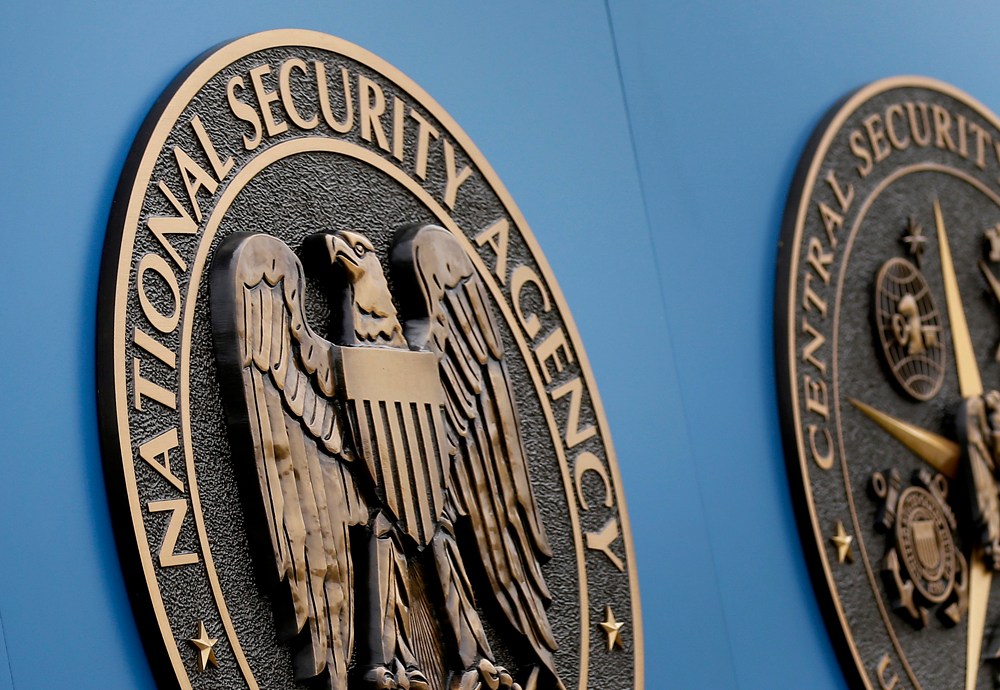
NSA seeks proposals for contract at heart of Booz Allen antitrust case
“The timing of the release of the RFP was a surprise to plaintiff’s counsel,” the Justice Department stated in a memo.