-

Here are 4 ways Non-traditional ISR can accelerate time to insight
Humans still play a crucial role in the process, but NTISR relies heavily on automation for enhanced data processing, exploitation, and dissemination.
-

US Navy hunting for info warfare experts, Aeschbach tells Old Crows
Information warfare combines data awareness and manipulation to gain an advantage — before, during and after battles.

Featured:
Cyber
Your news and information resource bringing the civilian, defense, industry, private sector and critical infrastructure cyber conversations together in one place.
-

No, Rafael’s ‘Iron Beam’ laser didn’t blow up missiles over Israel
Manipulated footage pulled from the Arma 3 video game has previously been attributed to front lines in Afghanistan, Syria and Ukraine.
-
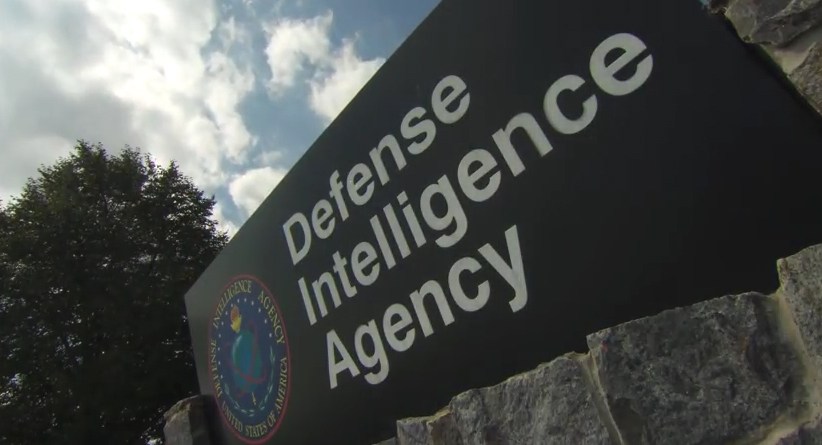
General Dynamics awarded DIA contract
General Dynamics will provide a variety of technical, functional and managerial services, including cyber security engineering and incident detection and response and threat fusion services
-

What we need is a cyber force multiplier [Commentary]
We must learn from the past, anticipate the future and concentrate on identifying what would be considered a force multiplier in cyberspace.
-

Go, machine intelligence and the ethics of predictive cybersecurity
The possibilities are broad in a cybersecurity industry currently undergoing something of an intelligence innovation boom cycle although what is meant by intelligence, how it should be applied and its potential effectiveness are all issues very much still under debate.
-

Offensive cyber still in infancy, says Air Force official
Outside of CYBERCOM and NSA, offensive cyber capabilities are still being examined by the services.
-
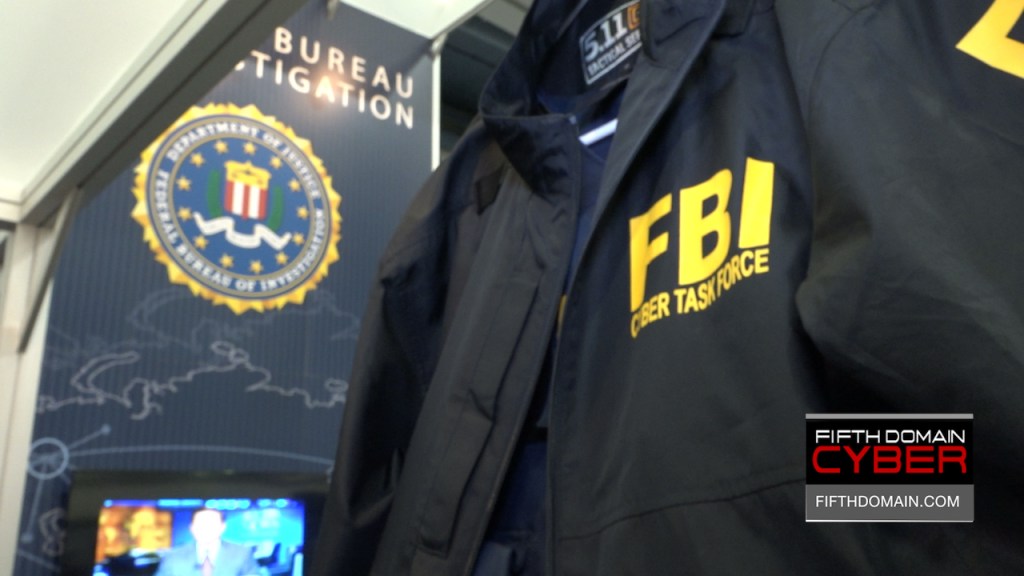
FBI, DHS focus on diversity in recruiting cyber talent [Video]
Federal agencies see shows like the annual RSA conference as an opportunity to recruit people they might not meet otherwise.
-

Current national defense models don’t work in cyberspace
Former presidential cybersecurity adviser Michael Daniel walks through the various models for national defense, then explains why none of them work in cybersecurity.
-
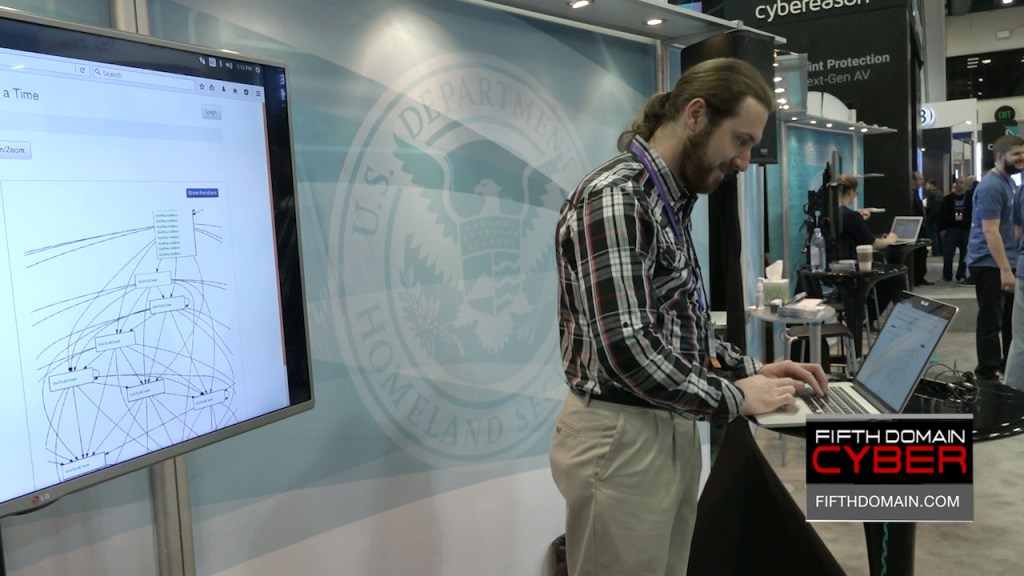
DHS shows off its new tech to industry at RSA [Video]
DHS Science and Technology Division was at RSA showcasing new technologies that industry can develop (Daniel Woolfolk/Staff)
-
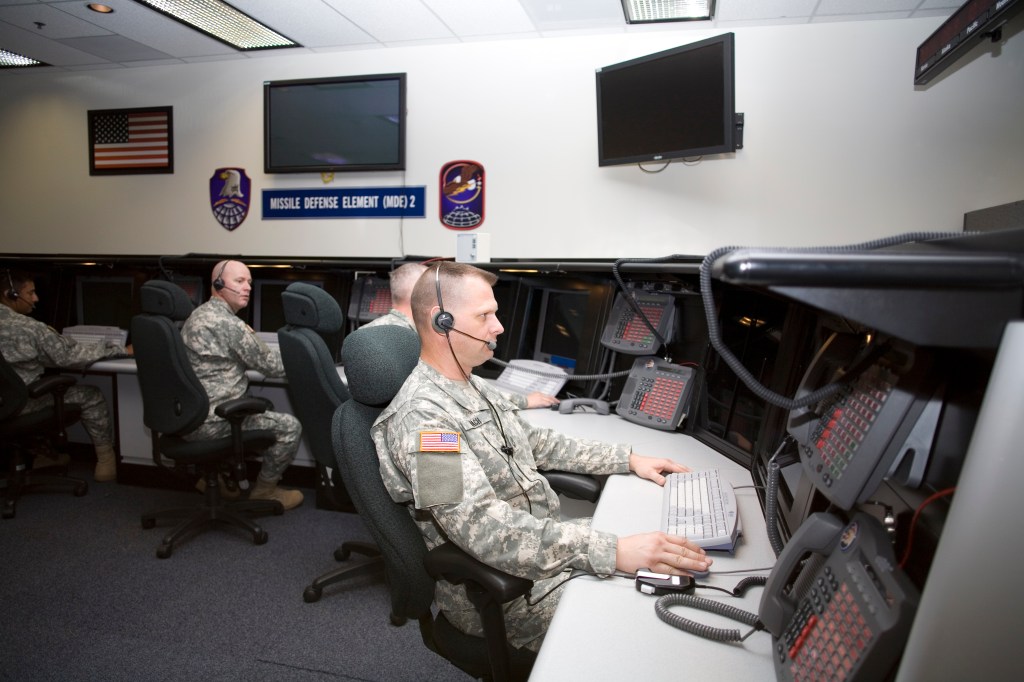
Raytheon to assess effectiveness of cyber, electronic warfare tools
Raytheon has been awarded a contract from the Missile Defense Agency for a tool that provides assessments on the effectiveness of using kinetic and non-kinetic tools based upon numerous scenarios.
-

French president wants more cybersecurity for election
French President Francois Hollande is calling for new security measures around the country’s presidential race, notably to protect against hacking.
-

Study: 70 percent of US oil, gas companies hacked last year
With most respondents describing their organization as being in the early to middle stage of maturity with respect to their cyber readiness, 68 percent of respondents said their operations have had at least one security compromise in the past year, resulting in the loss of confidential information or OT disruption.