-

New data model predicts how deployments affect future readiness
What if you could predict the effects of one deployment three years into the future?
-
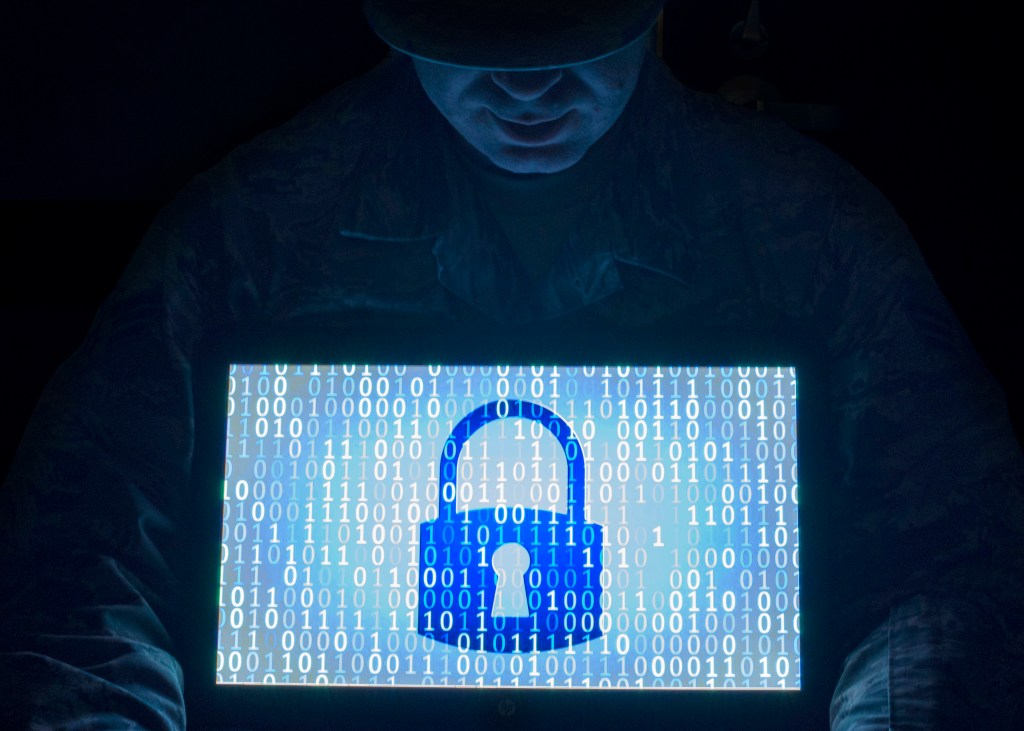
‘Special pay’ keeps Pentagon’s cyber experts from jumping ship
Services “spent at least $160 million on cyber retention bonuses annually” from fiscal 2017 to 2021, the Government Accountability Office said.

Featured:
Cyber
Your news and information resource bringing the civilian, defense, industry, private sector and critical infrastructure cyber conversations together in one place.
-

Navy creates three new IT submarine ratings to promote specialization
The sailors will specialize in communications, network security and electronic warfare.
-

DARPA exploring how to hunt for hackers on a global scale
The Defense Advanced Research Projects Agency is looking to award multiple contracts for the Cyber-Hunting at Scale (CHASE) project, which addresses the development of strategic digital tools to dynamically process data leading to the detection and mitigation of cyberthreats across DoD networks.
-

WannaCry: Top 5 lessons learned
The WannaCry ransomware brought with it some unexpected consequences.
-
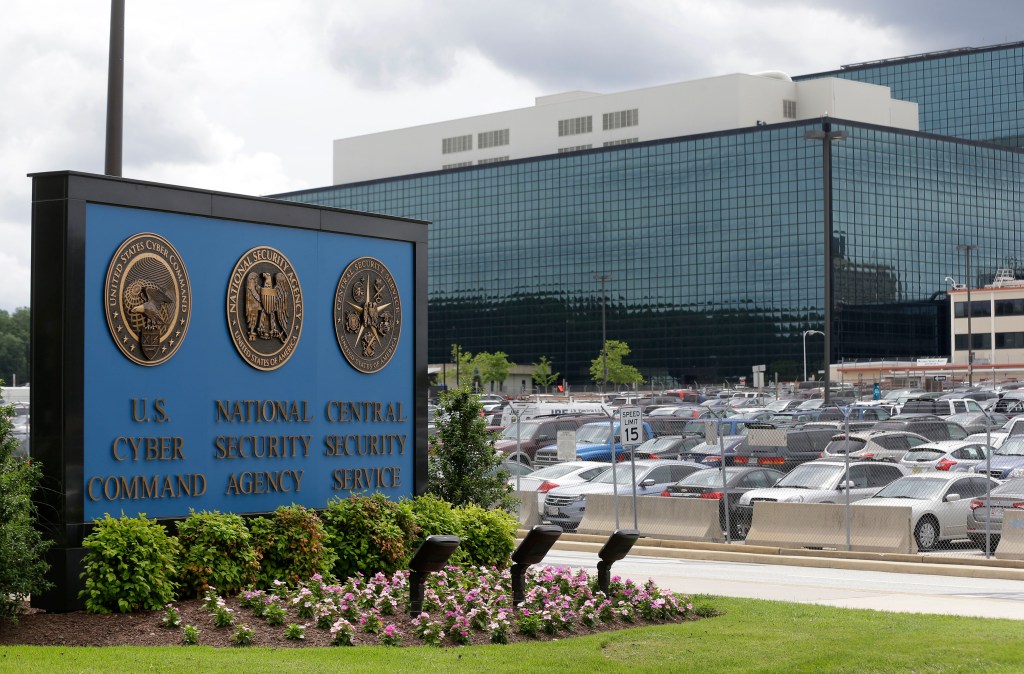
Another contractor charged with leaking classified NSA docs
On June 3 the FBI arrested Reality Leigh Winner, a federal contractor that allegedly used her top secret clearance to obtain and transmit classified materials believed to be the NSA report on Russian efforts to hack voter-registration software companies and local election officials that was published by The Intercept on June 5.
-

WannaCry: Top 5 lessons learned [Commentary]
The WannaCry ransomware brought with it some unexpected consequences.
-

Hands Tied: Half of orgs say cyberattacks on the rise, but resource constraints persist
ISACA’s State of Cyber Security 2017 study found that the percentage of organizations with a CISO increased by 15 points from 2016. However, the percentage of organizations increasing their security budgets declined by 11 points.
-

HHS Cyber Task Force report offers much-needed recommendations [Commentary]
Among critical infrastructure, the healthcare sector is the lowest-hanging fruit due to a persistent ignorance of cybersecurity and cyber hygiene best practices and a tenacious resistance to change and modernization, resultant from fear, lack of resources and a cultural prioritization of profit and convenience over security.
-

HHS Cyber Task Force wants better partnerships, stronger federal leadership
The Department of Health and Human Services’ Health Care Industry Cybersecurity Task Force released its first report to Congress late Friday afternoon.
-
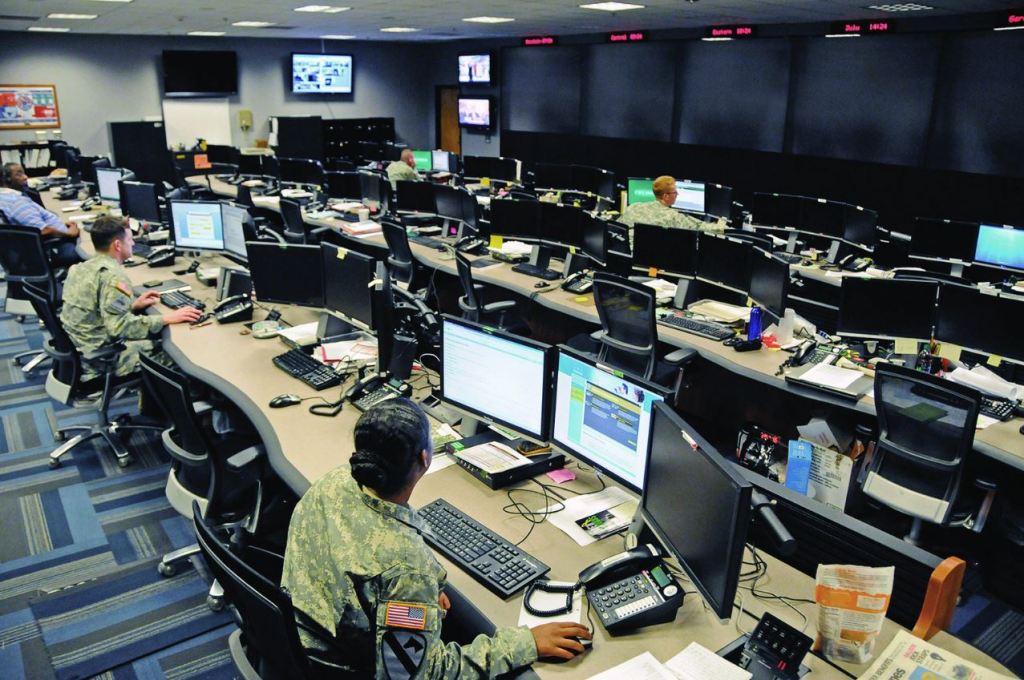
Belgium, Sweden join NATO cyber defense hub; Bulgaria, Portugal on deck
Belgium and Sweden are the latest nations (soon to be followed by Bulgaria and Portugal) to join the Tallinn, Estonia-based NATO Cooperative Cyber Defence Centre of Excellence, a NATO-accredited international military organization supporting its member nations and NATO with cyber defense expertise.
-

Massachusetts governor wants cyber at cabinet level
Gov. Charlie Baker asked lawmakers Thursday for authority to appoint a Secretary of Technology, a new position within state government with responsibility for such things as cybersecurity, data management and digital operations.
-

NATO might trigger Article 5 for certain cyberattacks [CyCon Tallinn]
NATO will not rule out invoking Article 5 of its charter should one or more member nations find themselves under a serious cyberattack.