-
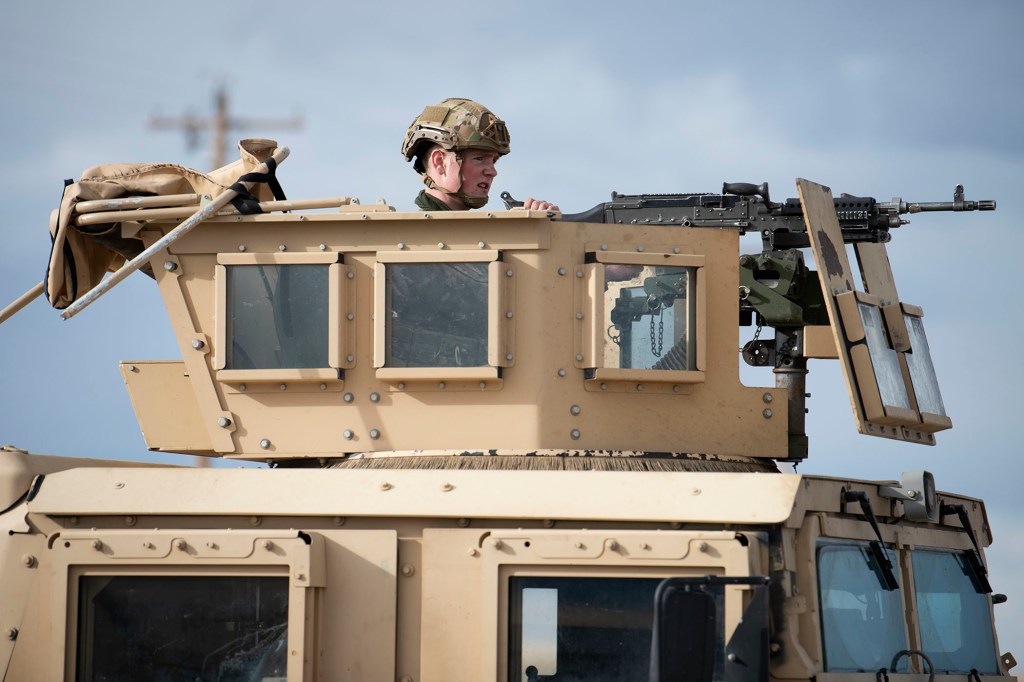
US nuclear bases to get security networking upgrade from Persistent
The contract, involving the Persistent Systems Infrastructure-based Regional Operation Network, or IRON, is valued at $75.5 million.
-

The opposite of Silicon Valley: How Feds expect to use AI/ML
The government is buying AI technology experimentally with the focus on research-based deals as opposed to hardware or software contracts.

Featured:
Cyber
Your news and information resource bringing the civilian, defense, industry, private sector and critical infrastructure cyber conversations together in one place.
-
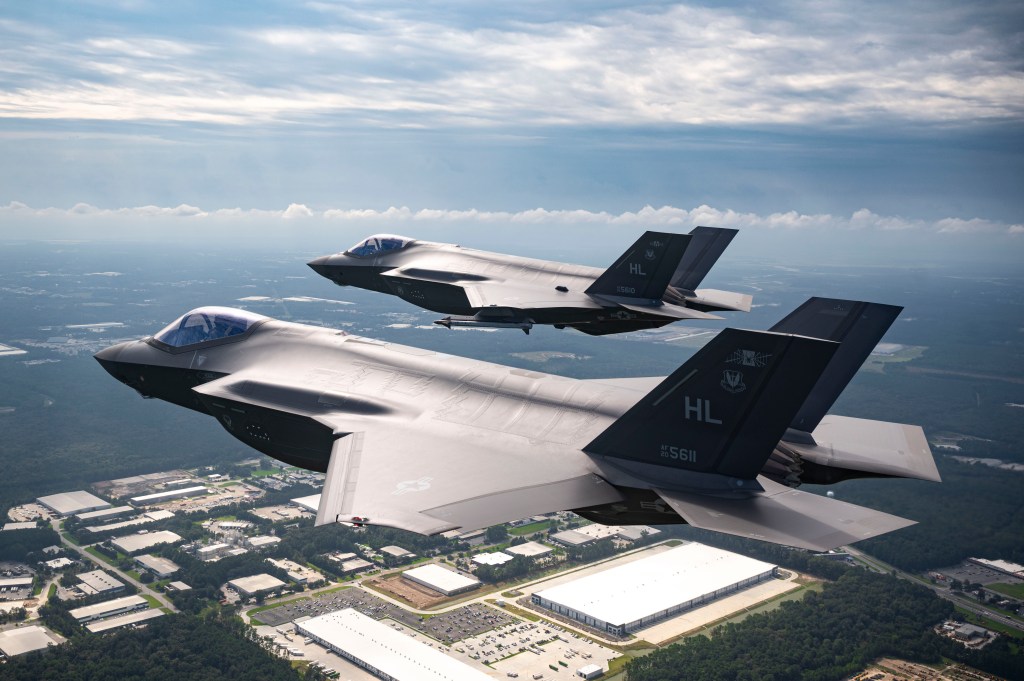
Stalled F-35 upgrades will delay next improvements, Wittman warns
The congressman also worries the latest TR-3 deadline of mid-2024 could slip further: “I want to be positive, but call me skeptical.”
-

State Department bureau to get funding bump by absorbing cyber envoy’s duties
Most of the United States’ special envoys will be abolished and their responsibilities reassigned as part of the State Department overhaul, Secretary of State Rex Tillerson told Congress on Monday, including moving the cybersecurity office under the Bureau of Economic and Business Affairs.
-

IG dings Transportation for poor planning, documentation on cyber spending
The money all went to cyber, but the processes were found to be wanting.
-

Experts call for public debate on ‘lethal autonomous weapons systems’
Dozens of business executives and technology experts in artificial intelligence and robotics have signed an open letter to the United Nations calling for public deliberation on the potential threats that could arise from “lethal autonomous weapons systems.”
-

AI cyberattacks are coming — but what does that mean? [Commentary]
The consequences and implications are significant, but most people won’t notice a big change when the first AI attack is unleashed.
-
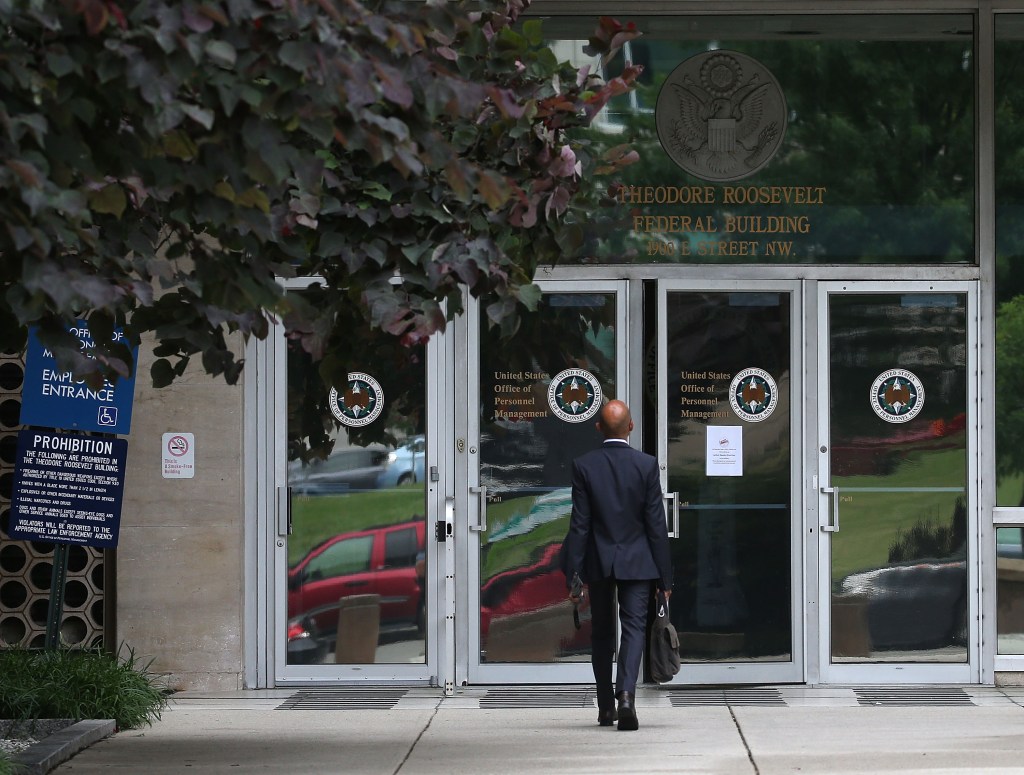
FBI: Chinese man supplied rare malware used in OPM breach
Defendant Yu Pingan, 36, knew the rare malware known as “Sakula” would be used to hack U.S. companies, the FBI said in court documents.
-

Air Force, private sector join in Alabama ‘hackathon’
The Air Force is joining with the private sector in Alabama to team up against cyber-security threats.
-
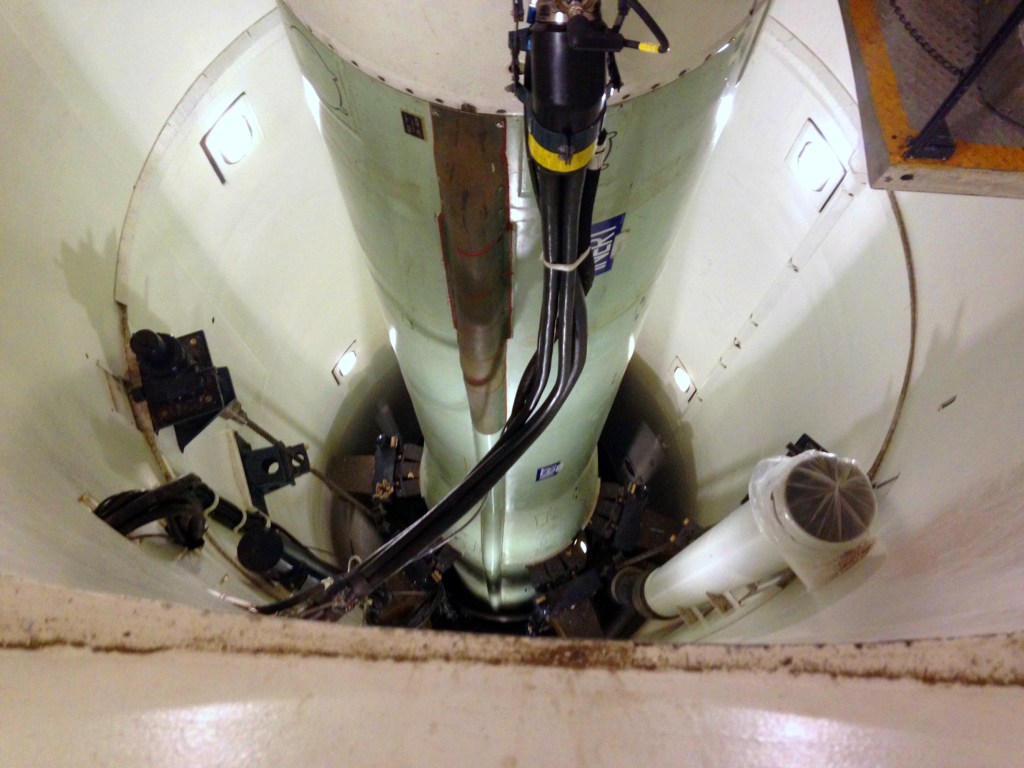
Booz Allen secures MDA cybersecurity contract
Booz Allen Hamilton has been awarded a $91.5 million Missile Defense Agency contract for cybersecurity.
-

Report: DDoS attacks up from last quarter
A report says the second quarter of 2017 saw a 28 percent increase in total DDoS attacks as well as a 28 percent increase in the average number of attacks per target.
-
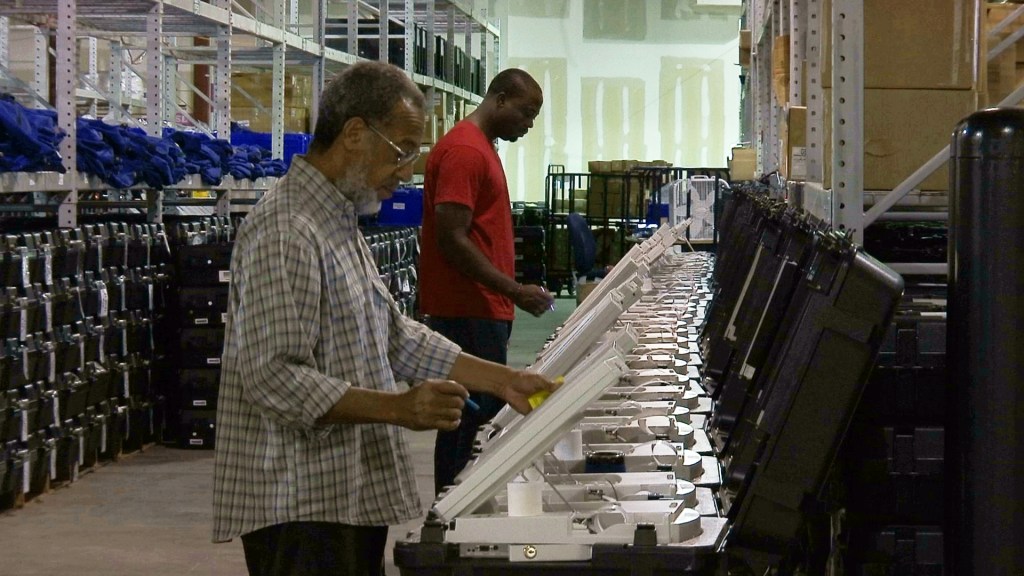
Analysis: election infrastructure amendment vital for stable democracy
A proposed amendment has been analyzed by the Institute for Critical Infrastructure Technology. The analysis determined the amendment to not only be beneficial, but necessary and “vital [for the] stability of democracy” in the United States.
-
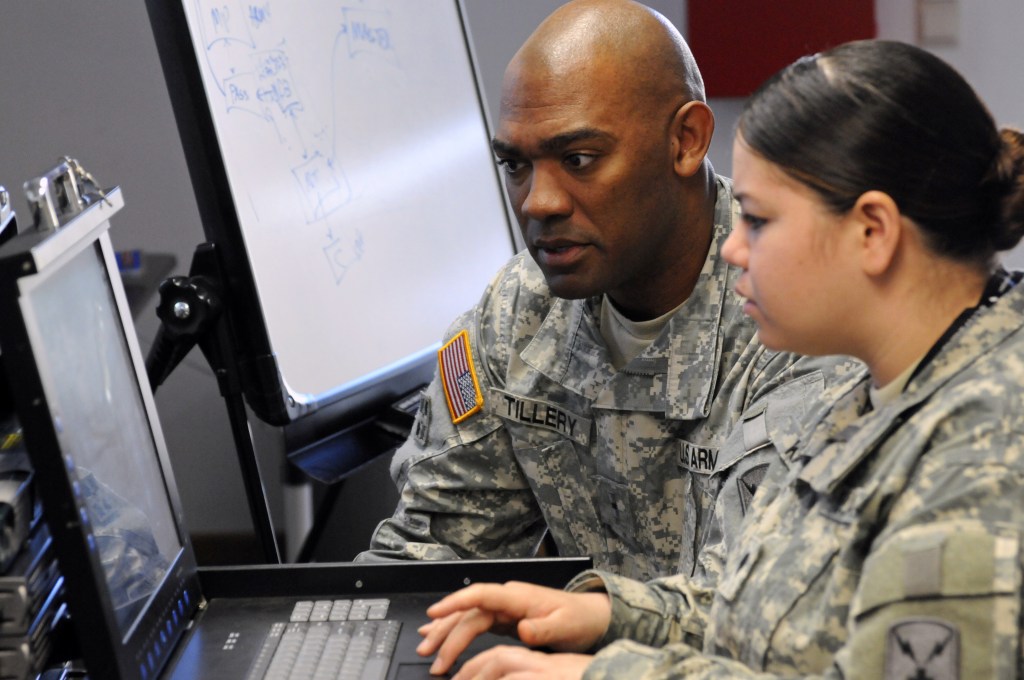
Army mobilizes largest-ever National Guard cyber task force
The Army has stood up a full-time National Guard cyber task force that will be controlled directly by Army Cyber Command and support U.S. Cyber Command’s cyberspace operations against adversaries.