-
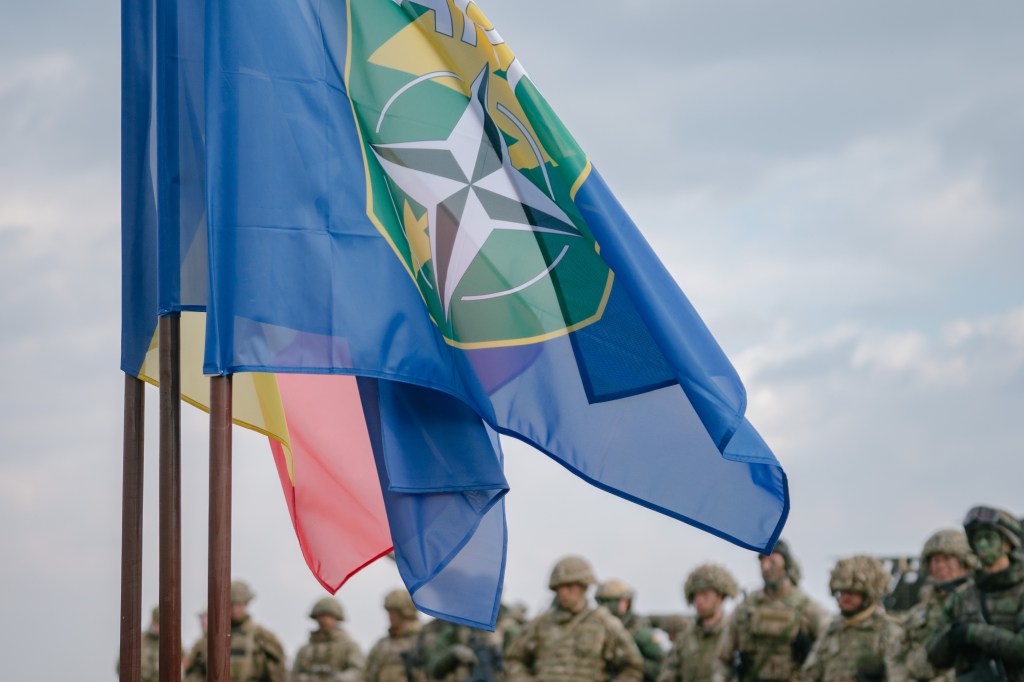
Romanian servers targeted by Russian hackers to scoop up emails about NATO, EU
Hackers linked to Russia’s FSB quietly compromised a Romanian government organization’s servers to collect emails related to NATO and the EU in December 2025, a Slovak cybersecurity firm has revealed.
-
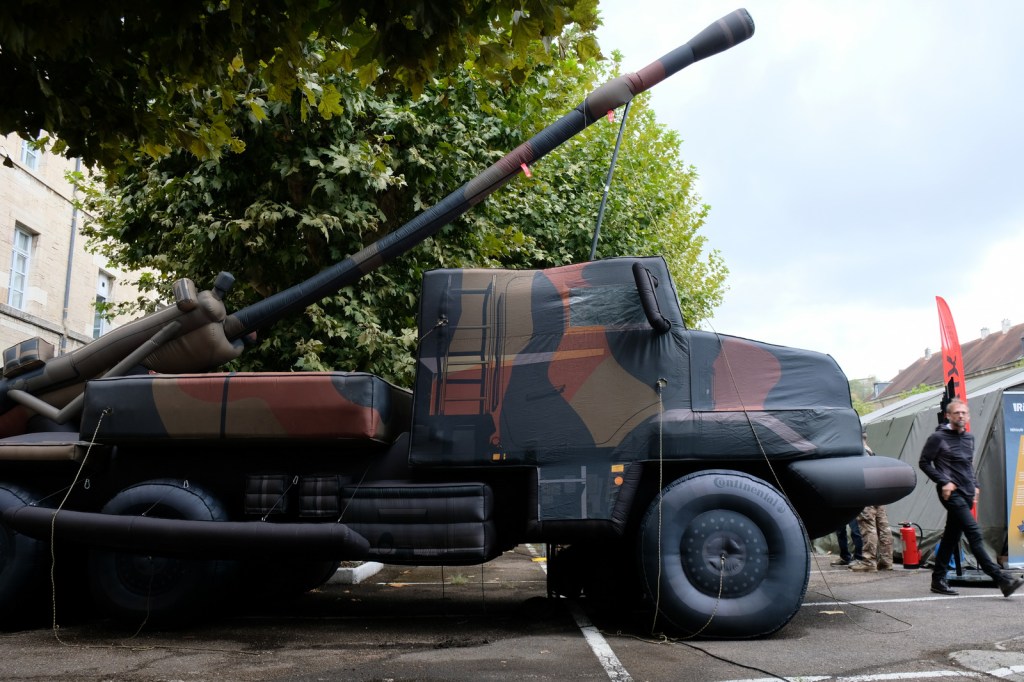
French Army wants to keep adversaries guessing on see-through battlefield
The French Future Combat Command is looking at what Baratz called “frugal artificial intelligence,” designed to consume as little energy as possible.

Featured:
Cyber
Your news and information resource bringing the civilian, defense, industry, private sector and critical infrastructure cyber conversations together in one place.
-
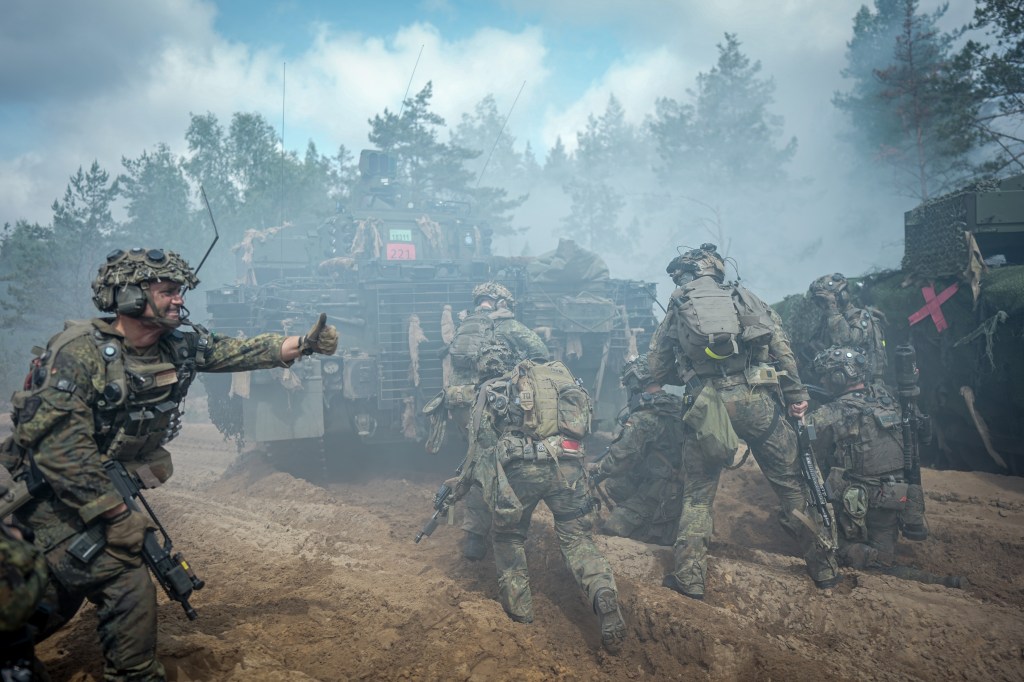
Germany is stepping up on defense — and Washington should celebrate
German defense firms are creating industrial partnerships with American companies, deepening the transatlantic defense production relationship.
-
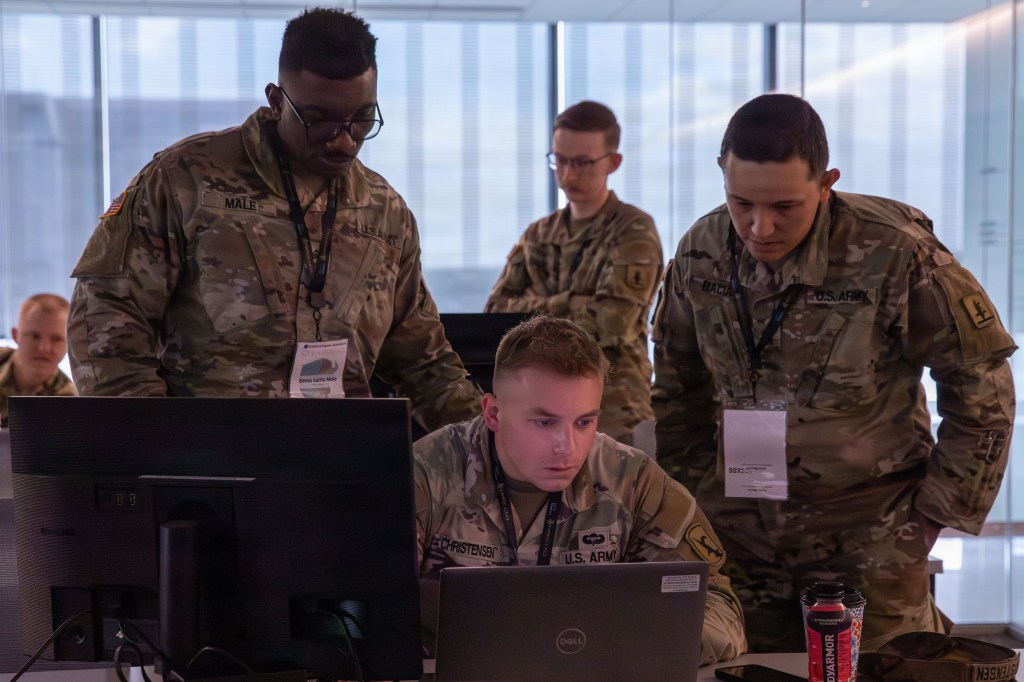
The US military is not organized for cyber war
Too much of this debate treats a new service as a judgment on Cyber Command’s performance. It is not.
-
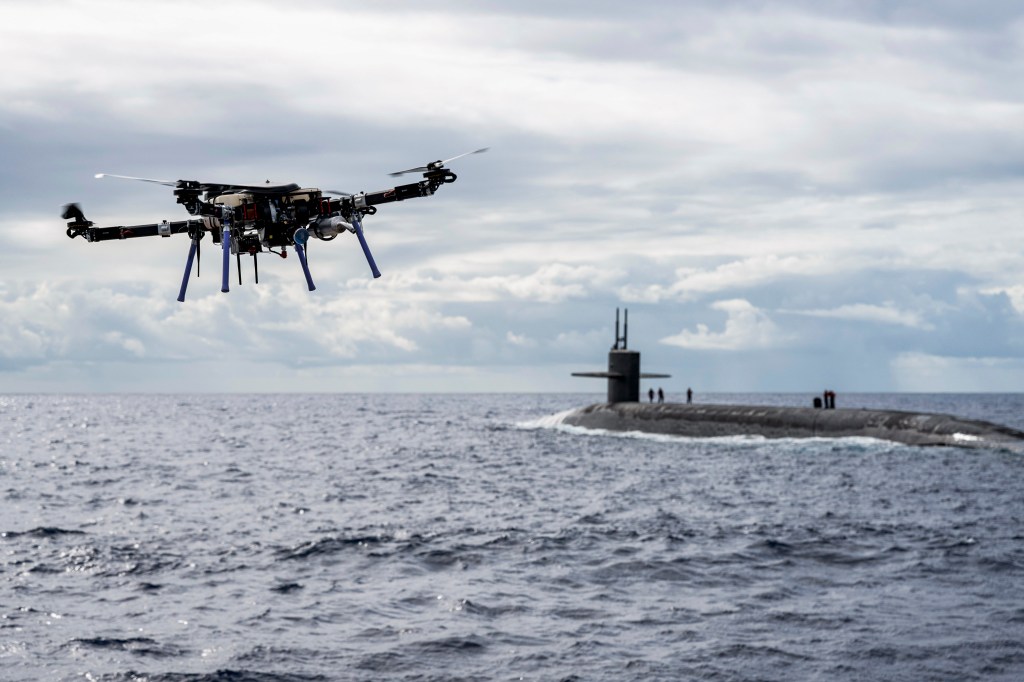
US Navy fears ballistic missile subs can be hit by drones, anti-tank rockets
The U.S. Navy is searching for better methods of protecting its missile subs, as well as the shore installations that support them.
-

US Army launches new Indo-Pacific multi-domain command
The move combines traditional formations with some of the service’s cyber, space, unmanned systems and electronic warfare capabilities.
-
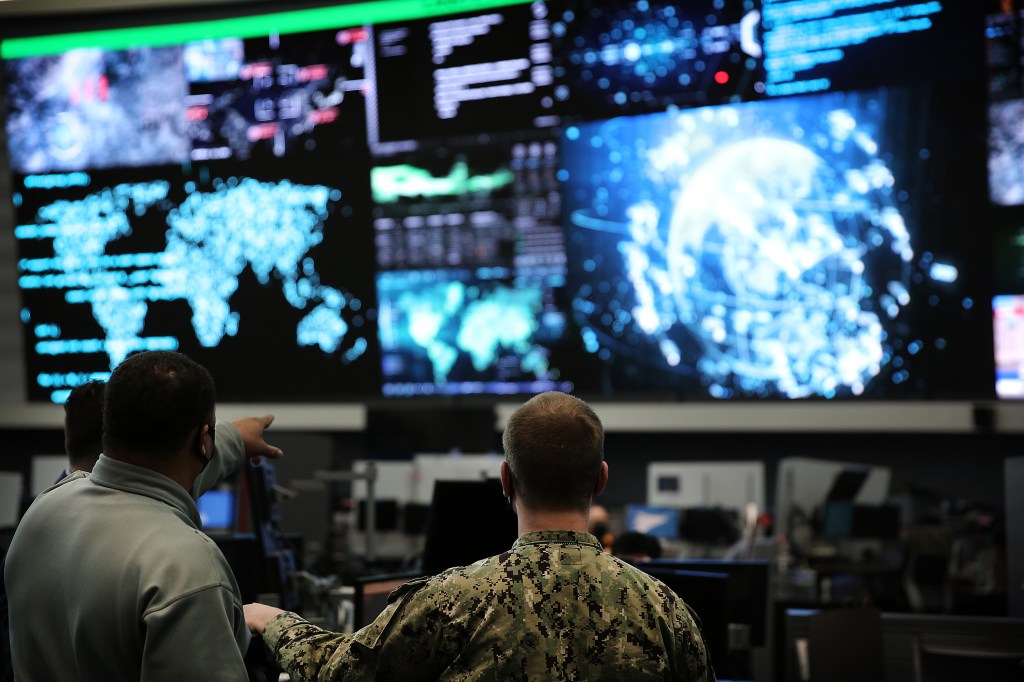
Pentagon to launch ‘Cyber Mastery Incentive Pay’ program
The initative, dubbed Cyber Mastery Incentive Pay, is slated to begin in early October.
-
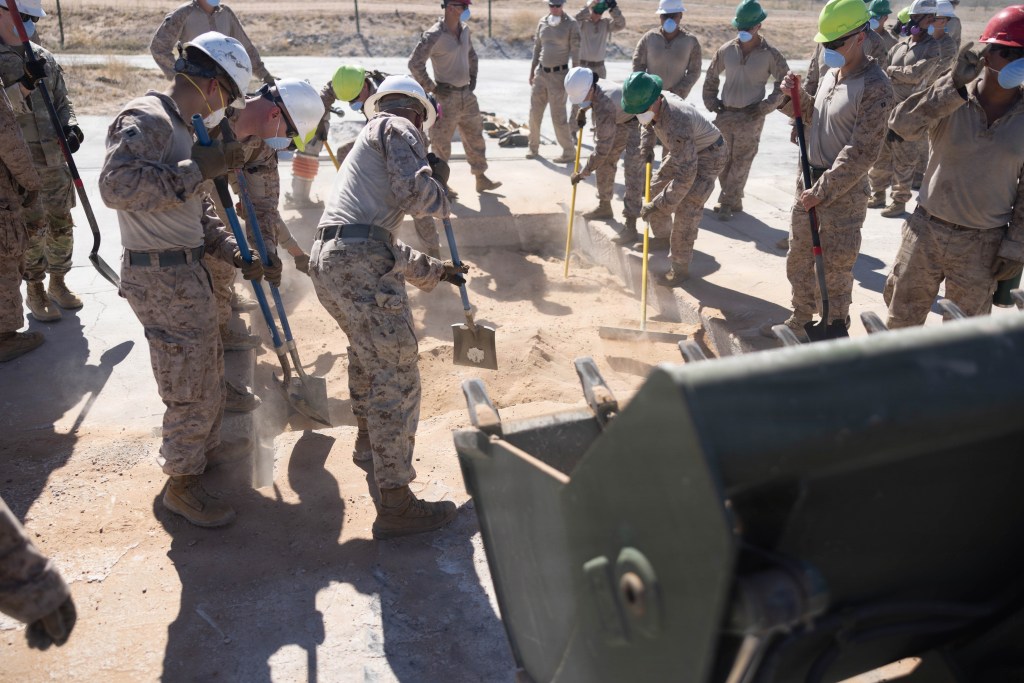
The US Marine Corps is looking for a few good robots to build airfields
For Marines who have toiled over assembling airfields in austere environments, relief may be on the way.
-
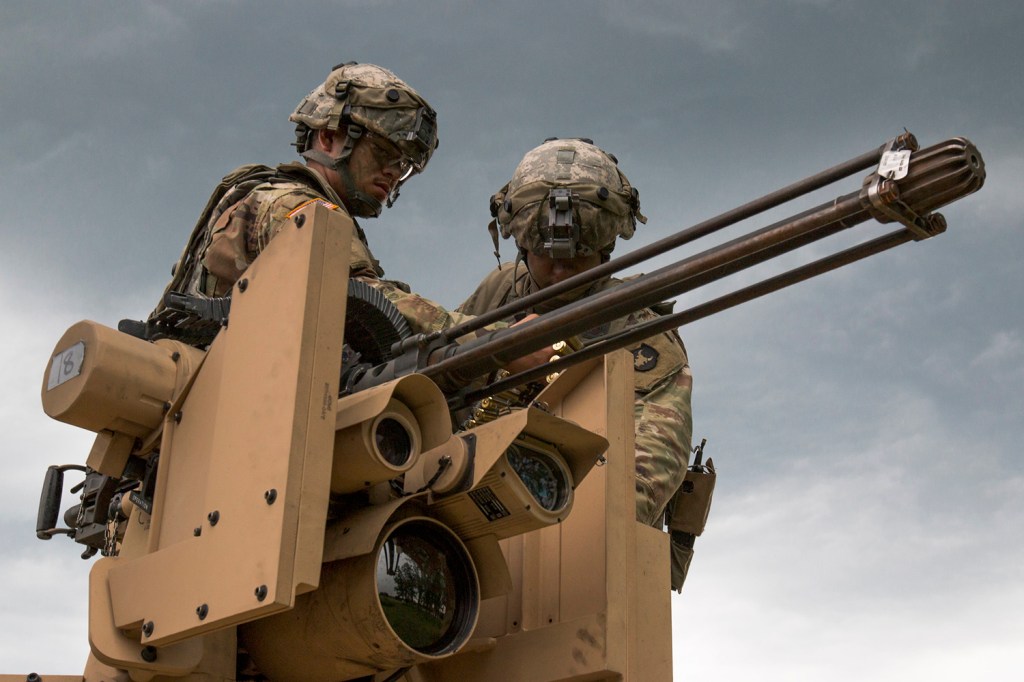
Pentagon turns to AI targeting to help troops shoot drones
The technology can detect threats and distinguish them from non-threats, such as birds, faster than a human operator can.
-

Outgoing Leonardo boss touts ‘Michelangelo Dome,’ cyber tack as key achievements
Asked what he plans to do next, Cingolani said, “I am getting on my motorbike and will travel around Europe for a while.”
-

Russia could be ready for NATO conflict year after Ukraine, Dutch warn
Moscow’s goal would not be to defeat the alliance militarily, but to divide it through limited territorial gains, a new intelligence report states.
-

Russia supplies Iran with cyber support, spy imagery to hone attacks, Ukraine says
Russian satellites have made detailed imagery surveys of military facilities to help Iran strike U.S. forces, according to a Ukrainian intel assessment.
-

DOD eyes commercial satellites that can spy on other satellites
The Pentagon is looking for cheap commercial satellites that can maintain surveillance on other satellites in orbit, including close-range inspections.