HALIFAX — The next 25 years will require the U.S. to cooperate and compete with rising great powers Russia and China, and deal with the consequences of the breakdown of social order in the Middle East, a top Pentagon official said Friday.
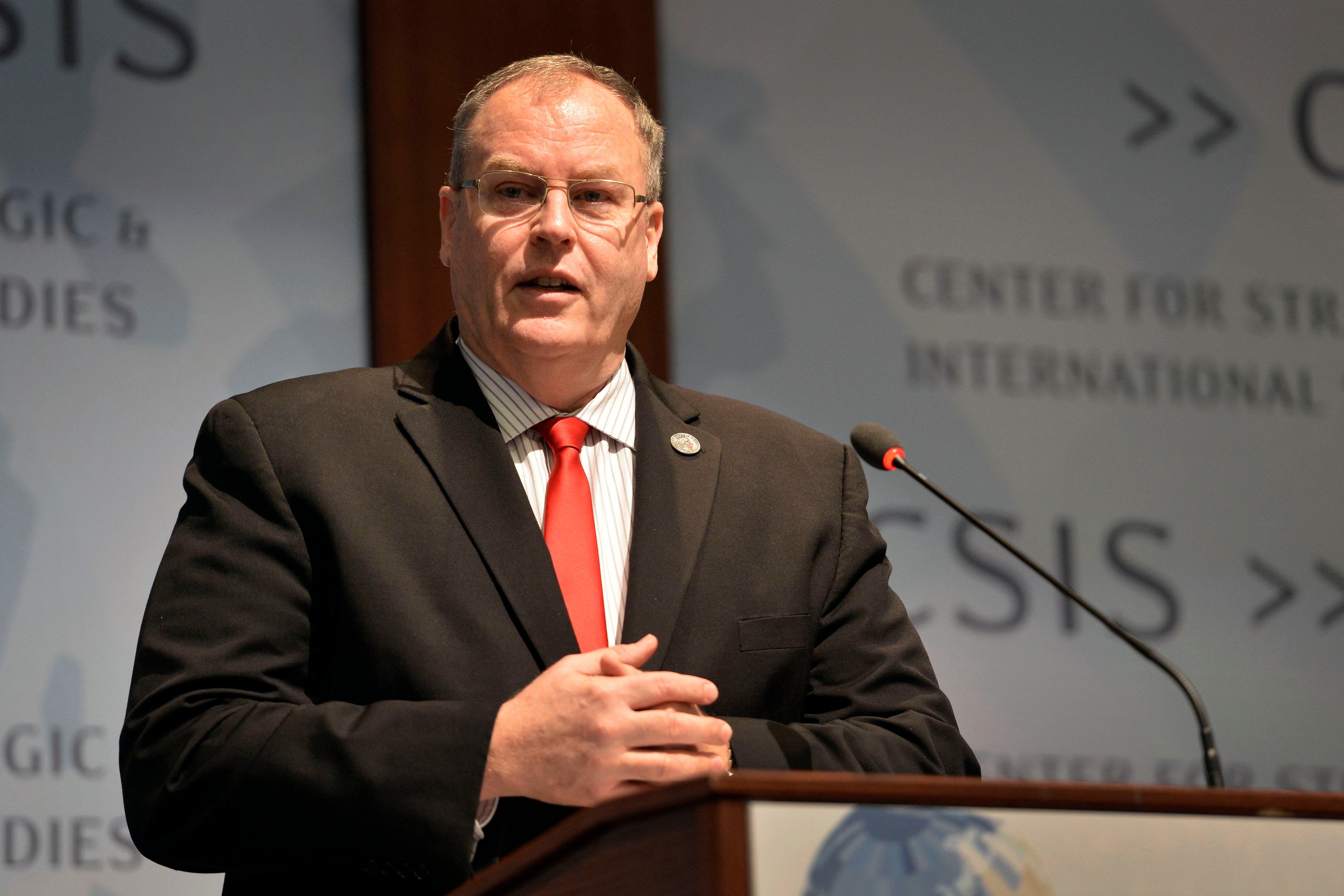
"Great power competition has returned," said U.S. Deputy Defense Secretary Robert Work. "That requires us to think more globally and more in terms of competition than we have in the last 25 years."
During the 1990s and 2000s, the U.S. "enjoyed such a preponderance of power," he said. "As a result, the U.S. had enormous freedom of action … Our strategic muscles atrophied."
Work's remarks came during a panel discussion at the Halifax International Security Forum, an annual event held in the Canadian city. Other panelists included Tinatin Khidasheli, Georgia's Minister of Defense; Israel's former Minister of Foreign Affairs Tzipi Livni; and Carlos Villegas Echeverri, Colombia's Minister of Defense.
Khidasheli drew similarities between Russia's engagement with Georgia and Russia's invasion of Ukraine. It remains a challenge to treat Russia as a global partner when it refuses to follow the rules and acts as an aggressive, occupying power, she said.
"This is the country we [are supposed to] find solutions to the world's problems together," she said.
Work repeated Defense Secretary Ash Carter's description of U.S. policy toward Russia: strong but balanced.
The U.S. needs to respond, not necessarily militarily, when Russia displays aggression toward the U.S. and its allies and partners, he said. The U.S. is also working to build up the resilience of smaller countries to stand up against Russia.
However, getting in a long-term military competition with Russia and China would be a disaster, he said, so the U.S. should continue to engage. It is important not to foreclose Russia from becoming a good actor in the global order, he said. The same goes for China, which has been pushing against the rules-based order by developing artificial islands in the South China Sea.
"There is room for cooperation between great powers," he said. Russia helped the U.S. develop the recent deal with Iran, he noted.
Email: aclevenger@defensenews.com
Twitter: @andclev