-

Air Force nominee lays out her approach to space
Air Force secretary nominee Barbara Barrett told senators the U.S. “must be prepared to defend critical space assets, increase the resilience of our space enterprise, and be prepared to fight and win should deterrence fail.”
-

Senate bill includes $1B in new money for hypersonics
A spending bill making its way through the Senate includes at least $1 billion more for hypersonics and hypersonics defense than what the Pentagon requested in March.
-
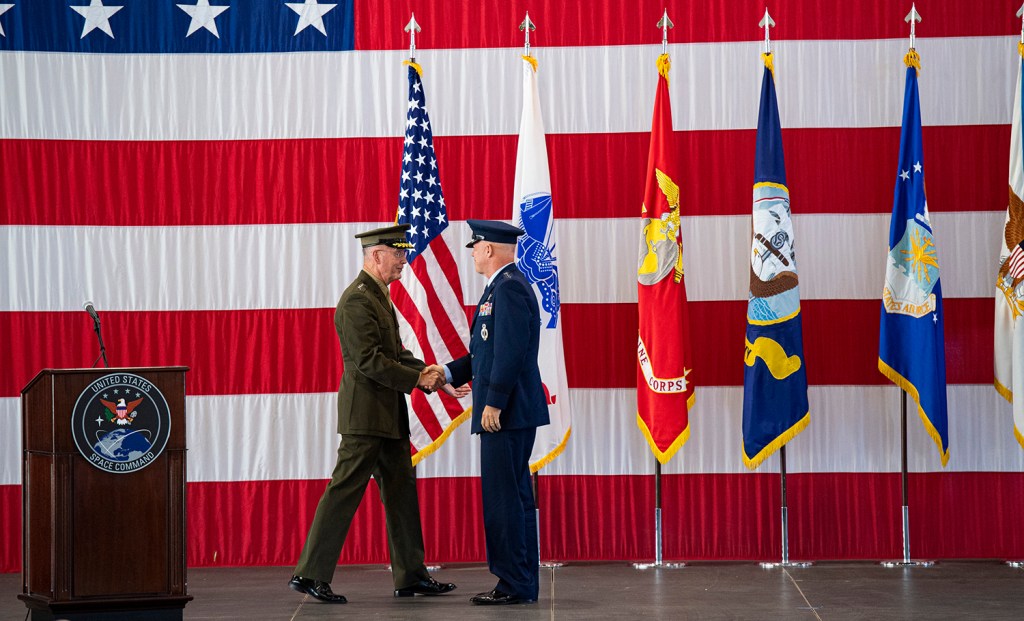
Dunford: US faces ‘Sputnik moment’ in space race competition
The U.S. has reached a new “Sputnik moment” in which the military must act to keep the nation’s competitive advantage in space against adversaries such as Russia, China, and to a lesser extent, Iran and North Korea, the chairman of the Joint Chiefs of Staff said Monday.
-
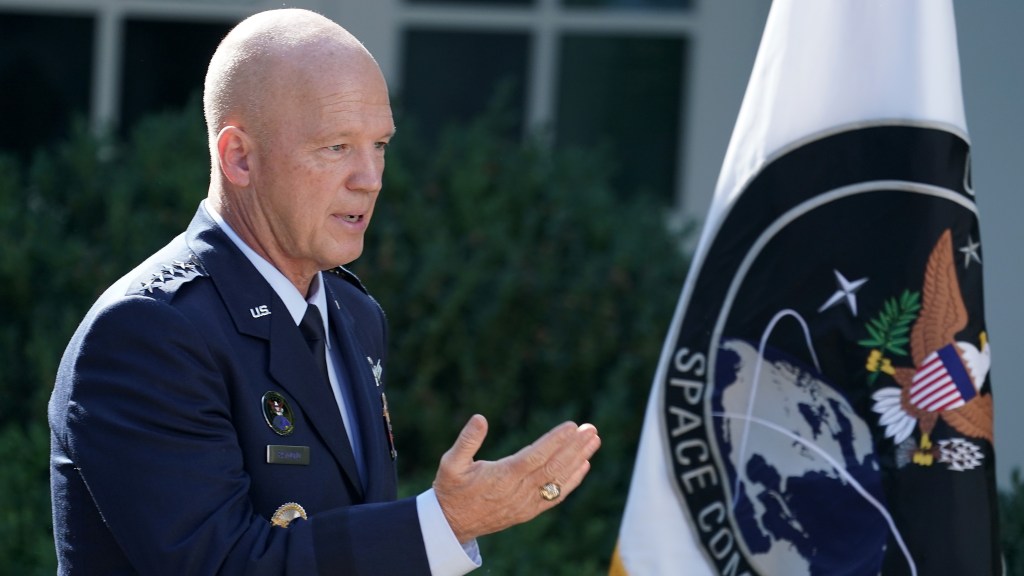
The new head of US Space Command wants to focus here
U.S. Space Command, which was officially reestablished Aug. 29, will focus on these four distinct areas as it begins operations.
-

Space Command projects what it would need in a real world Star Trek
A new report put out by Air Force Space Command lays out eight future scenarios for the space domain.
-

Why the Pentagon could need a National Space Intelligence Center
The military needs to be more focused on gathering intelligence about space as a war fighting domain, said Maj. Gen. John E. Shaw, deputy commander of the Air Force Space Command.
-

Who should take the lead on the military’s space-based sensor layer?
The Trump administration is pushing back against a provision in the Senate’s annual defense bill that it says would limit the Pentagon as it works to develop a space-based sensor layer capable of tracking hypersonic weapons.
-
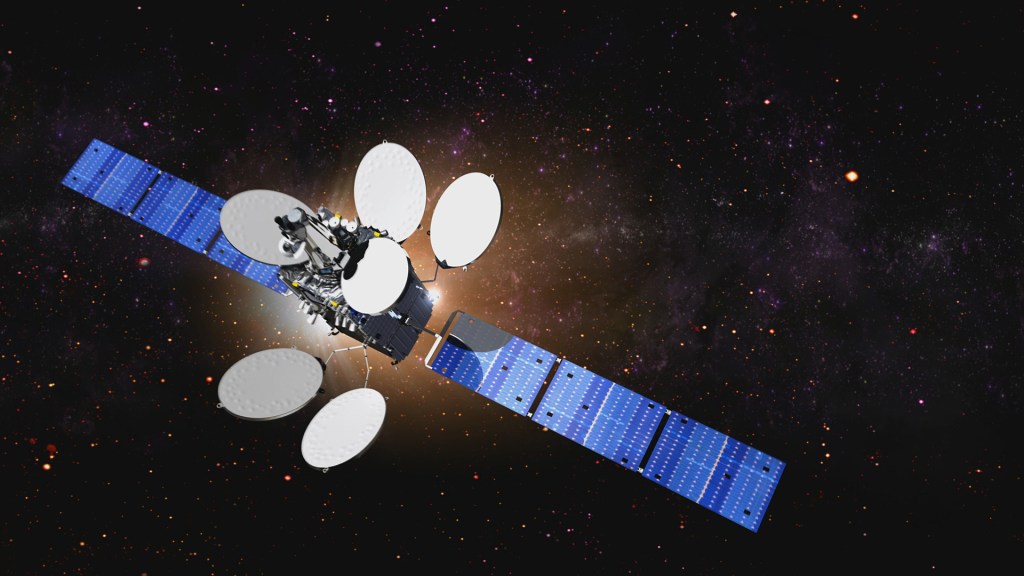
Russian satellite creeps up to Intelsat satellite – again
Since launching in 2014, the Russian satellite Luch has sidled up to a number of other satellites, raising concerns that it could be intercepting data.
-
Increasing allied role in space a ‘priority’ for Space Command head
Working with allies isn’t always easy, but partnerships in space are breaking through traditional barriers.
-
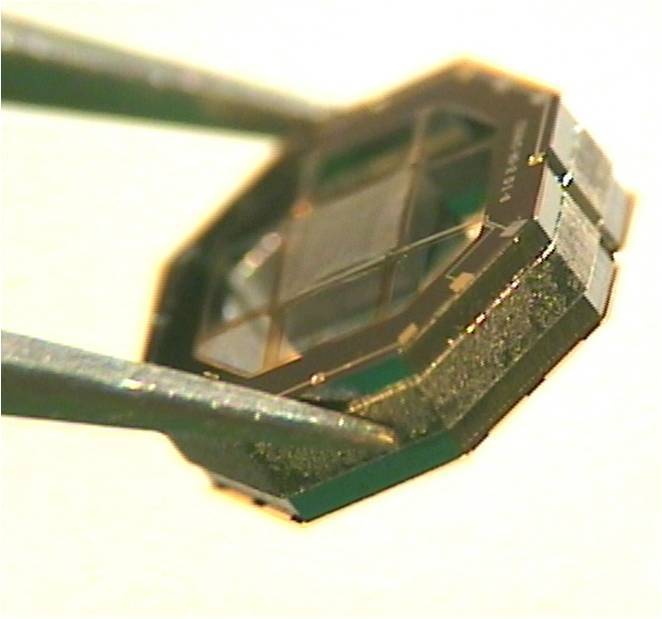
Could chip-sized atomic clocks replace GPS?
DARPA said three teams in its ACES program have made progress in developing highly accurate chip-sized atomic clocks.
-
Air Force nominee lays out her approach to space
Air Force secretary nominee Barbara Barrett told senators the U.S. “must be prepared to defend critical space assets, increase the resilience of our space enterprise, and be prepared to fight and win should deterrence fail.”
-
Senate bill includes $1B in new money for hypersonics
A spending bill making its way through the Senate includes at least $1 billion more for hypersonics and hypersonics defense than what the Pentagon requested in March.
-
Dunford: US faces ‘Sputnik moment’ in space race competition
The U.S. has reached a new “Sputnik moment” in which the military must act to keep the nation’s competitive advantage in space against adversaries such as Russia, China, and to a lesser extent, Iran and North Korea, the chairman of the Joint Chiefs of Staff said Monday.
-
The new head of US Space Command wants to focus here
U.S. Space Command, which was officially reestablished Aug. 29, will focus on these four distinct areas as it begins operations.
-
Space Command projects what it would need in a real world Star Trek
A new report put out by Air Force Space Command lays out eight future scenarios for the space domain.
-
Why the Pentagon could need a National Space Intelligence Center
The military needs to be more focused on gathering intelligence about space as a war fighting domain, said Maj. Gen. John E. Shaw, deputy commander of the Air Force Space Command.
-
Who should take the lead on the military’s space-based sensor layer?
The Trump administration is pushing back against a provision in the Senate’s annual defense bill that it says would limit the Pentagon as it works to develop a space-based sensor layer capable of tracking hypersonic weapons.
-
Russian satellite creeps up to Intelsat satellite – again
Since launching in 2014, the Russian satellite Luch has sidled up to a number of other satellites, raising concerns that it could be intercepting data.
-
Increasing allied role in space a ‘priority’ for Space Command head
Working with allies isn’t always easy, but partnerships in space are breaking through traditional barriers.
-
Could chip-sized atomic clocks replace GPS?
DARPA said three teams in its ACES program have made progress in developing highly accurate chip-sized atomic clocks.