-

Japanese destroyers intercept ballistic missiles in tests with US Navy
Cooperative Engagement Capability allowed JS Maya to detect and track the missile target before sister ship JS Haguro shot it down.
-
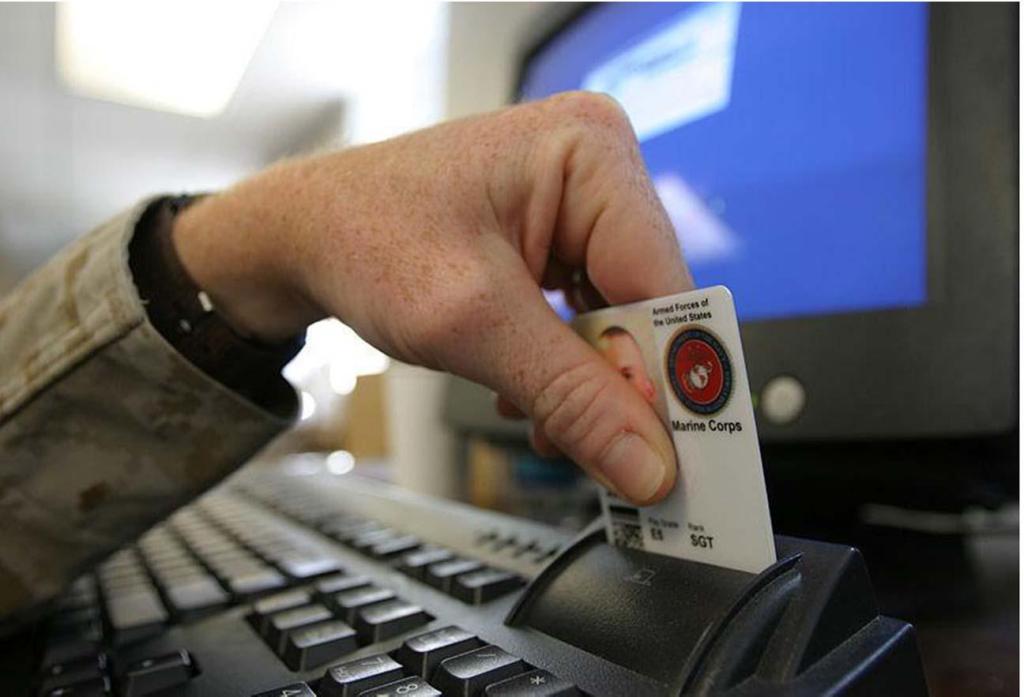
Will Common Access ID cards stop working on Nov. 23?
More than 78,000 Navy members and 21,000 Marine Corps members were using Common Access Cards of Nov. 10 that will become “non-operational.”
-
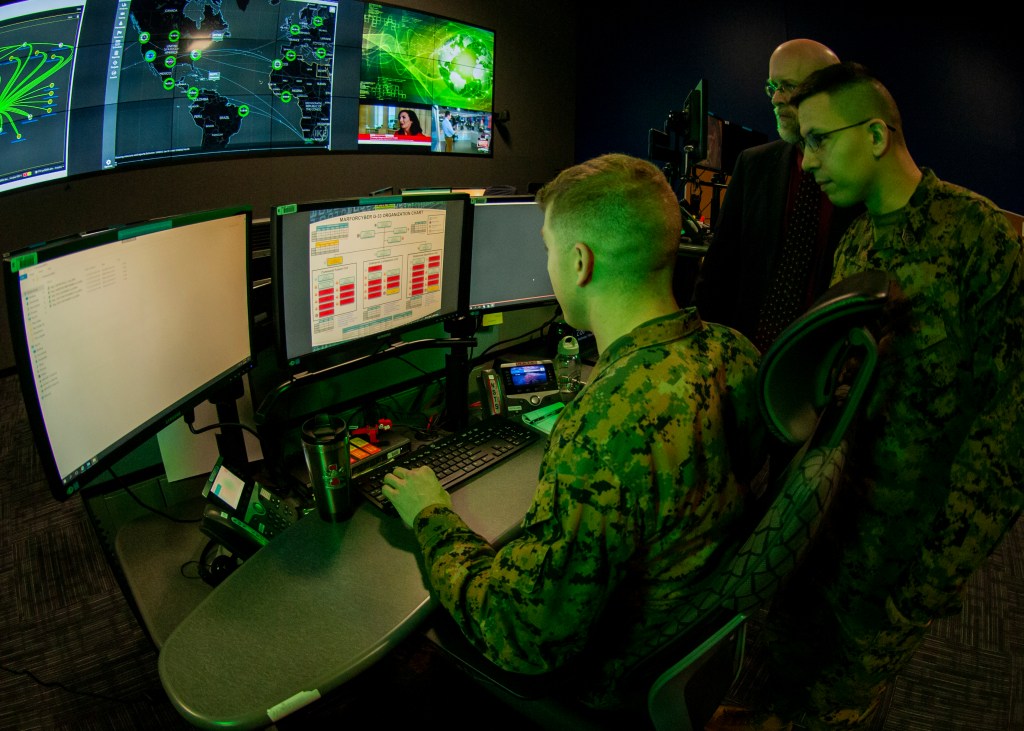
Pentagon publishes zero-trust cyber strategy, eyes 2027 implementation
Zero trust, a new cybersecurity paradigm, assumes networks are always at risk. As a result, continuous validation of users, devices and access is needed.
-
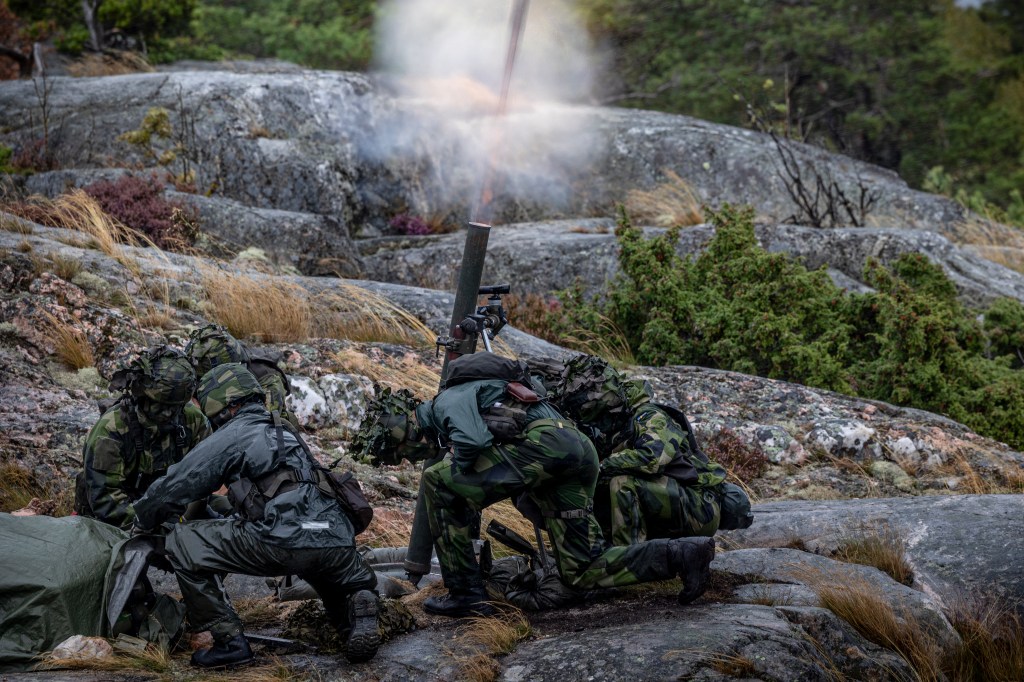
Sweden boosts cyber, defense spending with NATO in mind
Stockholm’s plans also include a new ministry and additional spending on cyber defense to better address hybrid threats.
-

Five allied aircraft carriers to join 6th Fleet interoperability tests
Aircraft carriers George H.W. Bush and Gerald R. Ford are teaming up with three other allied aircraft carriers in the U.S. 6th Fleet.
-
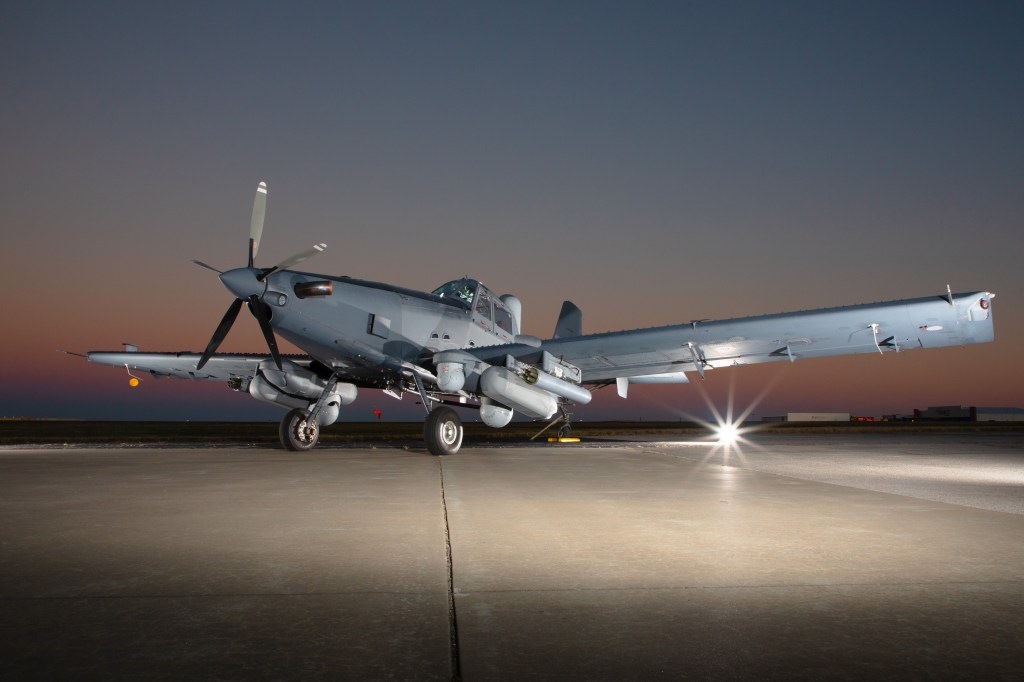
How the US plans to train armed overwatch pilots for counterterrorism
The Air Force plans to start training new pilots to fly the OA-1K armed overwatch planes in fall 2025.
-
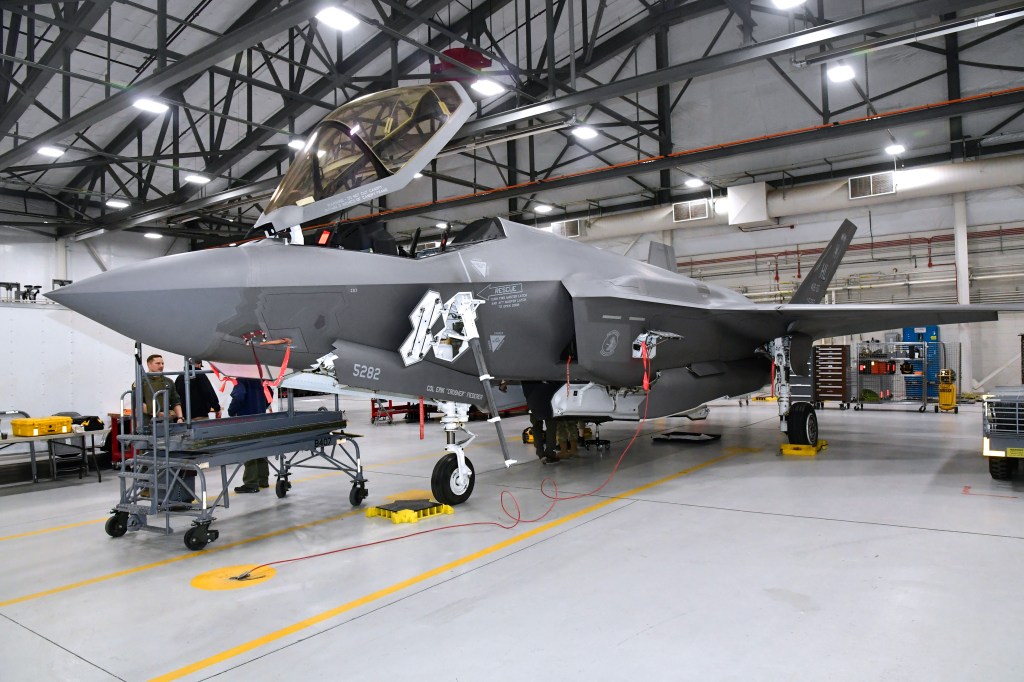
Football-sized device could transform how Air Force collects F-35 data
The device, called a QRIP, is bolted inside an F-35’s weapons bay. Unlike previous data-collecting devices, it doesn’t take up all the bay’s space.
-
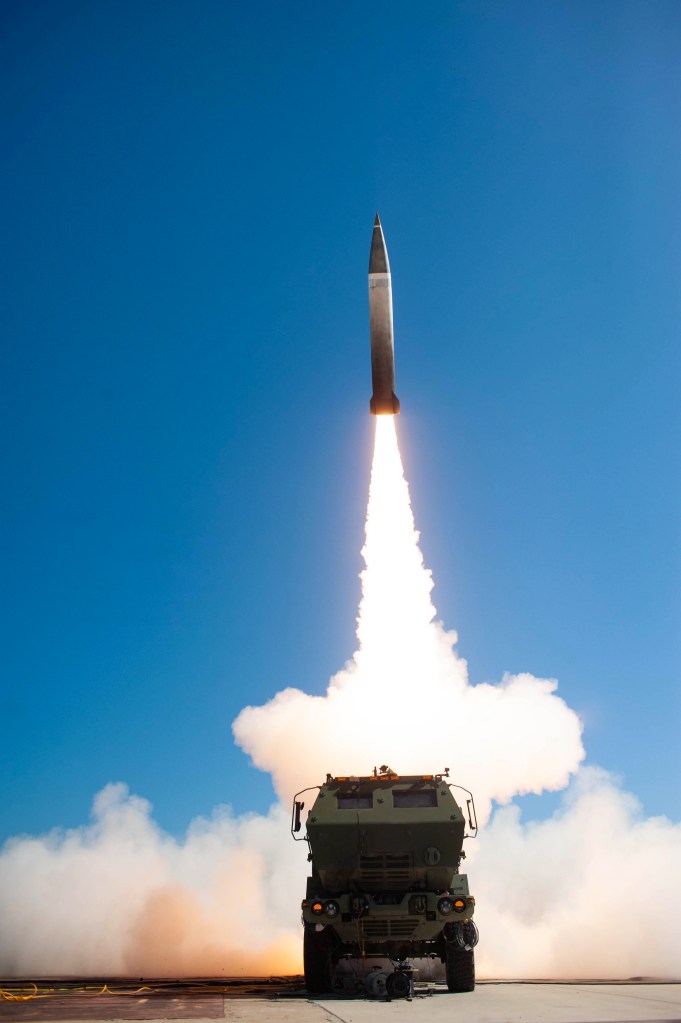
Proliferation of precision fires creates overmatch
GPS can no longer be relied upon to support the accurate delivery of precision fires, given adversarial capabilities to disrupt satellite communications.
-

Data centers are physical and digital targets, says Pentagon’s Eoyang
What Russia failed to take down online in Ukraine, it’s attacking with missiles, according to Mieke Eoyang, a senior Pentagon cyber official.
-

Accrete wins contract from Pentagon for AI threat detection software
Argus uses artificial intelligence to read, understand and learn from unstructured data to spot bad actors.
-
Japanese destroyers intercept ballistic missiles in tests with US Navy
Cooperative Engagement Capability allowed JS Maya to detect and track the missile target before sister ship JS Haguro shot it down.
-
Will Common Access ID cards stop working on Nov. 23?
More than 78,000 Navy members and 21,000 Marine Corps members were using Common Access Cards of Nov. 10 that will become “non-operational.”
-
Pentagon publishes zero-trust cyber strategy, eyes 2027 implementation
Zero trust, a new cybersecurity paradigm, assumes networks are always at risk. As a result, continuous validation of users, devices and access is needed.
-
Sweden boosts cyber, defense spending with NATO in mind
Stockholm’s plans also include a new ministry and additional spending on cyber defense to better address hybrid threats.
-
Five allied aircraft carriers to join 6th Fleet interoperability tests
Aircraft carriers George H.W. Bush and Gerald R. Ford are teaming up with three other allied aircraft carriers in the U.S. 6th Fleet.
-
How the US plans to train armed overwatch pilots for counterterrorism
The Air Force plans to start training new pilots to fly the OA-1K armed overwatch planes in fall 2025.
-
Football-sized device could transform how Air Force collects F-35 data
The device, called a QRIP, is bolted inside an F-35’s weapons bay. Unlike previous data-collecting devices, it doesn’t take up all the bay’s space.
-
Proliferation of precision fires creates overmatch
GPS can no longer be relied upon to support the accurate delivery of precision fires, given adversarial capabilities to disrupt satellite communications.
-
Data centers are physical and digital targets, says Pentagon’s Eoyang
What Russia failed to take down online in Ukraine, it’s attacking with missiles, according to Mieke Eoyang, a senior Pentagon cyber official.
-
Accrete wins contract from Pentagon for AI threat detection software
Argus uses artificial intelligence to read, understand and learn from unstructured data to spot bad actors.