-
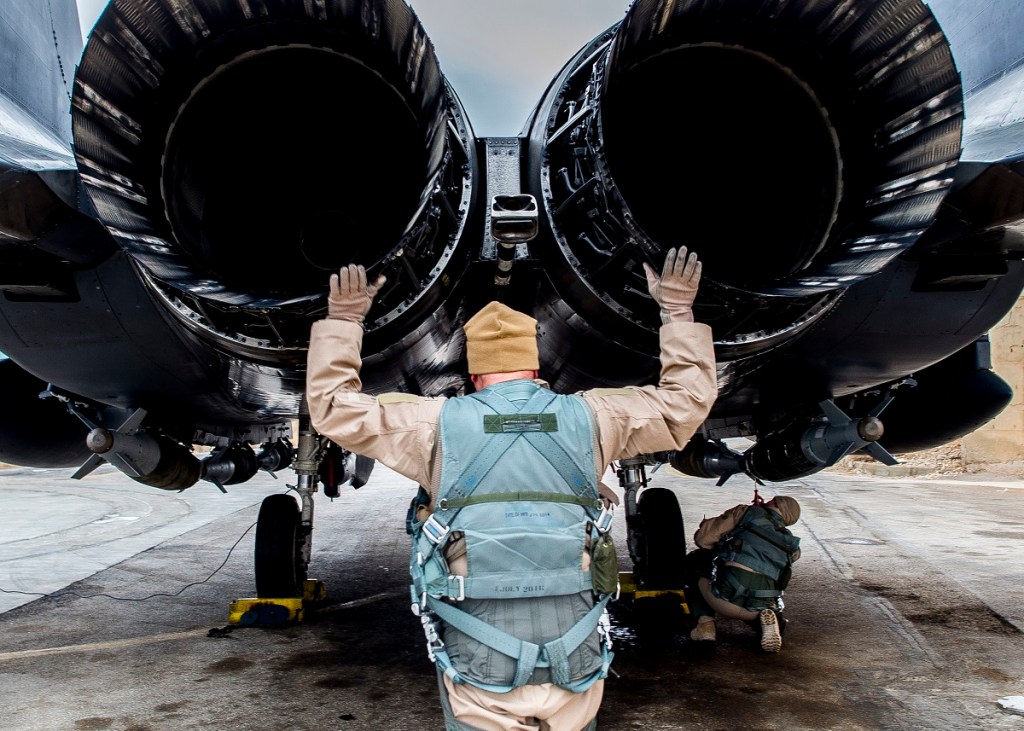
A sensor to eliminate jets’ screeeeeeeeeeech
A team of Air Force engineers is working with a combination of sophisticated sensors and advanced algorithms to detect and fix screech before it becomes a problem.
-
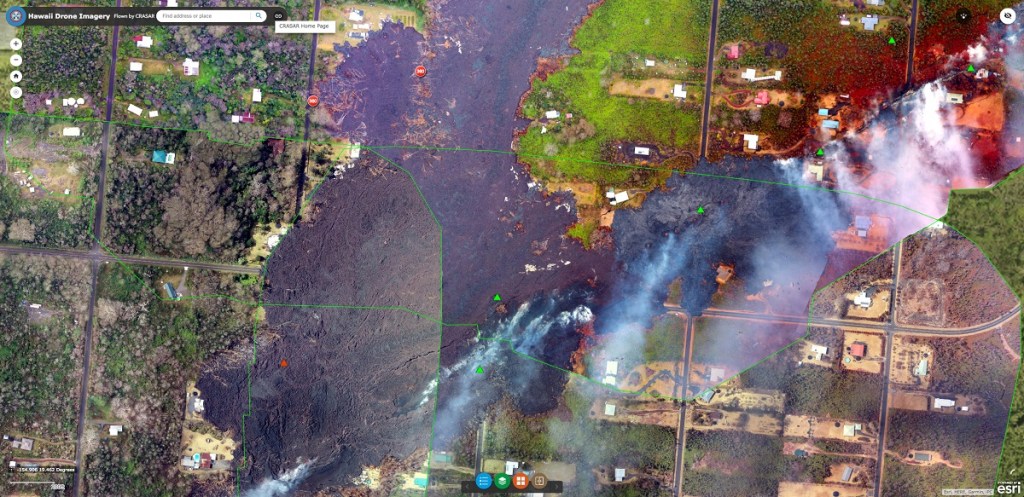
How the Pentagon can learn from the Hawaiian volcanoes
Experts say the lessons learned from the volcanoes on Hawaii could have implications for future military drone operations.
-
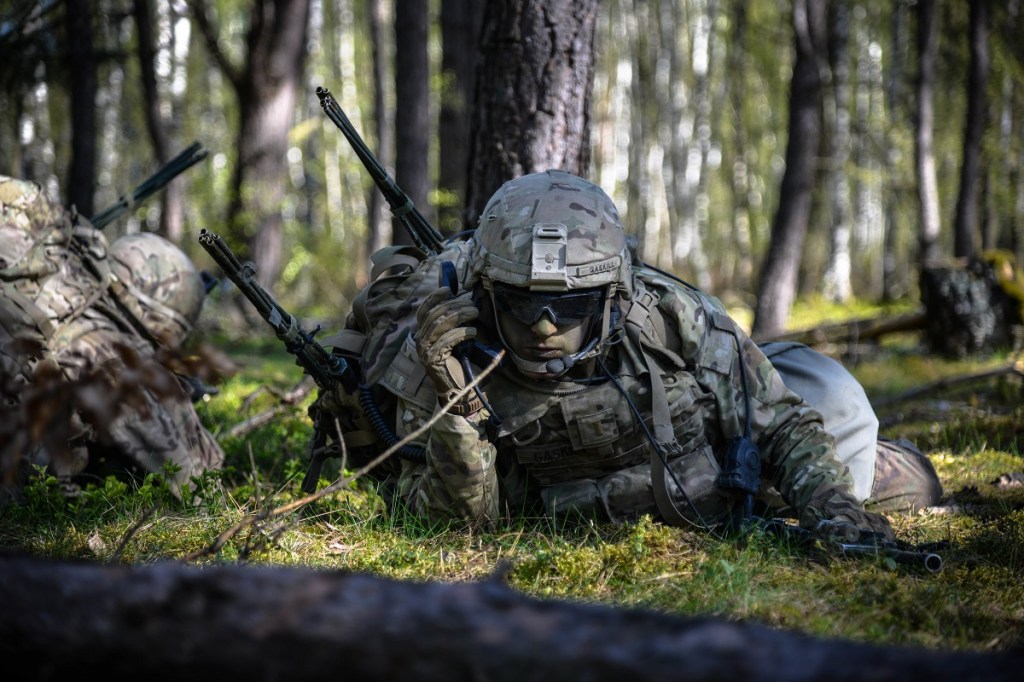
Soldiers are being forced to recognize one of their greatest vulnerabilities on the battlefield
Soldiers can’t wait to get their hands on new electronic warfare tools. But in the meantime, they’re finding o
-
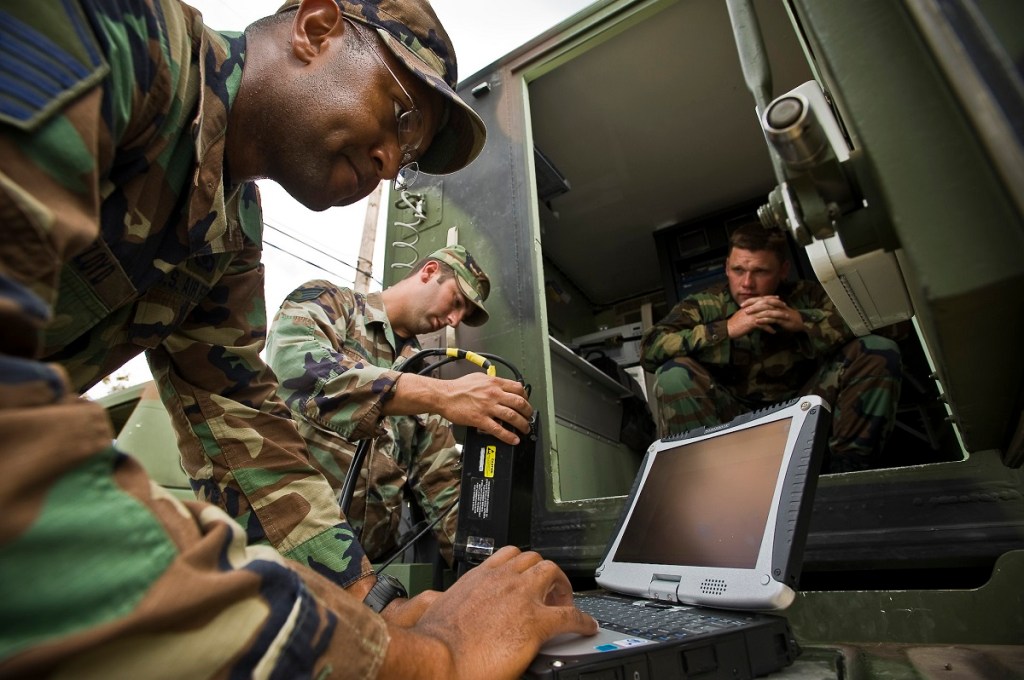
Will AI help save lives on the battlefield?
The Air Force Research Laboratory at Wright-Patterson Air Force Base is exploring how artificial intelligence can drive video interpretation and situational awareness.
-

The sensors that could sniff out chemical weapons
Researchers are working to more effectively detect the use of chemical and other non-conventional weapons.
-

The Coast Guard’s big ask: secure comms from Seattle to Antarctica
Coast Guard leaders want enhanced communications capabilities as well as secure, real-time voice and data exchange for the next icebreaker..
-

Why Special Operations Command wants new algorithms
Deb Woods — the U.S. Special Operations Command program executive officer for command, control, communications and computers — offers a lay of the land of the Special Forces information environment.
-

How border protection software could help analyze battlefield videos
A new software product uses advanced data analytics and machine learning to deliver improved accuracy, helping agents decide when it’s necessary to make a closer inspection of travelers or cargo shipments.
-
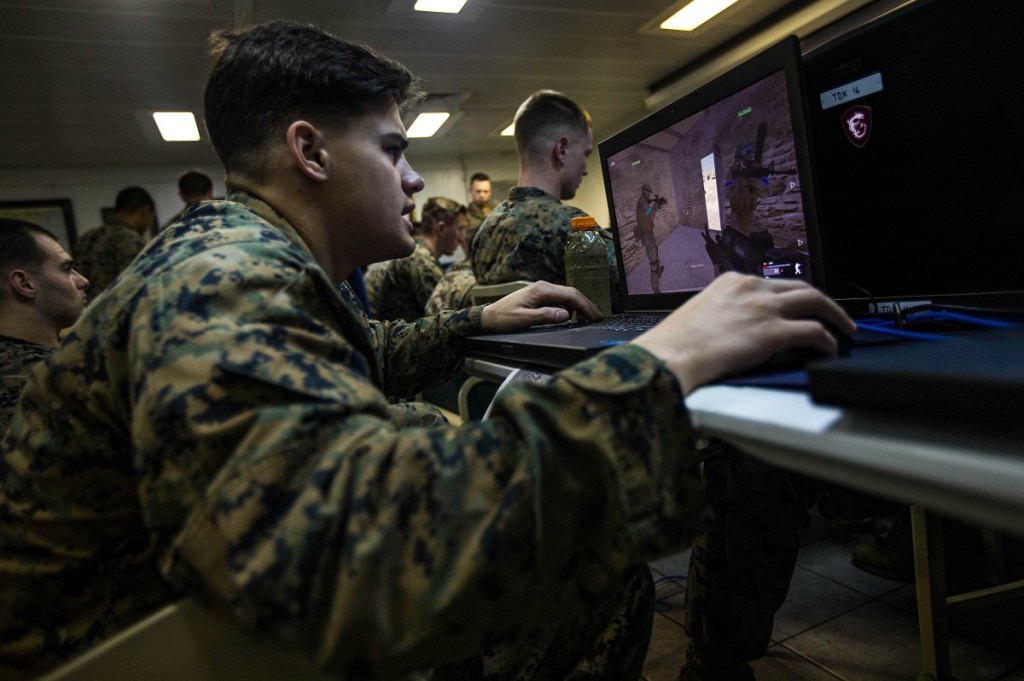
The sparring partner who roughs up Marines with Snapchat
This Marine lab will identify challenges, develop warfighting concepts and design wargames and experiments. MD5 also will provide a platform upon which to accelerate these evolving concepts.
-
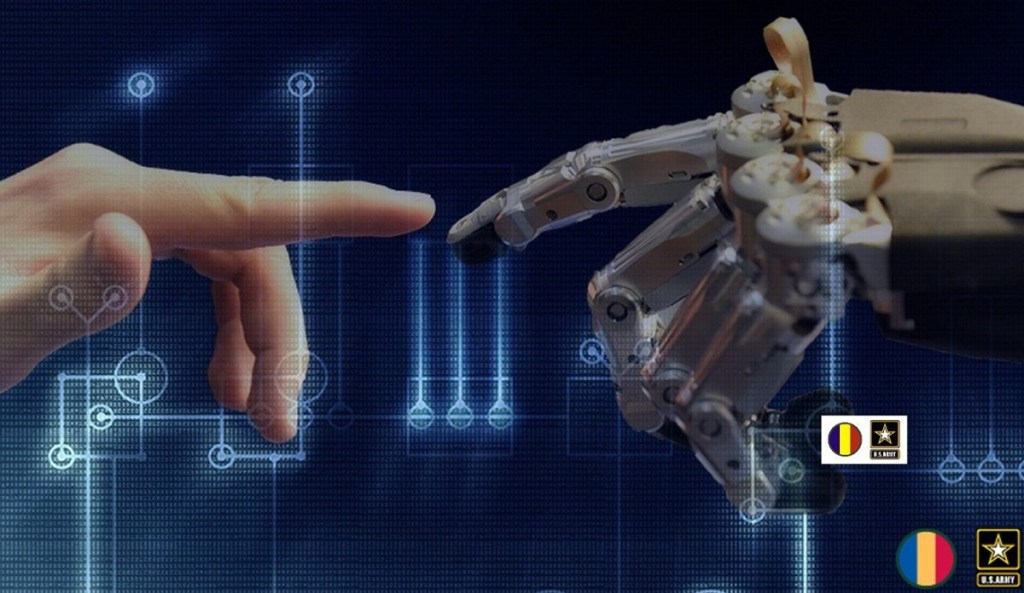
This is how soldiers could fly drones with their minds
Speaking at the Army Training & Doctrine Command’s Mad Scientist 2018: Bio Convergence & Soldier 2050 event, SRI’s Peter Kant shed some light on the battlefield of the future.
-
A sensor to eliminate jets’ screeeeeeeeeeech
A team of Air Force engineers is working with a combination of sophisticated sensors and advanced algorithms to detect and fix screech before it becomes a problem.
-
How the Pentagon can learn from the Hawaiian volcanoes
Experts say the lessons learned from the volcanoes on Hawaii could have implications for future military drone operations.
-
Soldiers are being forced to recognize one of their greatest vulnerabilities on the battlefield
Soldiers can’t wait to get their hands on new electronic warfare tools. But in the meantime, they’re finding o
-
Will AI help save lives on the battlefield?
The Air Force Research Laboratory at Wright-Patterson Air Force Base is exploring how artificial intelligence can drive video interpretation and situational awareness.
-
The sensors that could sniff out chemical weapons
Researchers are working to more effectively detect the use of chemical and other non-conventional weapons.
-
The Coast Guard’s big ask: secure comms from Seattle to Antarctica
Coast Guard leaders want enhanced communications capabilities as well as secure, real-time voice and data exchange for the next icebreaker..
-
Why Special Operations Command wants new algorithms
Deb Woods — the U.S. Special Operations Command program executive officer for command, control, communications and computers — offers a lay of the land of the Special Forces information environment.
-
How border protection software could help analyze battlefield videos
A new software product uses advanced data analytics and machine learning to deliver improved accuracy, helping agents decide when it’s necessary to make a closer inspection of travelers or cargo shipments.
-
The sparring partner who roughs up Marines with Snapchat
This Marine lab will identify challenges, develop warfighting concepts and design wargames and experiments. MD5 also will provide a platform upon which to accelerate these evolving concepts.
-
This is how soldiers could fly drones with their minds
Speaking at the Army Training & Doctrine Command’s Mad Scientist 2018: Bio Convergence & Soldier 2050 event, SRI’s Peter Kant shed some light on the battlefield of the future.